Old Rheem Air Conditioner
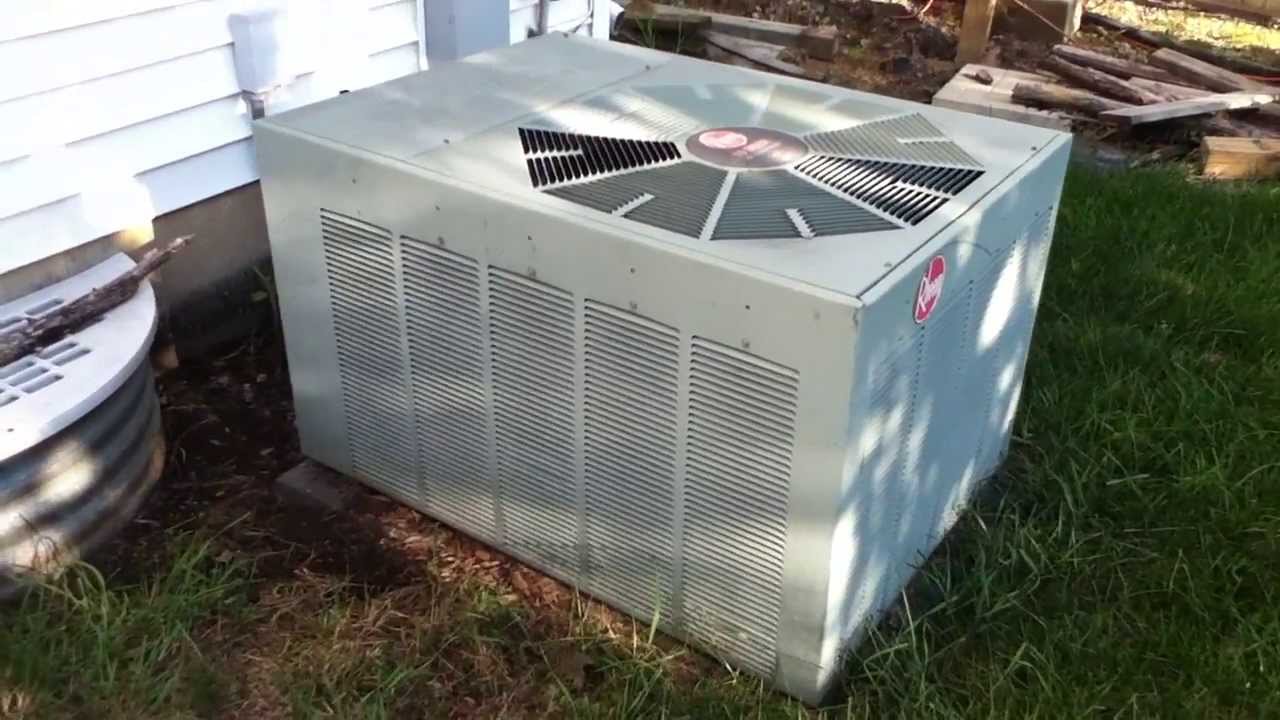
The HVAC industry, a cornerstone of modern comfort and safety, is constantly evolving. For professionals navigating this landscape, understanding the history and evolution of equipment is just as important as mastering the latest technologies. Today, we're diving into the legacy of Rheem air conditioners, a brand with a long-standing presence in homes and businesses across the nation. Analyzing older models can provide valuable insights into HVAC design principles, common failure points, and the technological advancements that have shaped the industry.
The Rheem Legacy: From Water Heaters to Whole-Home Comfort
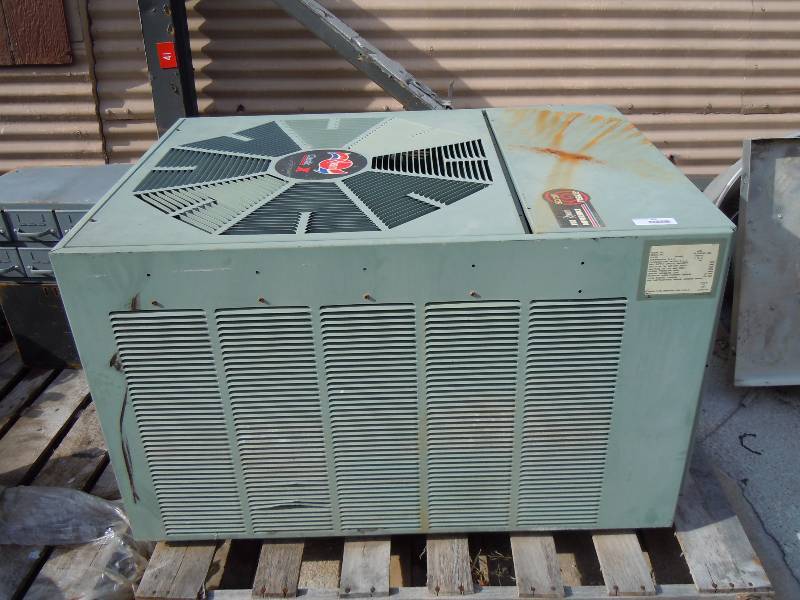
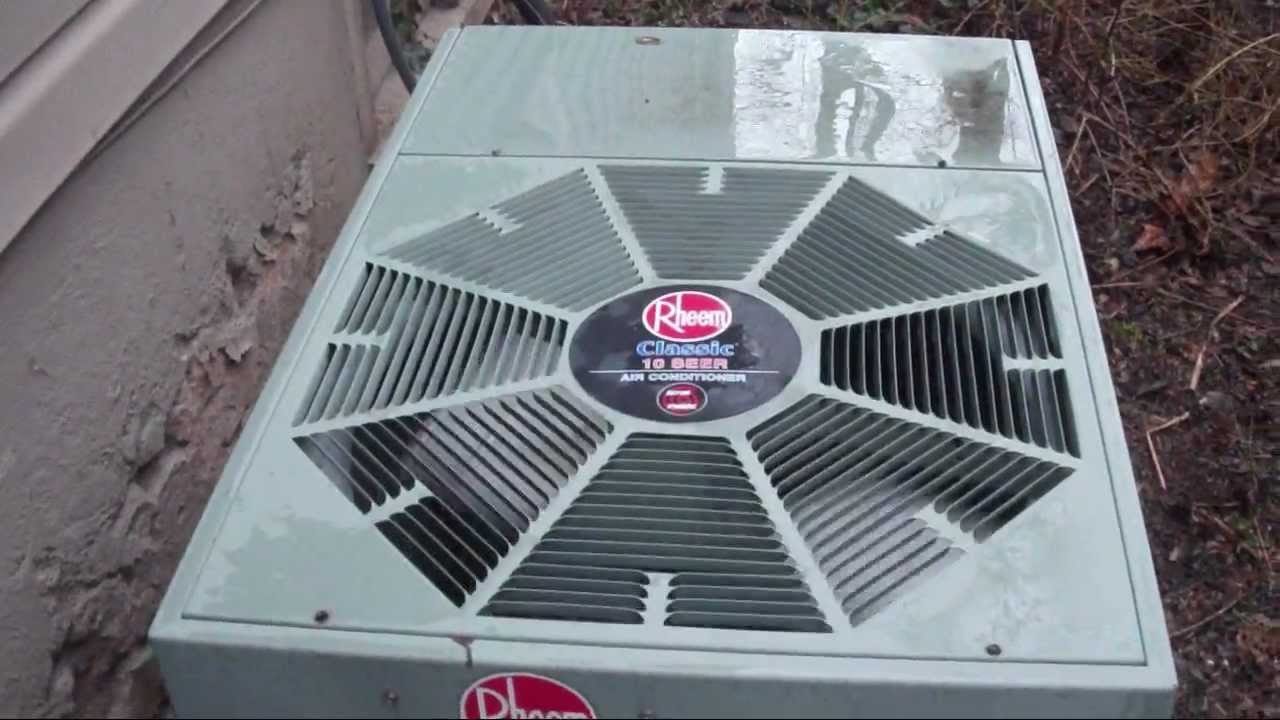
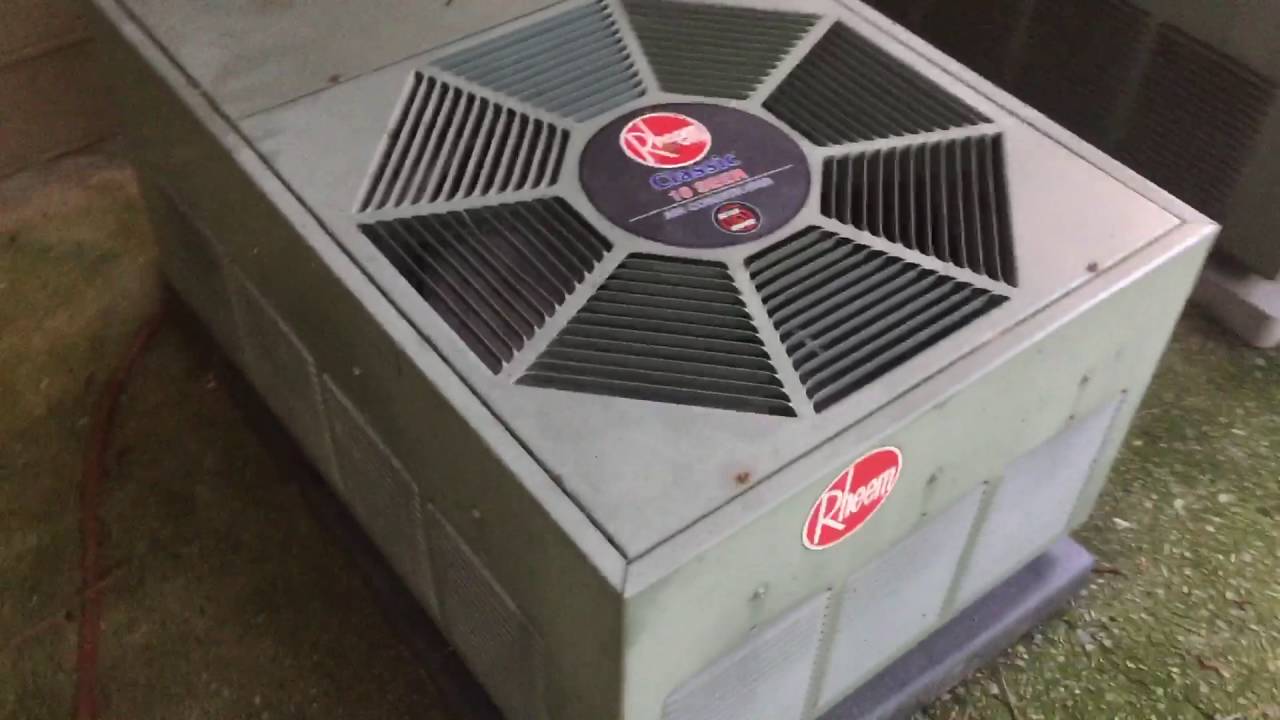
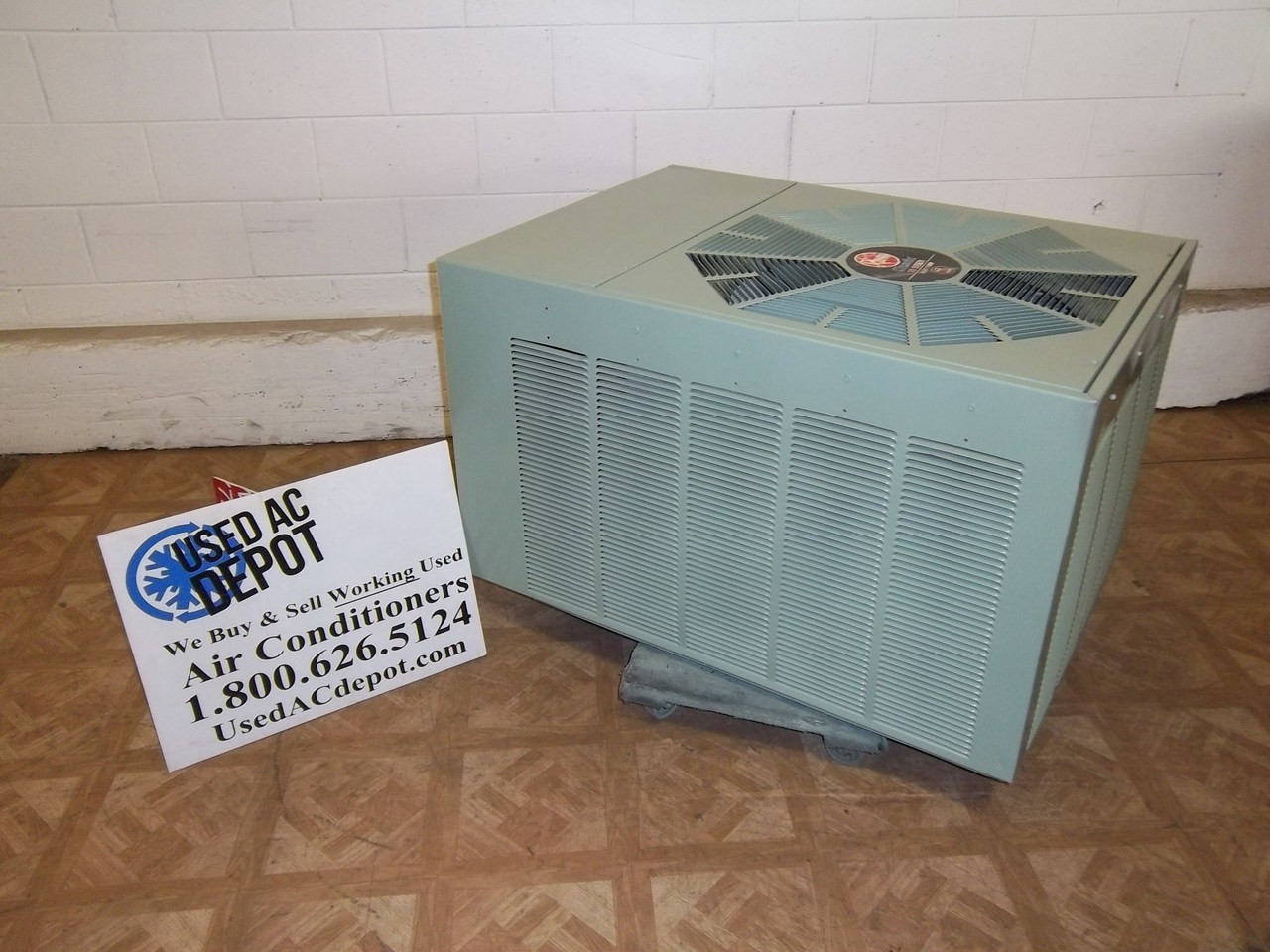
Rheem's journey began in 1925 as a manufacturer of water heaters. Over the decades, the company expanded its product line to include air conditioners, furnaces, and other HVAC equipment. Understanding this history is crucial for technicians, as it provides context for the design philosophies and manufacturing processes behind Rheem products. Older Rheem air conditioners, while less efficient than modern counterparts, often embody a robust, simple design that can be easier to diagnose and repair – a skill valuable for both seasoned technicians and those just entering the field.
Why study older models? Analyzing the components, wiring diagrams, and refrigerant types used in older Rheem units can reveal:
- The evolution of compressor technology
- Changes in refrigerant regulations and their impact on system design
- The increasing emphasis on energy efficiency
- Common points of failure and preventative maintenance strategies
This knowledge empowers technicians to troubleshoot a wider range of systems, including those found in older buildings where equipment upgrades may be delayed or cost-prohibitive. Consider, for example, a technician encountering an older Rheem unit using R-22 refrigerant. Understanding the history of R-22 phase-out and the regulations surrounding its use is crucial for proper service and potential retrofit recommendations.
Identifying and Understanding Older Rheem Air Conditioners
Older Rheem units can be identified by their model numbers, which typically contain information about the unit's age, capacity, and features. Resources like the Air Conditioning, Heating, and Refrigeration Institute (AHRI) directory and online HVAC forums can be invaluable for deciphering these model numbers and accessing historical product specifications. Furthermore, understanding the typical lifespan of an air conditioner (generally 15-20 years) can help you estimate the age of the unit if the model number is obscured or unavailable.
Common Characteristics of Older Rheem Units:
- Refrigerant Types: Many older Rheem units used R-22 refrigerant, which has been phased out due to its ozone-depleting properties. Technicians working on these systems must be EPA 608 certified to handle refrigerants safely and legally.
- Lower SEER Ratings: Older units typically have lower Seasonal Energy Efficiency Ratio (SEER) ratings compared to modern high-efficiency models. Understanding the SEER rating and its impact on energy consumption is crucial for advising customers on potential energy savings through equipment upgrades.
- Mechanical Controls: Older Rheem units often rely on mechanical thermostats and controls, requiring technicians to be proficient in diagnosing and repairing mechanical components.
- Robust Construction: While less efficient, older Rheem units are often built with durable components that can withstand years of use. However, age-related wear and tear, such as corrosion and refrigerant leaks, are common issues.
Career Paths and the Value of Historical Knowledge
The HVAC industry offers diverse career paths, from entry-level installer positions to specialized roles in system design, energy auditing, and sales. A strong understanding of both modern and historical HVAC equipment is an asset in virtually any of these career paths.
Example Career Paths:
- HVAC Technician: The backbone of the industry, HVAC technicians install, maintain, and repair heating, ventilation, and air conditioning systems. According to the Bureau of Labor Statistics (BLS), the median annual wage for HVAC technicians was $51,390 in May 2021. The BLS projects a growth rate of 5% for HVAC technicians from 2021 to 2031, indicating a continued demand for skilled workers. Technicians with experience working on older systems are particularly valuable in areas with older housing stock.
- HVAC Installer: Installers focus on the proper installation of HVAC equipment, ensuring that systems are operating efficiently and safely. A knowledge of older systems can be beneficial in retrofit projects where new equipment is being installed in existing buildings.
- HVAC Service Manager: Service managers oversee the operations of HVAC service departments, managing technicians, scheduling jobs, and ensuring customer satisfaction. A strong understanding of both modern and historical HVAC equipment is essential for effectively managing a team of technicians and addressing a wide range of service requests.
- HVAC Sales Engineer: Sales engineers work with clients to design and sell HVAC systems that meet their specific needs. A knowledge of older systems can be valuable in identifying opportunities for equipment upgrades and presenting the benefits of new, high-efficiency technology.
Certifications such as NATE (North American Technician Excellence) demonstrate competency and can lead to higher earning potential. NATE offers certifications in various HVAC specialties, including service, installation, and efficiency. Furthermore, holding an EPA 608 certification is legally required for technicians who handle refrigerants. Investing in professional development and certifications is a smart move for anyone looking to advance their career in the HVAC industry.
Employer Perspective: The Need for Versatile Technicians
HVAC employers are looking for well-rounded technicians who possess both technical skills and problem-solving abilities. While knowledge of the latest technologies is essential, employers also value technicians who can diagnose and repair older systems. A technician who can confidently troubleshoot an older Rheem unit can save the company time and money, as well as provide valuable service to customers with older equipment.
Employers are increasingly seeking candidates who demonstrate:
- Strong diagnostic skills
- Ability to read and interpret wiring diagrams
- Knowledge of different refrigerant types and their properties
- Understanding of energy efficiency principles
- Excellent communication and customer service skills
Offering training on older systems can be a strategic investment for HVAC companies. This not only expands the skill set of their technicians but also allows them to serve a wider range of customers and compete more effectively in the market. A company known for its ability to service both modern and older systems can attract and retain more customers.
Real-World Example: Retrofitting an Older Home
Imagine a scenario where a homeowner in an older building is looking to upgrade their existing Rheem air conditioner. The existing unit is an older, less efficient model using R-22 refrigerant. A knowledgeable technician would be able to assess the existing system, explain the benefits of upgrading to a modern, high-efficiency system using environmentally friendly refrigerant, and recommend appropriate equipment options based on the homeowner's needs and budget. This might involve explaining the difference in SEER ratings and the potential energy savings, as well as addressing any concerns about the cost of the upgrade.
The technician would also need to be aware of any building codes or regulations that may affect the installation of the new system. This could include considerations for ductwork modifications, electrical upgrades, and proper disposal of the old refrigerant. A successful retrofit project requires a combination of technical expertise, problem-solving skills, and effective communication with the homeowner.
Staying Ahead of the Curve: Continuous Learning and Adaptation
The HVAC industry is constantly evolving, with new technologies and regulations emerging regularly. To stay ahead of the curve, HVAC professionals must commit to continuous learning and adaptation. This includes staying up-to-date on the latest industry trends, attending training courses, and pursuing certifications. In addition to technical knowledge, developing strong communication, problem-solving, and customer service skills is essential for long-term success.
Furthermore, engaging with online HVAC communities, attending industry conferences, and networking with other professionals can provide valuable opportunities for learning and collaboration. By embracing a mindset of continuous learning and adaptation, HVAC professionals can build successful and fulfilling careers in this dynamic and essential industry. The ability to understand and work with older systems, like those from Rheem, provides a valuable foundation for tackling the challenges and opportunities of the future.