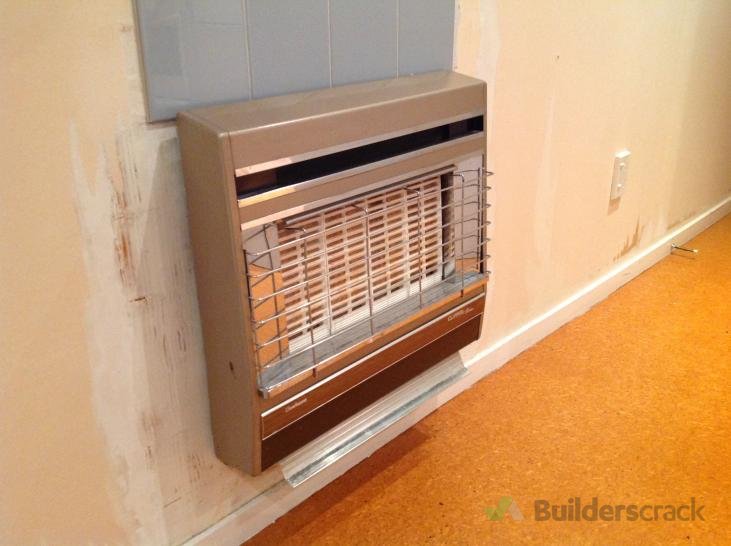
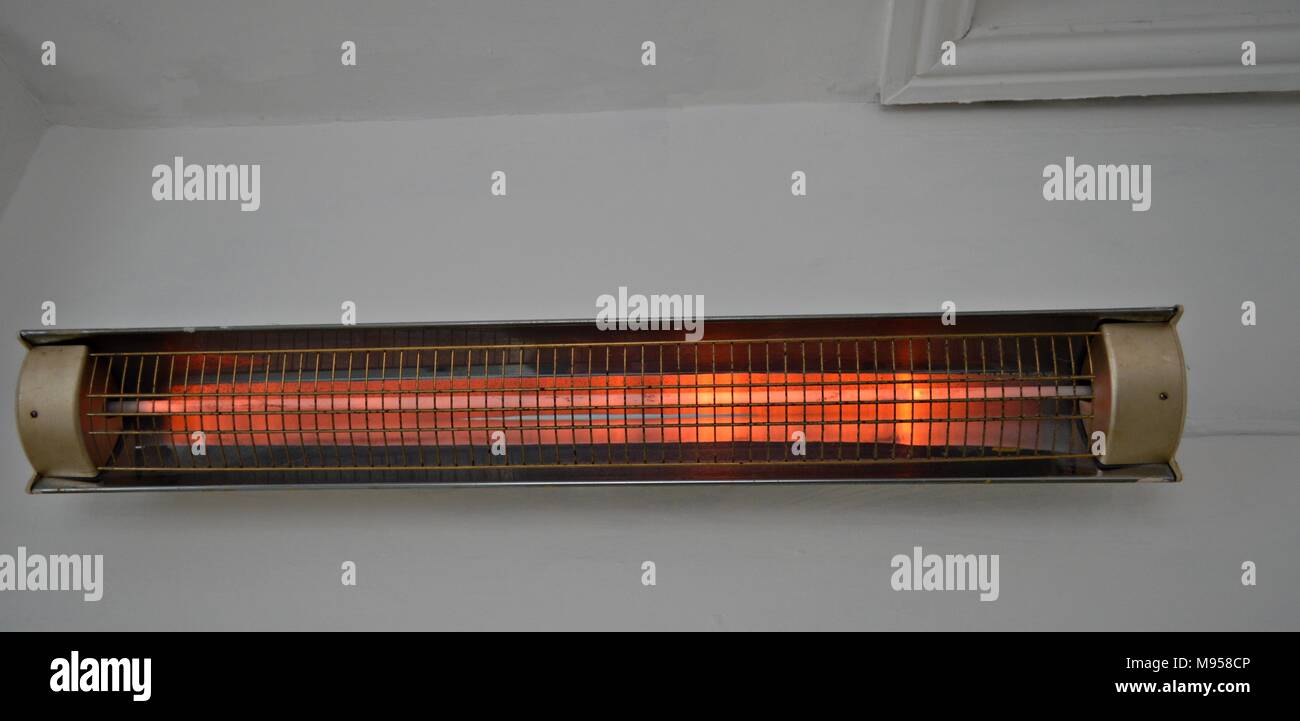
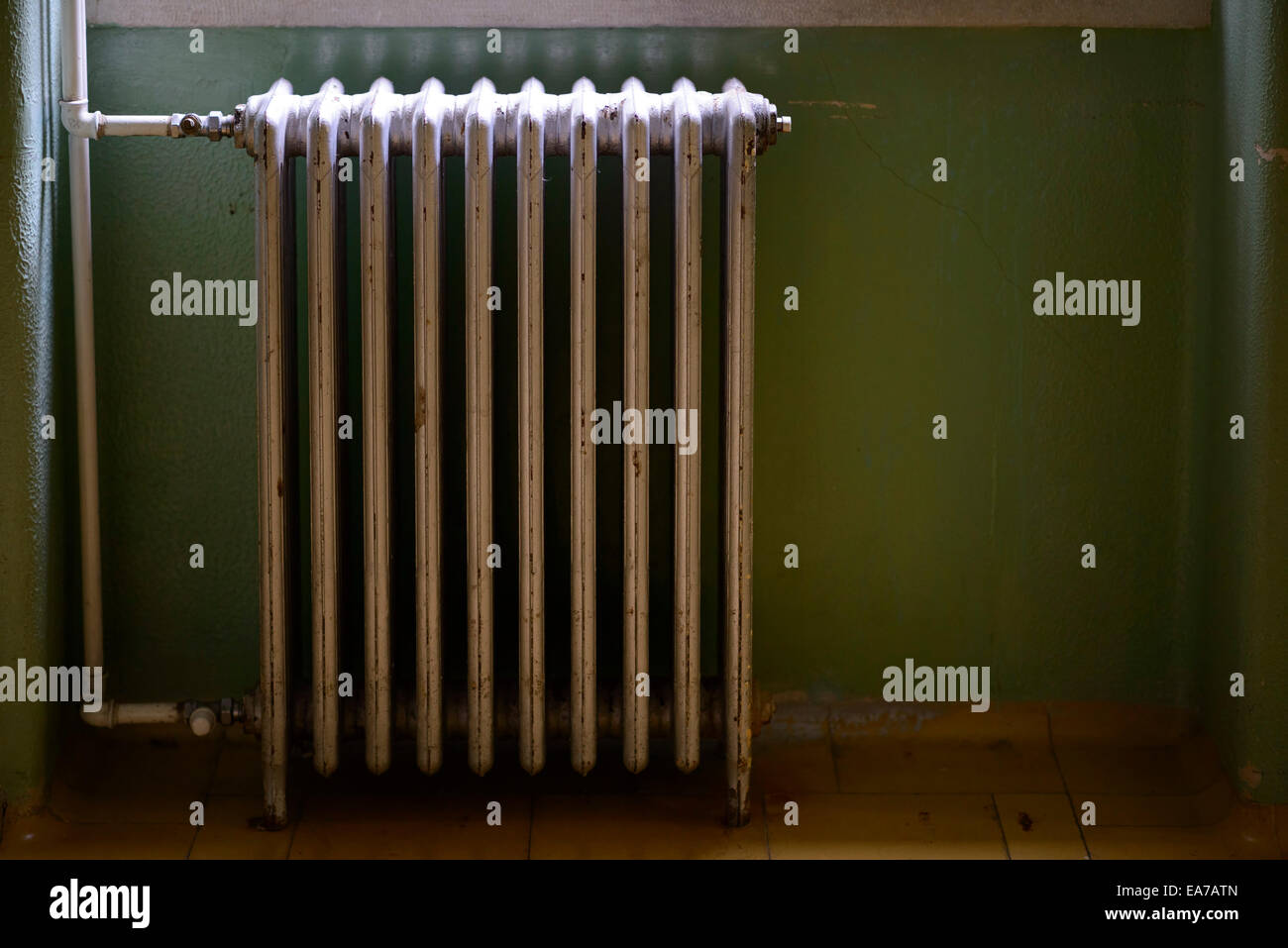
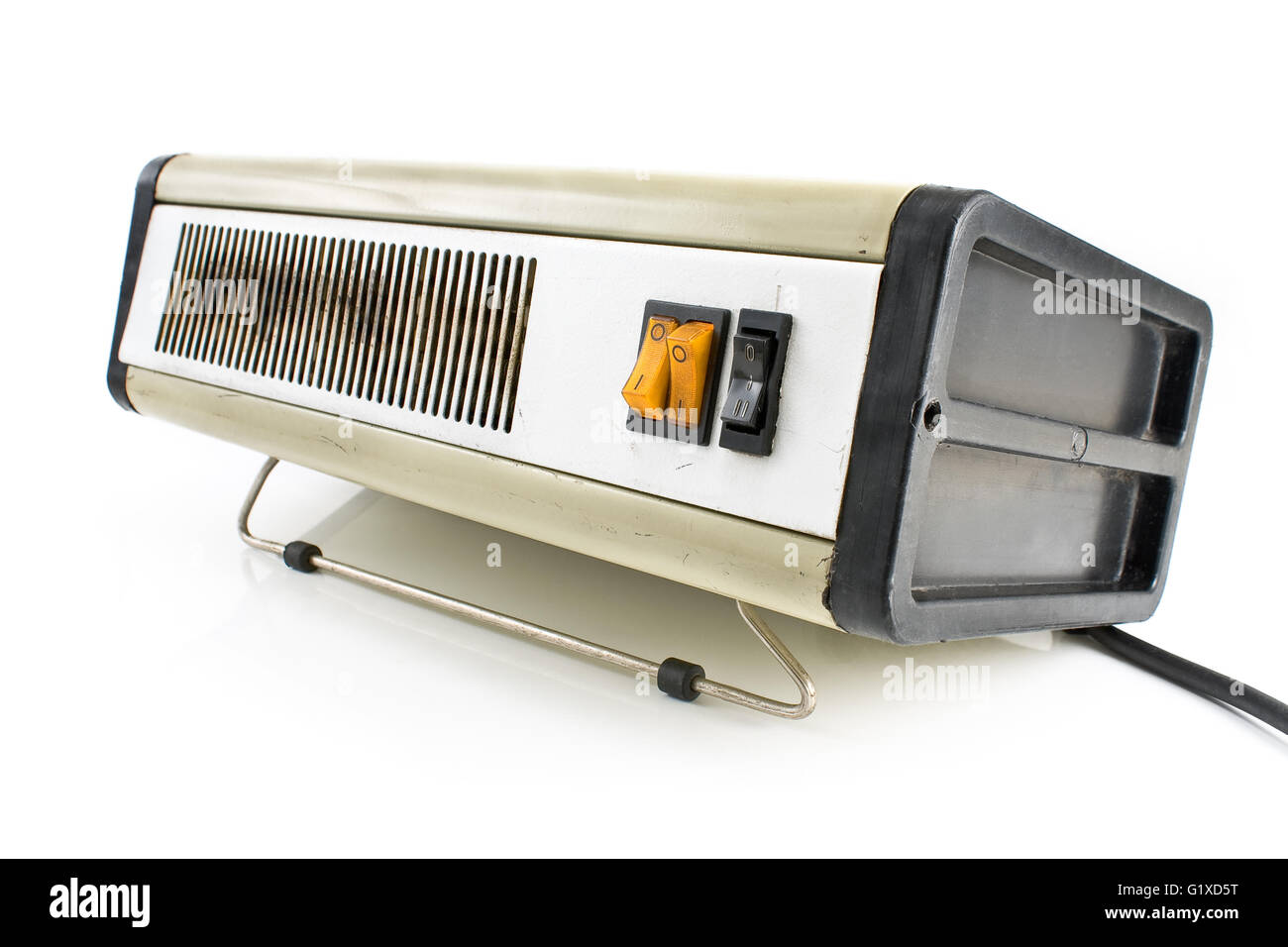
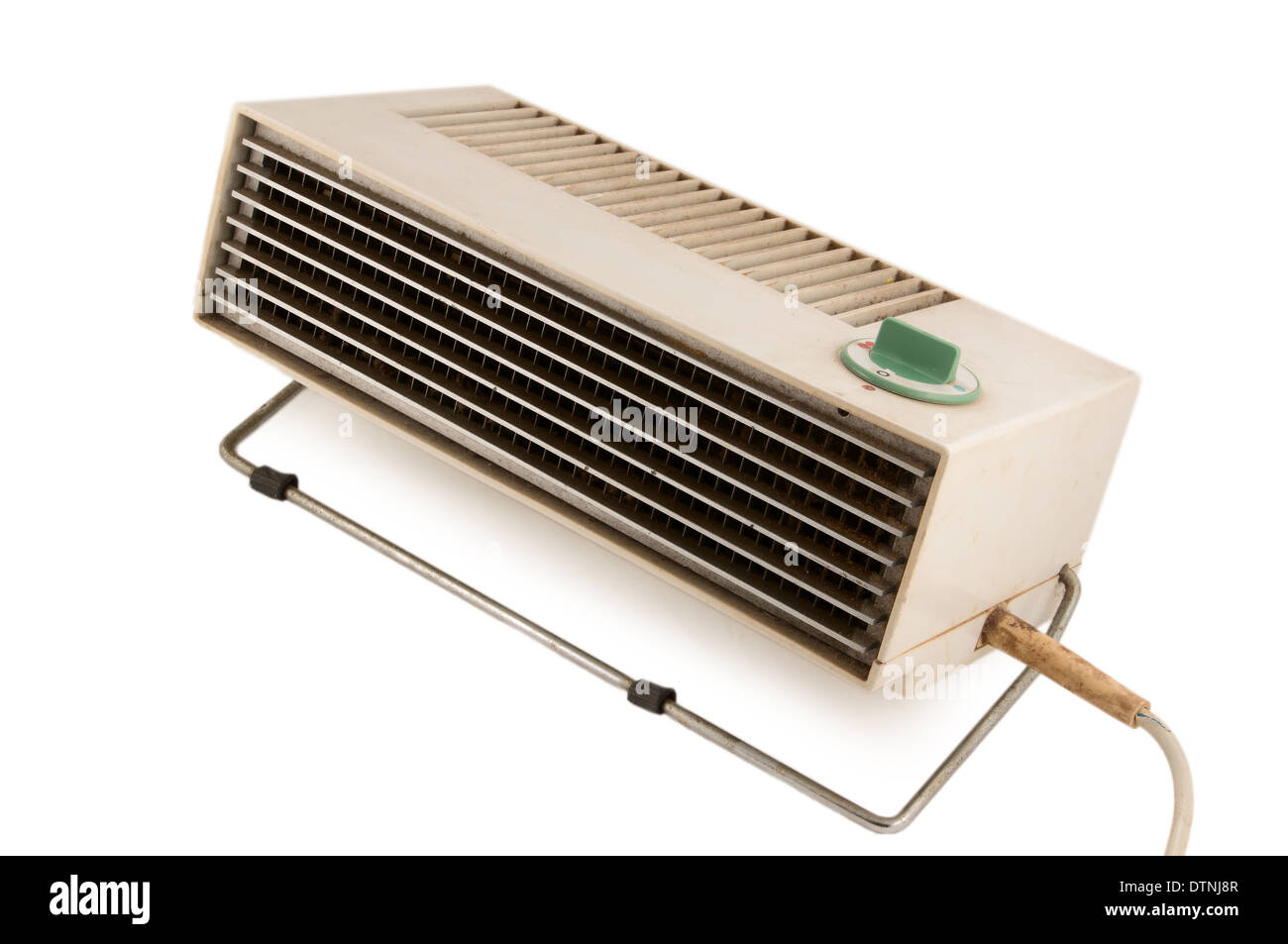
Old Wall Mounted Heater

Frequently Asked Questions About Old Wall Mounted Heaters
Old wall-mounted heaters, while providing heat for decades, often raise questions about their safety, efficiency, and maintenance. This FAQ addresses common concerns and offers practical advice for homeowners and facility managers dealing with these vintage heating systems.
1. Are old wall-mounted heaters safe to use?
Safety is a primary concern when dealing with older appliances. Generally, old wall-mounted heaters can be safe *if* they are properly maintained and inspected regularly. However, they also present some potential risks:
- Carbon Monoxide (CO) Leaks: Gas heaters, in particular, can leak CO if the venting system is compromised or the burner is not functioning correctly. Install a CO detector near the heater and test it regularly.
- Fire Hazards: Dust and debris accumulation around the heating element or vent can ignite. Regular cleaning is essential. Ensure there is sufficient clearance around the heater, keeping flammable materials away.
- Electrical Issues: Electric heaters may have frayed wiring or corroded connections, leading to electrical shocks or fires. Have a qualified electrician inspect the wiring and connections.
- Asbestos: Some older models, especially those manufactured before the 1980s, may contain asbestos in the insulation. Do not attempt to remove or disturb the insulation yourself. Contact a qualified asbestos abatement professional.
- Tip-Over Hazard: While wall-mounted, if the mounting is weak or damaged, the heater could detach and fall, posing a serious risk. Ensure the mounting is secure and appropriate for the weight of the heater.
Key takeaway: Regular inspections, maintenance, and functioning safety devices (CO detectors) are crucial for safe operation. If you have any doubts about the safety of your old wall-mounted heater, consult with a qualified HVAC technician.
2. How efficient are old wall-mounted heaters compared to modern ones?
In most cases, old wall-mounted heaters are significantly less efficient than modern heating systems. This lower efficiency translates to higher energy bills and a larger carbon footprint.
- Older Technology: Old heaters use older, less efficient heating elements or burners.
- Lack of Insulation: Older models often lack the advanced insulation found in modern heaters, leading to heat loss.
- No Thermostat or Inefficient Thermostats: Many older units have basic or non-existent thermostats, resulting in inconsistent heating and energy waste. Modern thermostats offer precise temperature control and programmable settings.
- Air Leaks: Gaps around the heater and vent can allow warm air to escape, further reducing efficiency.
- Pilot Lights: Gas heaters with standing pilot lights continuously consume gas, even when the heater is not actively heating. Modern units typically use electronic ignition, which only consumes energy when the heater is needed.
Consider these factors when evaluating efficiency: the age of the unit, its fuel type (gas or electric), and whether it has a thermostat. While a well-maintained older heater can still provide warmth, it's unlikely to match the efficiency of a modern, Energy Star-rated model. Upgrading to a new, energy-efficient heater can save you money in the long run and reduce your environmental impact.
3. What kind of maintenance do old wall-mounted heaters require?
Regular maintenance is crucial for the safe and efficient operation of old wall-mounted heaters. Here’s a breakdown of essential maintenance tasks:
- Cleaning: Regularly clean the heater's exterior and interior, including the heating element, vents, and surrounding areas. Use a vacuum cleaner with a brush attachment to remove dust, lint, and debris. Always disconnect the heater from the power source or shut off the gas supply before cleaning.
- Vent Inspection: Inspect the vent for blockages, damage, or corrosion. Clear any obstructions, such as bird nests or debris. Ensure the vent is properly connected and sealed to prevent carbon monoxide leaks. For gas heaters, have the venting system professionally inspected annually.
- Pilot Light (Gas Heaters): If your gas heater has a pilot light, check that it is burning with a steady blue flame. A yellow or flickering flame indicates a problem that needs to be addressed by a qualified technician.
- Electrical Connections (Electric Heaters): Inspect the wiring and electrical connections for signs of damage or corrosion. Tighten any loose connections. If you notice any frayed wires or other electrical issues, contact a qualified electrician immediately.
- Thermostat Calibration: Check the thermostat for accuracy. If the heater is not maintaining the desired temperature, the thermostat may need to be calibrated or replaced.
- Professional Inspection: Have your wall-mounted heater professionally inspected by a qualified HVAC technician at least once a year. The technician can identify potential problems and perform necessary repairs to ensure safe and efficient operation.
Important note: If you are not comfortable performing these maintenance tasks yourself, hire a qualified professional. Safety should always be your top priority.
4. How can I troubleshoot common problems with old wall-mounted heaters?
Here are some common problems and basic troubleshooting steps you can take *before* calling a professional:
- Heater Won't Turn On:
- Electric: Check the circuit breaker. Ensure the heater is plugged in securely. Test the outlet with another device. If it still doesn’t work, the heating element or wiring may be faulty.
- Gas: Make sure the gas supply is turned on. Check the pilot light (if applicable). If the pilot light is out, follow the manufacturer's instructions for relighting it.
- Heater Not Producing Enough Heat:
- Both: Clean the heating element and vents. Make sure there are no obstructions blocking airflow. Ensure the thermostat is set to the desired temperature.
- Unusual Noises:
- Both: Loose parts can cause rattling noises. Inspect the heater for loose screws or panels and tighten them. A humming noise could indicate a problem with the motor (if applicable).
- Burning Smell:
- Both: A burning smell is often caused by dust or debris burning off the heating element. Clean the heater thoroughly. If the smell persists, it could indicate a more serious problem, such as a wiring issue or a malfunctioning heating element. Turn off the heater and call a professional.
Disclaimer: These troubleshooting tips are for informational purposes only. If you are not comfortable working with electricity or gas, or if you suspect a serious problem, contact a qualified HVAC technician immediately.
5. When should I consider replacing my old wall-mounted heater?
While proper maintenance can extend the life of an old wall-mounted heater, there comes a time when replacement is the most sensible option. Consider replacement if:
- Frequent Repairs: If the heater requires frequent repairs, the cost of repairs can quickly outweigh the cost of a new unit.
- High Energy Bills: If your energy bills are consistently high, despite proper maintenance, the heater may be operating inefficiently.
- Safety Concerns: If you have safety concerns about the heater, such as carbon monoxide leaks or electrical hazards, replacement is the safest option.
- Age: Heaters over 15-20 years old are likely to be less efficient and more prone to problems.
- Availability of Parts: Parts for older models can become difficult or impossible to find, making repairs challenging.
- Desire for Improved Comfort and Control: Modern heaters offer features such as programmable thermostats, zone heating, and more precise temperature control, which can improve comfort and convenience.
Weigh the costs and benefits: Evaluate the cost of continued repairs and high energy bills against the cost of a new, energy-efficient heater. A new heater can save you money in the long run and provide a safer, more comfortable heating experience.
6. What are some modern alternatives to old wall-mounted heaters?
Several modern alternatives offer improved efficiency, safety, and control compared to old wall-mounted heaters:
- Electric Wall Heaters: Modern electric wall heaters are more energy-efficient and feature advanced safety features such as overheat protection. They come in various styles and sizes to suit different needs.
- Gas Wall Heaters: Modern gas wall heaters are also more efficient than older models, thanks to features such as electronic ignition and sealed combustion chambers. They are available in both vented and vent-free options.
- Mini-Split Heat Pumps: Mini-split heat pumps are a highly efficient and versatile option that can provide both heating and cooling. They are ductless, making them easy to install in rooms without existing ductwork.
- Baseboard Heaters: Modern baseboard heaters are more efficient and offer better temperature control than older models. They are a good option for providing supplemental heat in individual rooms.
- Portable Space Heaters: While not a permanent solution, portable space heaters can be a convenient option for heating small areas. Choose a model with safety features such as tip-over protection and overheat protection.
Consider your specific needs: The best alternative will depend on your heating needs, budget, and the layout of your home or facility. Consult with a qualified HVAC technician to determine the best option for your situation. They can assess your needs, recommend suitable replacements, and ensure proper installation.
7. Can I install a new wall-mounted heater myself?
Whether or not you can install a new wall-mounted heater yourself depends on several factors, including your experience with electrical or gas work, local building codes, and the type of heater you are installing.
- Electric Heaters: Installing an electric wall-mounted heater might seem straightforward, but it still involves working with electricity. If you are comfortable and experienced with basic electrical wiring, you *might* be able to handle the installation, but always prioritize safety. Ensure the circuit breaker is off before starting any work and follow the manufacturer's instructions carefully. If you are unsure, hire a qualified electrician.
- Gas Heaters: Installing a gas wall-mounted heater is generally *not* recommended for DIYers. Working with gas lines is inherently dangerous and requires specialized knowledge and tools. Improper installation can lead to gas leaks, explosions, and carbon monoxide poisoning. Always hire a licensed and qualified HVAC technician to install gas heaters.
- Building Codes and Permits: Many jurisdictions require permits for installing or replacing heating systems, regardless of whether they are electric or gas. Check with your local building department to determine the requirements in your area. Failure to obtain the necessary permits can result in fines and other penalties.
- Warranty: Improper installation can void the manufacturer's warranty. Hiring a qualified professional ensures that the heater is installed correctly and that the warranty remains valid.
Safety First: Even if you are experienced with electrical or gas work, it's always best to err on the side of caution and hire a qualified professional. The risks associated with improper installation are simply too great. Your safety and the safety of others depend on it.