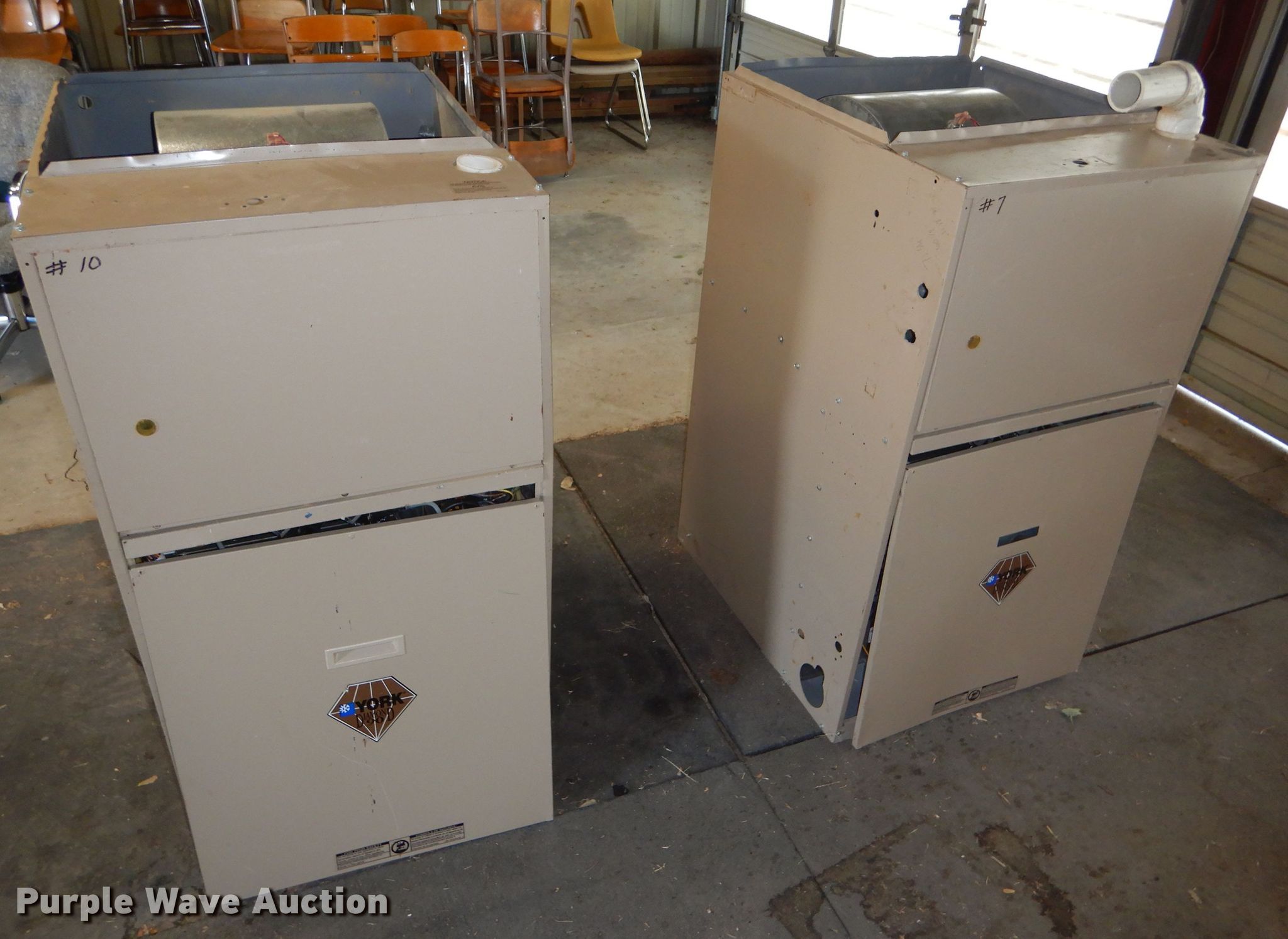
Old York Furnace Models

Decoding the Legacy: A Guide to Old York Furnace Models
York furnaces, known for their durability and longevity, have been warming homes for decades. But like any appliance, older models can experience issues and require maintenance. This guide will help you understand common problems with older York furnaces, offer DIY troubleshooting tips, and advise you on when it's time to call a qualified HVAC technician. We'll focus on identifying common models, troubleshooting frequent problems, and estimating potential repair costs. Remember, safety is paramount; always turn off the power to your furnace before attempting any repairs.
Identifying Your Old York Furnace Model
Before you can start troubleshooting, you need to know your furnace model number. This information is usually found on a data plate located inside the furnace cabinet. Look for a sticker or metal plate, often on the inner wall of the burner compartment or blower compartment. Key details to note are the model number, serial number, and BTU input rating. Having this information readily available will be crucial when ordering parts or discussing issues with a technician.
Common Old York Furnace Models
While specific model names and features vary, some common characteristics are shared among older York furnaces. These include:
- Gravity Furnaces: Very old (pre-1970s), these rely on natural convection and are easily identifiable by their large size and lack of a blower motor.
- Standing Pilot Furnaces: These models have a continuously burning pilot light.
- Electronic Ignition Furnaces: Utilizing spark ignition or hot surface igniters for a more efficient start.
- Single-Stage Furnaces: Operates at only one heat output level (on or off).
Essential Tools for Troubleshooting
Before diving into any repairs, gather the following tools:
- Screwdrivers (Phillips and flathead)
- Multimeter
- Wrench set
- Pliers
- Vacuum cleaner
- Safety glasses
- Work gloves
- Flashlight
Safety First: Always disconnect the power supply at the breaker box before working on your furnace. This prevents electric shock. If you smell gas, evacuate the premises immediately and call your gas company from a safe location.
Troubleshooting Common Issues
Here are some common problems you might encounter with your old York furnace, along with troubleshooting steps:
1. Furnace Won't Turn On
- Check the Thermostat: Ensure it's set to "heat" and the temperature is higher than the room temperature. Replace batteries if needed.
- Check the Circuit Breaker: Make sure the breaker for the furnace hasn't tripped. Reset it if necessary.
- Check the Emergency Shut-Off Switch: Ensure the emergency switch (usually located near the furnace or at the top of the basement stairs) is in the "on" position.
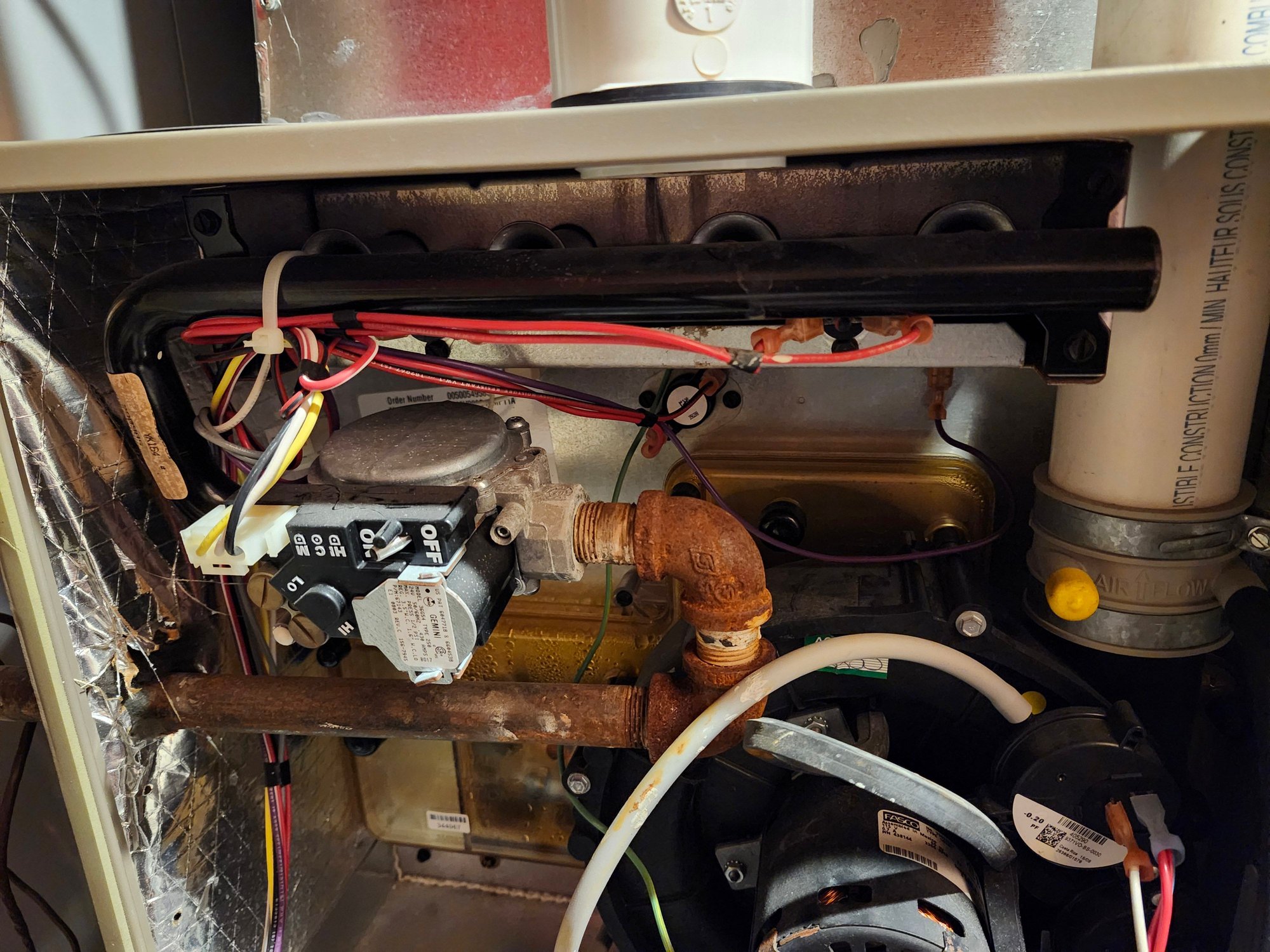
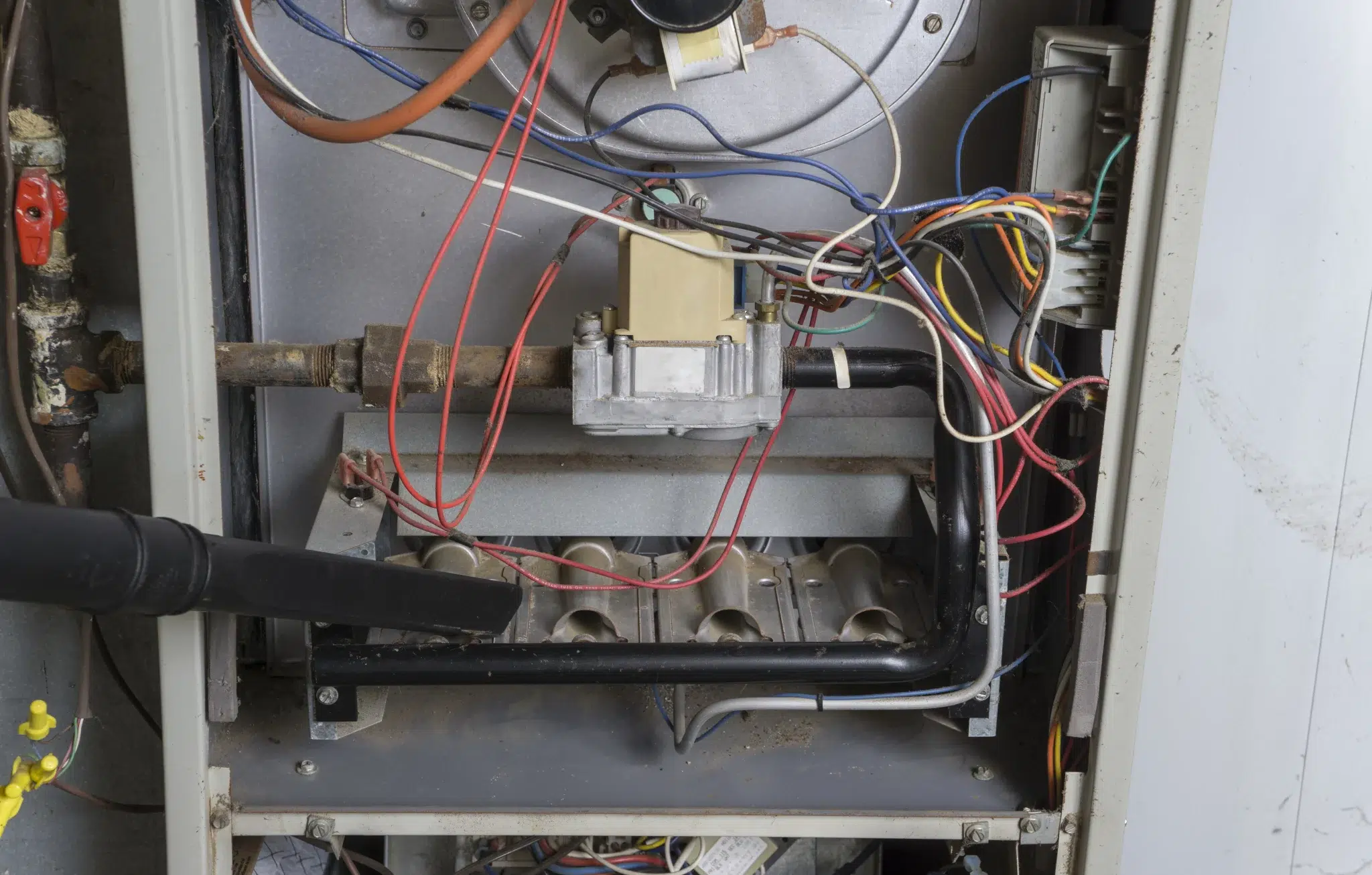
- Standing Pilot Issues: If your furnace has a standing pilot, make sure it's lit. If it's out, follow the manufacturer's instructions for relighting it. A dirty or malfunctioning thermocouple is a common cause of pilot light problems.
- Electronic Ignition Problems: For electronic ignition furnaces, listen for the igniter clicking or glowing. If there's no spark or glow, the igniter might be faulty and require replacement.
2. Furnace Turns On But Doesn't Produce Heat
- Check the Flame Sensor: A dirty flame sensor can prevent the furnace from staying lit. Clean it with fine steel wool.
- Check the Gas Valve: Ensure the gas valve is open. If you suspect a gas valve issue, call a professional immediately.
- Check the Blower Motor: Make sure the blower motor is running. If not, the motor might be faulty or the capacitor might be bad.
- Air Filter: A clogged air filter can restrict airflow and cause the furnace to overheat. Replace the air filter regularly (every 1-3 months).
3. Furnace Cycles On and Off Frequently (Short Cycling)
- Overheating: Short cycling can indicate overheating. Check the air filter and ensure vents are not blocked. A faulty high-limit switch could also be the culprit.
- Flame Sensor Issues: As mentioned before, a dirty or faulty flame sensor can cause short cycling.
- Incorrect Thermostat Placement: Ensure the thermostat is not located near a heat source.
4. Unusual Noises
- Rattling: Loose panels or debris in the blower compartment.
- Squealing: Worn blower motor bearings or a slipping blower belt (if applicable).
- Banging: Ductwork expanding and contracting or delayed ignition.
- Whistling: Air leaks in the ductwork.
Parts You Might Need
Depending on the issue, you might need to replace certain parts. Common replacement parts for old York furnaces include:
- Air filters
- Thermocouples
- Flame sensors
- Igniters
- Blower motors
- Blower motor capacitors
- Gas valves
- High-limit switches
- Thermostats
When ordering parts, have your furnace model number and serial number handy to ensure you get the correct replacements. Reliable online HVAC parts retailers can be a good resource. Verify the seller's credibility and return policy.
When to Call a Professional
While some basic troubleshooting and minor repairs can be handled by homeowners, certain situations require the expertise of a qualified HVAC technician. Always call a professional if:
- You smell gas.
- You suspect a gas leak.
- You are uncomfortable working with gas or electricity.
- You are unsure about the diagnosis or repair process.
- The furnace requires repairs involving the gas valve, heat exchanger, or other critical components.
Attempting complex repairs without proper training can be dangerous and could potentially damage your furnace or create a safety hazard. Remember that DIY repairs might void the remaining warranty on your furnace (if any).
Estimating Repair Costs
The cost of repairing an old York furnace can vary widely depending on the problem, the parts needed, and the labor rates in your area. Here are some rough estimates:
- Air Filter Replacement: $10 - $30 (DIY)
- Thermocouple Replacement: $50 - $150 (DIY or Professional)
- Flame Sensor Replacement: $50 - $150 (DIY or Professional)
- Igniter Replacement: $80 - $200 (DIY or Professional)
- Blower Motor Capacitor Replacement: $100 - $250 (Professional)
- Blower Motor Replacement: $300 - $800 (Professional)
- Gas Valve Replacement: $400 - $800 (Professional Only)
- High-Limit Switch Replacement: $150 - $300 (Professional)
These are just estimates, and it's always best to get a quote from a qualified HVAC technician. When obtaining quotes, ask for a breakdown of the costs, including parts and labor.
Preventative Maintenance Tips
Regular maintenance can help extend the lifespan of your old York furnace and prevent costly repairs. Here are some preventative maintenance tips:
- Change the Air Filter Regularly: This is the most important thing you can do to maintain your furnace.
- Inspect the Blower Motor: Check for dust buildup and lubricate the motor bearings if necessary (refer to the manufacturer's instructions).
- Inspect the Flue Pipe: Ensure the flue pipe is clear of obstructions and properly connected.
- Clean the Burners: Periodically clean the burners to remove any debris.
- Schedule a Professional Inspection: Have a qualified HVAC technician inspect your furnace annually.
Weighing Repair vs. Replacement
At some point, the cost of repairing an old furnace might outweigh the benefits. Consider these factors when deciding whether to repair or replace your old York furnace:
- Age of the Furnace: Furnaces typically last 15-20 years. If your furnace is nearing the end of its lifespan, replacement might be a better option.
- Repair Costs: If the repair costs are more than 50% of the cost of a new furnace, replacement might be more economical.
- Energy Efficiency: Older furnaces are typically less energy-efficient than newer models. A new furnace can save you money on your energy bills.
- Availability of Parts: Finding replacement parts for very old furnaces can be difficult and expensive.
A qualified HVAC technician can help you assess the condition of your furnace and determine whether repair or replacement is the best option. Upgrading to a newer, more efficient furnace can provide improved comfort, lower energy bills, and greater peace of mind.
By understanding the common problems associated with old York furnaces and following these troubleshooting and maintenance tips, you can keep your furnace running efficiently and safely for years to come. Remember to prioritize safety and consult a professional when necessary.