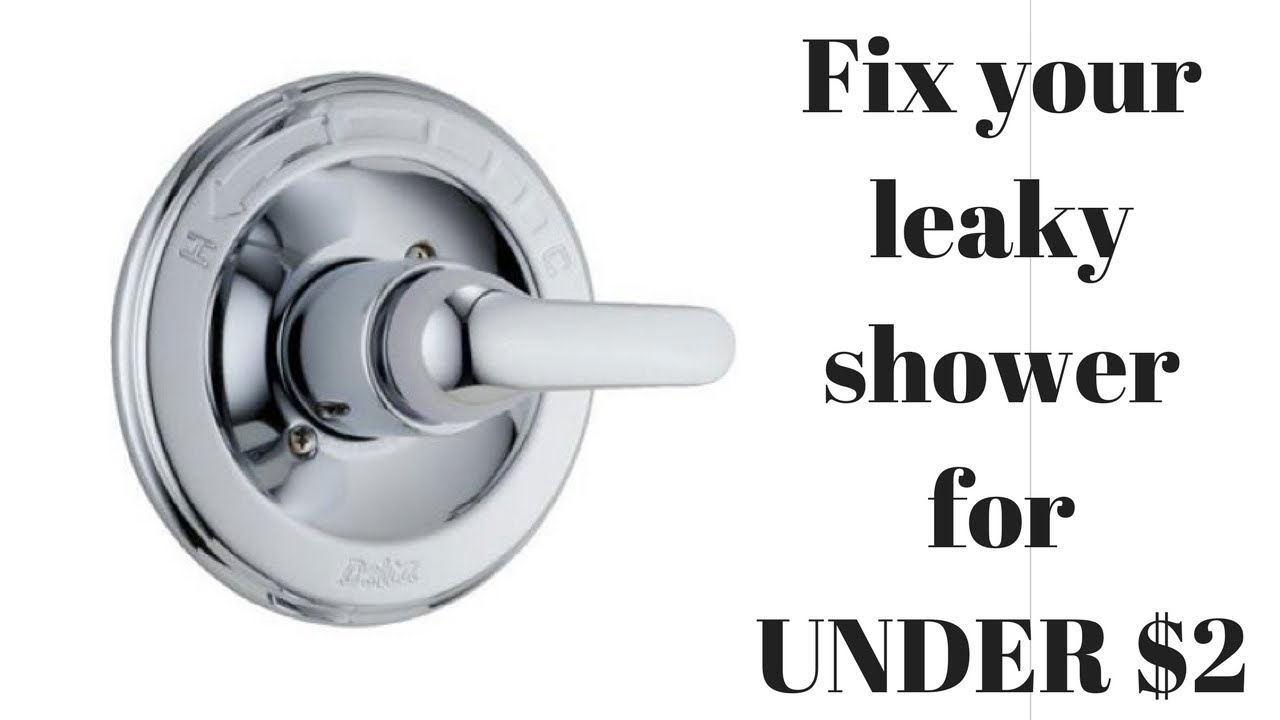
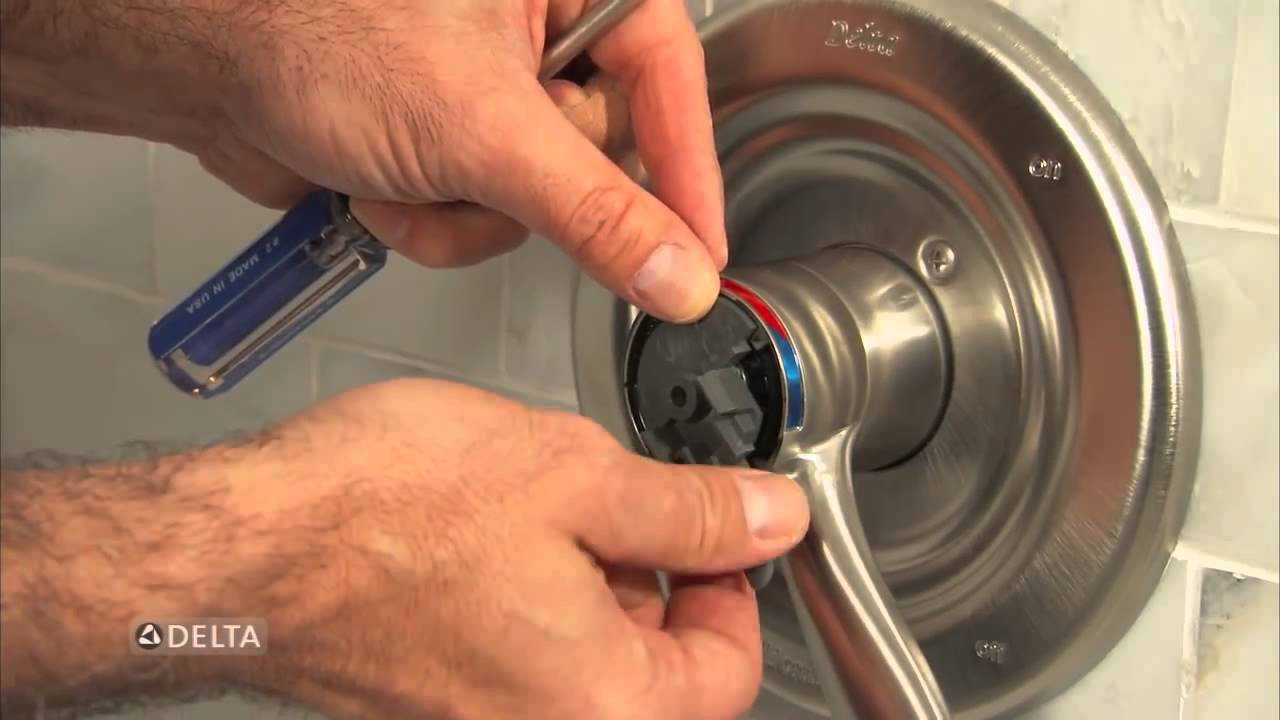
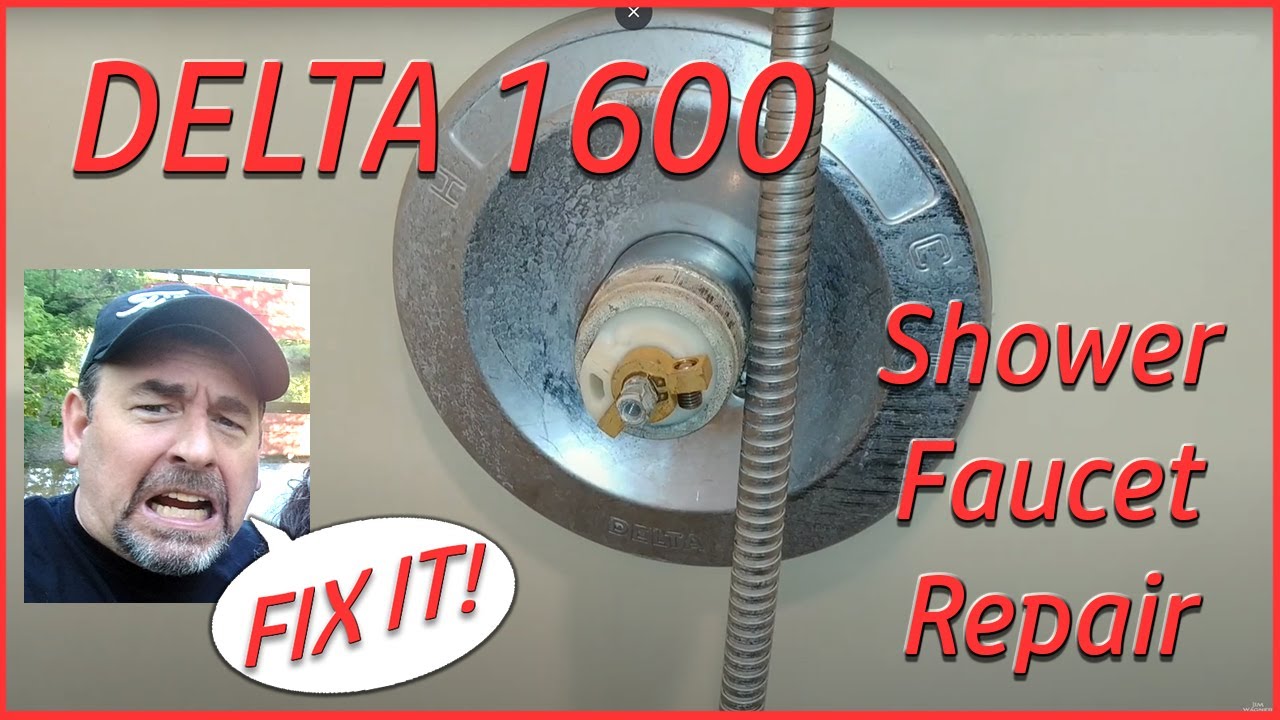
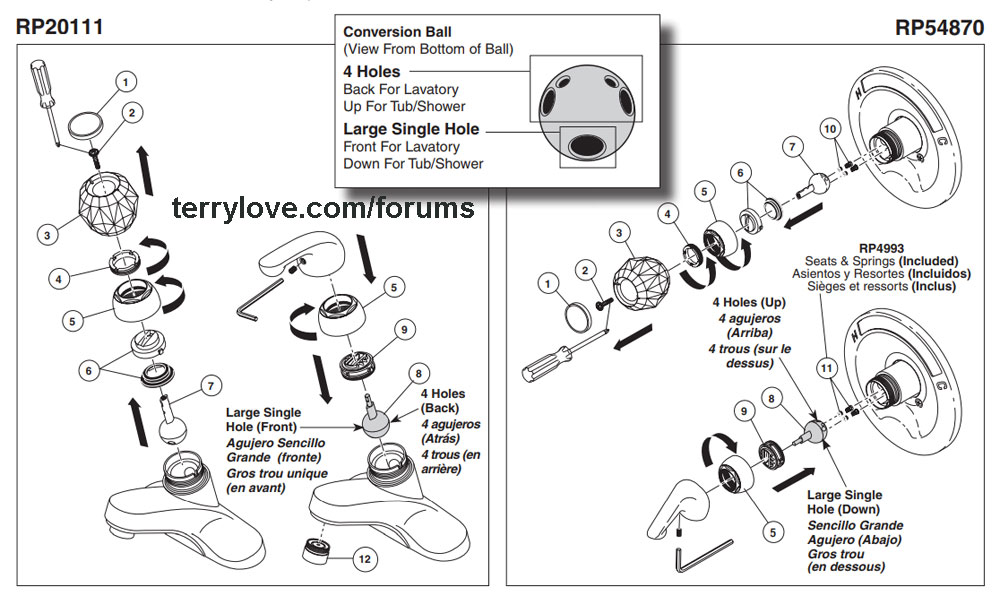
Older Delta Single Handle Shower Faucet
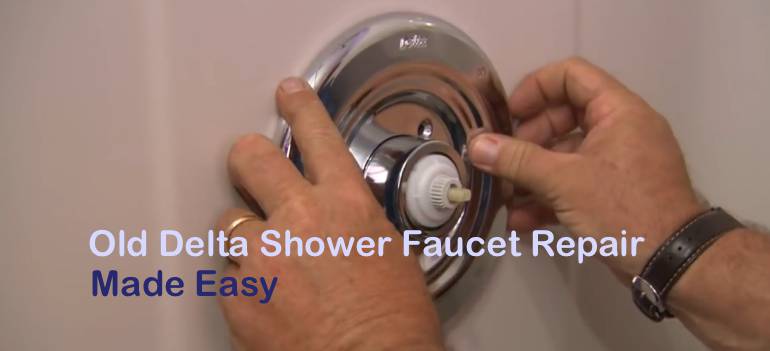
Is that older Delta single-handle shower faucet secretly draining your wallet and contributing to water waste? You might be surprised. While seemingly simple, older shower fixtures can be significant culprits in energy inefficiency. This article dives into the energy and water consumption of older Delta single-handle shower faucets and provides practical solutions to upgrade to more sustainable and cost-effective options.
Understanding the Problem: Older Delta Faucet Inefficiency
Delta, a well-known brand, has been manufacturing shower faucets for decades. Older models, while durable, often lack the water-saving technologies found in newer, more efficient faucets. These older faucets can contribute to energy waste in two primary ways:
- High Flow Rates: Older showerheads typically have higher flow rates than modern, WaterSense-certified models. Flow rate is measured in gallons per minute (GPM). A pre-1992 showerhead could easily use 5 GPM or more. In comparison, WaterSense-certified showerheads are capped at 2.0 GPM, representing a significant reduction. The Delta single handle faucet, when older and unrated can be one of the largest wastes in a household.
- Lack of Temperature Control: Inconsistent temperature control means you're more likely to waste hot water while adjusting to the desired temperature. Older mixing valves may also be less precise, leading to temperature fluctuations and more wasted water.
The consequences of these inefficiencies are multi-faceted:
- Increased Water Bills: More water usage directly translates to higher water bills.
- Higher Energy Bills: Heating water accounts for a significant portion of your energy bill. Wasting hot water means you're using more energy to heat replacement water.
- Environmental Impact: Wasting water strains local water resources and contributes to the energy needed to treat and distribute water.
Quantifying the Waste: A Practical Example
Let's consider a family of four, each taking a 10-minute shower daily with an older Delta shower faucet with a flow rate of 5 GPM. That's 200 gallons of water per day, or 73,000 gallons per year. If half of that water is heated, and we estimate the cost of heating water at $0.04 per gallon (a conservative estimate, depending on your energy source), the annual cost of heating the shower water would be $1,460.
Now, compare that to a WaterSense-certified showerhead with a 2.0 GPM flow rate. The same family would use only 29,200 gallons of water per year, with a heated water cost of $584. The difference: a whopping $876 in annual savings. This figure doesn't even account for the savings on the water bill itself!
Upgrading to a WaterSense-Certified Delta Faucet
The most direct solution is to upgrade your older Delta single-handle shower faucet to a WaterSense-certified model. These faucets meet strict EPA criteria for water efficiency and performance. Look for the WaterSense label when shopping. Delta offers a variety of WaterSense-certified single-handle shower faucets with features like:
- Reduced Flow Rates: As mentioned, WaterSense showerheads are capped at 2.0 GPM.
- Pressure Compensation: Maintains consistent water pressure even with fluctuations in the water supply.
- Improved Spray Performance: Delivers a satisfying shower experience even with reduced flow rates.
Installing a new Delta single-handle shower faucet is generally a straightforward DIY project for experienced homeowners. However, if you're uncomfortable with plumbing, it's best to hire a qualified plumber. The ROI on a new WaterSense showerhead is typically quite high, with payback periods often measured in months.
Understanding WaterSense Certification
The WaterSense label, backed by the EPA, signifies that a product meets specific criteria for water efficiency and performance. For showerheads, this means a maximum flow rate of 2.0 GPM and a commitment to delivering a satisfactory shower experience. Products undergo rigorous testing to ensure they meet these standards.
Beyond the Faucet: Smart Home Integration and Advanced Technologies
For homeowners embracing smart home technology, integrating your shower system with smart features can unlock even greater energy savings and convenience. Consider these options:
- Smart Shower Systems: Some smart shower systems allow you to pre-set your desired water temperature and flow rate, minimizing wasted water during warm-up. They may also offer features like pause functions and timers to further reduce water consumption.
- Smart Water Leak Detectors: These devices can detect leaks in your plumbing system, including leaky shower faucets, and alert you to the problem before it escalates. This can prevent significant water damage and wasted water.
- Integration with Smart Thermostats: While not directly related to the shower faucet itself, integrating your water heater with a smart thermostat can optimize water heating schedules and further reduce energy consumption. Some smart thermostats can even learn your showering habits and adjust water heating accordingly.
While the upfront cost of smart shower systems and leak detectors can be higher, the long-term savings on water and energy bills, coupled with the added convenience and peace of mind, can make them a worthwhile investment.
Energy-Efficient Water Heating: A Crucial Complement
Upgrading your shower faucet is only part of the equation. To maximize energy savings, it's essential to ensure you have an efficient water heating system. Consider these options:
- Tankless Water Heaters: Tankless water heaters heat water on demand, eliminating the standby heat loss associated with traditional tank water heaters. This can result in significant energy savings, especially for households with irregular hot water usage patterns.
- Heat Pump Water Heaters: Heat pump water heaters use electricity to transfer heat from the surrounding air to the water, making them much more energy-efficient than traditional electric resistance water heaters. They are often eligible for rebates and incentives.
- Proper Insulation: Insulating your hot water pipes can reduce heat loss and improve the efficiency of your water heating system.
Consult with an HVAC contractor to determine the best water heating solution for your specific needs and budget. Remember to consider the size of your household, your hot water usage patterns, and available rebates and incentives.
Rebates and Incentives
Many utility companies and government agencies offer rebates and incentives for installing WaterSense-certified fixtures and energy-efficient water heating systems. Check with your local utility company and state energy office to see what programs are available in your area. These rebates can significantly reduce the upfront cost of upgrading your shower faucet and water heater, making it an even more attractive investment. For example, some cities have offered hundreds of dollars in rebates for switching to high efficiency showerheads. Researching these options can help you maximize your ROI and make your upgrade more affordable.
Navigating the Rebate Landscape
Finding rebates can be a little tricky, but start with these resources:
- Energy Star Website: The Energy Star website (www.energystar.gov) has a rebate finder tool that allows you to search for rebates by zip code and product type.
- DSIRE Website: The Database of State Incentives for Renewables & Efficiency (DSIRE) is a comprehensive database of state and federal incentives for energy efficiency and renewable energy.
- Local Utility Companies: Contact your local water and energy utility companies directly to inquire about available rebates and incentives.
The Role of HVAC Contractors
HVAC contractors play a vital role in helping homeowners and businesses transition to more sustainable and energy-efficient systems. When selecting an HVAC contractor, look for someone with experience in installing WaterSense-certified fixtures and energy-efficient water heating systems. Ask about their knowledge of available rebates and incentives. A good contractor can assess your specific needs and recommend the best solutions for your budget.
Benefits of Working with an HVAC Professional
Here are some advantages to consider:
- Expert Guidance: Receive professional advice on selecting the right fixtures and equipment for your needs.
- Proper Installation: Ensure your new fixtures and equipment are installed correctly, maximizing their efficiency and lifespan.
- Warranty Support: Benefit from warranty coverage and ongoing support for your new systems.
Conclusion: A Small Change, a Big Impact
Upgrading an older Delta single-handle shower faucet to a WaterSense-certified model, coupled with an efficient water heating system, is a simple yet effective way to reduce your energy and water bills, conserve resources, and contribute to a more sustainable future. By embracing smart home technologies and taking advantage of available rebates and incentives, you can further enhance your savings and create a more comfortable and eco-friendly home.
Don't underestimate the power of a seemingly small change. Replacing that old shower faucet is an investment that pays dividends in the form of lower bills, a smaller environmental footprint, and a more enjoyable shower experience. It is truly an investment in your home, environment and financial future.
Remember to always consult a qualified professional for any plumbing or electrical work. It is always best to check local codes before working on your home.