On Off Switch On Outside Ac Unit
Frequently Asked Questions: On/Off Switch for Your Outdoor AC Unit
This article addresses common questions regarding the on/off switch located near your outdoor air conditioning (AC) unit. Understanding this switch is crucial for safety, maintenance, and troubleshooting.
Question 1: What is the purpose of the on/off switch located outside near my AC unit?
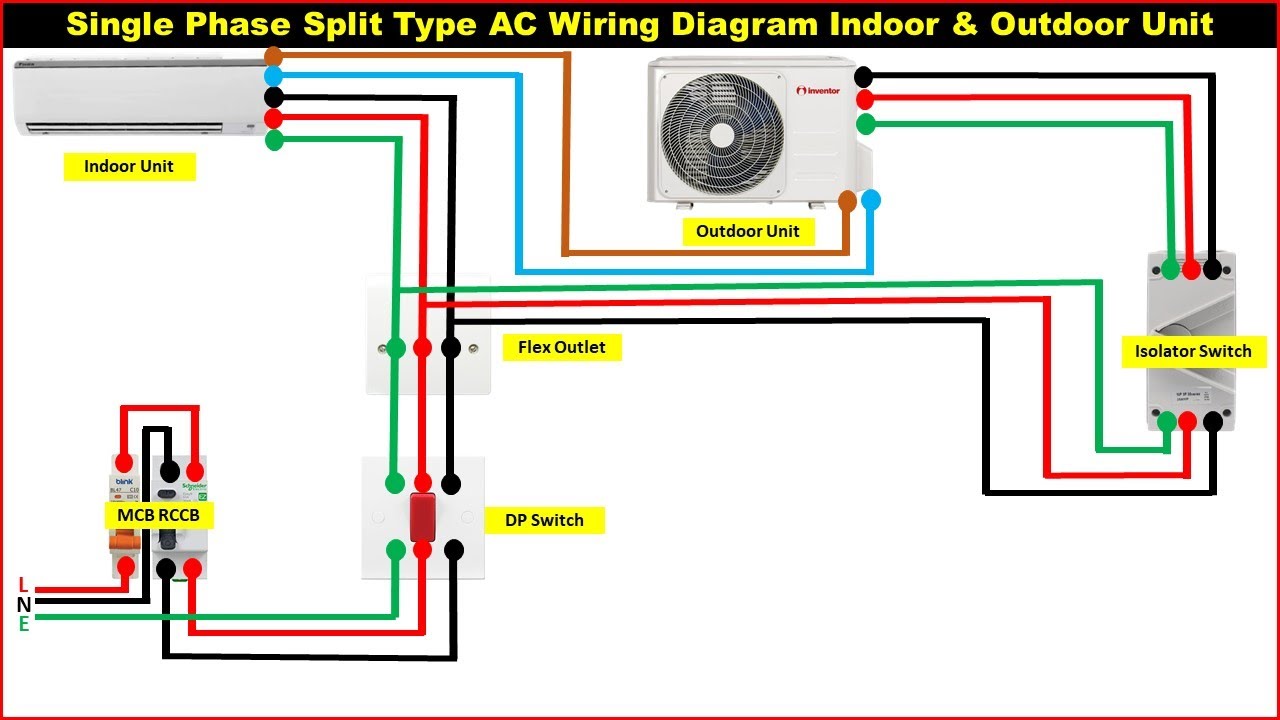
The on/off switch, often referred to as a disconnect switch or service disconnect, is a safety device designed to completely shut off electrical power to your outdoor AC unit. Its primary purpose is to allow technicians to safely service or repair the unit without the risk of electric shock. Think of it as a circuit breaker specifically for your AC's outdoor component. It's a crucial safety feature.
Question 2: Where exactly is this switch typically located?
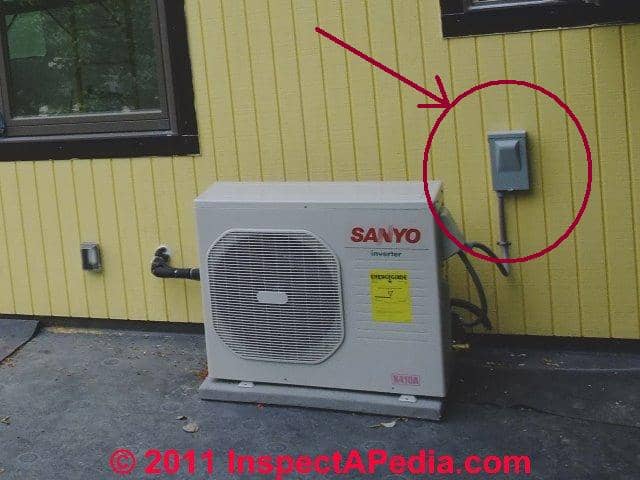
The on/off switch is almost always found outside, in close proximity to the outdoor AC unit (the condenser). It's usually mounted on the wall of your house or on a post near the unit. Look for a small, metal or plastic box with a lever or a pull-out handle. Some common locations include:
- Attached to the exterior wall of your home, within a few feet of the AC unit.
- Mounted on a post or stand directly next to the AC unit.
- Sometimes, it might be integrated into the AC unit itself, though this is less common.
If you're having trouble finding it, carefully follow the electrical conduit (the metal or plastic pipe) that runs from your house to the AC unit. The switch will usually be located along this path.
Question 3: What does the switch look like? What are the different types?
The appearance of the AC disconnect switch can vary slightly, but they all serve the same function. Here are a few common types:
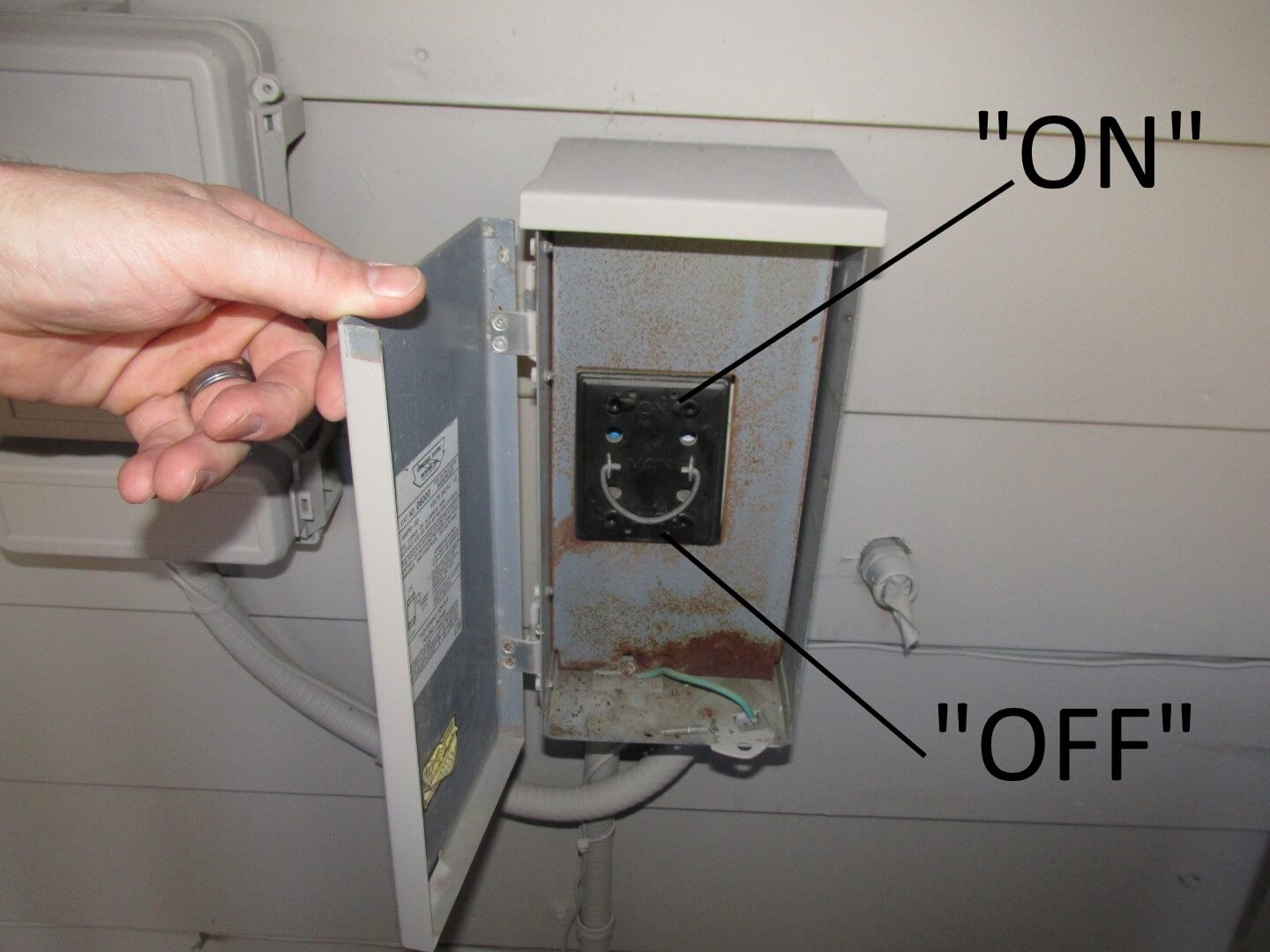
- Pull-Out Disconnect: This type has a cartridge or block that you physically pull out to disconnect the power. It's often bright red or yellow for visibility. To turn the power back on, you simply re-insert the cartridge.
- Toggle Switch Disconnect: This type looks like a larger version of a light switch, with a lever that you flip up or down to turn the power on or off.
- Circuit Breaker Disconnect: This type integrates a small circuit breaker within the disconnect box. You'll see a lever similar to a standard circuit breaker in your electrical panel.
Regardless of the type, the switch should be clearly labeled. Look for markings like "AC Disconnect," "Service Disconnect," or simply "On/Off."
Question 4: When should I use the on/off switch? What are the benefits of using it?
Using the on/off switch provides several important benefits and is crucial in specific situations:
- During Maintenance and Repairs: Always turn off the power to your AC unit using the disconnect switch before performing any maintenance, cleaning, or repairs. This prevents the risk of electric shock. This is the most important reason to know about and use this switch.
- During Severe Weather: If you anticipate a severe storm with lightning, it's a good idea to turn off the AC unit at the disconnect switch. Lightning strikes can damage the unit's electrical components.
- Extended Periods of Non-Use: If you're leaving your home for an extended period (e.g., vacation) and won't be using the AC, turning off the power at the disconnect switch can save energy and protect the unit from power surges.
- Troubleshooting: If you suspect a problem with your AC unit (e.g., strange noises, not cooling properly), turning off the power at the disconnect switch is a good first step before calling a technician. This can help prevent further damage.
Benefits of Using the Switch:
- Enhanced Safety: Prevents electric shock during maintenance and repairs.
- Equipment Protection: Shields the AC unit from power surges and lightning strikes.
- Energy Savings: Reduces energy consumption during periods of non-use.
Question 5: Is it safe for me to use the on/off switch myself, or should I always call a professional?
Yes, it is generally safe for homeowners to use the on/off switch. However, it's important to follow some basic safety precautions:
- Dry Hands: Ensure your hands are completely dry before touching the switch.
- Visual Inspection: Before operating the switch, visually inspect it for any signs of damage, such as cracks, corrosion, or exposed wires. If you notice any damage, do not touch the switch and call a qualified electrician.
- Firm Grip: Use a firm and steady grip when operating the switch. Avoid forcing it.
- No Standing Water: Make sure there is no standing water around the AC unit or the switch.
When to Call a Professional:
- If you are uncomfortable operating the switch.
- If you notice any damage to the switch or the wiring.
- If you are unsure about any aspect of the process.
Remember, when in doubt, it's always best to err on the side of caution and call a qualified electrician.
Question 6: What happens if I don't turn off the switch before working on the AC unit?
Failure to turn off the disconnect switch before working on your AC unit can be extremely dangerous and potentially fatal. You risk severe electric shock, which can cause serious injury or death. The AC unit contains high-voltage components that can deliver a powerful electric shock even when the unit is not actively running. Always prioritize your safety and turn off the power at the disconnect switch before performing any maintenance or repairs. This is non-negotiable. Furthermore, working on an energized unit can damage the unit itself.
Question 7: My AC unit isn't working, should I just turn the switch off and back on to try and fix it?
While turning the disconnect switch off and back on can sometimes reset the AC unit's system and resolve minor issues, it shouldn't be the first and only thing you try, and it's certainly not a guaranteed fix. Think of it as a very basic form of troubleshooting.
Here's a more detailed approach:
- Check the Thermostat: Make sure your thermostat is set to "cool" and the temperature is set lower than the current room temperature. Often, simple thermostat settings are the culprit.
- Check the Breaker in Your Electrical Panel: Before touching the outdoor disconnect switch, check the circuit breaker in your main electrical panel that controls the AC unit. A tripped breaker is a common cause of AC failure. If the breaker is tripped, reset it. If it trips again immediately, there's a serious electrical issue, and you should call a qualified electrician.
- Inspect the Outdoor Unit: Look for any obvious signs of damage to the outdoor unit, such as debris blocking the fan, damaged wiring, or ice buildup on the coils.
- Try the Disconnect Switch (Cautiously): If the thermostat and breaker are fine, you can try turning the disconnect switch off for a few minutes and then back on. This will reset the unit's electrical system. Wait at least 5 minutes before turning it back on to allow any built-up pressure to dissipate.
- Monitor and Observe: After turning the switch back on, monitor the AC unit to see if it starts working properly. Listen for any unusual noises or observe any abnormal behavior.
- Call a Professional if Problems Persist: If the AC unit still doesn't work after trying these steps, it's time to call a qualified HVAC technician. There may be a more serious underlying problem that requires professional diagnosis and repair.
Important Considerations:
- Repeated Tripping: If the circuit breaker for your AC unit trips repeatedly, this indicates a serious electrical problem that needs professional attention. Do not keep resetting the breaker, as this can damage your electrical system and create a fire hazard.
- Unusual Noises: If you hear any unusual noises coming from the AC unit, such as grinding, rattling, or hissing, turn off the disconnect switch immediately and call a technician.
In summary, using the disconnect switch as a troubleshooting step is acceptable after you've ruled out simpler explanations like thermostat settings and tripped breakers. If the problem persists, it's best to call a professional.