One Way Ceiling Cassette Mini Split

One-Way Ceiling Cassette Mini Splits: A Deep Dive for HVAC Professionals and Employers
As the HVAC industry evolves, staying ahead of emerging technologies is crucial for both professionals and employers. One such technology gaining significant traction is the one-way ceiling cassette mini split system. This article provides a comprehensive overview of these systems, covering their functionality, applications, installation considerations, career opportunities, and industry trends.
Understanding One-Way Ceiling Cassette Mini Splits
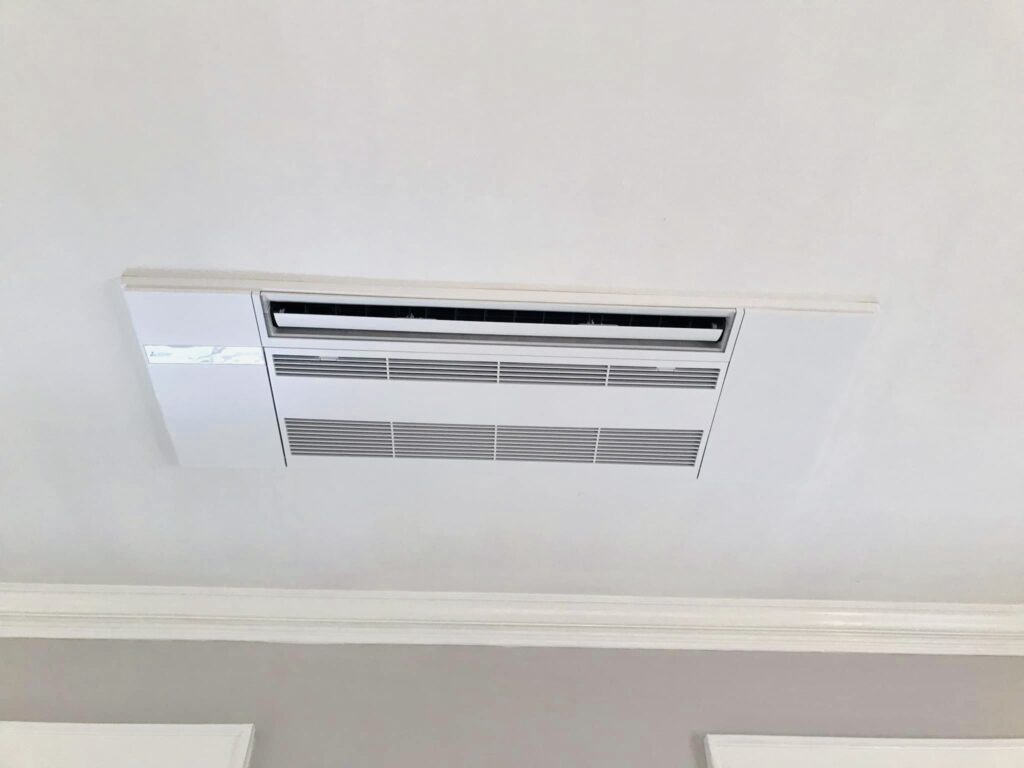
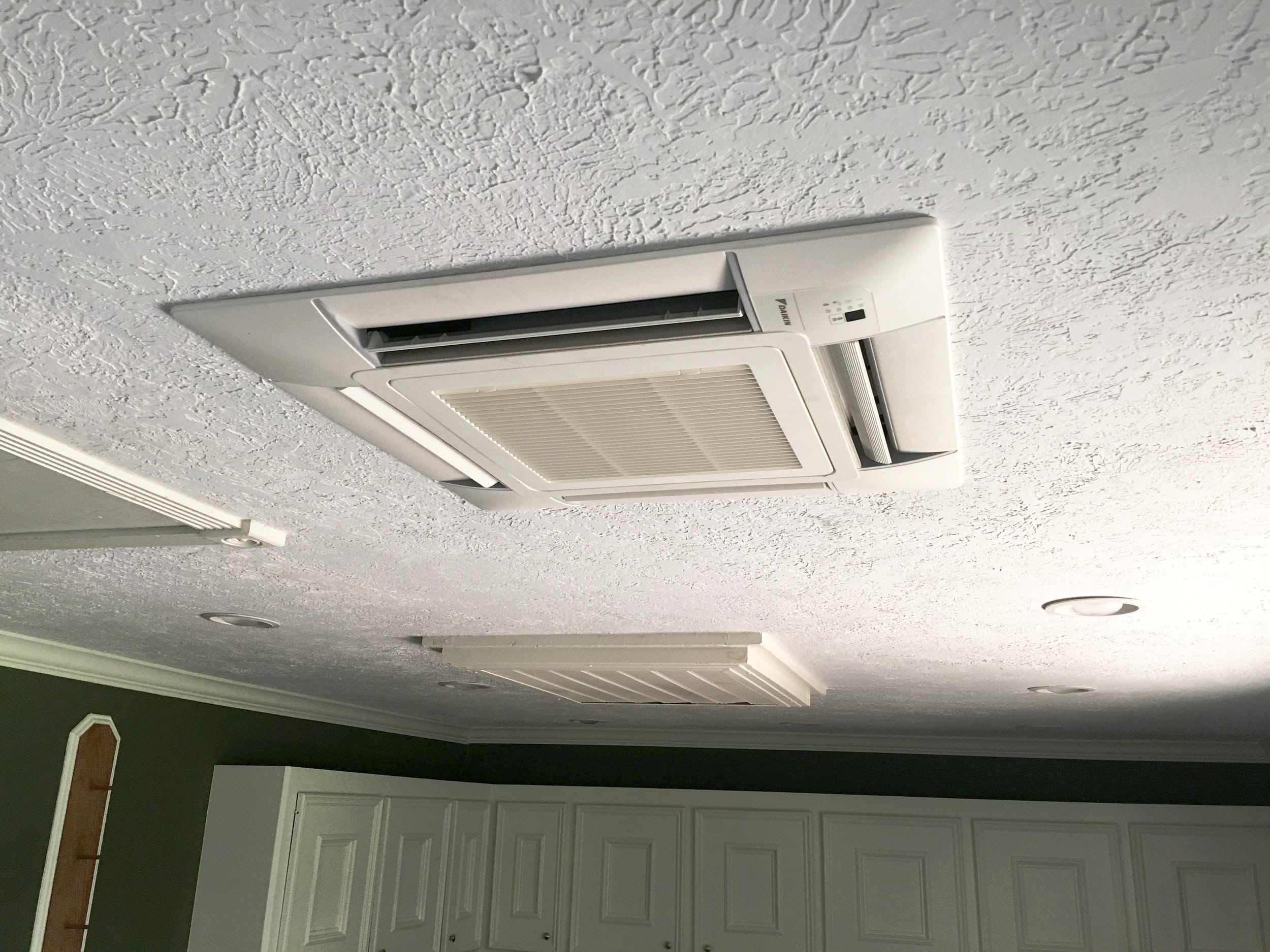
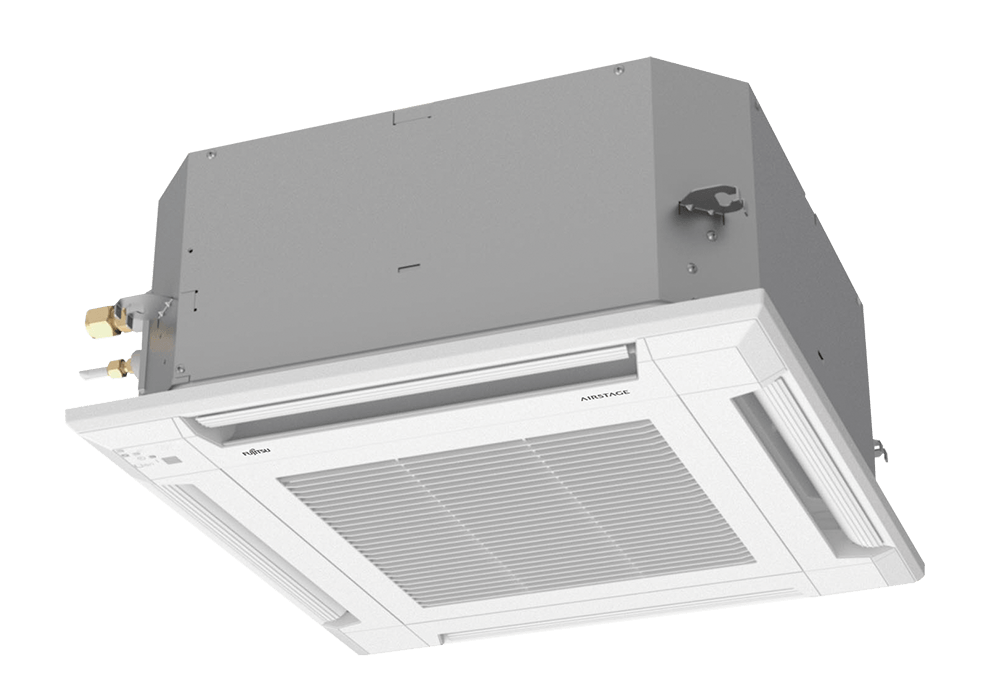
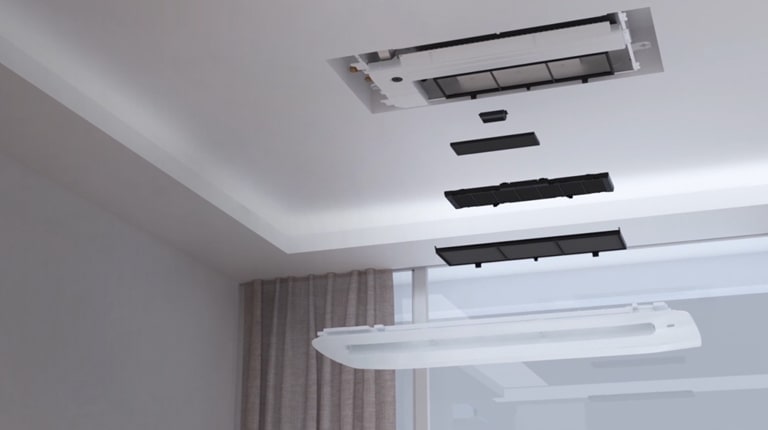
A one-way ceiling cassette mini split is a type of ductless heating and cooling system primarily designed for smaller spaces needing directional airflow. Unlike traditional four-way ceiling cassettes that distribute air in all directions, the one-way cassette directs airflow in a single, concentrated stream. This makes them ideal for applications where specific areas require more focused heating or cooling, such as hallways, narrow retail spaces, or office reception areas.
Key Features:
- Directed Airflow: The primary advantage is its ability to deliver air in a single direction, maximizing comfort in targeted zones.
- Space Saving: Ceiling-mounted design frees up wall and floor space.
- Energy Efficiency: Mini-split systems, in general, offer higher energy efficiency compared to traditional ducted systems, with some models boasting SEER ratings of 20 or higher.
- Quiet Operation: Many models are designed for quiet operation, minimizing noise disruption.
- Ease of Installation: Generally easier and less disruptive to install than ducted systems, although professional installation is still highly recommended.
Applications and Use Cases
One-way ceiling cassette mini splits are particularly well-suited for:
- Small Retail Spaces: Providing focused cooling to checkout areas or specific product displays.
- Office Spaces: Targeting individual workstations or meeting rooms.
- Hallways and Corridors: Efficiently heating or cooling long, narrow spaces.
- Residential Applications: Smaller apartments, additions, or sunrooms where targeted airflow is desired.
- Server Rooms: Maintaining consistent temperatures for sensitive equipment (in conjunction with other cooling strategies).
Installation and Maintenance Considerations
Proper installation is crucial for optimal performance and longevity. Key considerations include:
- Load Calculation: Accurately calculating the heating and cooling load to ensure the unit is properly sized for the space.
- Refrigerant Line Routing: Planning the route of the refrigerant lines to minimize bends and ensure proper insulation.
- Electrical Connections: Ensuring proper electrical connections and adherence to local codes.
- Condensate Drainage: Establishing proper drainage for condensate to prevent water damage.
Regular maintenance, including filter cleaning and coil cleaning, is essential for maintaining efficiency and preventing breakdowns. HVAC technicians should be familiar with the specific maintenance requirements outlined in the manufacturer's documentation.
Career Opportunities and Job Outlook
The demand for skilled HVAC technicians is projected to grow significantly in the coming years. According to the U.S. Bureau of Labor Statistics, the employment of HVACR mechanics and installers is projected to grow 6 percent from 2022 to 2032, about as fast as the average for all occupations. Approximately 41,600 openings for HVACR mechanics and installers are projected each year, on average, over the decade. The increasing adoption of energy-efficient technologies like mini-split systems is driving this demand.
Possible Career Paths:
- HVAC Installer: Installing and commissioning mini-split systems, including one-way ceiling cassettes.
- HVAC Service Technician: Performing maintenance, troubleshooting, and repairs on mini-split systems.
- HVAC Sales Engineer: Recommending and selling mini-split systems to residential and commercial clients.
- HVAC Design Engineer: Designing and specifying mini-split systems for new construction and retrofit projects.
Salary Ranges:
The median annual wage for HVACR mechanics and installers was $59,690 in May 2023. The lowest 10 percent earned less than $37,470, and the highest 10 percent earned more than $96,790. Salary ranges vary based on experience, location, and specialization. Technicians with expertise in mini-split systems and other advanced technologies often command higher salaries.
Essential Certifications for HVAC Technicians
Certifications play a vital role in demonstrating competency and enhancing career prospects. Key certifications for HVAC technicians include:
- EPA Section 608 Certification: Required by the Environmental Protection Agency (EPA) for technicians who handle refrigerants. Different levels of certification exist, depending on the type of equipment being serviced.
- NATE Certification: The North American Technician Excellence (NATE) certification is a widely recognized industry credential that validates technical knowledge and skills. NATE offers certifications in various areas, including air conditioning, heating, and refrigeration.
- HVAC Excellence Certification: Another respected certification program that assesses technician competence through rigorous testing.
- State and Local Licenses: Many states and local jurisdictions require HVAC technicians to be licensed. Licensing requirements vary by location.
For technicians aspiring to work with mini-split systems, specific training on the installation, maintenance, and repair of these systems is highly recommended. Manufacturers often offer training programs for their products.
Industry Trends and Future Outlook
The HVAC industry is undergoing significant transformation, driven by factors such as:
- Increasing Demand for Energy Efficiency: Consumers and businesses are increasingly seeking energy-efficient HVAC systems to reduce energy consumption and lower utility bills.
- Growing Adoption of Smart Technologies: Smart thermostats, sensors, and control systems are becoming increasingly integrated into HVAC systems, enabling remote monitoring and control.
- Stringent Environmental Regulations: Regulations aimed at reducing greenhouse gas emissions are driving the development of more environmentally friendly refrigerants and HVAC technologies.
- Rise of Ductless Systems: Ductless mini-split systems are gaining popularity as a cost-effective and energy-efficient alternative to traditional ducted systems.
The continued growth of the mini-split market presents significant opportunities for HVAC professionals who are knowledgeable and skilled in these technologies. Investing in training and certification can help technicians stay ahead of the curve and capitalize on these opportunities.
Employer Considerations for Hiring HVAC Technicians
Employers seeking to hire skilled HVAC technicians should consider the following:
- Technical Skills: Assess candidates' technical skills through practical assessments and knowledge-based tests. Prioritize candidates with experience in installing, maintaining, and repairing mini-split systems.
- Certifications: Prioritize candidates with relevant certifications, such as EPA Section 608, NATE, and HVAC Excellence.
- Soft Skills: Look for candidates with strong communication, problem-solving, and customer service skills.
- Training and Development: Invest in ongoing training and development for employees to keep them up-to-date on the latest technologies and best practices. Consider offering training on specific mini-split systems.
- Competitive Compensation and Benefits: Offer competitive salaries and benefits packages to attract and retain top talent.
By focusing on attracting, developing, and retaining skilled HVAC technicians, employers can ensure they have the workforce needed to meet the growing demand for energy-efficient HVAC solutions.
In conclusion, the one-way ceiling cassette mini split is a valuable and increasingly relevant technology in the HVAC landscape. Technicians who understand these systems and employers who prioritize skilled technicians will be well-positioned for success in the evolving industry.