Open Cell Spray Foam Insulation R Value
Open cell spray foam insulation is a popular choice in residential and commercial construction, valued for its ability to air seal and insulate effectively. Understanding its R-value is crucial for HVAC professionals, contractors, and homeowners alike. This article delves into the specifics of open cell spray foam R-value, its applications, and its role in the broader context of HVAC efficiency and career opportunities.
Understanding R-Value
The R-value of a material measures its thermal resistance – its ability to resist the flow of heat. A higher R-value indicates better insulation performance. This is vital for HVAC professionals because proper insulation directly impacts the efficiency and performance of heating and cooling systems. A well-insulated building requires less energy to maintain a comfortable temperature, leading to lower utility bills and reduced environmental impact.
Open Cell vs. Closed Cell Spray Foam
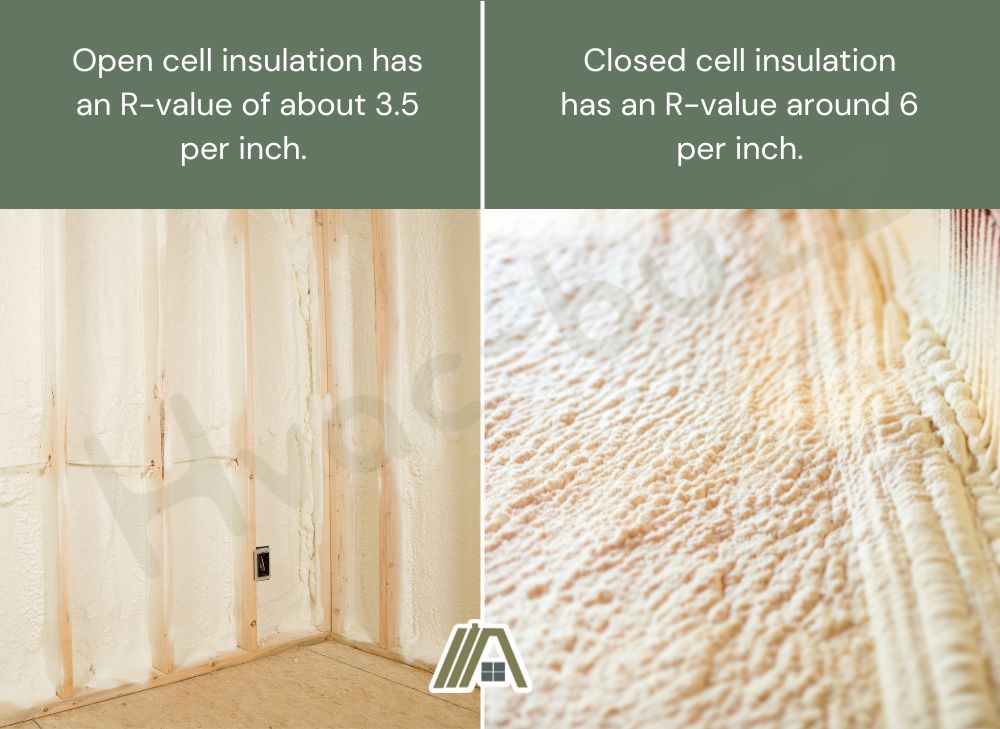
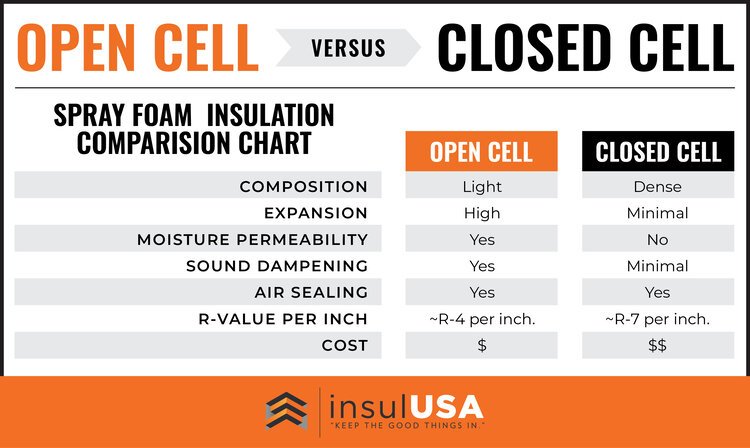
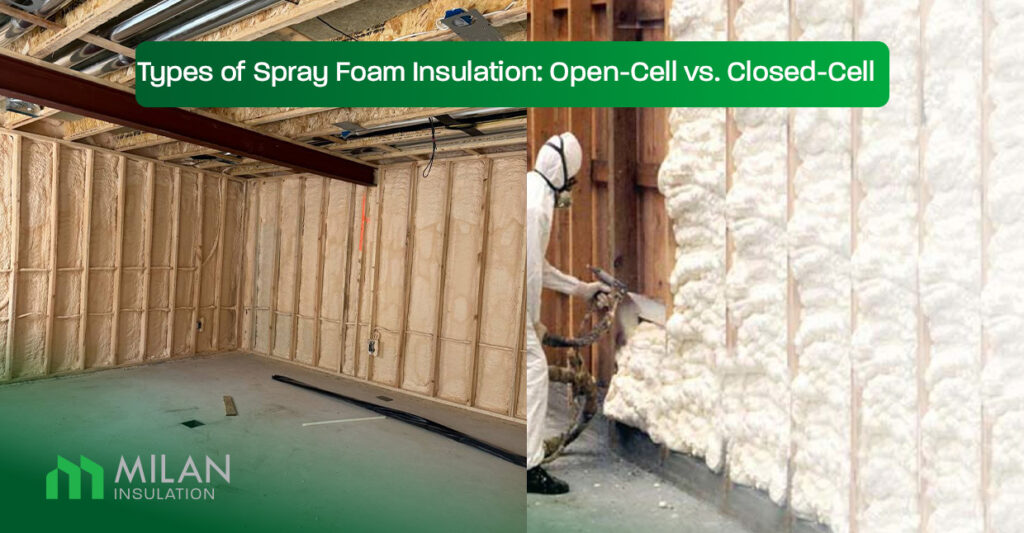
Spray foam insulation comes in two main types: open cell and closed cell. The primary difference lies in their cell structure. Open cell spray foam has cells that are not completely closed, allowing air to fill them. This gives it a softer, spongier texture. Closed cell spray foam, on the other hand, has closed cells packed tightly together, trapping gas inside. This difference in structure leads to variations in R-value, density, and other characteristics.
Open Cell Spray Foam R-Value: The Numbers
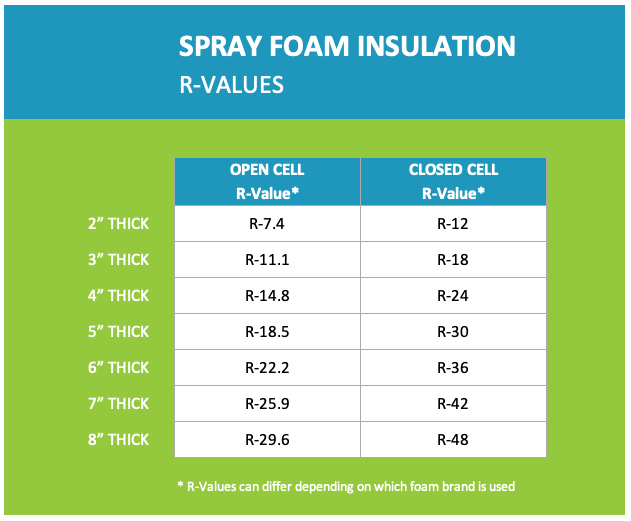
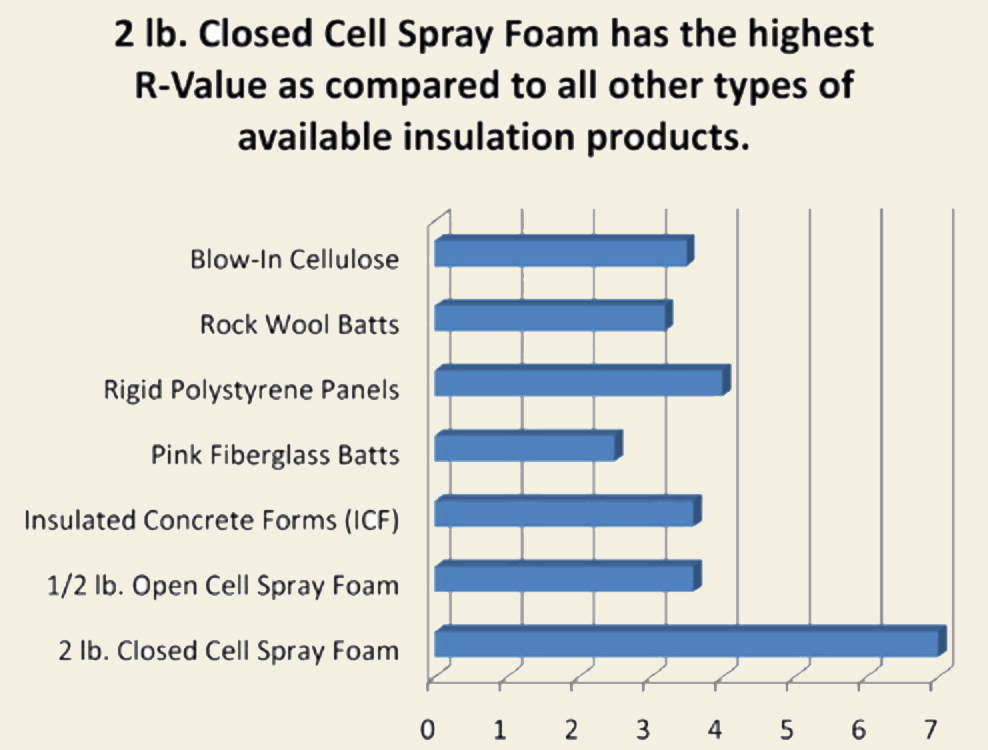
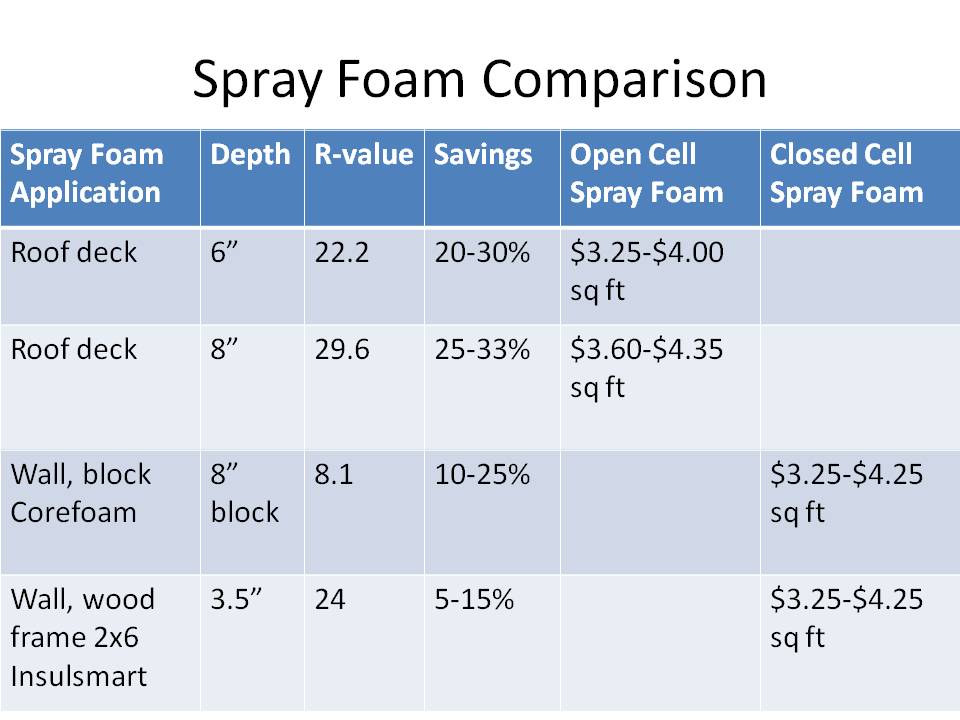
Open cell spray foam typically has an R-value of around 3.0 to 3.7 per inch of thickness. This is lower than closed cell spray foam, which boasts an R-value of approximately 6.0 to 7.0 per inch. While the R-value is lower, open cell foam offers other advantages. These include:
- Lower material cost.
- Greater expansion, allowing it to fill intricate cavities.
- Improved sound dampening properties.
- Breathability, allowing moisture to escape.
Factors Affecting Open Cell R-Value
Several factors can influence the actual R-value achieved with open cell spray foam:
- Installation Quality: Proper installation is paramount. Gaps or uneven application can significantly reduce the effective R-value.
- Density: While generally consistent, variations in density can affect thermal performance.
- Temperature: R-value can fluctuate slightly with temperature changes.
- Aging: Over time, some slight degradation in R-value may occur, although modern formulations are designed for long-term performance.
Applications of Open Cell Spray Foam
Open cell spray foam is well-suited for various applications, particularly in residential settings:
- Interior Walls: Excellent for soundproofing and reducing drafts.
- Attics: Effective for insulating attics, especially when combined with proper ventilation.
- Basements: Can be used in basements, but careful consideration should be given to moisture control, especially below grade.
- Crawl Spaces: Similar considerations to basements apply. Ensuring proper moisture management is key.
Advantages and Disadvantages
Understanding the pros and cons of open cell spray foam is essential for making informed decisions:
Advantages:
- Cost-effective insulation solution.
- Excellent air barrier, reducing air leakage.
- Good sound absorption properties.
- Flexibility allows it to conform to irregular surfaces.
- Environmentally friendly options available (e.g., bio-based foams).
Disadvantages:
- Lower R-value compared to closed cell foam.
- Not suitable for applications requiring high compressive strength.
- Can absorb water, so moisture management is crucial.
The Role of HVAC Professionals
HVAC professionals play a critical role in ensuring that insulation, including open cell spray foam, is properly integrated with heating and cooling systems. They need to consider the following:
- Load Calculations: Accurate load calculations are essential for determining the appropriate size of HVAC equipment. Proper insulation directly affects these calculations.
- Ventilation: Ensuring adequate ventilation is crucial when using open cell spray foam, especially in attics and crawl spaces.
- Moisture Management: HVAC systems can contribute to moisture problems if not properly designed and installed. Coordination with insulation strategies is key.
- Building Codes: HVAC professionals must be knowledgeable about local building codes and energy efficiency standards related to insulation.
Career Opportunities in Insulation and HVAC
The demand for skilled HVAC technicians and insulation installers is projected to grow in the coming years. The U.S. Bureau of Labor Statistics projects a 6% growth for HVAC mechanics and installers from 2022 to 2032. This growth is driven by factors such as:
- Increased construction activity.
- Growing demand for energy-efficient buildings.
- The need to replace aging HVAC systems.
Career Paths
Several career paths are available for individuals interested in insulation and HVAC:
- HVAC Technician: Install, maintain, and repair heating, ventilation, and air conditioning systems.
- Insulation Installer: Install insulation materials in buildings to improve energy efficiency.
- Energy Auditor: Assess building energy performance and recommend improvements.
- HVAC Design Engineer: Design and develop HVAC systems for new and existing buildings.
- Sales and Marketing: Promote and sell HVAC equipment and insulation products.
Salary Expectations
Salaries in the HVAC and insulation industries vary depending on experience, location, and specialization. According to the U.S. Bureau of Labor Statistics, the median annual wage for HVAC mechanics and installers was $59,620 in May 2023. The top 10 percent earned more than $85,840. Insulation workers earned a median annual wage of $43,070 in May 2023.
Certifications and Training
Obtaining relevant certifications and training can significantly enhance career prospects in the HVAC and insulation industries. Some key certifications include:
- NATE (North American Technician Excellence): Demonstrates competency in HVAC service and installation.
- EPA Section 608 Certification: Required for technicians who handle refrigerants.
- BPI (Building Performance Institute) Certification: Focuses on building science and energy efficiency.
- Manufacturer-Specific Training: Training programs offered by HVAC equipment manufacturers.
Many vocational schools, community colleges, and apprenticeship programs offer training in HVAC and insulation. Apprenticeships are particularly valuable as they provide hands-on experience under the guidance of experienced professionals. A real-world example is Sarah, who started as an HVAC apprentice, obtained her NATE certification, and now runs her own successful HVAC company specializing in energy-efficient solutions.
Integrating Open Cell Spray Foam into Energy-Efficient Design
Open cell spray foam insulation, when properly installed and combined with other energy-efficient measures, can contribute to significant energy savings. Building envelope improvements, such as air sealing and insulation, can reduce heating and cooling loads by 20-40%. This translates to lower utility bills for homeowners and reduced carbon emissions for the environment. HVAC professionals play a crucial role in educating clients about the benefits of energy-efficient design and helping them make informed decisions.
Real-World Application Example
Consider a homeowner renovating an older home. By incorporating open cell spray foam insulation in the walls and attic, air leaks can be significantly reduced, minimizing drafts and improving overall comfort. The homeowner can then install a high-efficiency HVAC system, sized appropriately based on the reduced heating and cooling loads. This combination of insulation and efficient equipment can lead to substantial energy savings and a more comfortable living environment. An HVAC professional can conduct a thorough energy audit to determine the most cost-effective energy-saving measures for the home.
Conclusion
Open cell spray foam insulation is a valuable tool for improving building energy efficiency. Understanding its R-value, applications, and limitations is essential for HVAC professionals, contractors, and homeowners. By staying informed about the latest technologies and best practices, professionals can contribute to creating more comfortable, energy-efficient, and sustainable buildings. With a growing demand for skilled workers in the HVAC and insulation industries, now is an excellent time to pursue a career in this field.