Open Loop Vs Closed Loop Geothermal System
Open Loop vs. Closed Loop Geothermal Systems: A Deep Dive into Energy Efficiency
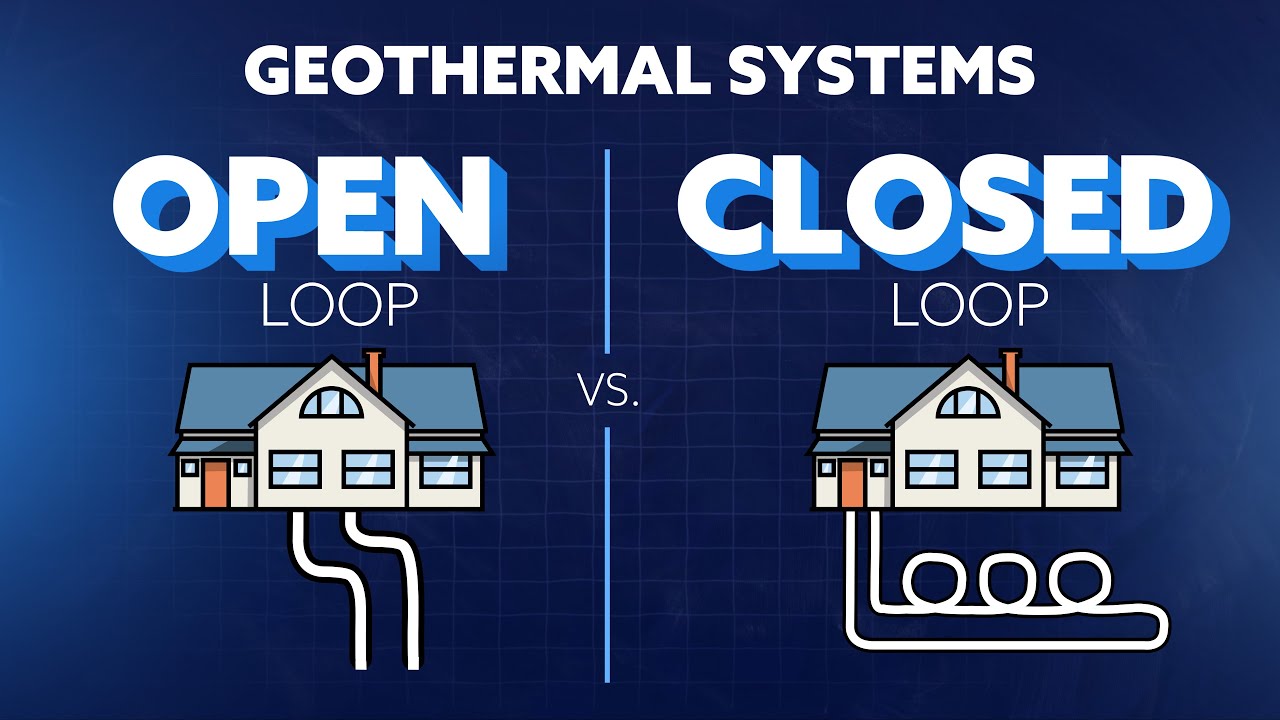
Geothermal heating and cooling is gaining significant traction as homeowners and businesses alike look for sustainable and cost-effective ways to regulate indoor temperatures. But before you dive in, it's crucial to understand the different types of geothermal systems available. The two primary categories are open loop and closed loop systems. This article will explore the nuances of each, helping you determine which is the best fit for your needs and budget.
The Core Concept: Harnessing Earth's Constant Temperature
Both open and closed loop geothermal systems leverage the earth's stable underground temperature. Unlike the fluctuating air temperatures we experience daily, the earth maintains a relatively constant temperature about 6-10 feet below the surface, typically between 45°F and 75°F depending on your geographic location. This stable temperature provides a reliable heat source in the winter and a heat sink in the summer, significantly reducing the strain on traditional heating and cooling equipment.
Open Loop Geothermal Systems: Direct Water Source
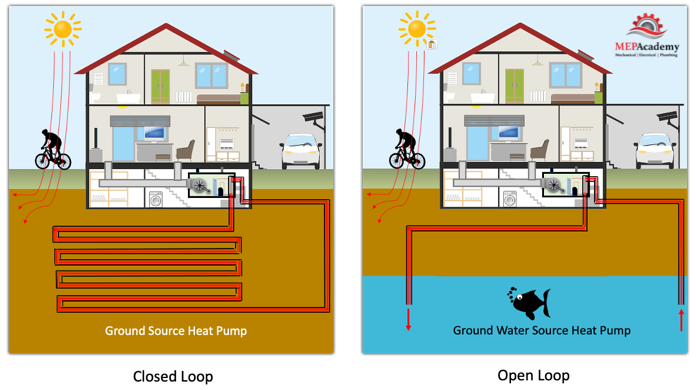
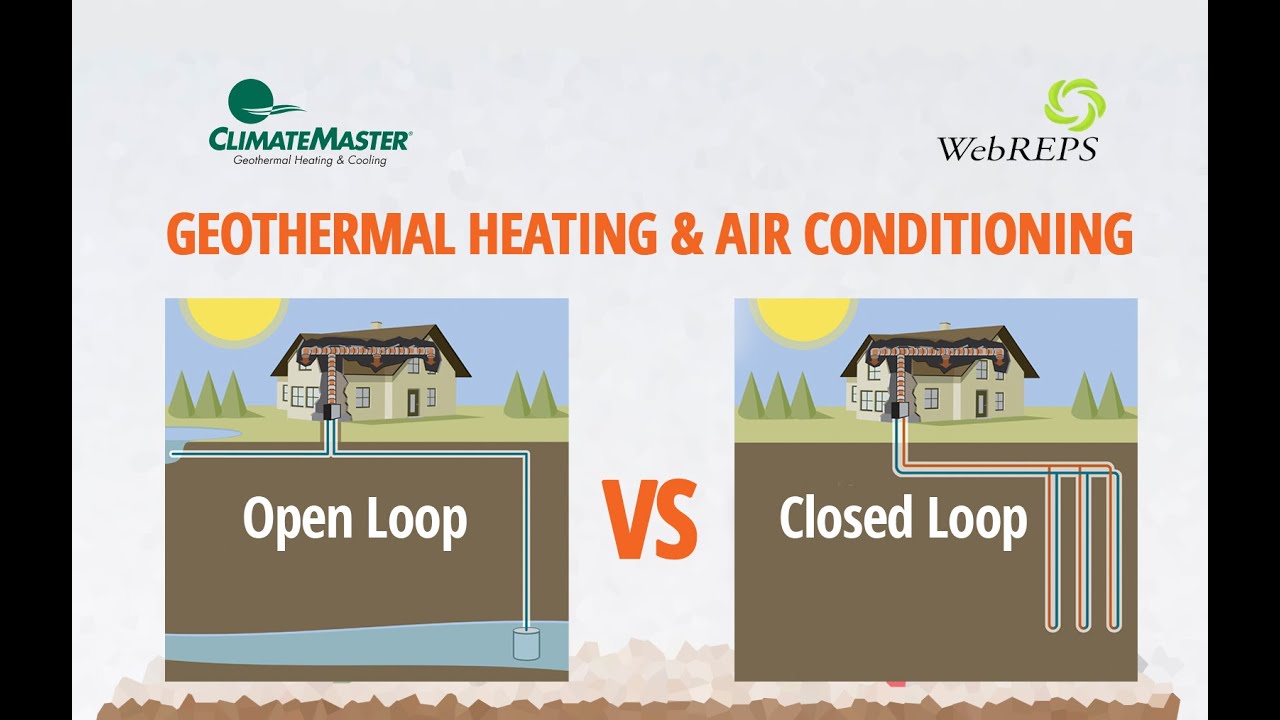
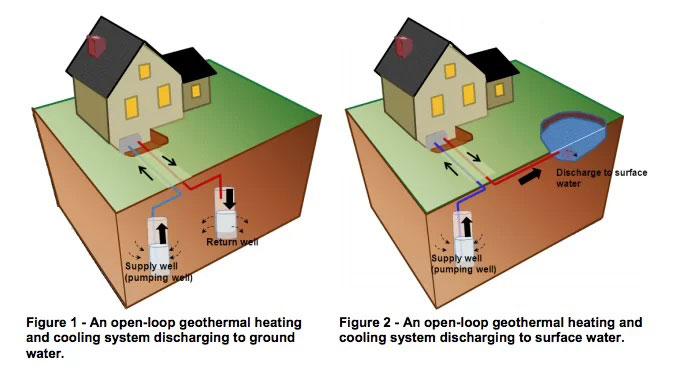
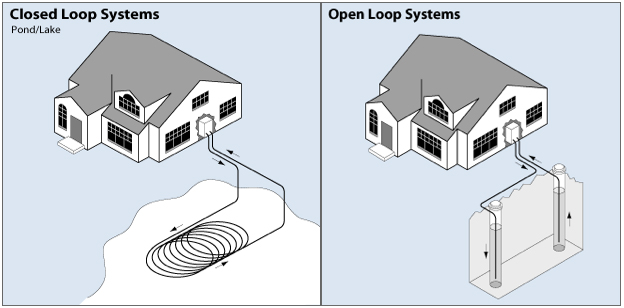
Also known as a direct exchange system, an open loop geothermal system directly uses a natural water source such as a well, lake, or pond. Water is drawn from this source, circulated through a heat pump to extract or reject heat, and then returned to the same source or a different discharge point.
How Open Loop Systems Work:
- Water Extraction: Water is pumped from the water source.
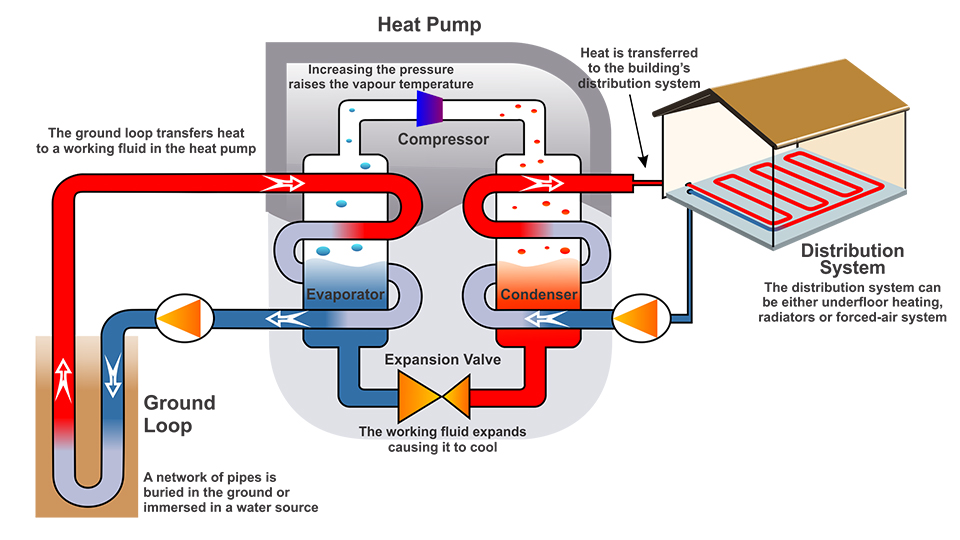
- Heat Exchange: The water passes through a heat exchanger inside the geothermal heat pump. In winter, the water's heat is transferred to the refrigerant, which then warms the building. In summer, the process is reversed: heat from the building is transferred to the refrigerant and then to the water, which carries it away.
- Water Discharge: The water is then discharged back into the environment, either back into the original source (if regulations allow) or into a separate injection well or surface discharge.
Advantages of Open Loop Systems:
- High Efficiency: Open loop systems often boast higher efficiencies (higher Coefficient of Performance or COP) than closed loop systems because the water source temperature is generally more stable than ground temperatures in closed loop systems.
- Lower Initial Cost: In some cases, the upfront installation cost can be lower, especially if a suitable water source is readily available and easily accessible.
Disadvantages of Open Loop Systems:
- Water Quality Requirements: This is the biggest hurdle. The water must be relatively clean and free of minerals and contaminants that could corrode or clog the heat exchanger. Water testing is crucial.
- Water Availability: A reliable and sufficient water supply is essential. Seasonal water table fluctuations can impact performance.
- Environmental Regulations: Local regulations may restrict the use of open loop systems due to concerns about water usage and potential environmental impact. Permits are often required.
- Maintenance: Regular maintenance, including cleaning the heat exchanger, is necessary to prevent scaling and fouling.
Is an Open Loop System Right for You?
An open loop system may be a viable option if you have a clean, abundant, and accessible water source, and if local regulations permit its use. A thorough water quality analysis is a non-negotiable first step.
Closed Loop Geothermal Systems: Circulating Refrigerant
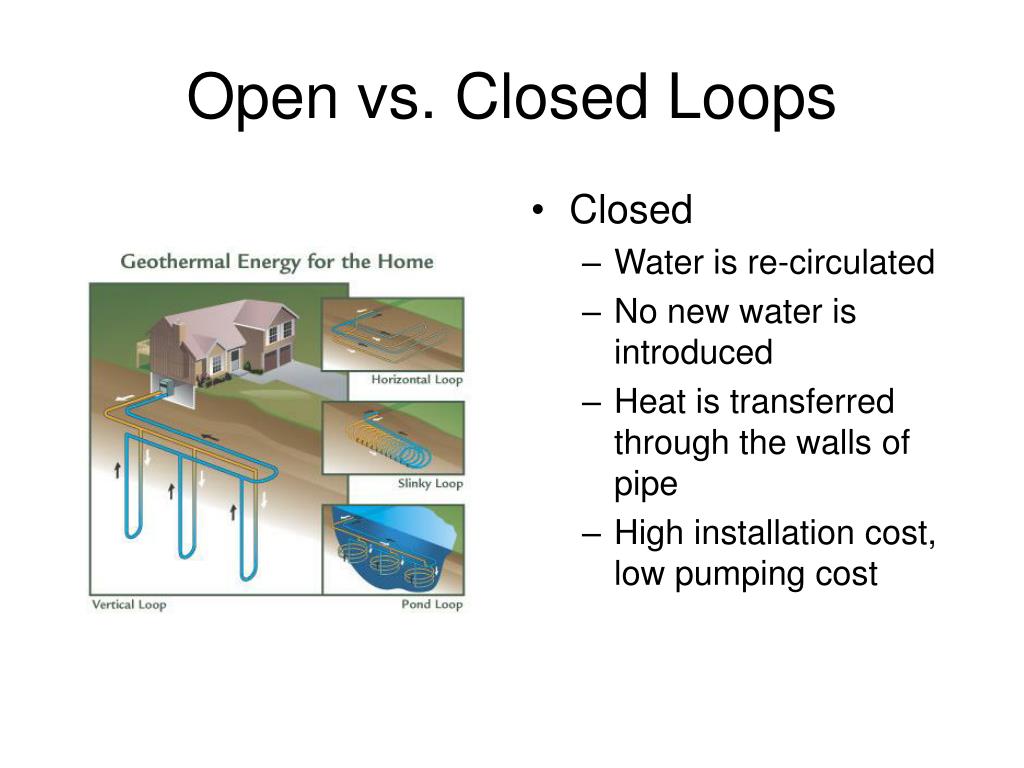
In contrast to open loop systems, closed loop geothermal systems use a sealed loop of piping buried underground or submerged in a water source. This loop is filled with a mixture of water and antifreeze (typically glycol) that circulates continuously. The heat pump transfers heat to or from the loop, without directly using groundwater.
Types of Closed Loop Systems:
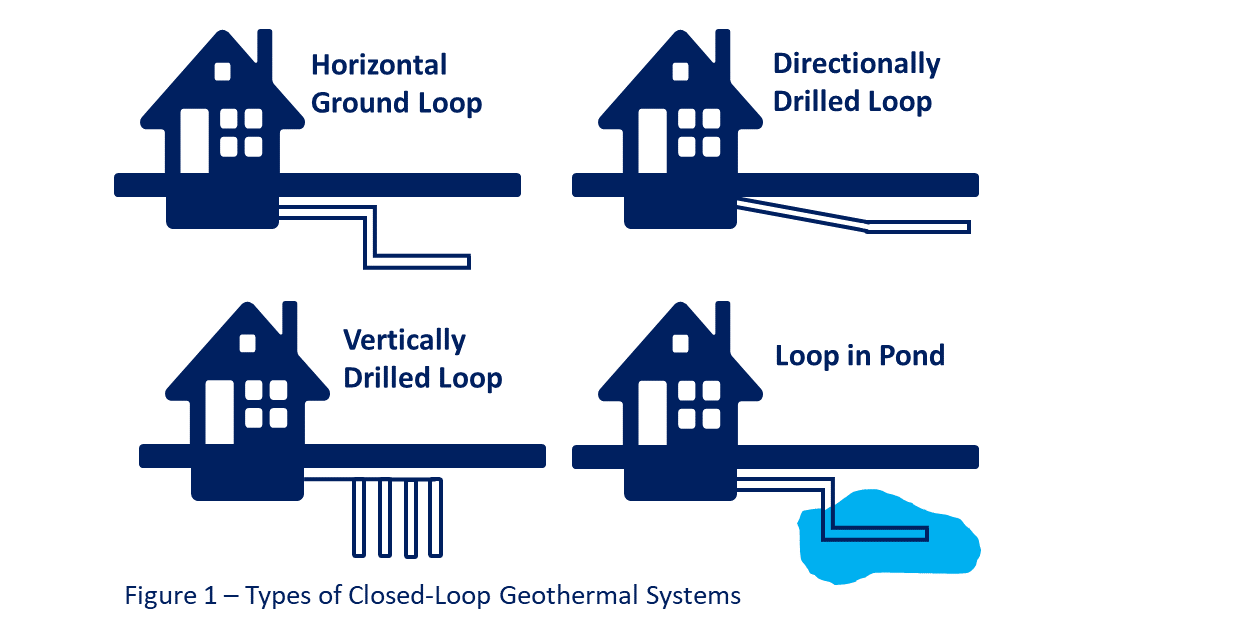
- Horizontal Loops: Pipes are buried horizontally in trenches, typically 4-6 feet deep. This is often the most cost-effective option for properties with ample land.
- Vertical Loops: Pipes are inserted vertically into boreholes, typically 100-400 feet deep. This is suitable for properties with limited land area.
- Pond/Lake Loops: Coils of pipe are submerged at the bottom of a pond or lake. This is an option if a suitable body of water is available and meets specific depth and size requirements.
How Closed Loop Systems Work:
- Circulation: A mixture of water and antifreeze circulates continuously through the underground loop.
- Heat Exchange: The heat pump transfers heat to or from the circulating fluid. In winter, the fluid absorbs heat from the ground and transfers it to the refrigerant, warming the building. In summer, the process is reversed: heat from the building is transferred to the refrigerant and then to the circulating fluid, which carries it away and dissipates it into the ground.
- Closed System: The fluid remains within the sealed loop, never coming into direct contact with the environment.
Advantages of Closed Loop Systems:
- Less Dependence on Water Quality: Because the system is closed, water quality is not a major concern.
- Wider Applicability: Closed loop systems can be installed in a wider range of locations, regardless of the availability of a suitable water source.
- Reduced Environmental Impact: Closed loop systems pose minimal risk to groundwater resources.
- Lower Maintenance: Generally require less maintenance than open loop systems.
Disadvantages of Closed Loop Systems:
- Higher Initial Cost: The installation cost can be higher, especially for vertical loops that require drilling.
- Lower Efficiency (Potentially): Can be less efficient than open loop systems, depending on ground conditions and loop design.
- Land Requirements: Horizontal loops require significant land area.
Is a Closed Loop System Right for You?
A closed loop system is a good choice if you don't have access to a suitable water source, or if you're concerned about water quality or environmental regulations. It's a more versatile option that can be adapted to a wider range of properties.
Comparing Open Loop and Closed Loop Systems: Key Considerations
The best choice between open loop and closed loop geothermal systems depends on several factors:
- Water Availability and Quality: If you have a clean, abundant water source, an open loop system might be more efficient and cost-effective. However, water quality testing is essential.
- Land Availability: Horizontal closed loop systems require significant land area, while vertical loops can be installed on smaller properties.
- Local Regulations: Check local regulations regarding water usage, discharge, and permitting requirements.
- Budget: Consider the upfront installation costs, as well as the long-term operating costs.
- Geological Conditions: Soil type and thermal conductivity affect the performance of closed loop systems.
Geothermal Heat Pumps: The Heart of the System
Regardless of whether you choose an open loop or closed loop system, the geothermal heat pump is the key component. This unit circulates refrigerant and transfers heat between the earth and your home. Look for Energy Star certified models, which offer superior energy efficiency and may qualify for rebates.
Key Features to Look for in a Geothermal Heat Pump:
- High COP (Coefficient of Performance): A higher COP indicates greater energy efficiency in heating mode. Look for models with a COP of 4.0 or higher.
- High EER (Energy Efficiency Ratio): A higher EER indicates greater energy efficiency in cooling mode. Look for models with an EER of 20 or higher.
- Variable-Speed Technology: Variable-speed heat pumps offer more precise temperature control and can further reduce energy consumption.
- Smart Thermostat Compatibility: Integration with a smart thermostat allows you to remotely monitor and control your system, optimizing energy usage and comfort.
ROI and Energy Savings: The Long-Term Benefits
While the initial investment in a geothermal system can be significant, the long-term energy savings can be substantial. Geothermal systems typically reduce heating and cooling costs by 30% to 70% compared to traditional HVAC systems. Over time, these savings can offset the initial investment, resulting in a positive return on investment (ROI).
Factors Affecting ROI:
- Climate: Geothermal systems are particularly effective in regions with extreme temperature swings.
- Energy Prices: Higher energy prices increase the value of energy savings.
- System Efficiency: Choosing a high-efficiency geothermal heat pump maximizes energy savings.
- Installation Quality: Proper installation is crucial for optimal performance and longevity.
Government Incentives and Rebates
Many government agencies and utility companies offer incentives and rebates to encourage the adoption of geothermal technology. These incentives can significantly reduce the upfront cost of installation, making geothermal systems more accessible.
Resources for Finding Incentives:
- DSIRE (Database of State Incentives for Renewables & Efficiency): A comprehensive online resource for finding federal, state, and local incentives.
- Energy Star Website: Provides information on Energy Star certified products and potential rebates.
- Local Utility Companies: Check with your local utility company for available rebates and incentives.
Smart HVAC Integration: Optimizing Performance
Integrating your geothermal system with a smart thermostat and other smart home devices can further enhance its performance and energy efficiency. Smart thermostats allow you to remotely monitor and control your system, set customized schedules, and receive alerts if there are any issues. Some smart thermostats even use machine learning to optimize energy usage based on your preferences and habits.
Benefits of Smart HVAC Integration:
- Remote Control: Adjust your thermostat from anywhere using your smartphone or tablet.
- Customized Scheduling: Create schedules that match your lifestyle and occupancy patterns.
- Energy Monitoring: Track your energy consumption and identify areas for improvement.
- Automated Adjustments: Some smart thermostats can automatically adjust the temperature based on occupancy, weather conditions, and energy prices.
Conclusion: A Sustainable and Cost-Effective Solution
Geothermal heating and cooling offers a sustainable and cost-effective alternative to traditional HVAC systems. By understanding the differences between open loop and closed loop systems, and by carefully considering your specific needs and circumstances, you can choose the best option for your home or business. Remember to consult with a qualified geothermal contractor to assess your property, design a system that meets your needs, and ensure proper installation.
Whether you opt for an open-loop system leveraging a clean water source, or a closed-loop system offering greater versatility, geothermal technology provides a pathway to reduce your energy footprint, lower your utility bills, and contribute to a more sustainable future. With the right system design, a high-efficiency heat pump, and smart home integration, you can unlock the full potential of geothermal energy and enjoy years of comfortable and efficient heating and cooling.
Remember to always factor in Energy Star guidelines when selecting your heat pump and accessories. And always consult with certified geothermal specialists.