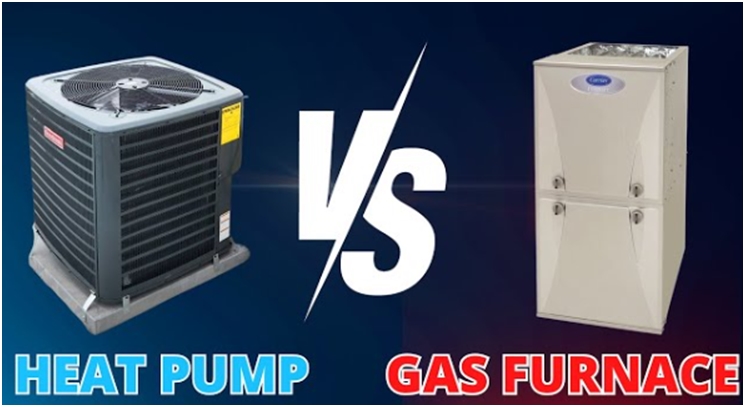
Operating Cost Heat Pump Vs Gas Furnace

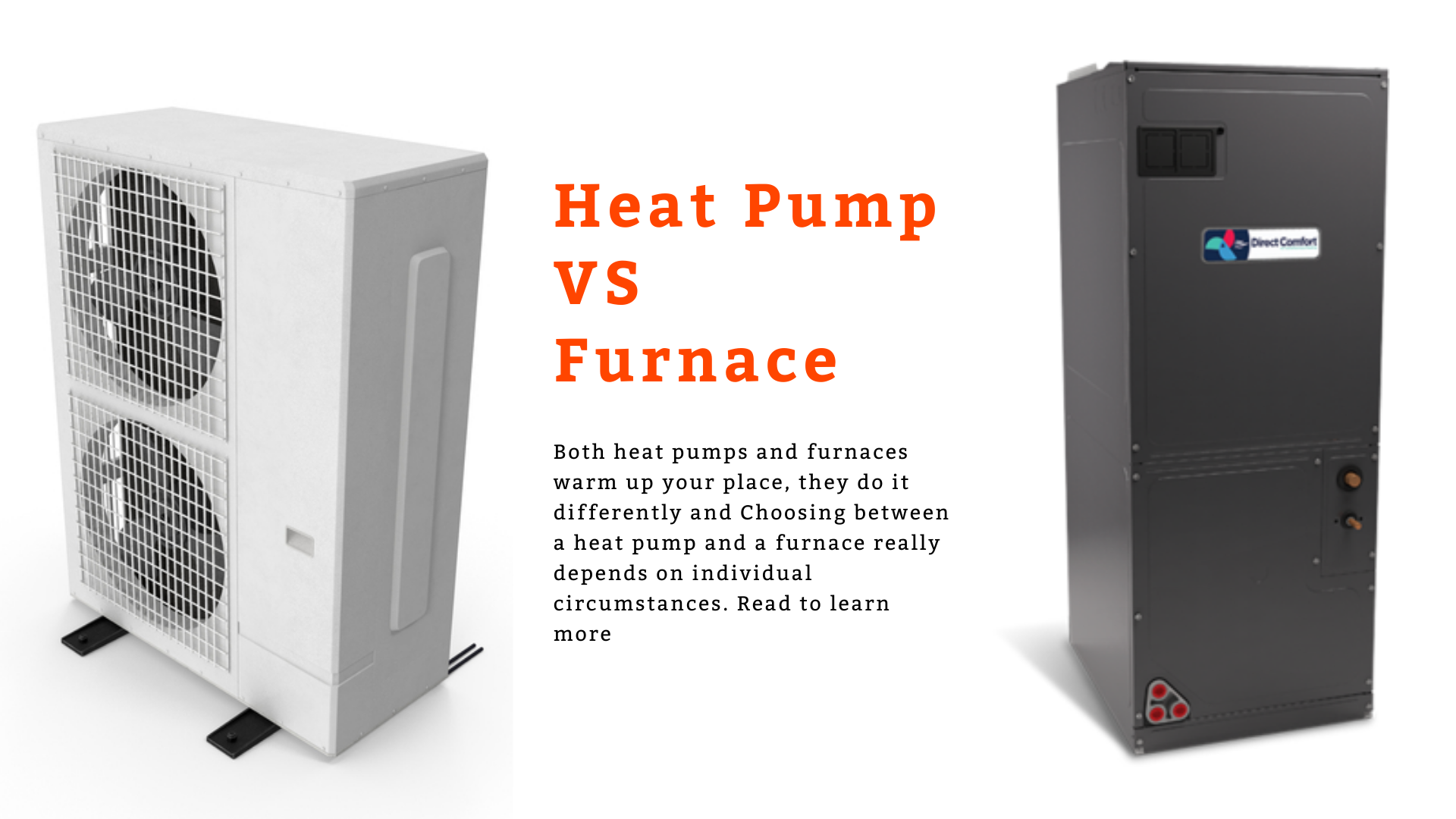
Choosing the right heating system for your home or building is a crucial decision that impacts comfort, budget, and even the environment. Two of the most common and efficient options are heat pumps and gas furnaces. While both effectively heat your space, they operate on different principles and have distinct cost profiles. Understanding these differences is essential for making an informed choice.
How They Work: A Tale of Two Technologies
Heat Pumps: The Energy-Efficient Movers
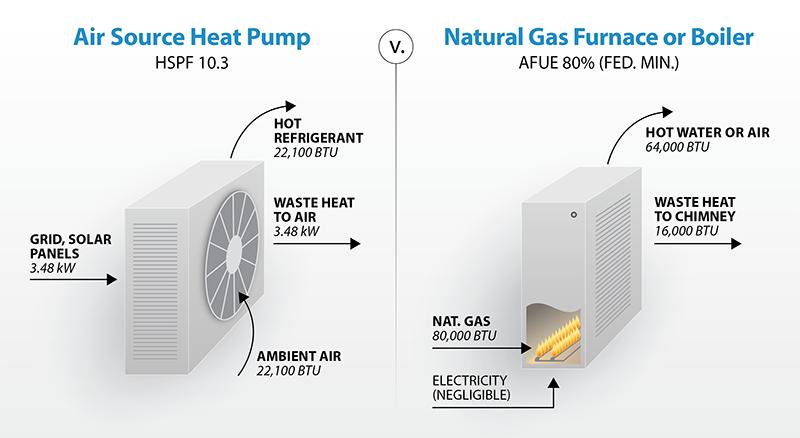
Unlike furnaces that generate heat through combustion, heat pumps *move* heat. Think of them as refrigerators working in reverse. In heating mode, a heat pump extracts heat from the outside air (even cold air contains some heat) and transfers it inside. In cooling mode, it reverses the process, removing heat from your home and releasing it outdoors.
The core components of a heat pump include:
- Refrigerant: A special fluid that absorbs and releases heat as it cycles through the system.
- Compressor: The heart of the system, which pressurizes the refrigerant, increasing its temperature.
- Evaporator Coil: Where the refrigerant absorbs heat from the air (either indoor or outdoor, depending on the mode).
- Condenser Coil: Where the refrigerant releases heat to the air (either indoor or outdoor, depending on the mode).
- Reversing Valve: Allows the heat pump to switch between heating and cooling modes.
Heat pumps are highly efficient because they don't create heat; they simply transfer it. Their efficiency is measured by the Heating Seasonal Performance Factor (HSPF). A higher HSPF indicates greater efficiency. Modern heat pumps often have HSPF ratings of 8 or higher.
"A heat pump with an HSPF of 10 is significantly more efficient than one with an HSPF of 8."
However, the efficiency of a heat pump decreases as the outside temperature drops. When the temperature falls below a certain point (typically around 30°F), a heat pump may struggle to provide sufficient heat and may require supplemental heating, often in the form of electric resistance heat. This supplemental heat can significantly reduce the overall efficiency and increase operating costs.
Gas Furnaces: The Combustion Kings
Gas furnaces, on the other hand, generate heat by burning natural gas. The combustion process heats a heat exchanger, which then warms the air that is circulated throughout your home via ductwork.
The key components of a gas furnace include:
- Burners: Where natural gas is mixed with air and ignited.
- Heat Exchanger: A series of metal chambers that transfer heat from the combustion gases to the air.
- Blower Motor: Circulates air across the heat exchanger and into your home.
- Flue: Vents the combustion gases safely to the outside.
Gas furnace efficiency is measured by the Annual Fuel Utilization Efficiency (AFUE). AFUE represents the percentage of fuel that is converted into usable heat. A furnace with an AFUE of 95% converts 95% of the fuel into heat, while the remaining 5% is lost through the flue. Modern high-efficiency furnaces often have AFUE ratings of 90% or higher.
Gas furnaces provide consistent heat output regardless of the outdoor temperature. However, they rely on a fossil fuel, which contributes to greenhouse gas emissions.
Operating Cost Breakdown: Apples to Oranges?
Comparing the operating costs of heat pumps and gas furnaces requires careful consideration of several factors, including:
- Fuel Costs: The price of electricity and natural gas varies significantly by region. You need to research the current rates in your area to make an accurate comparison.
- Efficiency Ratings (HSPF and AFUE): Higher ratings translate to lower operating costs.
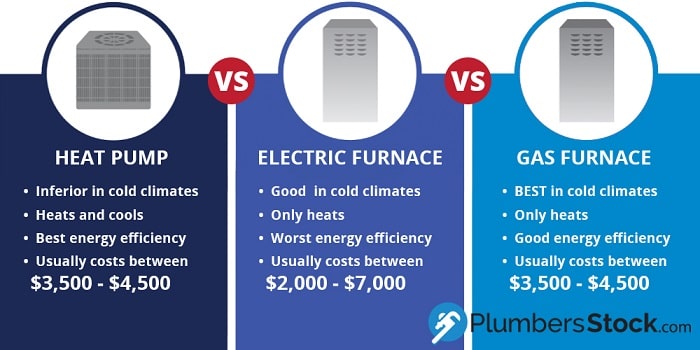
- Climate: Heat pumps are generally more cost-effective in milder climates, while gas furnaces may be more suitable for colder regions.
- Insulation: Proper insulation reduces heat loss, lowering heating costs regardless of the system you choose.
- Usage Patterns: How often and how intensely you use your heating system will impact your overall costs.
To illustrate the comparison, let's consider a hypothetical example:
Scenario: A 1,500 sq ft home in a region with moderate winters. * **Natural Gas Price:** $1.00 per therm * **Electricity Price:** $0.15 per kilowatt-hour (kWh)
System A: High-Efficiency Gas Furnace (AFUE 95%)
System B: High-Efficiency Heat Pump (HSPF 10)
In this scenario, we would need to calculate the British Thermal Units (BTUs) required to heat the home for the entire heating season. This number will be influenced by weather conditions and how well the house is insulated. Once the BTUs required are calculated, the cost of operation for both the gas furnace and heat pump can be calculated and directly compared.
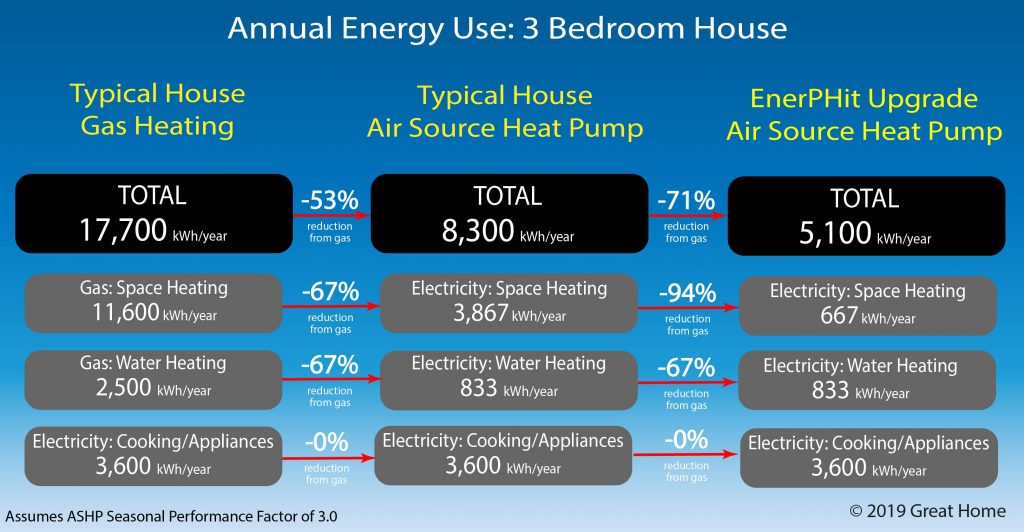
In warmer climates, a heat pump's operational costs tend to be lower because of the high efficiency. In colder climates, depending on the electric rates, a high-efficiency gas furnace is more cost effective.
Installation and Maintenance Costs
The initial installation cost of a heat pump is often higher than that of a gas furnace. This is due to the more complex technology involved and the need for a qualified technician to properly install and charge the refrigerant lines. A new heat pump might cost between $4,000 and $8,000 installed, while a gas furnace might range from $3,000 to $6,000.
Maintenance costs can also vary. Heat pumps require regular cleaning of the outdoor unit and occasional refrigerant top-ups. Gas furnaces need annual inspections to ensure proper combustion and prevent carbon monoxide leaks. The costs are roughly the same, depending on the service company and frequency of service.
Lifespan and Replacement
The typical lifespan of both heat pumps and gas furnaces is 15-20 years. However, this can vary depending on the quality of the equipment, the frequency of maintenance, and the severity of the climate.
Replacing a heat pump or gas furnace is a significant expense. When considering a replacement, it's essential to factor in the long-term operating costs and the potential for energy savings. A more efficient system, even with a higher upfront cost, can pay for itself over time through reduced energy bills.
Environmental Impact
Gas furnaces burn fossil fuels and release greenhouse gases into the atmosphere, contributing to climate change. While modern high-efficiency furnaces are cleaner than older models, they still have a carbon footprint.
Heat pumps, on the other hand, are generally more environmentally friendly, especially when powered by renewable energy sources like solar or wind. They don't directly burn fossil fuels and can significantly reduce carbon emissions. However, the electricity used to power a heat pump may come from fossil fuel-based power plants, so the overall environmental impact depends on the energy source.
Making the Right Choice
Choosing between a heat pump and a gas furnace depends on your specific needs and circumstances. Consider the following factors:
- Climate: Heat pumps are ideal for milder climates, while gas furnaces may be better suited for colder regions.
- Fuel Costs: Compare the price of electricity and natural gas in your area.
- Budget: Factor in both the initial installation cost and the long-term operating costs.
- Environmental Concerns: If you're concerned about reducing your carbon footprint, a heat pump may be the better choice.
- Home Insulation: Ensure your home is properly insulated to minimize heat loss and maximize energy efficiency.
Ultimately, the best way to determine the optimal heating system for your home or building is to consult with a qualified HVAC professional. They can assess your specific needs and recommend the most cost-effective and energy-efficient solution.
Disclaimer: The information provided in this article is for general informational purposes only and does not constitute professional advice. Always consult with a qualified HVAC professional before making any decisions about your heating system.