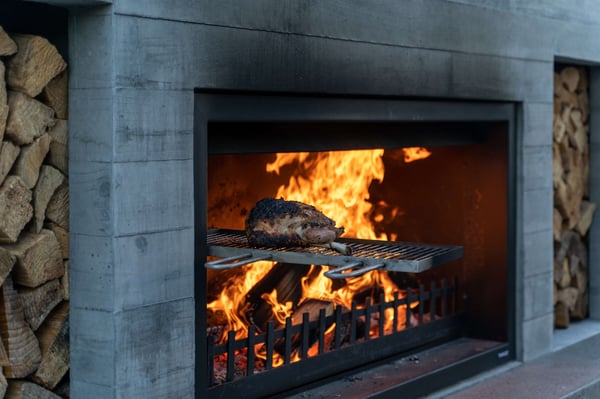
Outdoor Fireplace With Cooking Grill

An outdoor fireplace with a cooking grill is a fantastic addition to any backyard, providing both warmth and a space for culinary creativity. It extends your living space, allowing you to enjoy the outdoors even on cooler evenings while simultaneously offering a unique cooking experience. This guide will walk you through everything you need to know, from choosing the right design to mastering grilling techniques.
Understanding the Appeal of an Outdoor Fireplace Grill
The allure of an outdoor fireplace grill is multifaceted. Firstly, it creates a focal point in your outdoor space, enhancing its aesthetic appeal. The flickering flames provide a mesmerizing ambiance, perfect for gatherings with family and friends. Secondly, it offers practical functionality. You can cook delicious meals outdoors, avoiding the heat and mess inside your home. And finally, it can significantly increase your property value, making it a worthwhile investment.
Types of Outdoor Fireplace Grills
Outdoor fireplace grills come in various shapes, sizes, and materials. Understanding the different types is crucial for selecting the one that best suits your needs and preferences.
Built-in Fireplace Grills
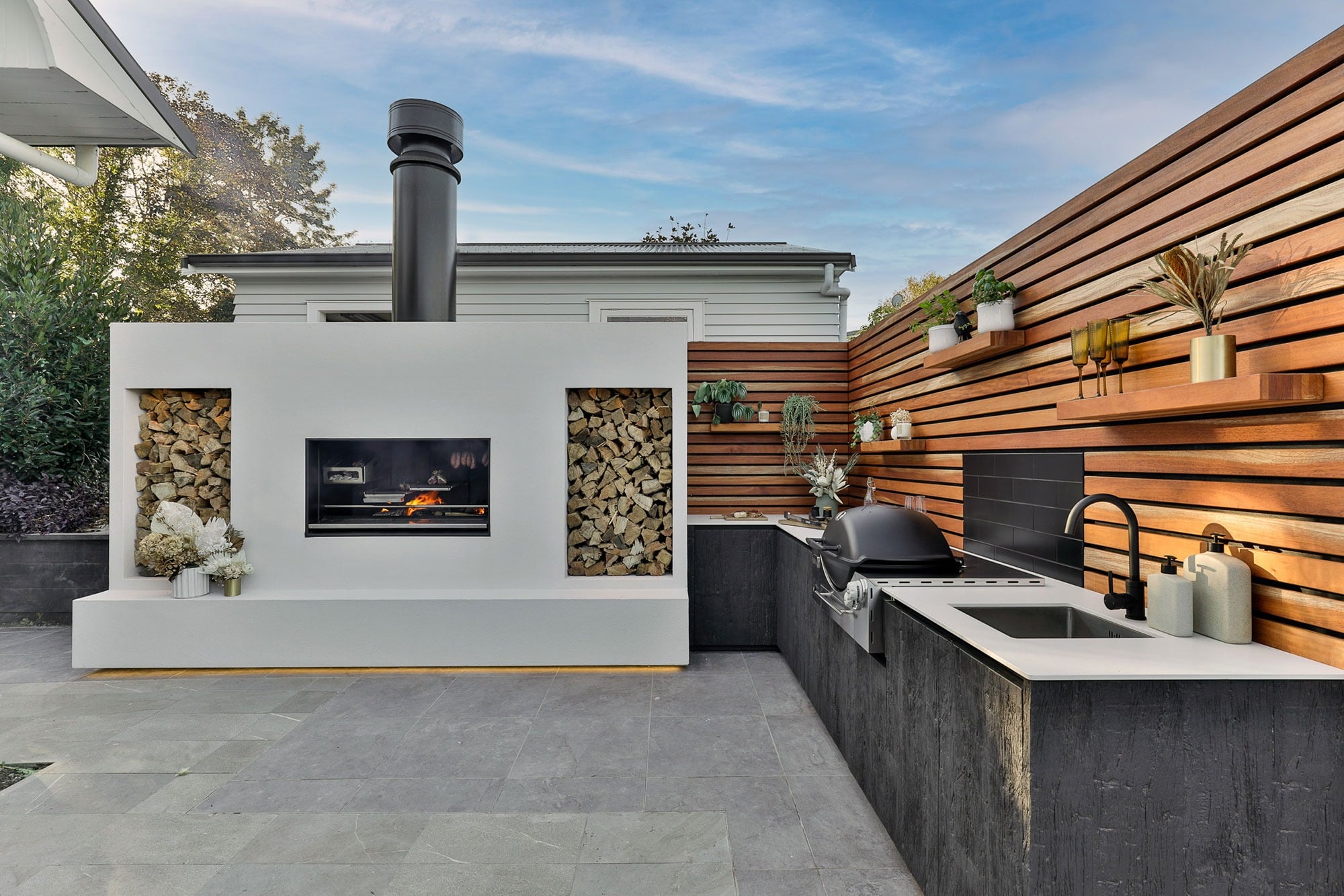
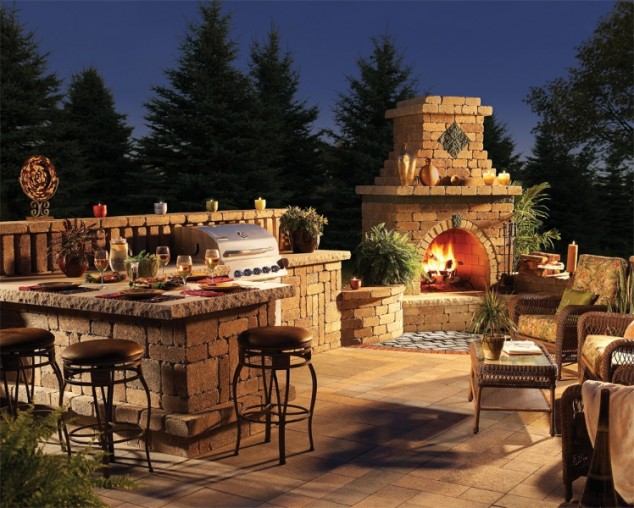
These are permanent structures typically constructed from brick, stone, or concrete. They offer a seamless integration with your existing landscaping. Built-in models require professional installation but provide a durable and aesthetically pleasing solution. The cooking grill is usually incorporated directly into the design, offering a consistent cooking surface.
Pros: Durable, aesthetically pleasing, customizable, permanent.
Cons: Expensive, requires professional installation, not portable.
Freestanding Fireplace Grills
Freestanding models are portable and easier to install than built-in versions. They are often made from metal, such as steel or cast iron. While they may not offer the same level of visual appeal as built-in units, they are a more affordable and flexible option. Many freestanding models come with adjustable grill heights and other features.
Pros: Affordable, portable, easy to install, versatile.
Cons: Less durable than built-in models, may not be as aesthetically pleasing.
Chiminea with Grill
A chiminea is a traditional outdoor fireplace with a distinctive bulbous shape and a chimney. Some chimineas are designed with a grill insert, allowing you to cook over an open flame. Chimineas are typically made from clay or cast iron. They offer a rustic charm and are relatively easy to set up.
Pros: Rustic charm, relatively affordable, easy to set up.
Cons: Limited cooking space, may not be as durable as other options, requires careful fire management.
Prefabricated Outdoor Fireplace Kits
These kits provide a middle ground between built-in and freestanding options. They typically consist of pre-cut stones or bricks that can be assembled relatively easily. Prefabricated kits offer a more customized look than freestanding models without the complexity and cost of a fully custom-built fireplace. Many include grill inserts.
Pros: More customizable than freestanding, easier to install than fully built-in, relatively affordable.
Cons: Requires some assembly, may not be as durable as custom-built models.
Choosing the Right Materials
The materials used in your outdoor fireplace grill significantly impact its durability, appearance, and cost. Common materials include:
Brick
Brick is a classic and durable option. It provides a timeless look and can withstand high temperatures. However, brick can be expensive and requires skilled labor for installation.
Stone
Stone offers a natural and rustic aesthetic. It is also very durable and can withstand the elements. Like brick, stone can be costly and require professional installation.
Concrete
Concrete is a more affordable alternative to brick and stone. It can be molded into various shapes and finishes, providing design flexibility. However, concrete may not be as visually appealing as other options.
Metal (Steel, Cast Iron)
Metal is commonly used for freestanding fireplace grills. Steel is durable and relatively affordable, while cast iron offers excellent heat retention. However, metal can rust if not properly maintained.
Factors to Consider Before Buying
Before making a purchase, carefully consider these factors:
Budget
Establish a realistic budget. Built-in models are generally the most expensive, followed by prefabricated kits, freestanding units, and chimineas. Material choices also impact the overall cost.
Space
Assess the available space in your backyard. A large built-in fireplace requires a significant area, while a freestanding model can be placed in a smaller space. Consider the proximity to your house and other structures.
Intended Use
Determine how you plan to use the fireplace grill. If you intend to cook frequently, a larger grill surface and adjustable height are essential. If you primarily want ambiance, a smaller unit may suffice.
Local Regulations
Check your local building codes and regulations regarding outdoor fireplaces. Some areas may have restrictions on size, placement, or fuel type. You might need permits before starting construction.
Installation Requirements
Consider the installation process. Built-in models typically require professional installation, while freestanding units can be assembled yourself. Factor in the cost of labor and materials.
Fuel Options: Wood vs. Gas
The fuel source significantly impacts the cooking experience. The two main options are wood and gas.
Wood-Burning Fireplace Grills
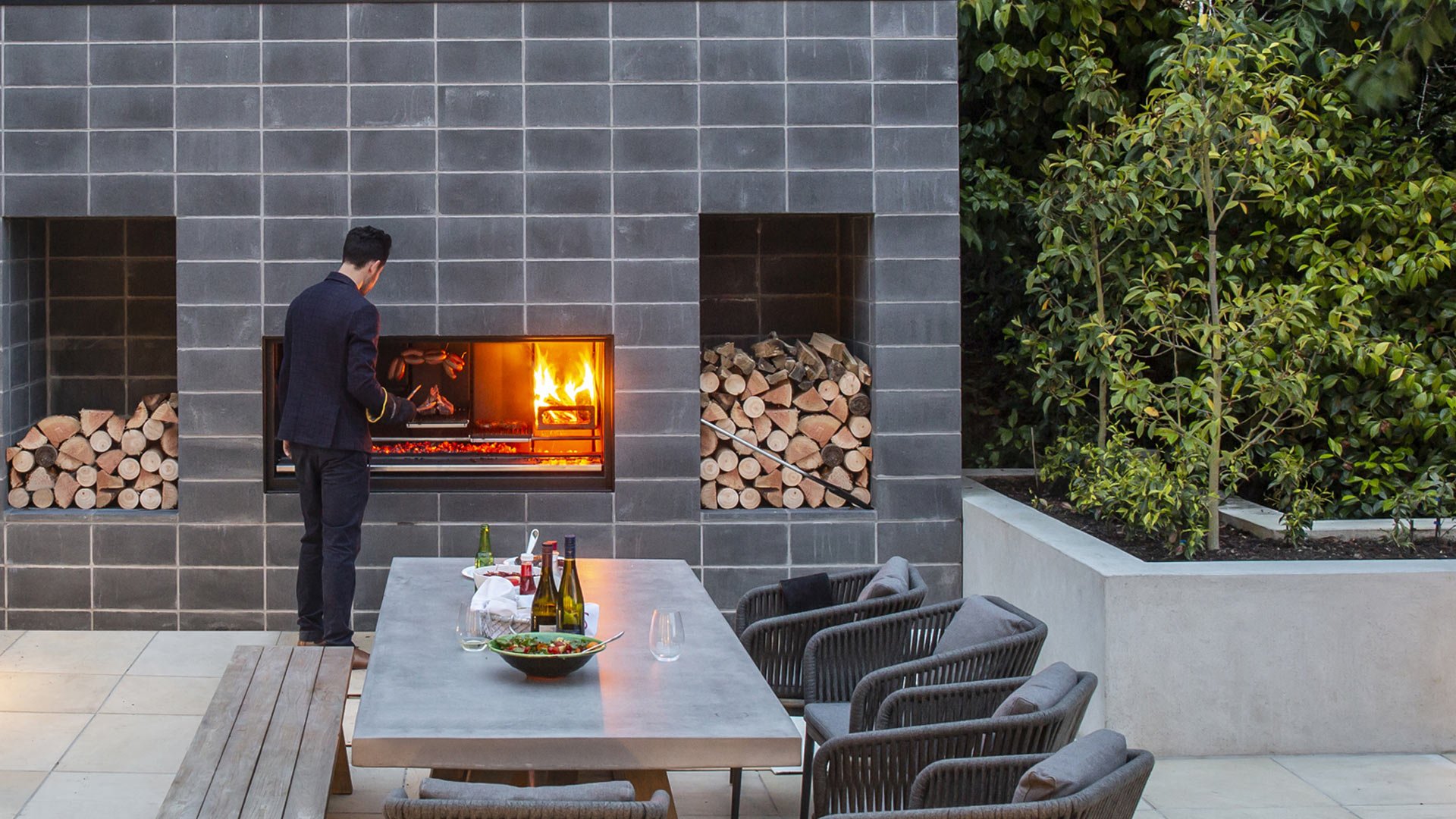
Wood-burning fireplaces provide a traditional and authentic cooking experience. The smoky flavor imparted by the wood enhances the taste of the food. However, wood-burning fireplaces require more effort to start and maintain. You'll need to source and store firewood and clean up the ashes. Wood also generates more smoke, which might not be ideal in densely populated areas.
Think of the flavor and aroma as an intrinsic marinade.
Gas-Fueled Fireplace Grills
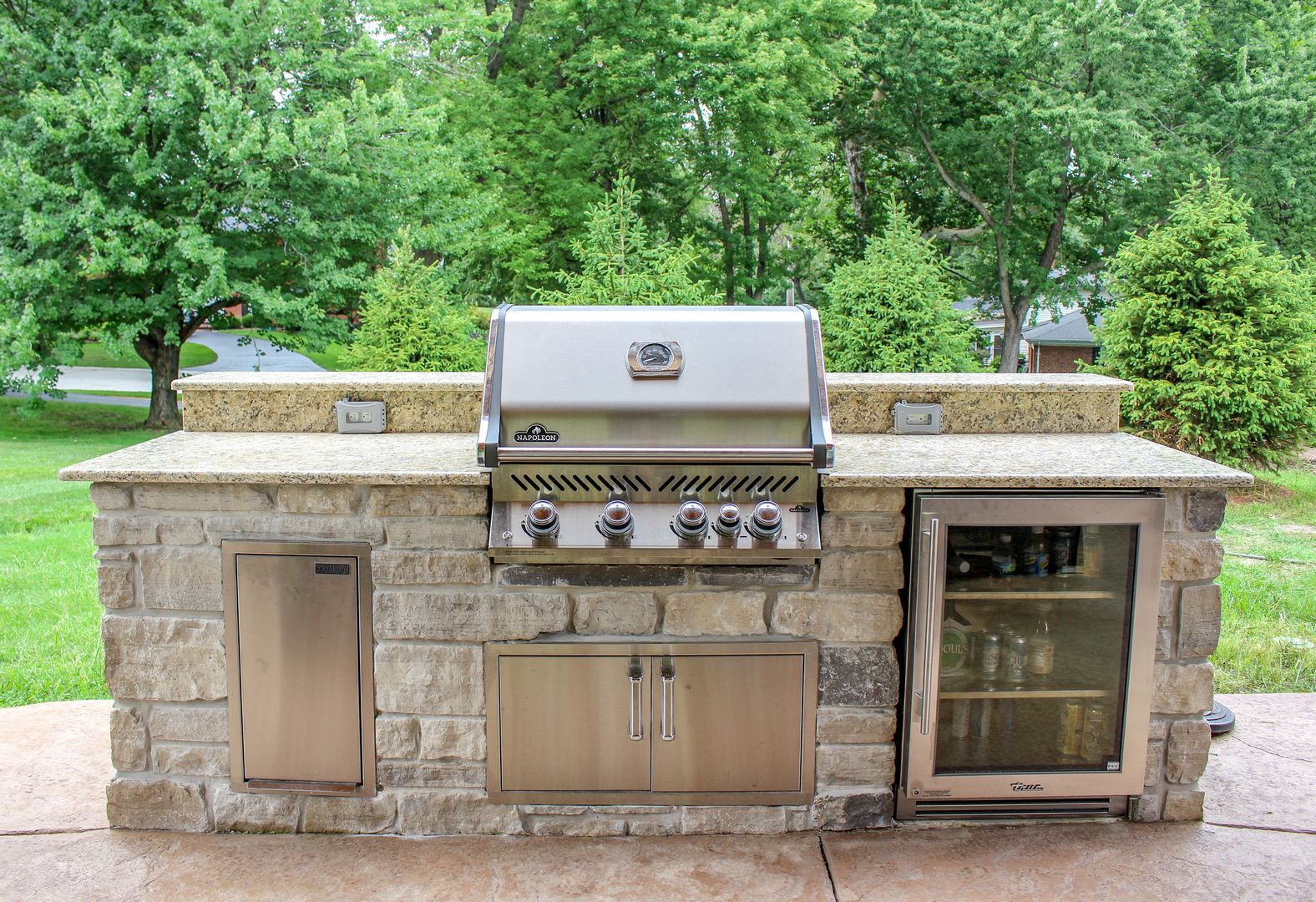
Gas-fueled fireplaces offer convenience and ease of use. They light quickly and provide consistent heat. Gas grills are also cleaner and produce less smoke than wood-burning models. However, they lack the traditional flavor of wood-fired cooking. Some gas grills can be converted to use propane or natural gas, providing flexibility.
Safety Precautions
Safety is paramount when using an outdoor fireplace grill. Follow these precautions:
- Keep a fire extinguisher or water hose nearby in case of emergencies.
- Never leave a fire unattended.
- Ensure the fireplace is placed on a non-flammable surface away from combustible materials.
- Supervise children and pets around the fire.
- Use heat-resistant gloves and utensils when cooking.
- Clean the grill regularly to prevent grease buildup.
- Dispose of ashes properly in a metal container.
- Be aware of wind conditions, as strong winds can spread embers.
- Never use flammable liquids to start or accelerate a fire.
Grilling Techniques for Outdoor Fireplaces
Grilling over an open flame requires a slightly different approach than using a conventional gas or charcoal grill.
Heat Management
Controlling the heat is crucial. With wood-burning fireplaces, you can adjust the heat by adding or removing wood. With gas grills, you can adjust the burner settings. Use a meat thermometer to ensure food is cooked to the proper internal temperature.
Think of heat management like adjusting the volume on a stereo – too loud, and it distorts; too quiet, and you can't hear it.
Direct vs. Indirect Heat
Direct heat involves cooking food directly over the flames. This is ideal for searing steaks, burgers, and vegetables. Indirect heat involves cooking food to the side of the flames. This is suitable for larger cuts of meat, such as roasts or chickens, which require longer cooking times.
Using Wood Chips or Chunks
Adding wood chips or chunks to a wood-burning fireplace can enhance the smoky flavor of your food. Soak the wood chips in water for at least 30 minutes before adding them to the fire. Popular wood choices include hickory, mesquite, apple, and cherry.
Grilling Accessories
Investing in quality grilling accessories can make your cooking experience more enjoyable. Essential accessories include a grill brush, tongs, spatula, meat thermometer, and heat-resistant gloves.
Maintaining Your Outdoor Fireplace Grill
Proper maintenance will prolong the life of your outdoor fireplace grill and ensure optimal performance.
Cleaning
Clean the grill grates after each use to remove food debris and grease. Use a grill brush to scrub the grates thoroughly. For stubborn stains, you can soak the grates in warm, soapy water.
Inspecting
Regularly inspect the fireplace for cracks, damage, or rust. Repair any damage promptly to prevent further deterioration. For metal fireplaces, apply a rust-resistant coating to protect the surface.
Winterizing
Prepare your fireplace for winter by covering it with a waterproof tarp or storing it in a shed or garage. This will protect it from the elements and prevent damage. Clean the fireplace thoroughly before storing it.
Conclusion
An outdoor fireplace with a cooking grill is a wonderful addition to any outdoor living space. By carefully considering your needs, budget, and preferences, you can choose the perfect model to enhance your backyard and create memorable grilling experiences. Remember to prioritize safety, practice proper grilling techniques, and maintain your fireplace regularly to ensure years of enjoyment.