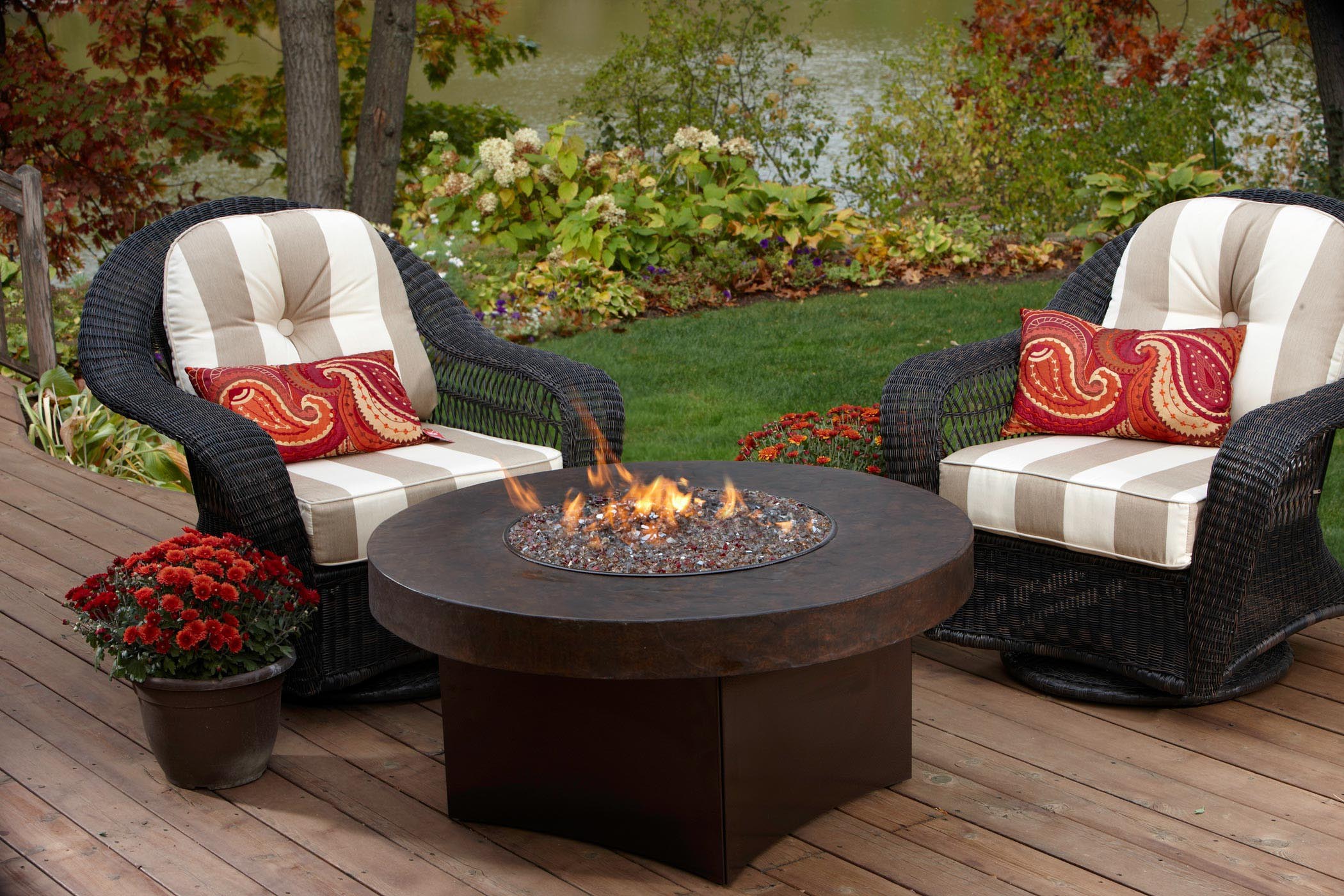
Outdoor Furniture For Around A Fire Pit
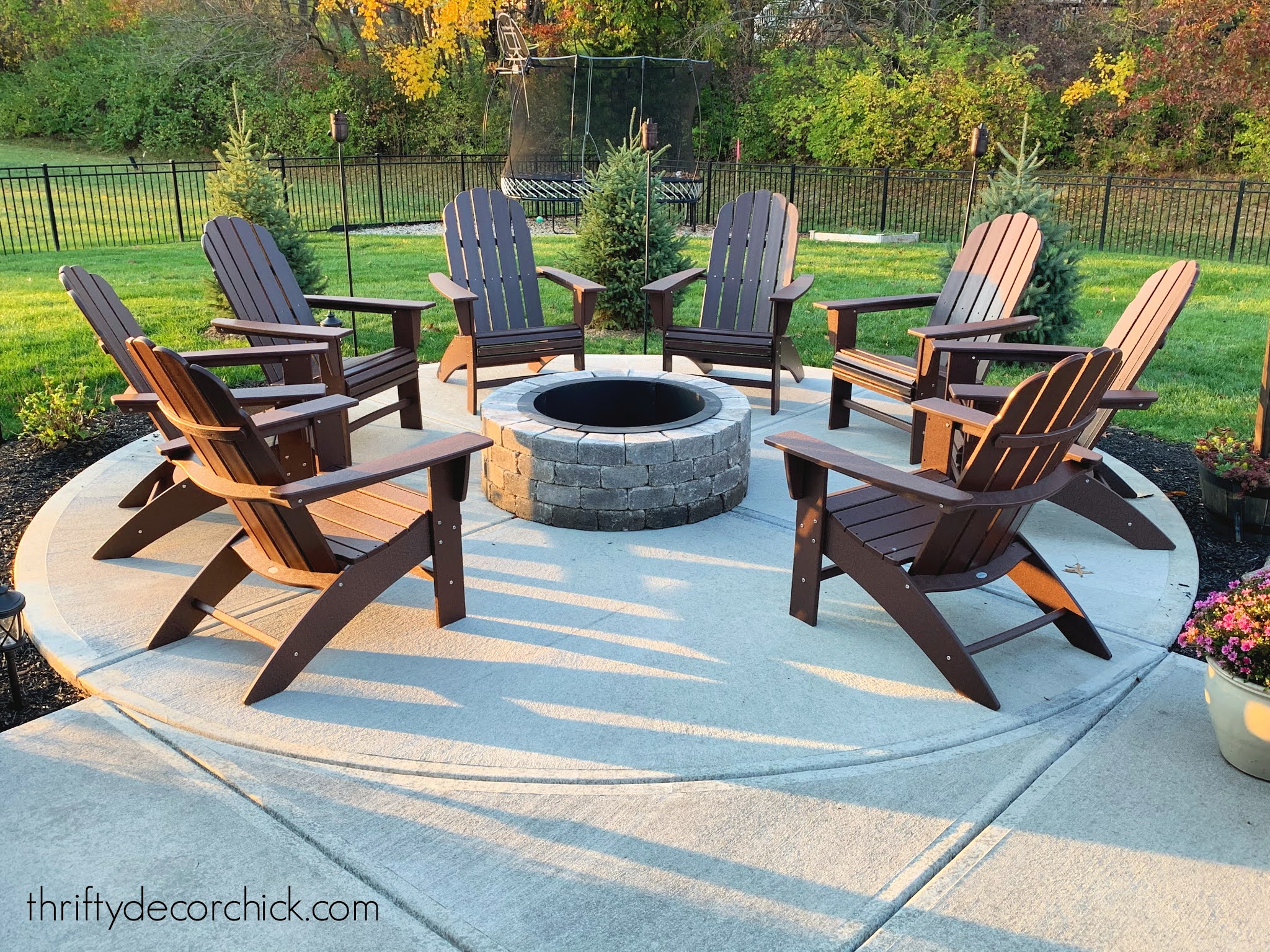
Enjoying a crackling fire in your backyard fire pit is a quintessential outdoor experience. But that experience can quickly sour if your outdoor furniture isn't up to the task. One of the most common issues homeowners face is furniture that gets excessively hot near the fire, or, conversely, retains the cold too much on chilly evenings, making it uncomfortable even near the warmth.
Diagnosing the Comfort Problem: Hot or Cold Seating
Before you throw out your favorite Adirondack chairs, let's systematically figure out why your outdoor furniture is making you sweat or shiver. We'll walk through a step-by-step troubleshooting process, starting with simple observations and moving to more involved checks.
Step 1: Initial Observation (No Tools Needed)
Begin by assessing the situation with your senses. This first step requires no tools and helps narrow down the potential causes.
- Time of Day: Does the problem only occur at certain times of the day? Furniture baking in direct sunlight will obviously get much hotter than furniture shaded by a tree. Similarly, furniture in a shaded area might retain the cold longer.
- Wind Direction: Is the problem worse when the wind is blowing in a specific direction? Wind can carry heat directly towards or away from your seating area.
- Proximity to Fire: How close is the furniture to the fire pit? The closer you are, the more radiant heat you'll experience.
- Type of Fire: Is it a wood-burning fire, a propane fire, or a natural gas fire? Wood fires tend to produce more radiant heat, especially large ones. Propane and natural gas fires generally produce less, but burner malfunctions can increase the heat output.
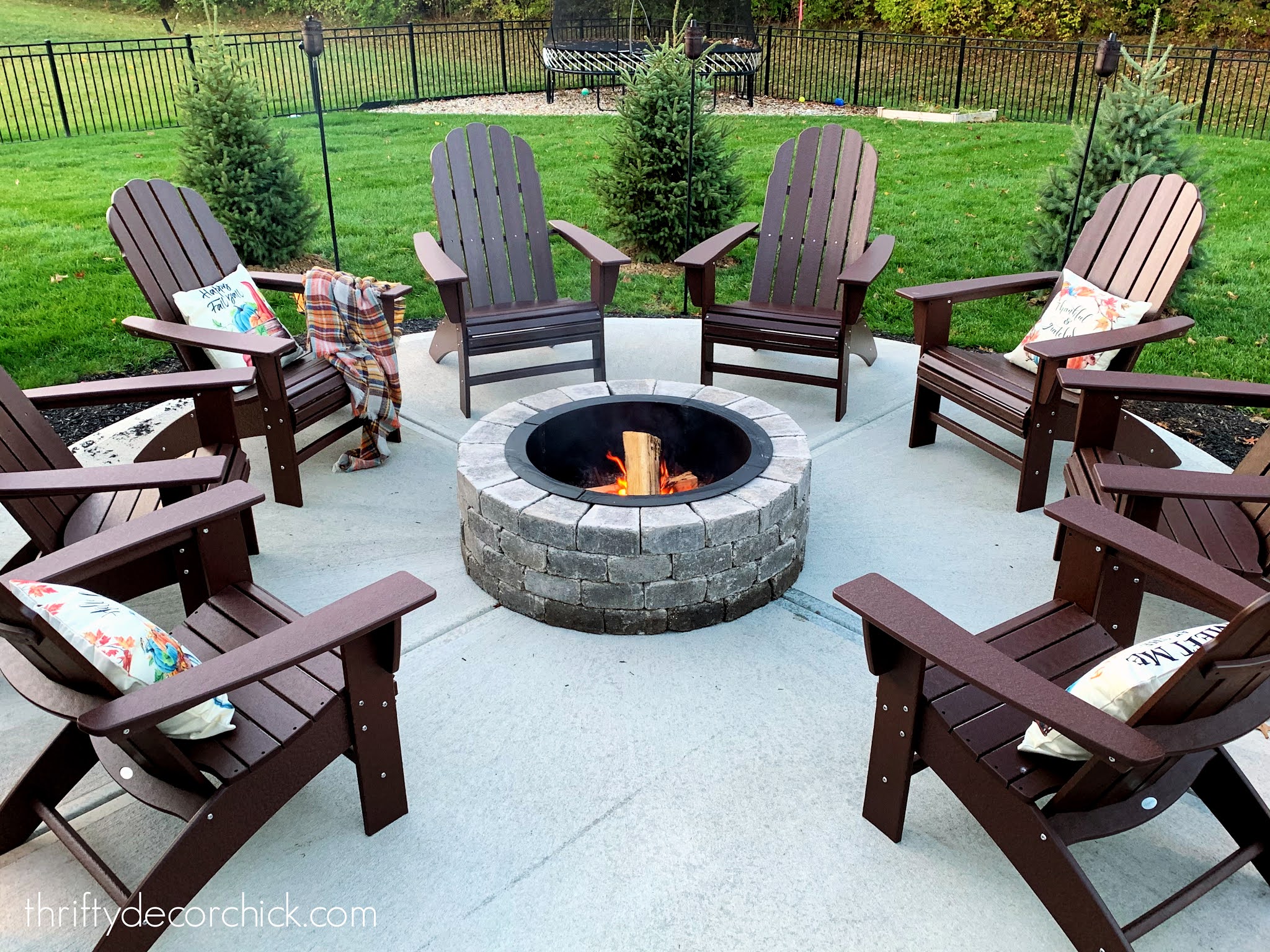
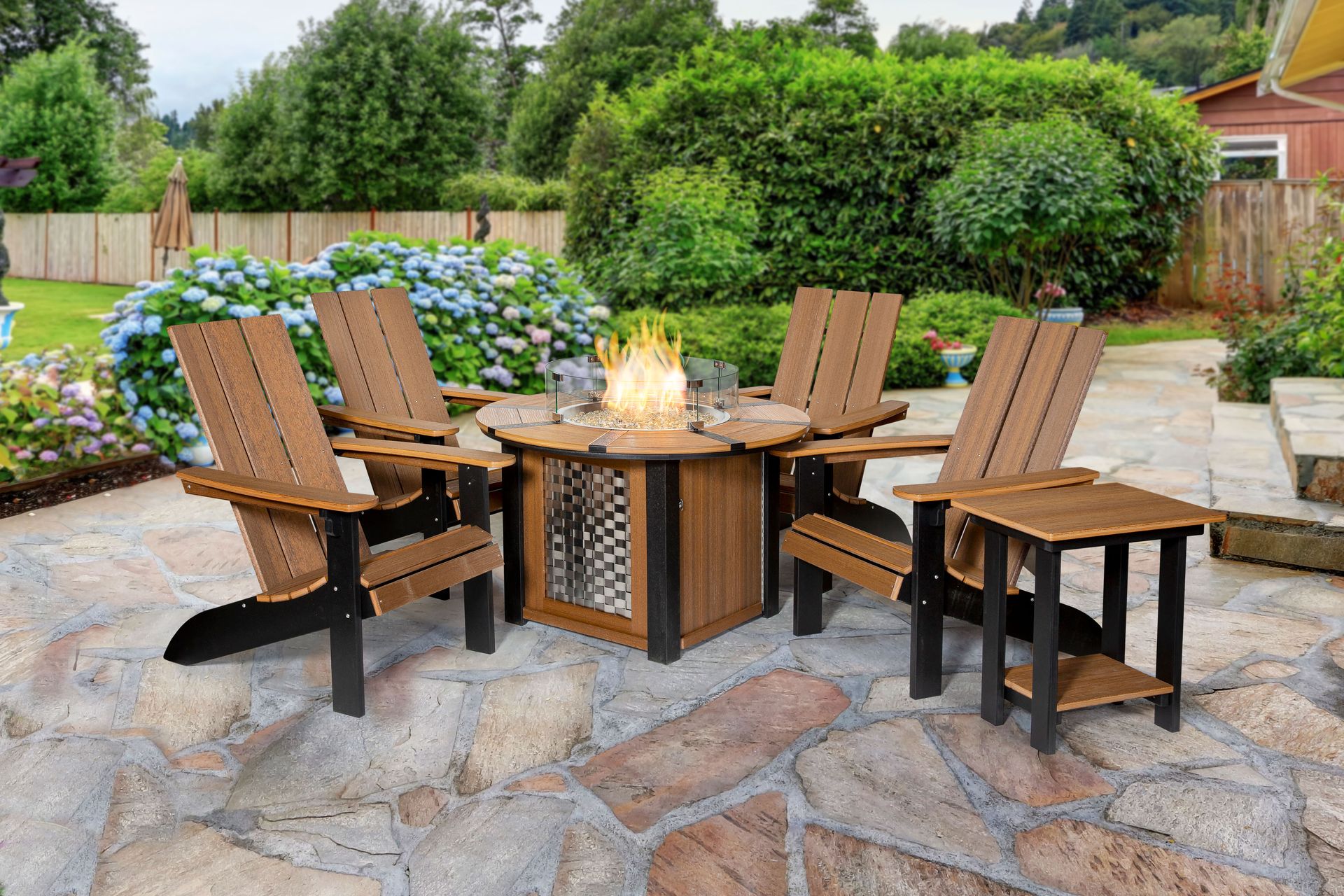
- Material of Furniture: This is crucial! Metal furniture conducts heat extremely well, becoming uncomfortably hot or cold. Plastic can also heat up, although not as efficiently as metal, and may even melt if too close to the flame. Wood generally stays cooler than metal or plastic, but dark wood can still absorb significant heat. Wicker, especially synthetic wicker, can also be problematic, sometimes retaining heat or becoming brittle with prolonged exposure.
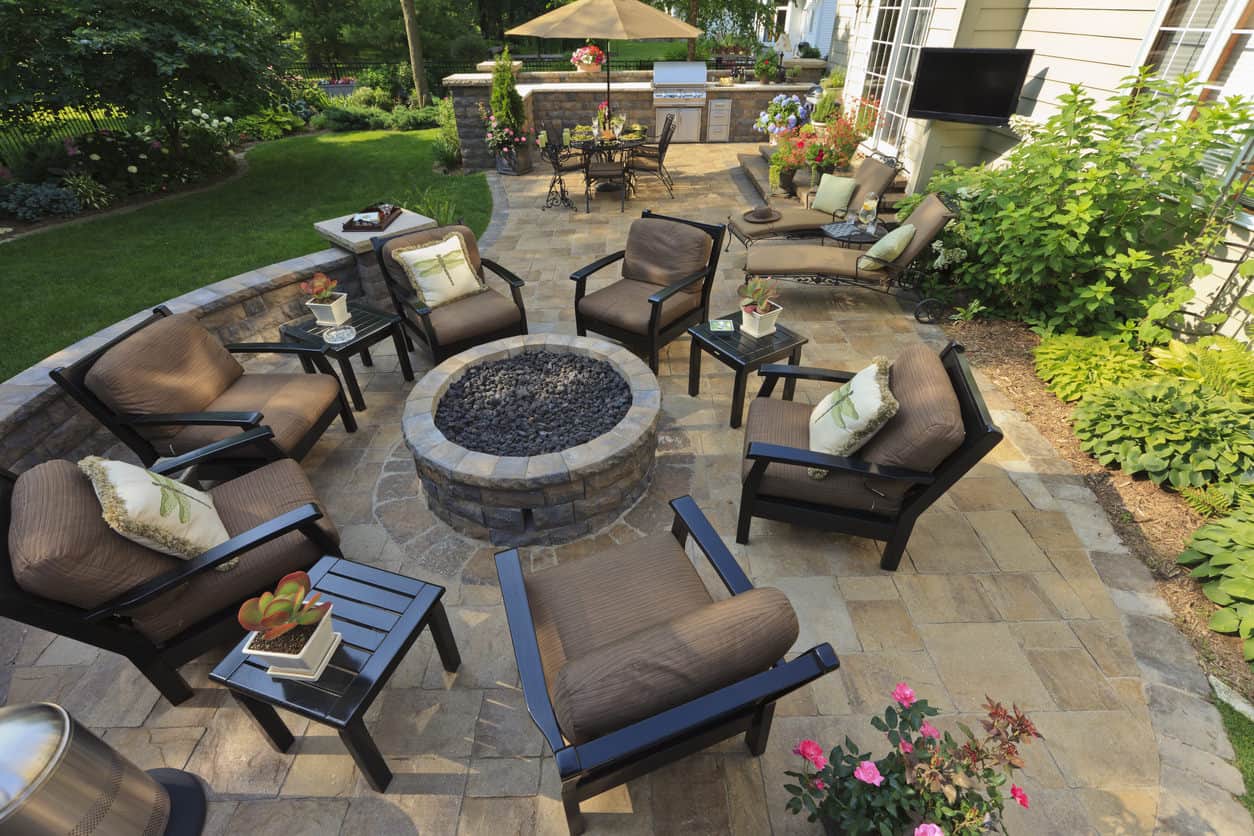
- Cushions: Are you using cushions? What are they made of? Dark-colored cushions absorb more heat than light-colored ones. Certain cushion materials can also trap heat or cold against your skin.
- Air Circulation: Is there good air circulation around the furniture? Stagnant air can trap heat or cold, making the problem worse.
Action: Make notes on all these observations. This information will be invaluable as we move to the next steps.
Step 2: Evaluating the Furniture Material (No Tools Needed)
Let's dig deeper into the material of your furniture. Some materials are simply better suited for use around a fire pit than others.
- Metal Furniture: Highly conductive. Avoid placing metal furniture directly next to a fire pit unless you're using thick cushions or throws as insulation. Consider furniture with powder-coated finishes, which can help reflect some heat. Check for any signs of rust or damage, as this can make the metal more susceptible to temperature fluctuations.
- Plastic Furniture: Can warp or melt if too close to the heat. Be extremely cautious with plastic furniture and maintain a safe distance. Check for any signs of melting, warping, or discoloration. Avoid dark-colored plastic, which absorbs more heat.
- Wood Furniture: Generally a better choice than metal or plastic. However, dark-stained wood can still absorb a significant amount of heat. Consider lighter-colored wood or furniture made from heat-resistant woods like teak. Check for any signs of dryness or cracking, as heat can accelerate wood damage.
- Wicker Furniture (Natural or Synthetic): Natural wicker can dry out and become brittle with heat exposure. Synthetic wicker can melt or become sticky. Check for any signs of damage, such as fraying, cracking, or melting. Avoid placing wicker furniture too close to the fire.
- Cushions and Fabrics: Choose fabrics that are heat-resistant and breathable, such as outdoor-rated acrylics or solution-dyed polyesters. Avoid dark colors and materials that trap heat, like vinyl. Check for any signs of fading, cracking, or damage from heat exposure.
Action: Based on your observations and the material analysis, determine if the furniture material itself is the primary culprit. If so, consider rearranging the furniture or replacing it with more suitable options.
Step 3: Assessing Fire Pit Functionality (Basic Equipment May Be Needed)
If the furniture material isn't the sole problem, the fire pit itself might be contributing to the issue. This step may require some basic tools, depending on the type of fire pit you have.
Wood-Burning Fire Pits
- Fuel Source: Are you using the right type of wood? Softwoods like pine burn hotter and faster than hardwoods like oak or maple. Using too much softwood can create an excessively hot fire.
- Fire Size: Are you building excessively large fires? Smaller fires are generally more manageable and produce less radiant heat.
- Airflow: Is the fire pit designed for proper airflow? Insufficient airflow can lead to smoldering and excessive smoke, while too much airflow can cause the fire to burn too hot. Check for any obstructions in the air vents.
- Safety Screen: Is the fire pit equipped with a safety screen? A screen can help reduce the amount of radiant heat emitted by the fire.
Action: Adjust the type and amount of wood you're using. Ensure the fire pit has proper airflow. Consider adding a safety screen if one is not already in place.
Propane or Natural Gas Fire Pits
- Burner Flame: Inspect the burner flame. It should be blue with yellow tips. A yellow or orange flame indicates incomplete combustion, which can produce more heat and soot.
- Burner Cleanliness: Check the burner for any debris or blockages. Clean the burner with a wire brush if necessary.
- Gas Pressure: If the flame is too high or low, the gas pressure may be incorrect. This should only be adjusted by a qualified technician. Incorrect gas pressure can be dangerous.
- Valve Operation: Ensure the gas valve is operating smoothly. A sticky or malfunctioning valve can lead to inconsistent flame height.
- Propane Tank Level: For propane fire pits, check the propane tank level. A low tank can cause a weak flame.
- Gas Line Leak: This is extremely important! Sniff around the gas line connections for any gas odor. If you smell gas, immediately shut off the gas supply and contact a qualified technician. Do not use the fire pit until the leak is repaired. A simple soapy water test can help detect leaks (apply soapy water to connections and look for bubbles), but professional leak testing is always recommended.
Equipment Needed (Potentially): Wire brush, adjustable wrench (for propane tank connection – use cautiously and only if comfortable), soapy water solution (for leak testing – use cautiously).
Action: Clean the burner. Check the propane tank level. If you suspect a gas leak or any issue with the gas pressure or valve operation, immediately contact a qualified technician. Do not attempt to repair these issues yourself.
Step 4: Modifying the Environment (No Tools Needed)
Sometimes, simple adjustments to the surrounding environment can make a big difference.
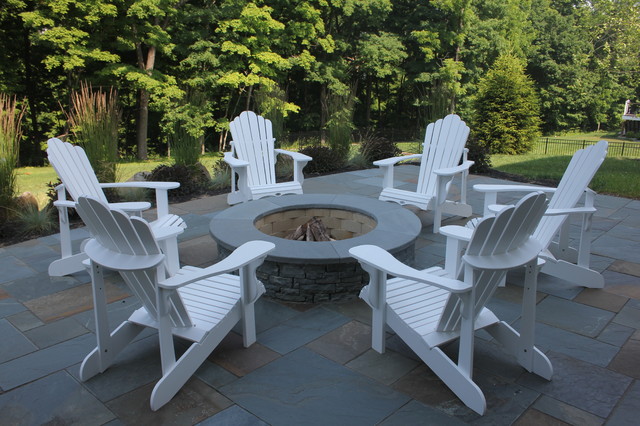
- Furniture Placement: Rearrange the furniture to increase the distance from the fire pit. Even a few extra feet can significantly reduce the amount of radiant heat or cold exposure.
- Windbreaks: Erect a windbreak, such as a fence, screen, or row of shrubs, to block wind from carrying heat towards or away from the seating area.
- Shade: Provide shade during the day to prevent the furniture from overheating. Use umbrellas, awnings, or trees to create a shaded area.
- Cushions and Throws: Use thick cushions and throws to insulate yourself from the furniture. Choose materials that are breathable and heat-resistant or provide warmth in cooler weather. Consider using light-colored cushions to reflect heat during the day.
- Strategic Landscaping: Plant low-growing shrubs or ground cover around the fire pit to help absorb radiant heat and moderate temperatures.
Action: Implement these environmental modifications and reassess the comfort level of your outdoor furniture.
Step 5: Advanced Solutions and Professional Help
If you've tried all the above steps and are still experiencing problems, it might be time to consider more advanced solutions or seek professional help.
- Reflective Barriers: Install a heat-reflective barrier between the fire pit and the furniture. These barriers are typically made of metal or ceramic and can help redirect radiant heat upwards.
- Professional Fire Pit Inspection: Have a qualified technician inspect your fire pit to ensure it's operating safely and efficiently. This is especially important for propane and natural gas fire pits.
- Furniture Replacement: If all else fails, consider replacing your furniture with options that are better suited for use around a fire pit. Look for furniture made from heat-resistant materials or designed with built-in cooling features.
When to Call a Professional
It's crucial to know when a problem is beyond your DIY capabilities and requires professional assistance. Always call a qualified technician in the following situations:
- Any suspected gas leak. Gas leaks are extremely dangerous and can lead to explosions or carbon monoxide poisoning.
- Problems with gas pressure or valve operation in propane or natural gas fire pits. Adjusting gas pressure or repairing valves requires specialized knowledge and equipment.
- Electrical issues with electric fire pits. Working with electricity can be hazardous if you're not properly trained.
- Any uncertainty about the safety or functionality of your fire pit. It's always better to err on the side of caution when dealing with fire and gas.
- You are uncomfortable performing any of the troubleshooting steps outlined above. Your safety is paramount.
Conclusion
Troubleshooting outdoor furniture comfort issues around a fire pit can be a process of elimination. By systematically following these steps, you can identify the root cause of the problem and implement effective solutions. Remember to prioritize safety and never hesitate to seek professional help when needed. With a little effort, you can create a comfortable and enjoyable outdoor living space where you can relax and enjoy the warmth of the fire.