Outdoor Privacy Screen For Air Conditioner

Many homeowners find the sight of their outdoor air conditioning unit less than appealing. While essential for keeping your home cool, the unit can be an eyesore and a potential noise nuisance. Fortunately, an outdoor privacy screen offers a practical and aesthetically pleasing solution. This guide explores the benefits, materials, styles, installation, and considerations when choosing the best privacy screen for your air conditioner.
Why Use an Outdoor Privacy Screen for Your Air Conditioner?
Beyond aesthetics, a privacy screen provides several advantages:
Improved Aesthetics
Let's face it: air conditioning units aren't known for their beauty. A well-chosen screen can hide the unit, blending it seamlessly into your landscaping. It instantly improves the curb appeal of your home.
Noise Reduction
While modern AC units are generally quieter than older models, they still produce some noise. A dense privacy screen can slightly reduce the sound that reaches your neighbors or patio, creating a more peaceful outdoor environment. Think of it as a partial sound barrier, deflecting some of the noise waves.
Protection from the Elements
A screen can shield your AC unit from direct sunlight, heavy rain, and snow. Excessive sun exposure can degrade the plastic components over time. While AC units are designed for outdoor use, this added protection can potentially extend the unit's lifespan.
Security
A screen can deter vandalism and theft. Although not a foolproof solution, it makes the unit less visible and accessible to potential intruders. A sturdy screen can add a layer of security. Consider screens that can be locked or secured to the ground for added protection.
Compliance with HOA Regulations
Many Homeowners Associations (HOAs) have rules about the visibility of air conditioning units. A privacy screen can help you comply with these regulations and avoid potential fines. Always check with your HOA before installing any structure.
Choosing the Right Material
The material of your privacy screen significantly impacts its appearance, durability, and cost. Here are some popular options:
Wood
Wood offers a classic and natural look. Cedar and redwood are excellent choices due to their resistance to rot and insects. Wood screens can be painted or stained to match your home's exterior. However, wood requires regular maintenance, such as painting or staining, to prevent weathering and decay. Consider the type of wood and its resistance to the climate in your area.
Vinyl
Vinyl is a low-maintenance option that's resistant to moisture, rot, and insects. It's available in a variety of colors and styles. Vinyl screens are easy to clean and require minimal upkeep. They're a good choice for homeowners who want a durable and hassle-free option. Be aware that some vinyl options may appear less natural than wood.
Metal
Metal, such as aluminum or steel, offers a modern and durable option. Metal screens can be powder-coated for added protection and come in various designs, including laser-cut patterns. They are very durable but can be more expensive. Aluminum is lightweight and rust-resistant, while steel is stronger but more prone to rust if not properly treated. Consider the weight of the metal screen, especially if you plan to move it.
Composite
Composite materials, made from a blend of wood fibers and plastic, offer the best of both worlds. They are durable, low-maintenance, and resistant to rot and insects. Composite screens mimic the look of wood but require less upkeep. They're a great option for homeowners who want the aesthetic appeal of wood without the maintenance.
Living Screens (Plants)
A living screen, such as a hedge or climbing vines, is an eco-friendly and visually appealing option. Choose plants that are dense and fast-growing to provide adequate coverage. Ensure the plants will not grow so large as to impede proper airflow to the AC unit. Consider the mature size of the plants and their maintenance requirements, such as watering and pruning. Remember that living screens may take time to fully mature and provide complete coverage.
Styles of Privacy Screens
The style of your privacy screen should complement your home's architecture and landscaping.
Solid Screens
Solid screens provide maximum privacy and noise reduction. They completely block the view of the AC unit. Solid screens can be made from wood, vinyl, or metal. Consider the potential for reduced airflow with solid screens and ensure adequate ventilation for the AC unit.
Lattice Screens
Lattice screens feature a crisscross pattern that allows for some airflow and visibility. They offer a balance between privacy and ventilation. Lattice screens are often used as a support for climbing plants. They are a good compromise if you want some privacy but don't want to completely block the view.
Slatted Screens
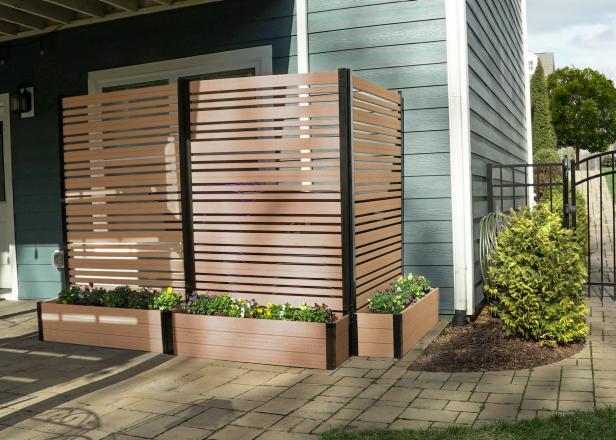
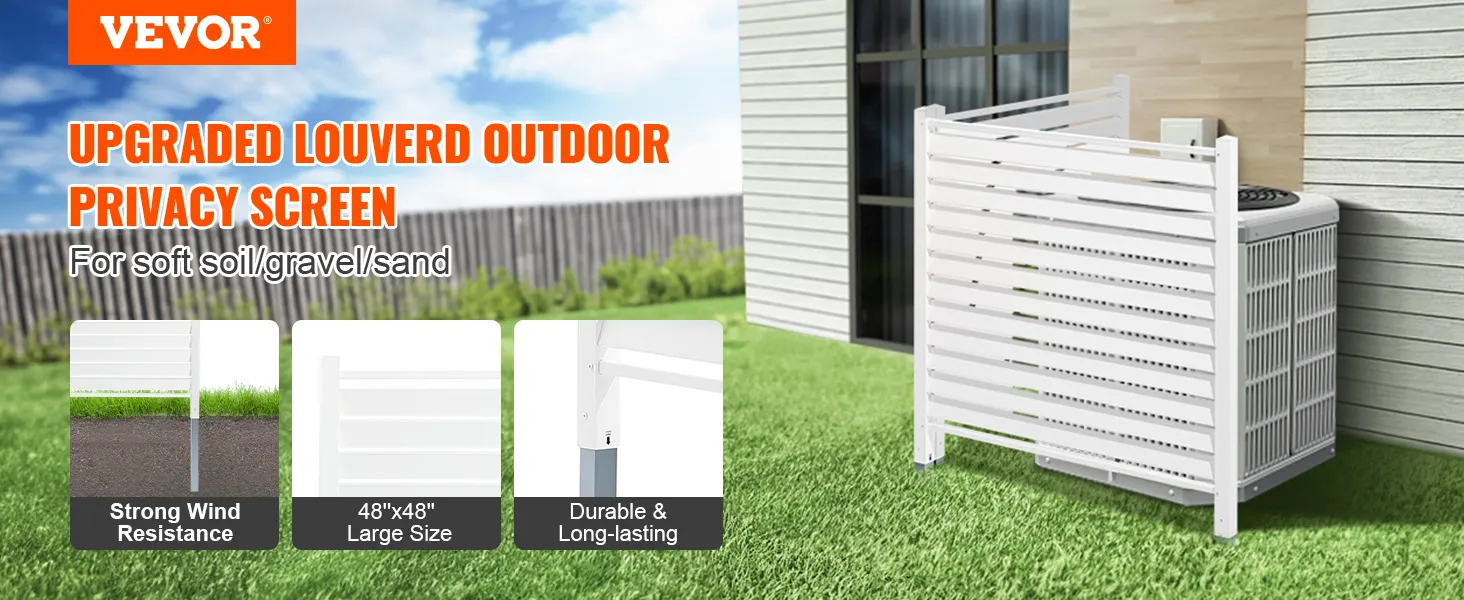
Slatted screens consist of horizontal or vertical slats that provide partial privacy and good airflow. The spacing between the slats can be adjusted to control the level of privacy. Slatted screens offer a modern and stylish look. They are a good option if you want to partially conceal the AC unit while maintaining good ventilation.
Decorative Panels
Decorative panels come in a variety of designs, including laser-cut patterns and geometric shapes. They add a touch of elegance and visual interest to your outdoor space. Decorative panels can be made from metal, wood, or composite materials. Consider the overall aesthetic of your outdoor space when choosing a decorative panel.
Installation Considerations
Proper installation is crucial to ensure the screen is stable and doesn't impede the AC unit's performance.
Airflow
The most important consideration is airflow. Air conditioning units need adequate ventilation to operate efficiently. Blocking the airflow can cause the unit to overheat and potentially damage the compressor. Ensure the screen provides ample space around the unit for air to circulate. A general rule of thumb is to maintain at least 12-24 inches of clearance on all sides of the unit.
Accessibility
The screen should allow easy access to the AC unit for maintenance and repairs. Consider a design with removable panels or a gate. You don't want to make it difficult for technicians to service the unit. This will save you time and money in the long run.
Placement
Place the screen far enough away from the unit to allow for adequate airflow and prevent the unit from vibrating against the screen. Make sure the screen is level and stable. Consider the direction of prevailing winds when positioning the screen. You want to avoid directing the unit's exhaust towards a patio or seating area.
DIY vs. Professional Installation
Depending on your skills and the complexity of the project, you can either install the screen yourself or hire a professional. DIY installation can save you money, but it requires careful planning and execution. Professional installation ensures the screen is properly installed and meets all safety requirements. If you're unsure about your abilities, it's best to hire a professional.
Maintenance
Regular maintenance will keep your privacy screen looking its best and ensure its longevity.
Cleaning
Clean the screen regularly to remove dirt, debris, and mildew. Use a mild detergent and water. A power washer can be used on some materials, but be careful not to damage the surface. Regular cleaning will prevent the buildup of dirt and grime and keep the screen looking fresh.
Repairs
Repair any damage to the screen promptly. This includes fixing loose screws, patching holes, and replacing damaged panels. Prompt repairs will prevent the damage from worsening and extend the lifespan of the screen.
Painting/Staining
Wood screens may require periodic painting or staining to protect them from the elements. Follow the manufacturer's recommendations for the type of paint or stain to use. Regular painting or staining will keep the wood looking its best and prevent rot and decay.
Cost Considerations
The cost of an outdoor privacy screen varies depending on the material, style, and size. Generally, you should anticipate the following:
- Material Costs: Wood typically requires more upfront cost.
- Installation Costs: Professional installation will add to the overall cost. Factor in labor and any necessary permits.
- Maintenance Costs: Consider the long-term maintenance costs associated with each material. Vinyl and composite materials generally have lower maintenance costs than wood.
Budget carefully and consider all factors before making a decision.
Alternatives to Traditional Privacy Screens
If you're looking for alternatives to traditional privacy screens, consider these options:
- Landscaping: Use shrubs, trees, or tall grasses to create a natural screen around the AC unit. This is an aesthetically pleasing and eco-friendly option.
- Decorative Fencing: Install a small section of decorative fencing around the AC unit. Choose a style that complements your home's architecture.
- Custom Enclosures: Build a custom enclosure around the AC unit. This allows you to create a unique and personalized look.
Conclusion
An outdoor privacy screen for your air conditioner is a worthwhile investment that enhances the aesthetics, provides protection, and potentially reduces noise. By carefully considering the material, style, installation, and maintenance requirements, you can choose the perfect screen to complement your home and improve your outdoor living space. Remember to prioritize airflow to ensure the efficient operation of your AC unit. Take the time to research your options and make an informed decision. With the right privacy screen, you can transform your AC unit from an eyesore into a seamless part of your landscape.