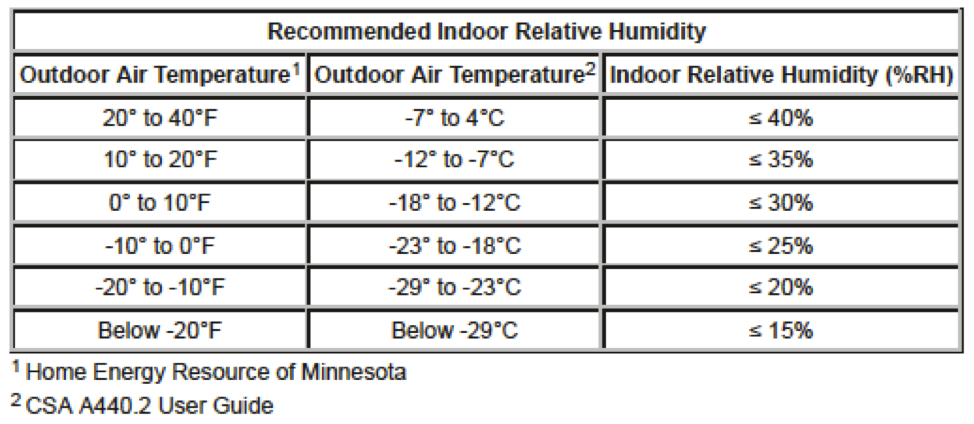
Outdoor Temperature And Indoor Humidity Chart

Understanding the relationship between outdoor temperature and indoor humidity is critical for maintaining comfortable and healthy indoor environments. As HVAC professionals, we constantly juggle these factors to optimize system performance and ensure occupant well-being. This article explores the interplay between these elements, how to interpret relevant charts, and what this knowledge means for your career in the HVAC industry.
The Science Behind Temperature and Humidity
Relative humidity (RH) refers to the amount of moisture in the air compared to the maximum amount of moisture the air could hold at a specific temperature. Warm air can hold more moisture than cold air. Therefore, even if the absolute amount of moisture stays constant, relative humidity will decrease as the temperature rises and increase as the temperature drops. This inverse relationship forms the basis for how we manage indoor comfort using HVAC systems.
High humidity can make a room feel much warmer than it is, hindering the body's ability to cool itself through perspiration. Conversely, low humidity can lead to dry skin, irritated sinuses, and increased susceptibility to respiratory infections. Maintaining optimal humidity levels (typically between 30% and 60%) is essential for both comfort and health.
Decoding the Outdoor Temperature and Indoor Humidity Chart
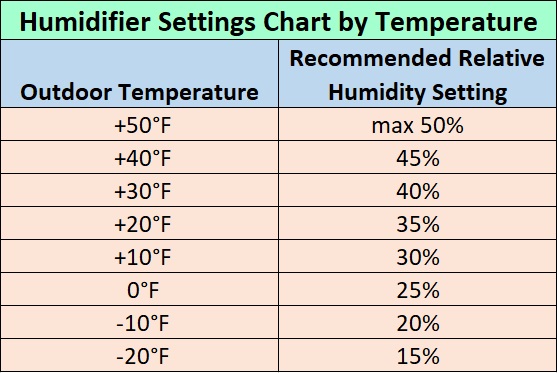
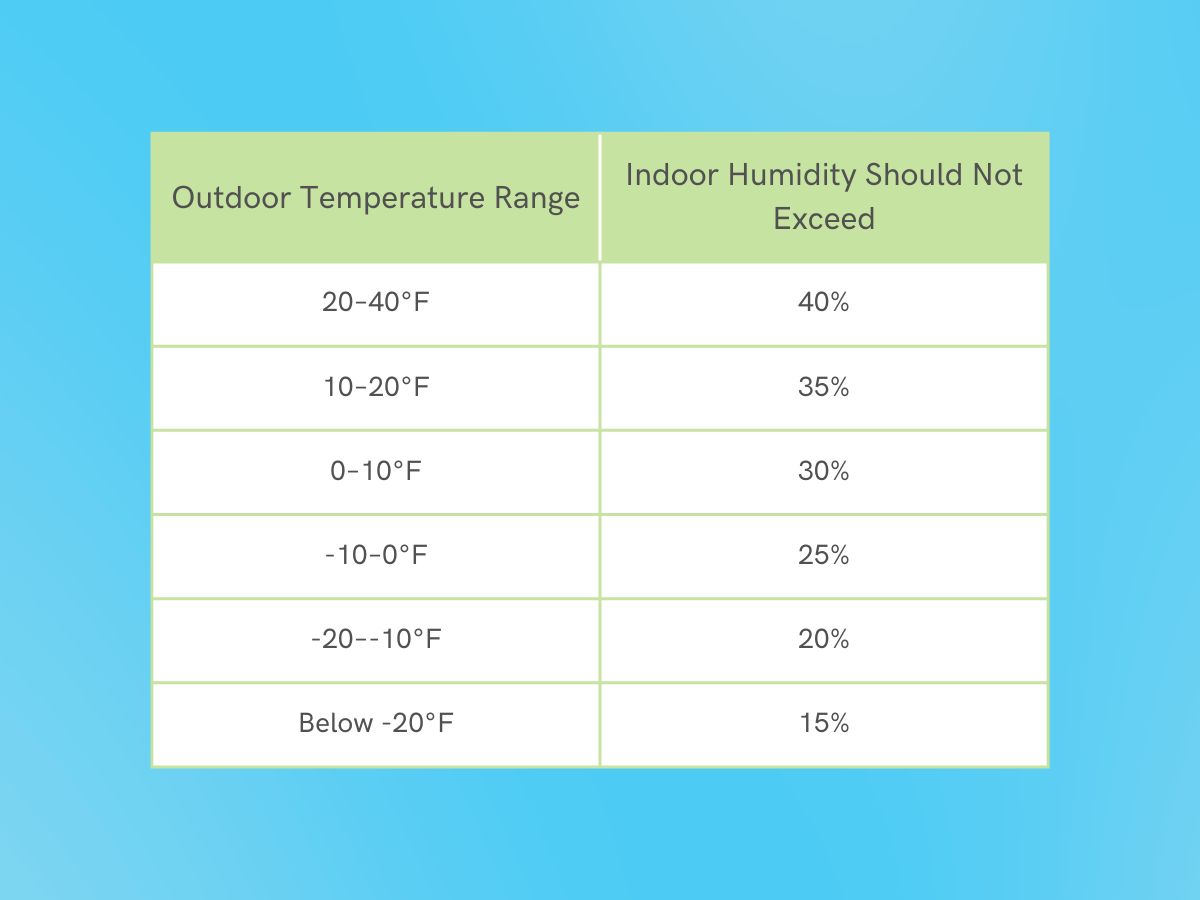
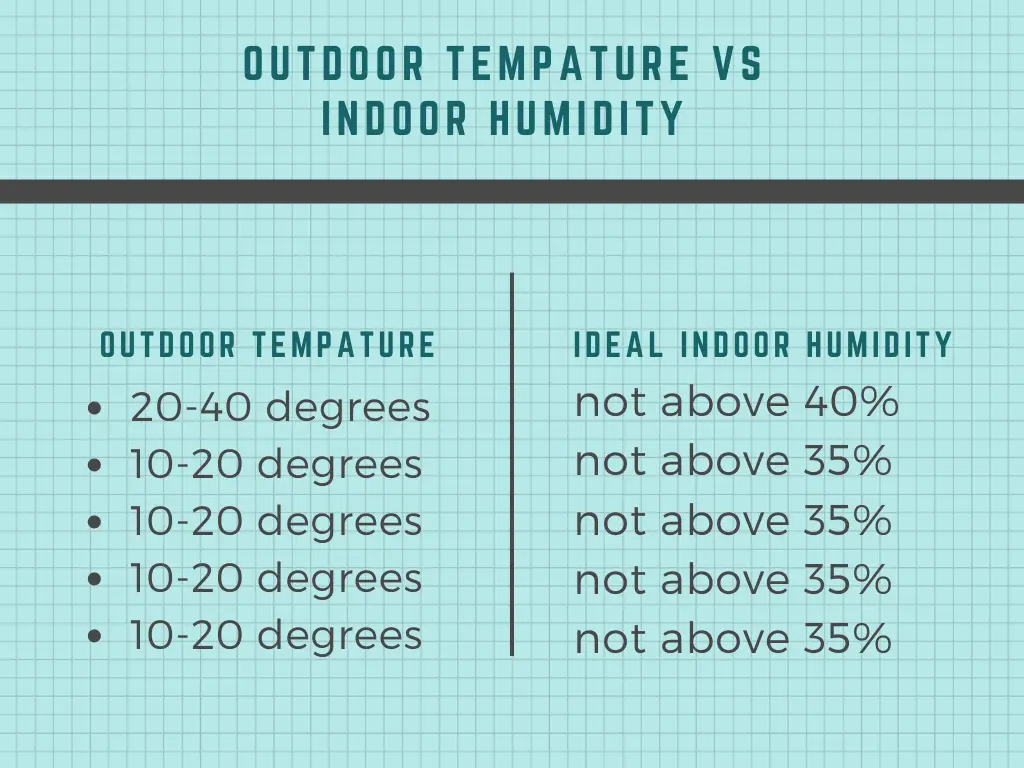
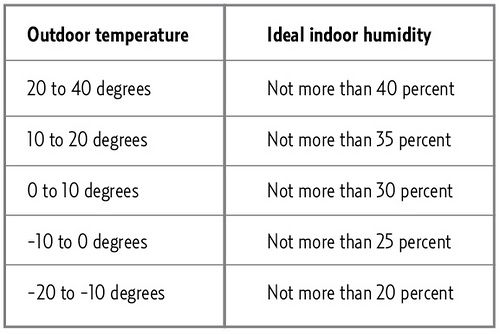
An outdoor temperature and indoor humidity chart is a valuable tool for HVAC technicians. It provides a visual representation of recommended indoor humidity levels based on the outdoor temperature. These charts help determine if the indoor humidity is within an acceptable range, considering the potential for condensation and other issues related to extreme conditions.
Here's how to typically read a chart:
- X-axis: Represents the outdoor temperature in degrees Fahrenheit (or Celsius).
- Y-axis: Represents the recommended maximum indoor relative humidity (RH) percentage.
- Curves or Zones: The chart is divided into zones or lines, each representing a different level of risk for condensation or other problems. For example, a higher outdoor temperature allows for a higher indoor humidity without causing issues. As the outdoor temperature drops, the recommended indoor humidity also decreases to prevent condensation on windows and walls.
Example: If the outdoor temperature is 20°F, the chart might recommend maintaining an indoor RH of no more than 30%. This helps prevent condensation on windows and subsequent mold growth. If the outdoor temperature rises to 50°F, the recommended indoor RH might increase to 45%.
Why This Matters for HVAC Professionals
Understanding these charts is crucial for several reasons:
- Troubleshooting: When a customer complains about discomfort, a chart can help quickly identify if the humidity is the primary issue. If the indoor humidity is too high for the current outdoor temperature, dehumidification strategies are needed. If it's too low, humidification might be required.
- System Optimization: Technicians can use the chart to adjust HVAC system settings for optimal performance. This may involve fine-tuning dehumidifiers, humidifiers, ventilation rates, and other components to achieve the desired indoor environment.
- Preventing Problems: Maintaining appropriate humidity levels prevents condensation, mold growth, and other moisture-related issues that can damage property and affect indoor air quality.
- Energy Efficiency: Properly managing humidity reduces the strain on HVAC systems, leading to lower energy consumption and utility bills.
The HVAC Career Landscape: A Promising Outlook
The demand for skilled HVAC technicians is projected to grow significantly in the coming years. According to the U.S. Bureau of Labor Statistics, the employment of heating, air conditioning, and refrigeration mechanics and installers is projected to grow 6 percent from 2022 to 2032, about as fast as the average for all occupations. About 38,000 openings for heating, air conditioning, and refrigeration mechanics and installers are projected each year, on average, over the decade. All of these openings are expected to result from the need to replace workers who retire or transfer to other occupations.
Several factors contribute to this growth: increasing construction activity, stricter energy efficiency standards, and the growing demand for sophisticated HVAC systems. Additionally, the increasing frequency and intensity of extreme weather events are driving the need for reliable and efficient climate control solutions.
The median annual wage for HVAC technicians was $51,390 in May 2022. The best-paid 10 percent earned more than $81,620. Salaries vary based on experience, location, certifications, and the type of employer.
Certifications: Boosting Your Career Potential
Earning industry-recognized certifications is essential for advancing your career in HVAC. These certifications demonstrate your knowledge and skills to employers and clients, often leading to higher pay and more job opportunities.
- NATE (North American Technician Excellence): NATE is the leading certification organization for HVAC technicians. NATE certification signifies that a technician has undergone rigorous testing and possesses the knowledge and skills to perform HVAC services competently.
- EPA Section 608 Certification: This certification is required by the Environmental Protection Agency (EPA) for technicians who handle refrigerants. It ensures that technicians understand proper refrigerant handling procedures to prevent ozone depletion.
- HVAC Excellence: This organization offers a variety of certifications covering different aspects of HVAC technology, from basic electricity to advanced system design.
- State and Local Licenses: Many states and municipalities require HVAC technicians to be licensed. Licensing requirements vary by location, but generally involve completing an apprenticeship, passing an exam, and meeting certain experience requirements.
Career Paths in HVAC
The HVAC industry offers a diverse range of career paths, from entry-level installer to specialized technician and even business owner. Here are a few examples:
- HVAC Installer: Installs and maintains heating, ventilation, and air conditioning systems in residential, commercial, and industrial settings.
- HVAC Service Technician: Diagnoses and repairs HVAC systems, often responding to service calls and performing preventative maintenance.
- HVAC Design Engineer: Designs and develops HVAC systems for new construction and renovation projects, considering factors such as energy efficiency, building codes, and occupant comfort.
- HVAC Sales Representative: Sells HVAC equipment and services to customers, providing technical expertise and building relationships.
- HVAC Project Manager: Oversees HVAC projects, coordinating with contractors, suppliers, and clients to ensure projects are completed on time and within budget.
- HVAC Business Owner: Owns and operates an HVAC company, managing employees, finances, and business development. Many start as technicians and build their own businesses after gaining experience.
Real-World Example: Maria, a recent graduate of an HVAC technical school, started her career as an installer's assistant. She focused on learning the fundamentals of system installation and troubleshooting. After two years, she obtained her EPA 608 certification and became a full-fledged service technician. Maria then pursued her NATE certification, which allowed her to specialize in energy-efficient HVAC systems. Now, she is a lead technician at a reputable HVAC company, earning a competitive salary and enjoying a fulfilling career.
Continuing Education: Staying Ahead of the Curve
The HVAC industry is constantly evolving, with new technologies and regulations emerging regularly. Continuing education is essential for staying ahead of the curve and maintaining your professional edge. Consider attending workshops, seminars, and online courses to learn about the latest advancements in HVAC technology, such as:
- Smart HVAC Systems: These systems use sensors, data analytics, and cloud connectivity to optimize performance and energy efficiency.
- Variable Refrigerant Flow (VRF) Systems: These systems offer precise temperature control and energy savings for commercial buildings.
- Geothermal Heat Pumps: These systems use the earth's natural heat to provide efficient heating and cooling.
- Sustainable HVAC Practices: These practices focus on reducing the environmental impact of HVAC systems through energy efficiency, refrigerant management, and waste reduction.
Investing in your professional development will not only enhance your skills and knowledge but also increase your earning potential and career opportunities. Don't underestimate the power of continuous learning in this dynamic industry.
The Future of HVAC: Embracing Technology and Sustainability
The HVAC industry is poised for significant transformation in the coming years, driven by advancements in technology and a growing emphasis on sustainability. As HVAC professionals, we must embrace these changes to remain competitive and contribute to a more sustainable future.
Expect to see greater integration of smart technologies in HVAC systems, enabling remote monitoring, predictive maintenance, and automated optimization. Building automation systems (BAS) will play an increasingly important role in managing indoor environments and reducing energy consumption.
Furthermore, the demand for energy-efficient and environmentally friendly HVAC solutions will continue to grow. Technicians with expertise in sustainable HVAC practices, such as refrigerant recovery and alternative refrigerant technologies, will be highly sought after.
By staying informed about the latest trends and investing in your professional development, you can position yourself for a successful and rewarding career in the evolving HVAC landscape. Remember, understanding the relationship between outdoor temperature and indoor humidity is just one piece of the puzzle. Continuously expanding your knowledge and skills will pave the way for a bright future in this essential industry.