Outdoor Wood Stove For Heating House

Heating your home with an outdoor wood stove can be a significant decision, offering potential cost savings and a more sustainable heating solution. However, it's crucial to understand the intricacies involved before committing. This guide provides a comprehensive overview of outdoor wood stoves for heating houses, covering everything from the basic principles to installation considerations and maintenance tips.
What is an Outdoor Wood Stove?
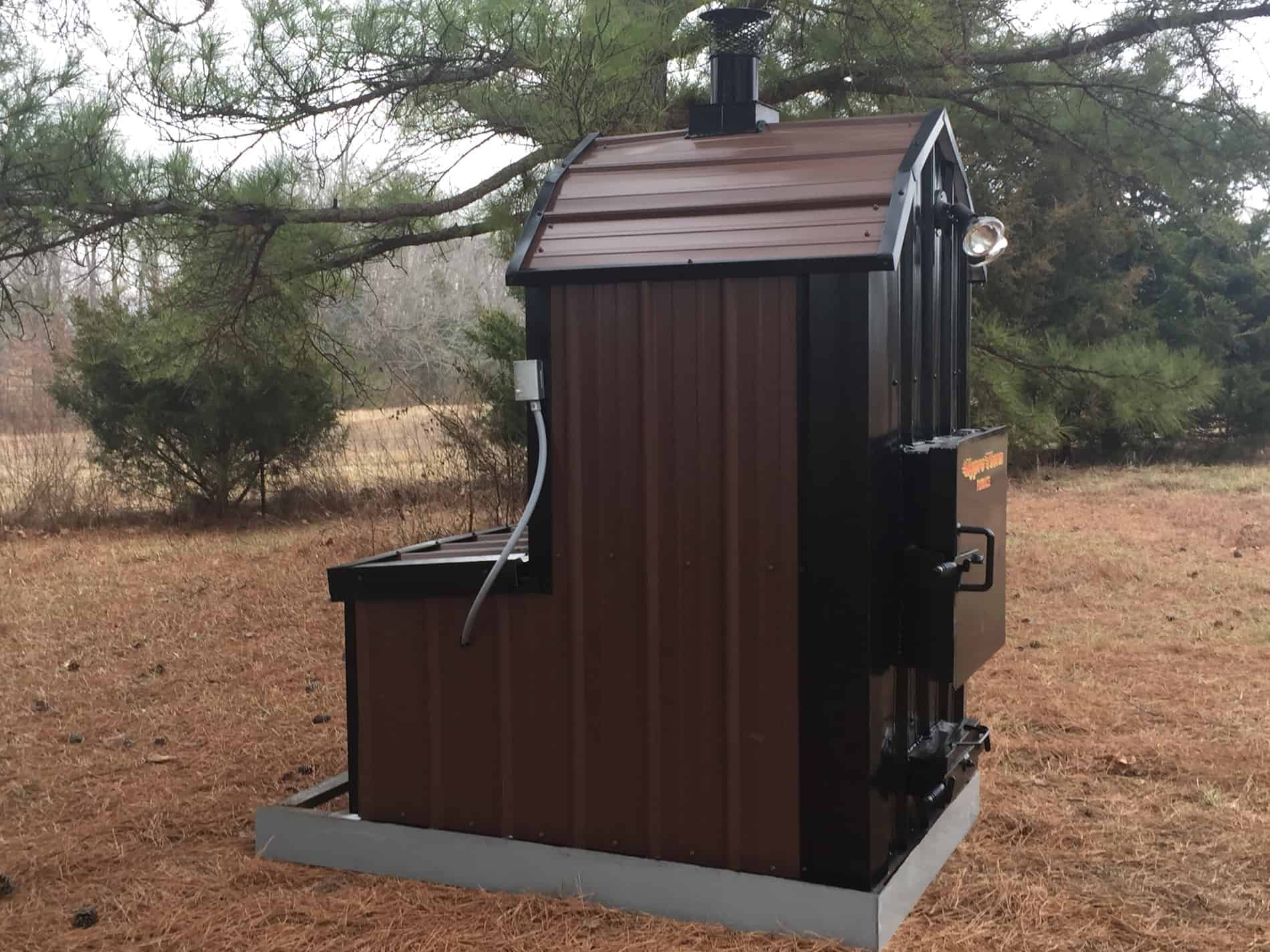
An outdoor wood stove, also known as an outdoor wood furnace or water stove, is essentially a large, insulated firebox located outside your home. Instead of heating the air directly like a traditional indoor wood stove, it heats water (or sometimes a glycol/water mixture). This heated water is then circulated to your home via underground insulated pipes.
Think of it like a central heating plant sitting in your backyard. The heated water is then used to provide heat through various methods, such as:
- Radiant floor heating: Hot water flows through pipes embedded in your floors, providing even and comfortable heat.
- Forced-air systems: The hot water heats a coil in your furnace, which then blows warm air through your existing ductwork.
- Baseboard heaters: Similar to electric baseboard heaters, but using hot water instead of electricity.
- Domestic hot water: The system can also heat your domestic hot water, reducing your reliance on a water heater.
Advantages of Outdoor Wood Stoves
Outdoor wood stoves offer several potential benefits:
Cost Savings
If you have access to a readily available and affordable wood supply, an outdoor wood stove can significantly reduce your heating bills. Wood is often cheaper than propane, oil, or electricity, especially if you can harvest it yourself or obtain it locally.
Reduced Indoor Mess and Fire Hazard
Since the firebox is located outside, you eliminate the mess and potential fire hazards associated with indoor wood stoves. No more hauling wood through your house, dealing with ashes indoors, or worrying about stray sparks.
Heating Multiple Buildings
Outdoor wood stoves can heat multiple buildings, such as your house, garage, or workshop, from a single unit. This can be a significant advantage for properties with several structures.
Even and Consistent Heat
Well-designed outdoor wood stoves provide consistent and even heat throughout your home, eliminating temperature fluctuations often experienced with other heating systems.
Independence from Fossil Fuels
By using wood as your primary fuel source, you become less reliant on fossil fuels and contribute to a more sustainable heating solution. Wood is a renewable resource, especially when harvested responsibly.
Disadvantages of Outdoor Wood Stoves
Despite the benefits, outdoor wood stoves also have some drawbacks:
Initial Investment
The initial cost of purchasing and installing an outdoor wood stove can be significant. This includes the stove itself, insulated pipes, installation labor, and potential upgrades to your existing heating system.
Labor-Intensive
Operating an outdoor wood stove requires regular manual labor. You need to cut, split, and stack wood, load the stove regularly (sometimes multiple times a day), and remove ashes.
Maintenance Requirements
Outdoor wood stoves require regular maintenance, including cleaning the firebox, checking the water levels, and inspecting the insulated pipes. Neglecting maintenance can lead to decreased efficiency and potential breakdowns.
Environmental Concerns
Older, less efficient outdoor wood stoves can contribute to air pollution. It's crucial to choose a modern, EPA-certified model that burns wood cleanly and efficiently.
Space Requirements
Outdoor wood stoves require sufficient space in your yard for the stove itself, as well as a wood storage area. Consider the aesthetics and potential impact on your property value.
Potential for Corrosion
Depending on the model and water chemistry, there is a potential for corrosion within the system. Regular water testing and treatment may be required to prevent damage.
Key Considerations Before Buying
Before investing in an outdoor wood stove, carefully consider the following factors:
Heating Needs
Calculate your home's heating load to determine the appropriate size of the stove. Factors like the size of your home, insulation levels, and climate play a crucial role. A stove that is too small won't adequately heat your home, while a stove that is too large will waste fuel and create excessive creosote buildup.
Wood Availability and Cost
Assess your wood supply and the associated costs. Can you harvest wood yourself, or will you need to purchase it? Factor in the cost of cutting, splitting, and transporting the wood. Ensure you have a reliable and sustainable source of wood.
Local Regulations
Research local regulations and restrictions regarding outdoor wood stoves. Some municipalities have specific requirements for stove placement, emissions standards, or setbacks from property lines. Failing to comply with these regulations can result in fines or even the requirement to remove the stove.
EPA Certification
Choose an EPA-certified stove. EPA-certified stoves are designed to burn wood more cleanly and efficiently, reducing air pollution and improving fuel economy. Look for models that meet the latest EPA standards.
Installation Requirements
Consider the installation requirements, including the cost of insulated pipes, plumbing connections, and electrical wiring. Determine if you can handle the installation yourself or if you need to hire a qualified professional. Improper installation can lead to decreased efficiency, safety hazards, and potential damage to your home.
Maintenance and Upkeep
Evaluate the ongoing maintenance requirements and your willingness to perform them. Regular cleaning, inspections, and water treatment are essential for maintaining the stove's efficiency and lifespan. Be prepared to dedicate time and effort to maintaining your outdoor wood stove.
Choosing the Right Outdoor Wood Stove
Several factors influence the choice of an outdoor wood stove:
Stove Size and BTU Output
The size of the stove, measured in British Thermal Units (BTUs), determines its heating capacity. Match the BTU output to your home's heating load. A larger home in a colder climate requires a stove with a higher BTU output.
Water Capacity
The water capacity of the stove affects its ability to store and deliver heat. A larger water capacity provides more thermal mass and can help maintain a more consistent temperature. However, a larger water capacity also takes longer to heat up.
Construction Materials
Choose a stove made from durable materials that can withstand the harsh outdoor environment. Look for models with thick steel fireboxes and high-quality insulation. Stainless steel components offer better corrosion resistance.
Insulation
Proper insulation is crucial for minimizing heat loss and maximizing efficiency. Look for stoves with thick layers of high-density insulation around the firebox and water tank.
Automatic Draft Control
An automatic draft control system helps regulate the airflow to the fire, improving combustion efficiency and reducing emissions. This system automatically adjusts the air intake based on the temperature of the water, optimizing the burning process.
Safety Features
Prioritize safety features such as over-temperature shut-off valves and pressure relief valves. These features protect the stove and your home from potential hazards.
Installation Considerations
Proper installation is crucial for the safe and efficient operation of your outdoor wood stove:
Location
Choose a suitable location for the stove, away from flammable materials and with adequate clearance for servicing and maintenance. Consider the prevailing wind direction to minimize smoke nuisance to neighbors. Ensure the location complies with local regulations and setbacks.
Foundation
Install the stove on a solid, level foundation, such as a concrete pad. This provides a stable base for the stove and prevents settling or shifting over time.
Insulated Pipes
Use high-quality insulated pipes to connect the stove to your home. Proper insulation minimizes heat loss and prevents freezing in cold climates. Bury the pipes deep enough to prevent damage from freezing or ground movement.
Plumbing Connections
Ensure proper plumbing connections to your existing heating system. This may require the expertise of a qualified plumber to ensure a seamless and leak-free integration.
Electrical Wiring
Connect the stove to a dedicated electrical circuit, as required by the manufacturer. This provides power for the pumps, controls, and other electrical components. Hire a qualified electrician to handle the electrical wiring.
Maintenance Tips
Regular maintenance is essential for keeping your outdoor wood stove running efficiently and safely:
Clean the Firebox Regularly
Remove ashes from the firebox regularly to maintain proper airflow and combustion efficiency. Ash buildup can restrict airflow and reduce the stove's heating capacity.
Inspect the Chimney
Inspect the chimney regularly for creosote buildup. Creosote is a flammable substance that can accumulate in the chimney and cause a chimney fire. Have the chimney professionally cleaned if necessary.
Check Water Levels
Monitor the water levels in the stove and add water as needed. Low water levels can damage the stove and reduce its heating capacity.
Inspect Insulated Pipes
Inspect the insulated pipes for damage or leaks. Repair any damage promptly to prevent heat loss and potential freezing.
Water Treatment
Treat the water in the stove with appropriate chemicals to prevent corrosion and scale buildup. Follow the manufacturer's recommendations for water treatment.
Annual Inspection
Schedule an annual inspection by a qualified technician to ensure the stove is operating safely and efficiently. This inspection can identify potential problems before they become major issues.
Conclusion
An outdoor wood stove can be a viable heating solution for homeowners with access to affordable wood and a willingness to invest the time and effort required for operation and maintenance. By carefully considering the advantages and disadvantages, choosing the right stove, and following proper installation and maintenance procedures, you can enjoy the benefits of cost-effective and sustainable heating for years to come. Remember to prioritize safety, efficiency, and compliance with local regulations to ensure a successful and rewarding experience.