Outside Diameter Of 3/4 Black Pipe
Understanding pipe sizing is fundamental in HVAC systems, whether you're a homeowner considering a new furnace, an HVAC technician installing gas lines, or a facility manager overseeing a large commercial building. While the nominal pipe size (NPS) is often used, the outside diameter (OD) is the actual measurement that defines the pipe's physical dimension. This article dives deep into the outside diameter of 3/4-inch black pipe, explaining its significance in HVAC applications, factors affecting it, and crucial considerations for proper installation and maintenance.
What is 3/4-Inch Black Pipe?
Black pipe, also known as wrought iron pipe (though it's now made of steel), is commonly used in HVAC systems for transporting natural gas or propane. Its dark, uncoated surface differentiates it from galvanized pipe, which has a zinc coating for corrosion resistance and is generally used for water lines. Black pipe's strength and ability to withstand high pressures make it ideal for fuel delivery. The "3/4 inch" designation refers to its nominal pipe size (NPS), not its actual inner or outer diameter. This is a crucial distinction to grasp.
The Critical Role of Outside Diameter
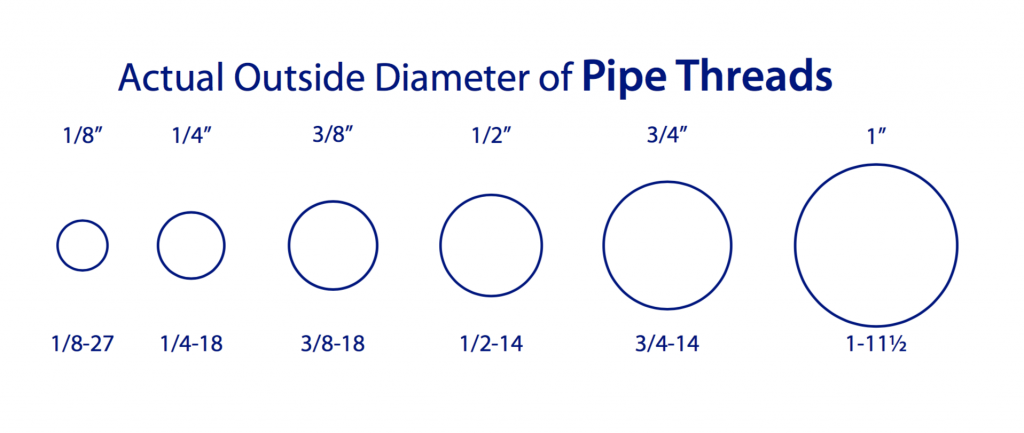
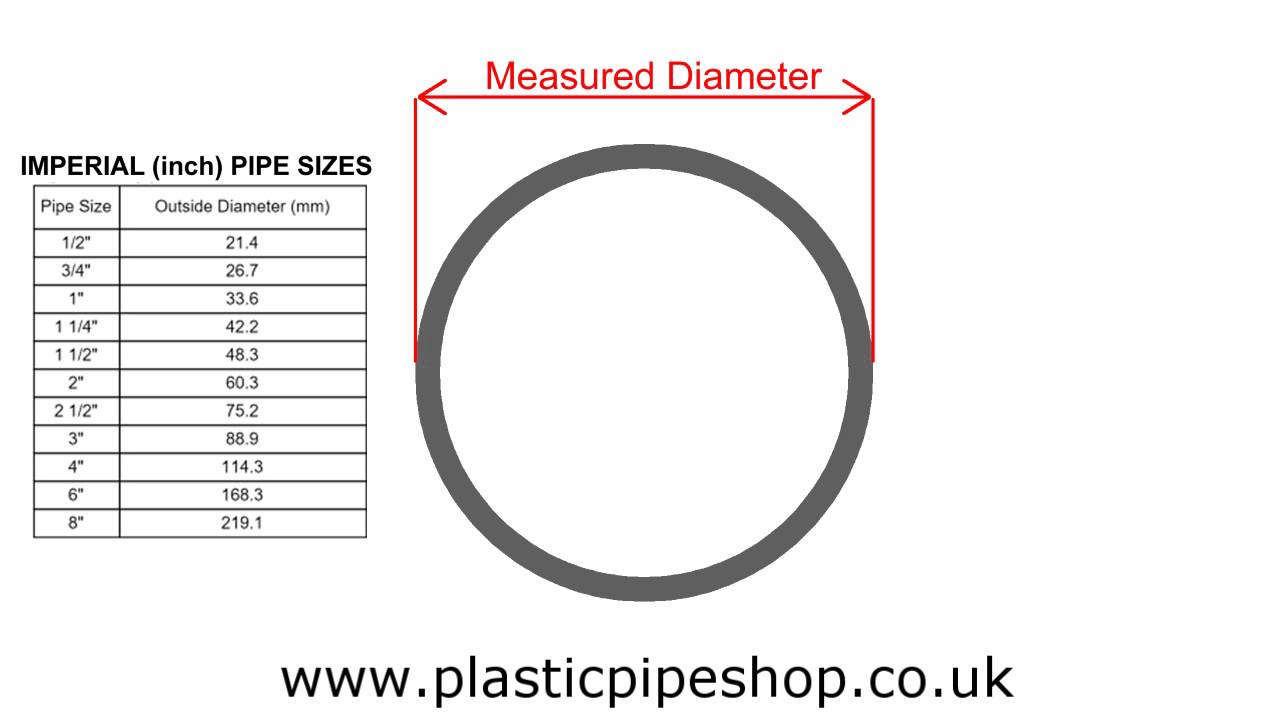
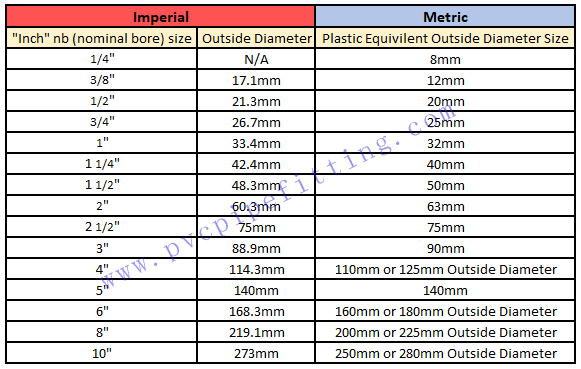
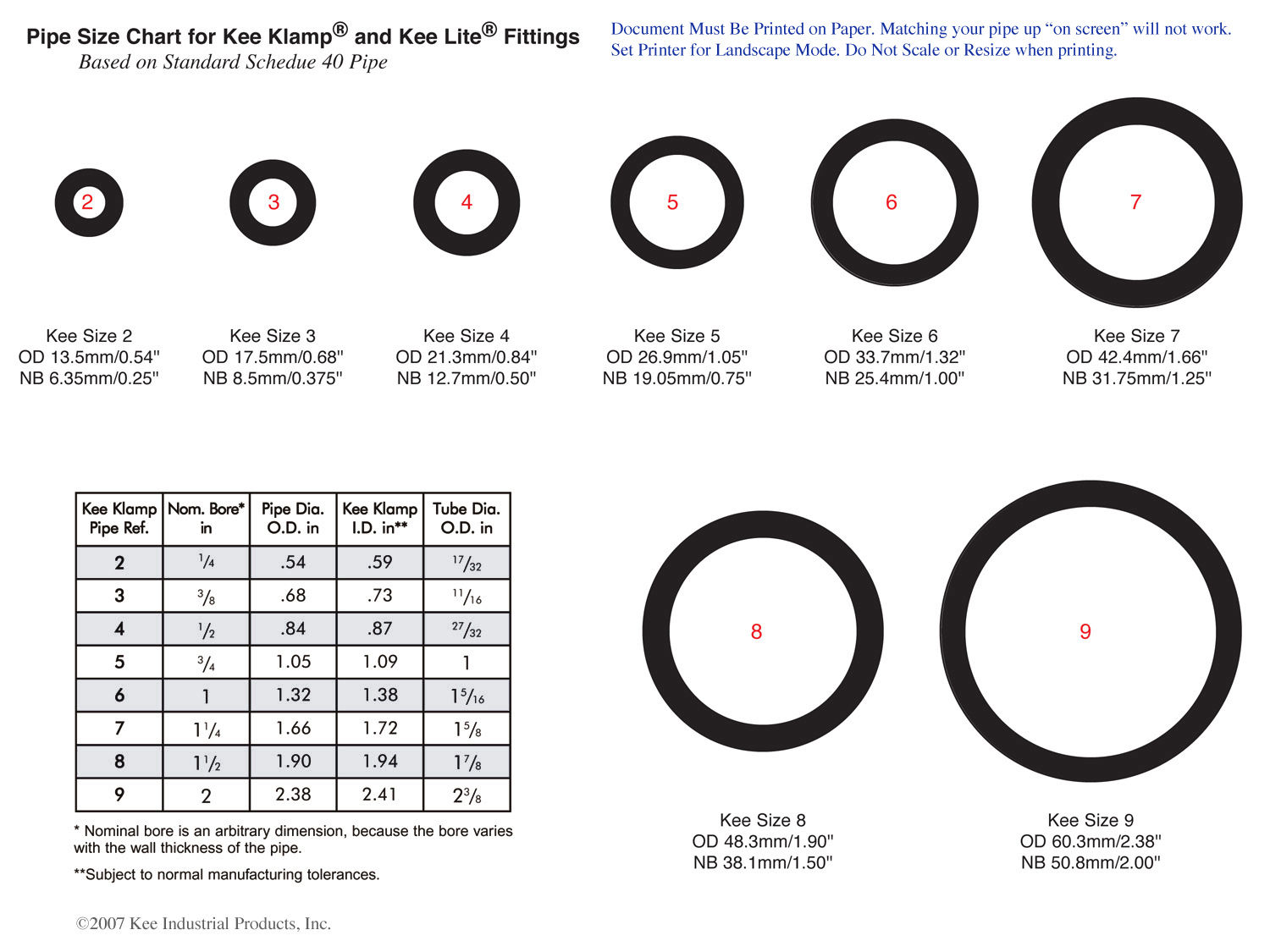
The outside diameter of 3/4-inch black pipe is a standardized measurement. This standardization allows for the use of compatible fittings and ensures leak-proof connections. The actual outside diameter of 3/4-inch black pipe is 1.050 inches (26.67 mm). This figure is vitally important when selecting fittings, threading pipes, and performing repairs. Confusing NPS with the OD can lead to significant problems, including leaks and potentially dangerous situations.
Factors Affecting Outside Diameter and Pipe Selection
While the OD is standardized, several factors influence the selection and performance of 3/4-inch black pipe in HVAC systems:
- Wall Thickness (Schedule): Black pipe comes in different wall thicknesses, designated by "schedule" numbers (e.g., Schedule 40, Schedule 80). A higher schedule number indicates a thicker wall, increasing the pipe's pressure rating and strength. While the OD remains constant at 1.050 inches for all schedules of 3/4-inch pipe, the inner diameter decreases with thicker walls. Choosing the correct schedule depends on the gas pressure and local codes. For example, residential natural gas lines often use Schedule 40, while higher-pressure commercial applications might require Schedule 80.
- Material Standards (ASTM): The American Society for Testing and Materials (ASTM) sets standards for the manufacturing and testing of black pipe. Common standards include ASTM A53 for seamless and welded black pipe and ASTM A106 for seamless carbon steel pipe for high-temperature service. These standards ensure the pipe meets specific requirements for tensile strength, yield strength, and chemical composition.
- End Connections: Black pipe is typically connected using threaded joints, though welding is also possible. Threading must be precise to ensure a gas-tight seal. The National Pipe Thread Taper (NPT) standard governs the thread dimensions and taper. Using thread sealant (pipe dope or Teflon tape) is crucial to prevent leaks. Improper threading or the use of incorrect fittings can compromise the integrity of the system.
- Corrosion and Environmental Factors: While black pipe is generally used for indoor applications, exposure to moisture can lead to corrosion. In damp environments, consider using coated black pipe or exploring alternative materials like polyethylene (PE) pipe for underground gas lines (where permitted by code). Regular inspections are crucial to identify and address any signs of corrosion before leaks occur.
- Gas Pressure and Flow Rate: The size and schedule of the black pipe must be adequate to handle the required gas pressure and flow rate for the HVAC equipment it serves. Undersized pipes can restrict gas flow, leading to inefficient operation and potential equipment malfunction. Consult the equipment manufacturer's specifications and local codes to determine the appropriate pipe size.
Applications in HVAC Systems
3/4-inch black pipe finds extensive use in various HVAC applications:
- Natural Gas Piping for Furnaces: It's commonly used to run gas lines from the meter to the furnace. The capacity of the 3/4-inch pipe must be sufficient to supply the furnace's BTU (British Thermal Unit) input rating.
- Gas Lines for Water Heaters: Similar to furnaces, 3/4-inch pipe often supplies natural gas or propane to water heaters. The distance from the meter and the BTU rating of the water heater will determine if 3/4 inch is adequate or if a larger size is needed.
- Gas Fireplaces and Stoves: Many gas fireplaces and stoves rely on 3/4-inch black pipe for fuel delivery.
- Commercial Heating Systems: In smaller commercial buildings, 3/4-inch pipe may be used for branch lines feeding individual heating units. Larger buildings often use larger diameter pipes for the main gas supply.
Example Scenario: Furnace Installation
Imagine a homeowner installing a new high-efficiency furnace with a 100,000 BTU input rating. The gas meter is located 50 feet away from the furnace. To determine if 3/4-inch black pipe is suitable, the HVAC technician must consult a sizing chart or use a gas pipe sizing calculator. These tools factor in the BTU input, pipe length, and gas pressure. If the calculations show that the pressure drop across the 50-foot run of 3/4-inch pipe is excessive, a larger pipe size (e.g., 1 inch) may be required to ensure adequate gas flow to the furnace.
Cost, Efficiency, and Lifespan
The cost of 3/4-inch black pipe is relatively low compared to other piping materials like copper or stainless steel. However, the total cost of installation includes fittings, threading, and labor. The lifespan of black pipe can be decades if properly installed and maintained. Corrosion is the primary threat to its longevity. Regular inspections and prompt repairs can extend its service life. From an efficiency standpoint, properly sized and installed black pipe ensures optimal gas flow, contributing to the efficient operation of HVAC equipment. Undersized pipes can restrict flow, forcing the equipment to work harder and consume more energy.
Installation Best Practices and Safety Considerations
Installing black pipe requires expertise and adherence to safety regulations. Improper installation can lead to gas leaks, explosions, and carbon monoxide poisoning. Key best practices include:
- Professional Installation: Always hire a qualified and licensed HVAC technician to install or repair gas lines.
- Proper Threading: Use a pipe threading machine to create clean, accurate threads. Avoid over-tightening fittings, which can damage the threads.
- Leak Testing: After installation, perform a gas leak test using a gas leak detector or a soap and water solution.
- Secure Pipe Support: Properly support the pipe with hangers or straps to prevent sagging and stress on the joints.
- Ventilation: Ensure adequate ventilation in areas where gas-fired appliances are installed.
- Carbon Monoxide Detectors: Install carbon monoxide detectors throughout the home or building to provide early warning of dangerous CO levels.
"Always prioritize safety when working with gas lines. If you suspect a gas leak, evacuate the area immediately and call your local gas company or fire department."
Alternatives to Black Pipe
While black pipe remains a common choice for gas lines, alternative materials are available:
- Copper Tubing: Copper tubing (Type L or K) can be used for gas lines in some applications, but it's more expensive than black pipe and requires brazed or flared connections.
- Polyethylene (PE) Pipe: PE pipe is often used for underground gas lines. It's flexible and corrosion-resistant, but requires specialized fittings and installation techniques. Local codes dictate whether PE pipe is permitted.
- Corrugated Stainless Steel Tubing (CSST): CSST is a flexible, easy-to-install option for gas lines. It requires specialized fittings and must be properly bonded to ground to prevent electrical arcing.
Conclusion
The outside diameter of 3/4-inch black pipe (1.050 inches) is a fundamental measurement in HVAC system design and installation. Understanding its role, the factors affecting pipe selection, and the importance of proper installation practices is crucial for ensuring safe and efficient operation. Whether you're a homeowner, HVAC technician, or facility manager, prioritizing safety and adhering to local codes are paramount when working with gas lines.