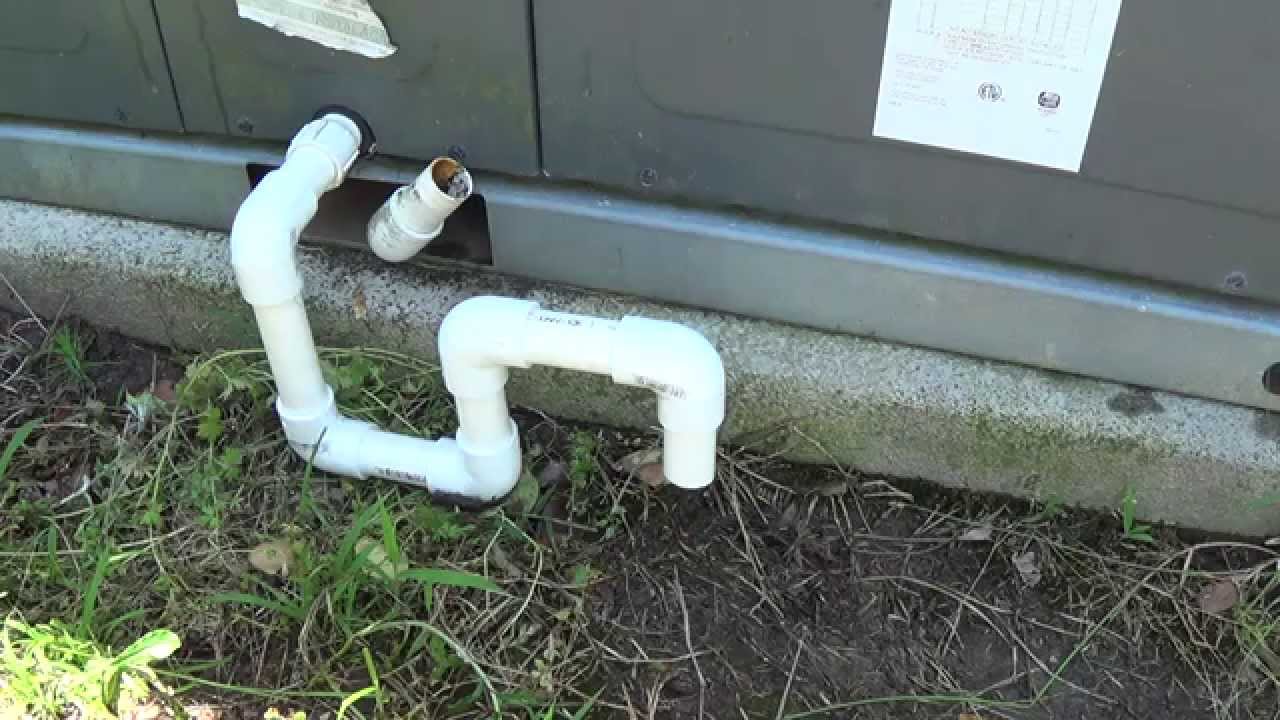
P Trap For Ac Drain Line
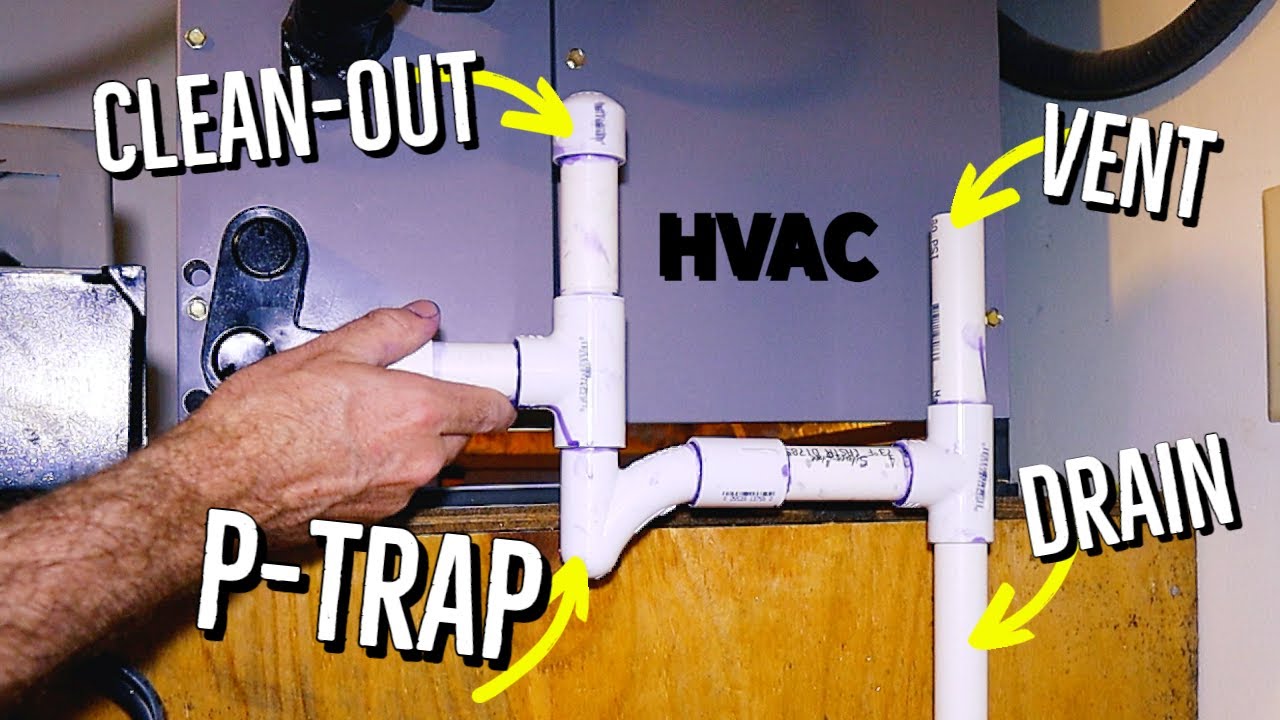
Frequently Asked Questions: P-Traps for AC Drain Lines
This article addresses common questions about using P-traps on air conditioner (AC) condensate drain lines. Understanding the purpose and proper installation of a P-trap can help prevent problems like drain clogs, foul odors, and even water damage. We aim to provide clear and concise answers to help you maintain a properly functioning AC system.
Question 1: What exactly is a P-trap, and why is it needed on my AC drain line?
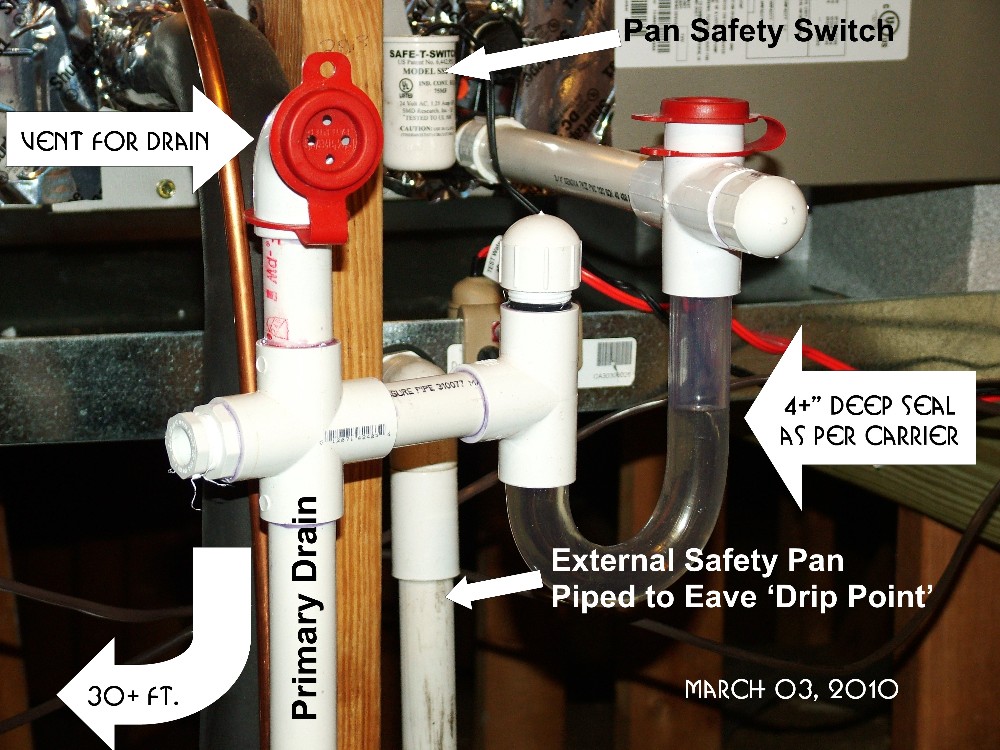
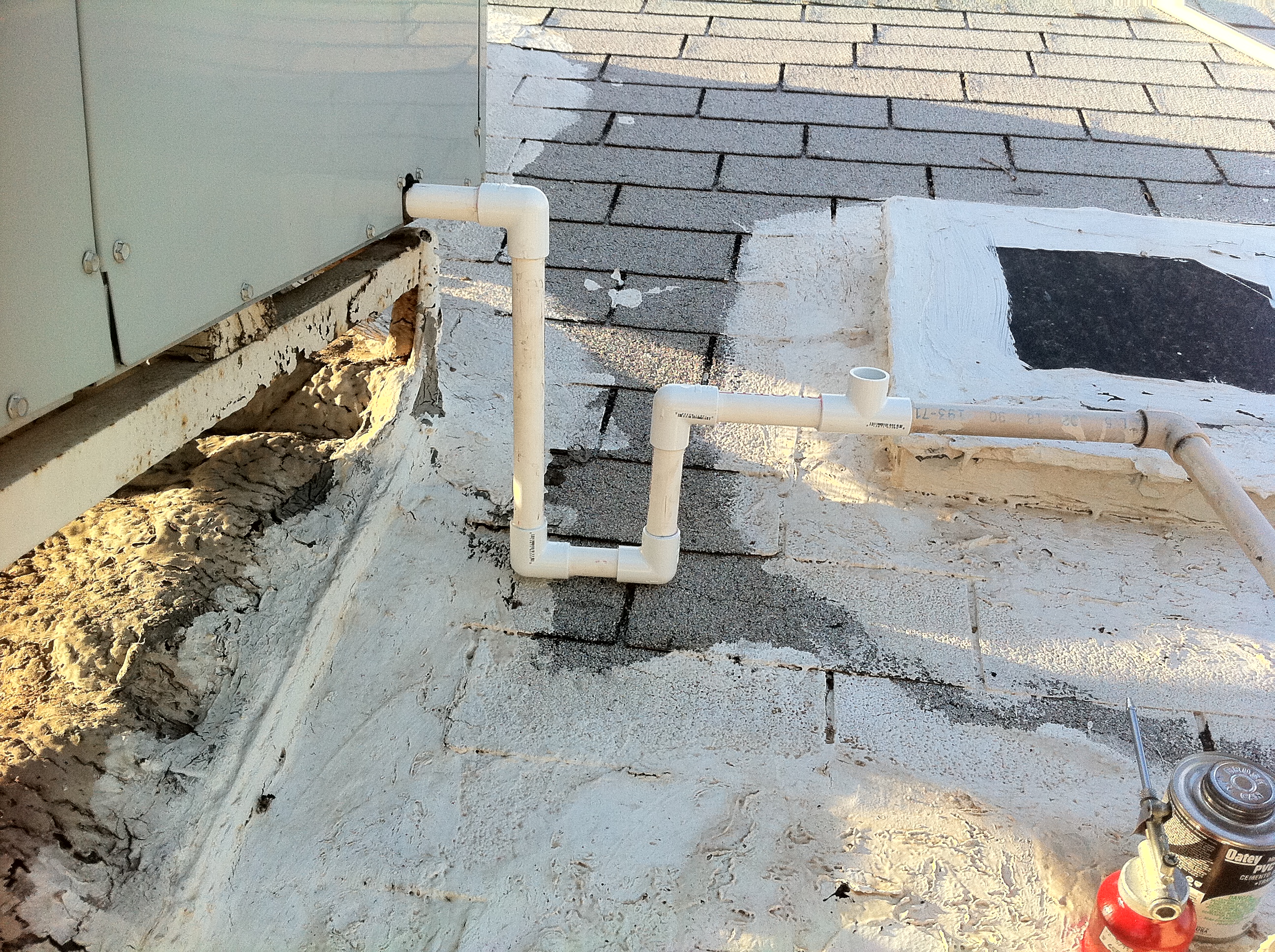
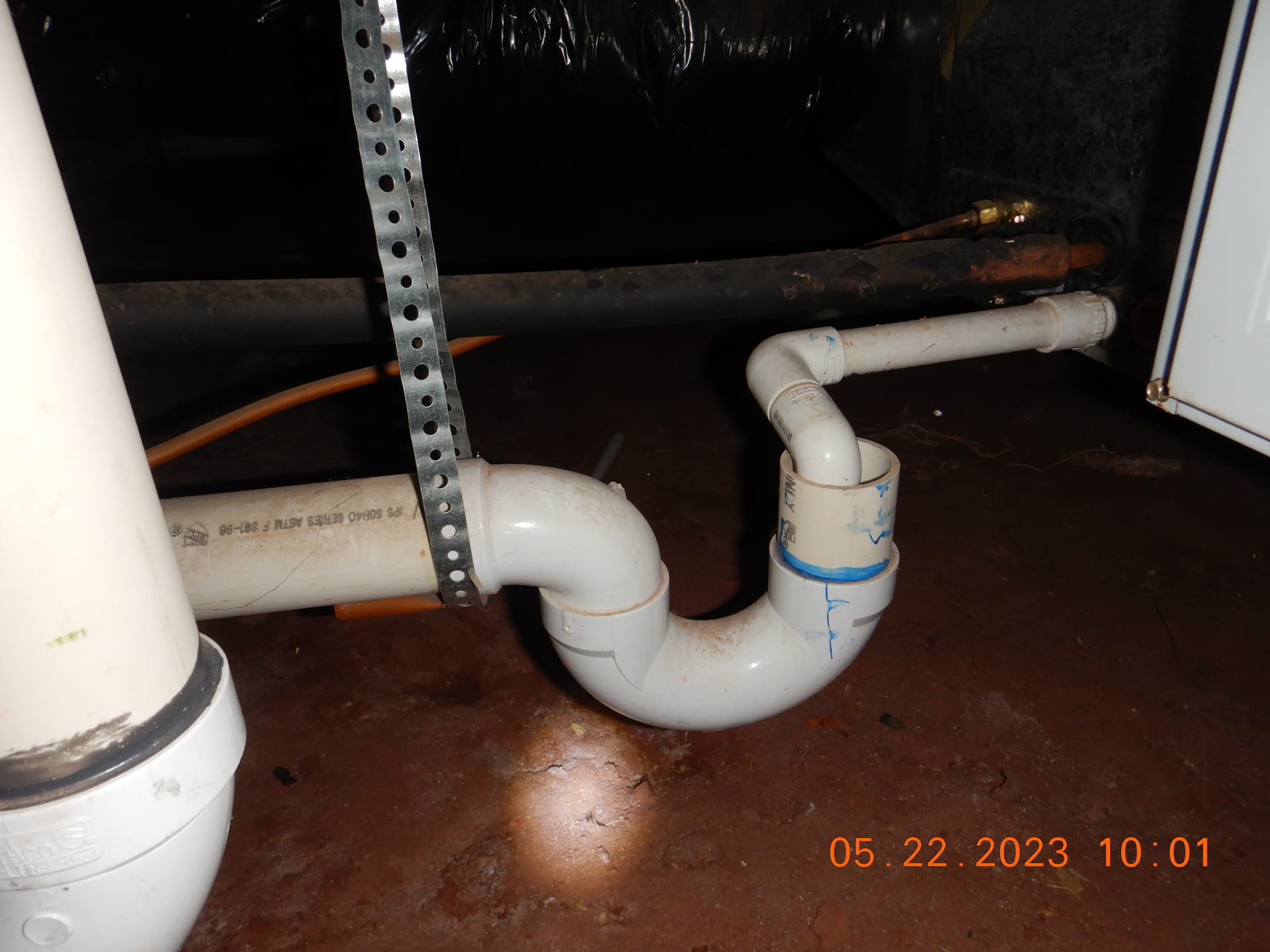
A P-trap is a U-shaped pipe segment designed to hold a small amount of water. In the context of an AC drain line, its primary function is to prevent sewer gases and unpleasant odors from backing up into your home or building. Think of it like a plumbing security guard.
Here's why it's so important:
- Odor Prevention: The standing water in the P-trap acts as a seal, blocking sewer gases originating from the drain line connection from entering your living space. Without a P-trap, these gases could permeate your home, creating a foul and unpleasant environment.
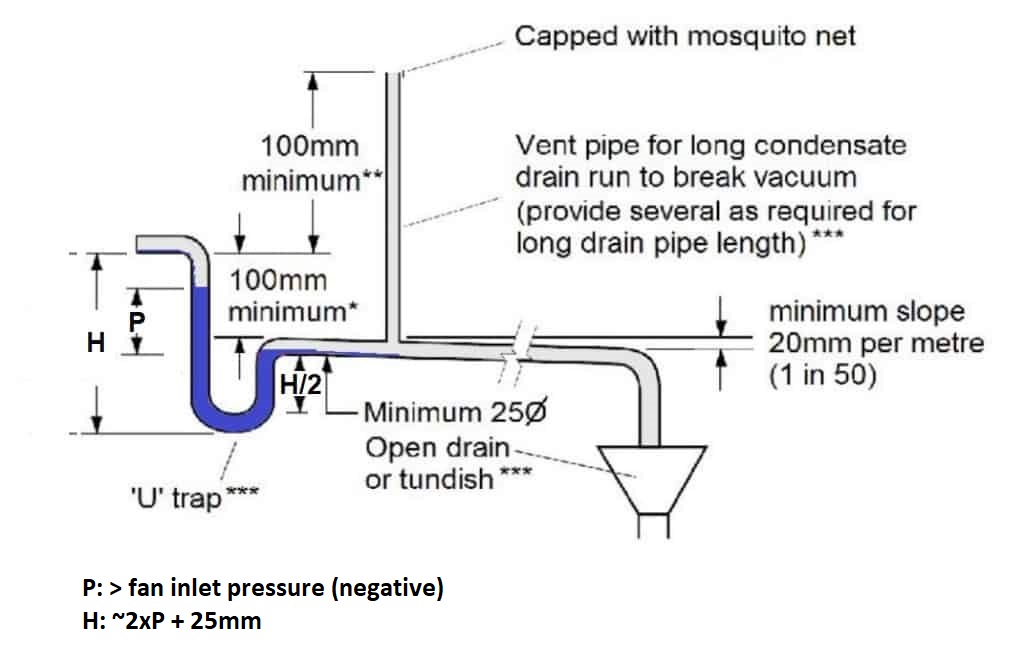
- Airflow Control: Air conditioners use a blower to circulate air. Without a P-trap, the negative pressure created by the blower can actually suck air (and sewer gases) back up through the drain line.
- Prevents Debris Backflow: While its primary job isn't filtration, the P-trap can sometimes catch minor debris, preventing it from fully clogging the drain line further down.
Question 2: How does a P-trap work on an AC drain line?
The P-trap works on a simple but effective principle of physics. The U-shape holds water, creating a barrier. When the AC operates and produces condensate (water from humidity in the air), the water flows down the drain line and pushes out some of the existing water in the P-trap. This process maintains the water seal. When the AC isn't running, the water remains in the P-trap, continuously preventing the backflow of gases.
Think of it like a one-way valve, but for gases. Water can flow out, but air can't flow in (unless the water seal is broken, which we'll discuss later).
Question 3: What are the consequences of not having a P-trap on my AC drain line?
Skipping the P-trap can lead to several problems, ranging from mildly annoying to potentially damaging:
- Unpleasant Odors: This is the most common and noticeable consequence. You'll likely experience a persistent musty or sewage-like smell emanating from the vents when the AC is running.
- Mold and Mildew Growth: The moist environment within the drain line, combined with the introduction of organic matter from the sewer system (via backflow), can create ideal conditions for mold and mildew growth, potentially affecting indoor air quality.
- Reduced AC Efficiency: If the negative pressure is pulling air *up* the drain line, it might also slightly reduce the efficiency of your AC system as it struggles to maintain proper airflow.
- Potential for Water Damage (Indirectly): While the P-trap itself doesn't directly prevent flooding, the issues caused by its absence (like mold growth leading to drain line blockage) can increase the risk of a clogged drain line overflowing and causing water damage.
In short, investing in and properly maintaining a P-trap is a small price to pay for preventing these issues.
Question 4: How do I install a P-trap on my AC drain line? Is it a DIY project?
Installing a P-trap is generally a straightforward DIY project, but it depends on your plumbing experience and the specific configuration of your drain line. Here's a general outline:
- Gather Supplies: You'll need a P-trap (usually made of PVC), PVC primer, PVC cement, a pipe cutter or saw, measuring tape, and potentially fittings (elbows, couplings) to adapt to your existing drain line. Always use PVC cement and primer that are compatible.
- Plan the Layout: Determine the best placement for the P-trap, ensuring it fits properly and allows for proper drainage. Consider the height of the drain line and the available space.
- Cut the Drain Line: Carefully cut the existing drain line at the appropriate points to accommodate the P-trap. Make sure the cuts are clean and straight.
- Prime and Cement: Apply PVC primer to both the inside of the fittings and the outside of the pipe ends. Then, apply PVC cement to the same surfaces and quickly assemble the P-trap, holding it firmly until the cement sets.
- Ensure Proper Slope: Make sure the drain line after the P-trap has a slight downward slope to allow for proper drainage.
- Test for Leaks: After the cement has fully cured (as per the manufacturer's instructions), pour water into the drain line and check for any leaks around the connections. If you find leaks, you may need to disassemble the joint, clean it, and re-cement it.
When to Call a Professional: If you're uncomfortable working with plumbing, or if your drain line is difficult to access or has unusual configurations, it's best to call a licensed plumber or HVAC technician. They have the expertise and tools to ensure a proper and leak-free installation.
Question 5: How do I maintain my AC drain line P-trap to prevent clogs and ensure it functions correctly?
Regular maintenance is crucial for preventing clogs and ensuring the P-trap continues to function properly. Here are some tips:
- Flush the Drain Line Regularly: At least once a quarter (every 3 months), and more often if you experience issues, pour a cup of white vinegar down the drain line. Vinegar helps to kill mold and algae and dissolve minor clogs. Let it sit for about 30 minutes before flushing with water.
- Consider Using Drain Line Tablets: You can purchase commercially available drain line tablets that are specifically designed to prevent clogs in AC condensate lines. Follow the manufacturer's instructions for proper usage.
- Visually Inspect the P-Trap: Periodically check the P-trap for any signs of leaks, cracks, or excessive buildup. If you notice any issues, address them promptly.
- Clean Out Debris: If you notice debris accumulating in the P-trap, carefully remove it. You can use a small brush or a bent wire to dislodge any obstructions.
- Address Standing Water Issues: If you notice water consistently backing up in the drain pan or around the AC unit, it's a sign of a clog that needs immediate attention. Don't ignore it!
Question 6: My P-trap seems to be dry sometimes. Is this normal, and what should I do?
Ideally, the P-trap should always contain water to maintain the gas seal. However, it's possible for the water to evaporate, especially during periods of infrequent AC use or in very dry climates. This is known as a dry trap. When this happens, odors can seep into your home.
Here's what you can do:
- Prime the P-Trap: Simply pour a cup or two of water down the drain line to refill the P-trap. This will re-establish the water seal and eliminate any odors.
- Check for Air Leaks: If the P-trap is drying out very frequently, it could indicate an air leak in the drain line system. Check all connections for tightness and seal any leaks you find.
- Consider an Automatic P-Trap Primer: For situations where dry traps are a persistent problem, you can install an automatic P-trap primer. These devices automatically add small amounts of water to the trap at regular intervals, ensuring it remains filled.
- Ensure Proper Venting (If Applicable): In some installations, a small vent pipe might be necessary to prevent the P-trap from being siphoned dry due to negative pressure. Consult with a plumber or HVAC technician to determine if venting is necessary for your setup.
Question 7: Are there different types of P-traps, and does it matter which one I use for my AC drain line?
While the basic principle of a P-trap remains the same, there are some variations in materials and design. For AC drain lines, the most common type is a PVC P-trap.
- PVC P-Traps: These are the most commonly used and are generally the best choice for AC drain lines due to their durability, corrosion resistance, and affordability.
- ABS P-Traps: While ABS is another type of plastic pipe, it's less common for AC drain lines compared to PVC.
- Metal P-Traps: Metal P-traps (like brass or chrome) are generally not used for AC drain lines due to the potential for corrosion from the condensate.
Beyond the material, you might also find slight variations in the shape and size of the P-trap. Ensure that the P-trap you choose is the correct diameter to match your existing drain line. Using the wrong size can lead to leaks and drainage problems. It is very important to use the appropriate PVC cement for the type of pipe used in the construction of your p-trap.
In most cases, a standard PVC P-trap will suffice for your AC drain line. If you're unsure, consult with a plumbing professional for guidance.