P Trap Hvac Condensate Drain Line Design
One of the most crucial, yet often overlooked, components of your home's HVAC system is the condensate drain line. This simple system plays a vital role in removing moisture generated during the cooling process, preventing water damage, and maintaining indoor air quality. A key element of this drain line is the P-trap, and understanding its function and proper design is essential for any homeowner, real estate investor, or HVAC professional.
Understanding the HVAC Condensate Drain Line
During the air conditioning process, refrigerant cools the air passing over the evaporator coil. This process also removes moisture from the air, which condenses on the coil. This condensate needs to be effectively drained away to prevent mold growth, water damage, and potential system malfunctions. The condensate drain line is the pathway for this water to exit your HVAC system.
A typical condensate drain line consists of the following components:
- Condensate Drain Pan: Located beneath the evaporator coil, this pan collects the condensed water.
- Drain Line: Usually PVC pipe, the drain line carries the water away from the pan.
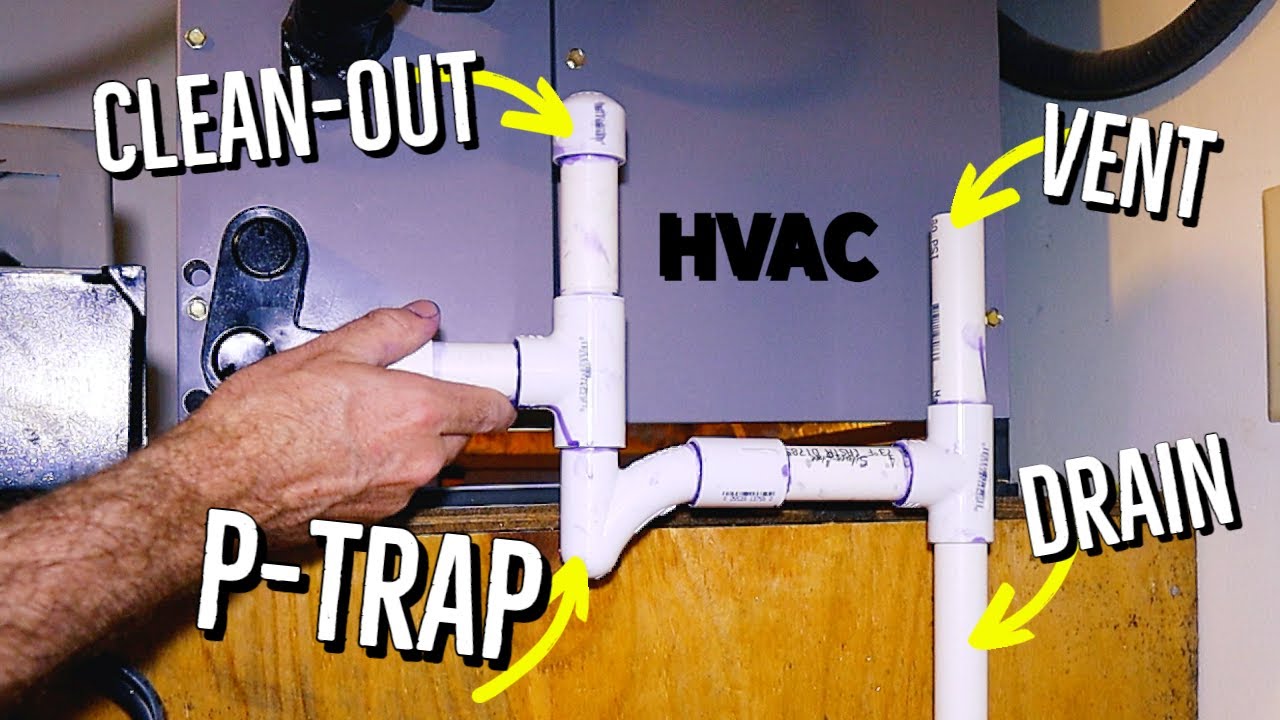
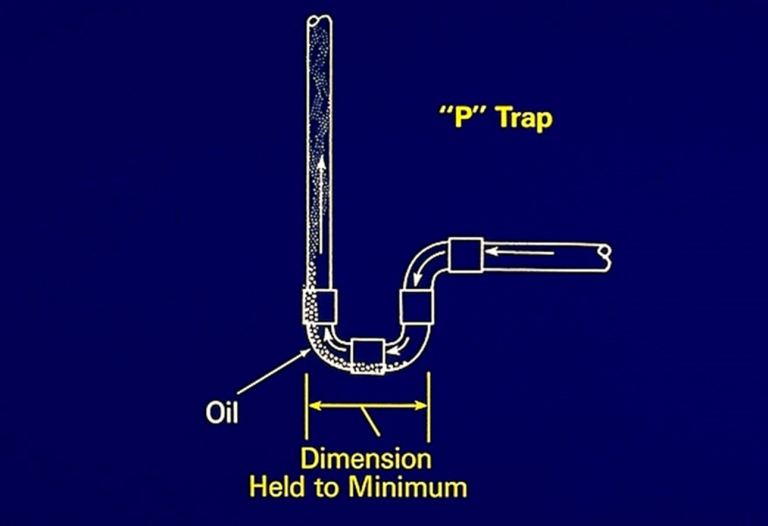
- P-Trap: A U-shaped bend in the drain line that prevents sewer gases from entering your home.
- Drain Outlet: The point where the condensate water is discharged, typically into a floor drain, outside, or a condensate pump.
The Importance of the P-Trap
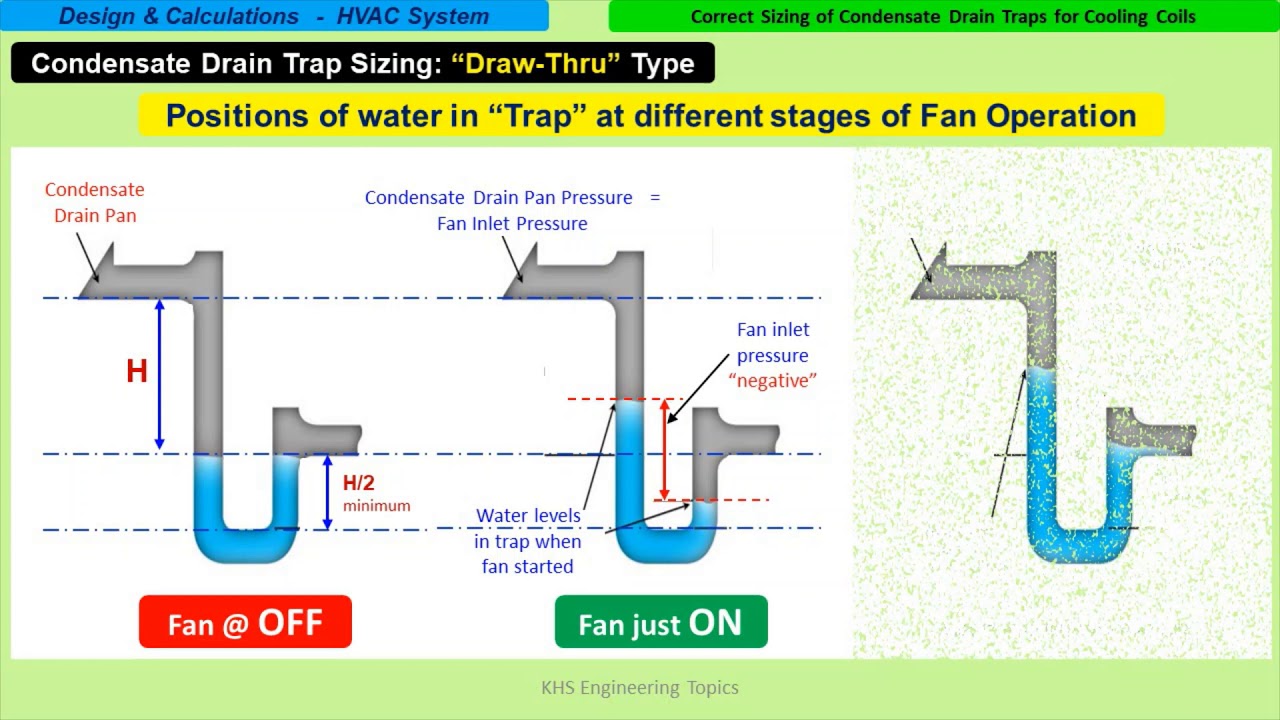
The P-trap is a vital component of the condensate drain line, serving as a barrier against sewer gases and other unwanted odors from entering your home through the HVAC system. Without a properly functioning P-trap, these gases can negatively impact indoor air quality and create unpleasant smells.
Here's how it works: The P-trap is designed to hold a small amount of water in its curved section. This water acts as a seal, preventing gases from traveling backward up the drain line and into your living space. This is the same principle behind the P-traps found under your sinks and toilets.
P-Trap Design Considerations
While the concept of a P-trap is simple, proper design and installation are crucial for its effectiveness. Here are some key considerations:
Proper Slope
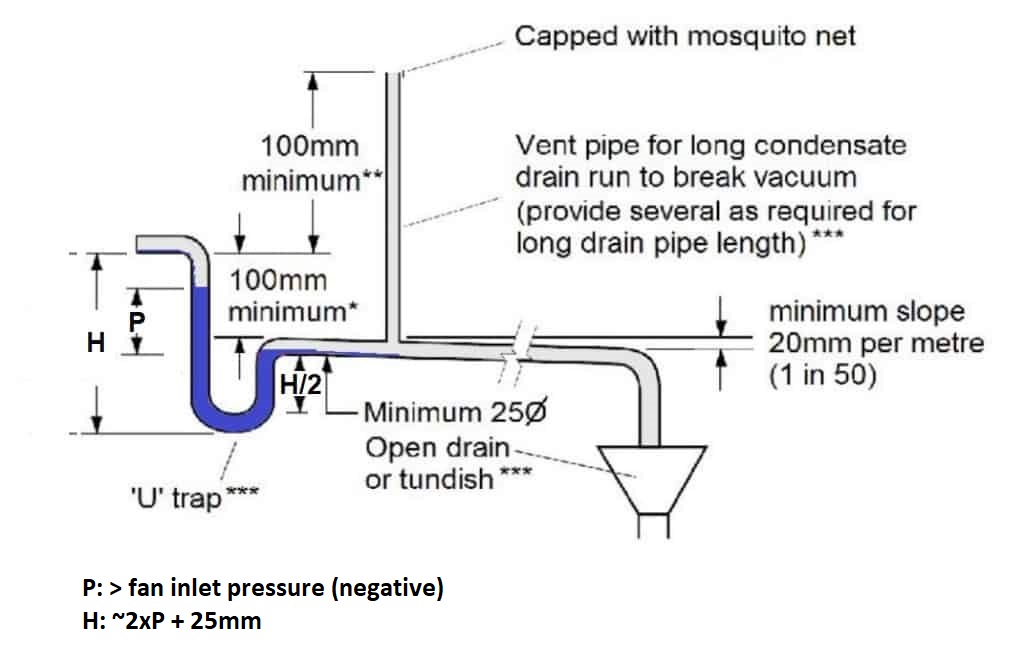
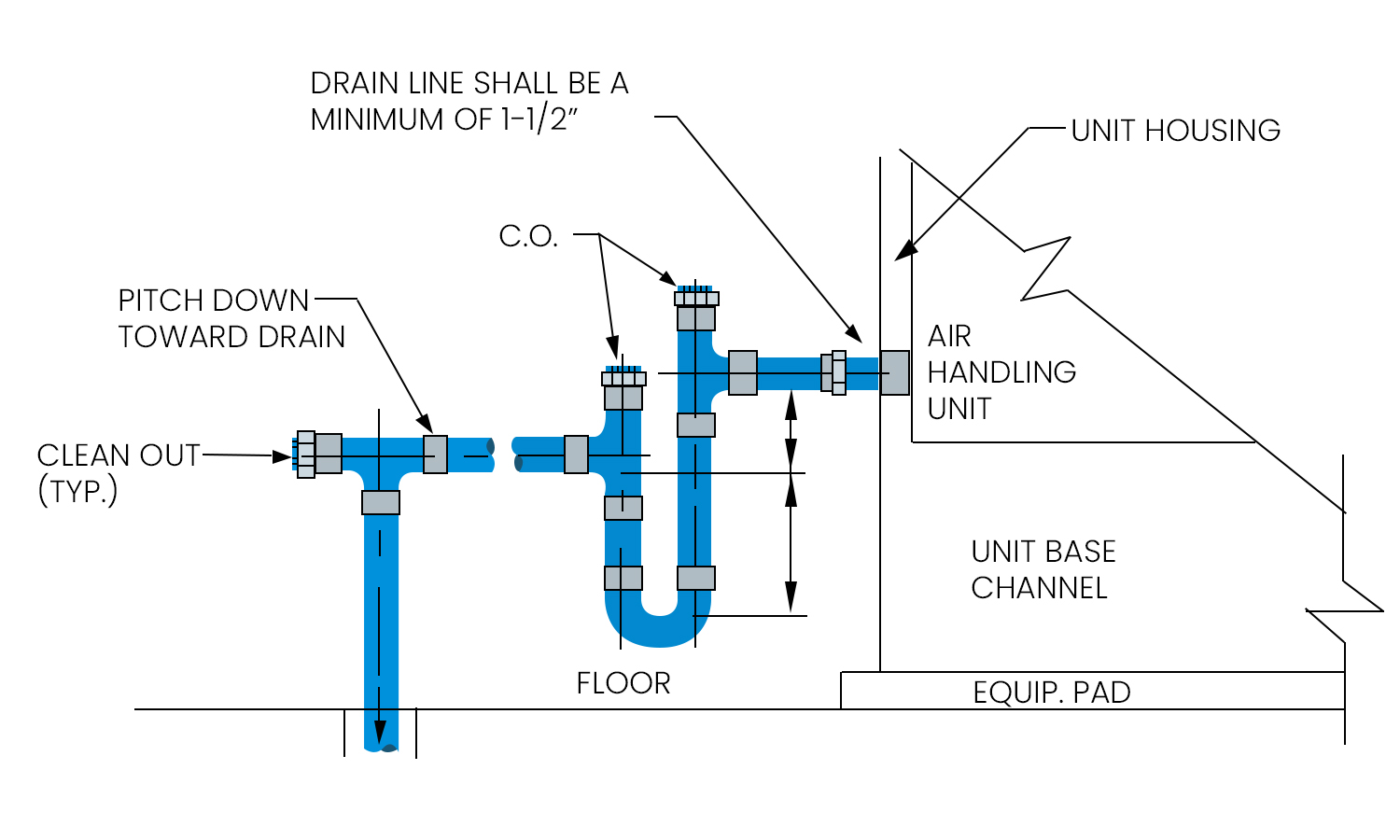
The drain line should have a consistent downward slope of at least 1/4 inch per foot. This slope ensures that the condensate water flows freely and doesn't stagnate in the line, which can lead to mold growth and clogs. A level that includes a degree finder to measure the slope can ensure it.
Venting
Proper venting is necessary to prevent a vacuum from forming in the drain line, which can impede water flow. A vent can be created by adding a T-fitting with a short section of pipe extending upwards, allowing air to enter the drain line. Without a vent, you may experience slow drainage or even a complete blockage.
Cleanout Access
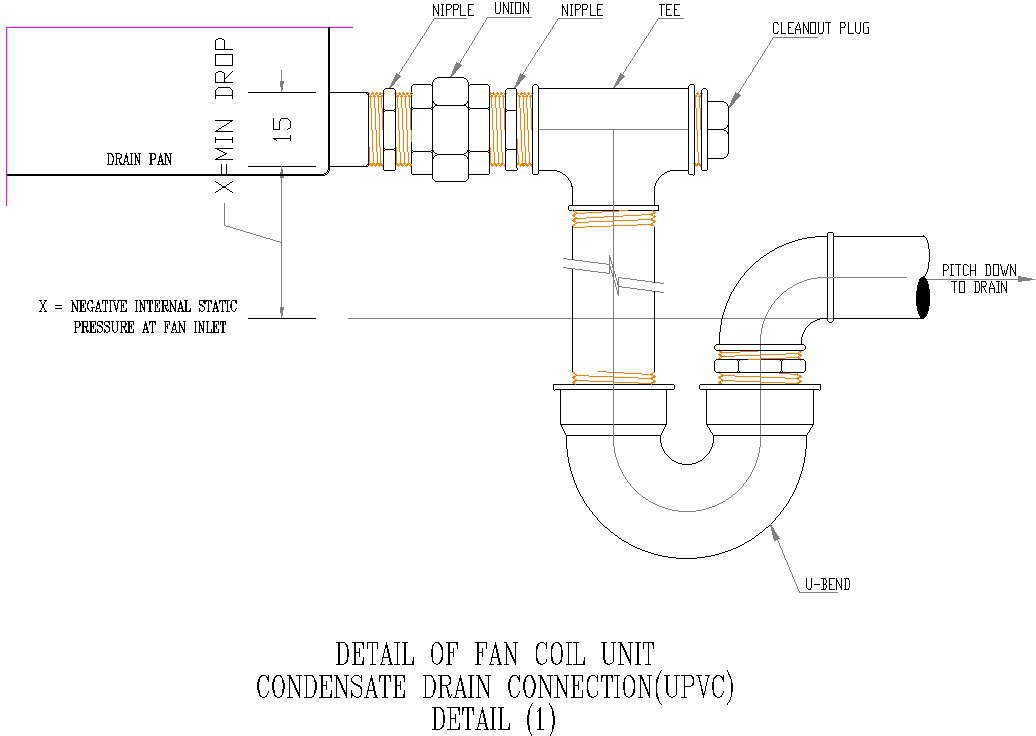
It's essential to have easy access to the drain line for cleaning and maintenance. A cleanout fitting, typically a T-fitting with a removable cap, should be installed near the evaporator coil and at other strategic points along the drain line. This allows you to easily flush the line with water or use a wet/dry vacuum to remove any debris that may have accumulated.
Material Selection
PVC (polyvinyl chloride) pipe is the most common material used for condensate drain lines due to its durability, affordability, and resistance to corrosion. Use appropriate PVC primer and cement to ensure a watertight seal at all joints.
P-Trap Placement
The P-trap should be located as close as possible to the condensate drain pan to minimize the length of drain line before the trap. This reduces the chance of debris accumulating in the line and causing a blockage.
Common Problems with Condensate Drain Lines and P-Traps
Several issues can arise with condensate drain lines and P-traps, compromising their functionality and potentially leading to problems.
- Clogs: Debris such as dust, dirt, algae, and mineral deposits can accumulate in the drain line, eventually causing a clog. Regular cleaning is essential to prevent this.
- Dry P-Trap: If the HVAC system hasn't been used for an extended period, the water in the P-trap can evaporate, allowing sewer gases to enter the home. To prevent this, pour water into the drain line periodically.
- Improper Slope: An insufficient slope can cause water to stagnate in the drain line, leading to mold growth and clogs.
- Missing or Damaged P-Trap: If the P-trap is missing or damaged, sewer gases will freely enter the home.
- Air Lock: An air lock can prevent water from flowing through the drain line. Ensure proper venting to avoid this issue.
Maintenance and Troubleshooting
Regular maintenance is crucial for ensuring the proper function of your condensate drain line and P-trap.
- Flush the Drain Line: At least twice a year, flush the drain line with a mixture of water and vinegar or a commercial drain cleaner specifically designed for HVAC systems.
- Inspect the P-Trap: Check the P-trap regularly to ensure it contains water and that there are no signs of damage or leaks.
- Clean the Condensate Pan: Periodically clean the condensate pan to remove any algae or debris that may have accumulated. You can use a wet/dry vacuum or a brush to clean the pan.
- Check for Leaks: Inspect the drain line and connections for any signs of leaks. Repair any leaks promptly to prevent water damage.
If you experience any problems with your condensate drain line, such as slow drainage or unusual odors, address the issue promptly. You may be able to resolve minor clogs yourself, but for more complex problems, it's best to consult with a qualified HVAC technician.
Choosing an HVAC System with a Properly Designed Condensate Drain
When selecting a new HVAC system, consider the design and accessibility of the condensate drain line. Ask the installer about the P-trap, venting, and cleanout access. A properly designed and installed drain line will minimize maintenance needs and prevent potential problems down the road.
When considering new systems, look at units from brands like Carrier, known for their reliability, and Trane, appreciated for their efficient designs. These often incorporate better drain pan designs that contribute to better overall condensate management.
Here are some examples of HVAC systems and their features, keeping in mind that features can vary widely within a brand's product lineup:
- Carrier Infinity 26 Air Conditioner: Known for its high SEER (Seasonal Energy Efficiency Ratio) ratings (up to 26), it often incorporates robust condensate drain pan design. While specific drain features are not always heavily marketed, Carrier's emphasis on quality construction typically translates to durable components throughout the system.
- Trane XV20i TruComfort Variable Speed Air Conditioner: With a SEER rating up to 20, this unit also prioritizes efficient condensate removal as part of its overall system design. Look for mentions of corrosion-resistant drain pans and easily accessible cleanout points.
- Rheem Prestige Series: While not always top-rated for SEER, Rheem systems provide reliable cooling and often incorporate thoughtful design elements.
Remember to compare AFUE (Annual Fuel Utilization Efficiency) for heating systems and HSPF (Heating Seasonal Performance Factor) for heat pumps when evaluating overall system efficiency. While these ratings don't directly relate to condensate drain design, they are crucial factors in making an informed purchase decision.
Warranties and Maintenance Agreements
When purchasing a new HVAC system, carefully review the warranty terms and conditions. Most manufacturers offer warranties on parts, and some may also cover labor costs. Consider purchasing a maintenance agreement from a reputable HVAC contractor. A maintenance agreement typically includes regular inspections and cleaning, which can help prevent problems with the condensate drain line and other system components.
Conclusion
The P-trap in your HVAC condensate drain line may seem like a small detail, but it plays a crucial role in maintaining indoor air quality, preventing water damage, and ensuring the efficient operation of your HVAC system. By understanding the principles of P-trap design, common problems, and proper maintenance practices, you can protect your home and investment for years to come.