Partes Para Aire Acondicionado De Casa

Frequently Asked Questions About Home Air Conditioner Parts (Partes Para Aire Acondicionado De Casa)
Keeping your home's air conditioning system running smoothly requires understanding its key components. This FAQ addresses common questions about air conditioner parts to help you diagnose problems, understand repair options, and communicate effectively with HVAC technicians.
Q1: What are the *main* parts of a typical home air conditioning system?
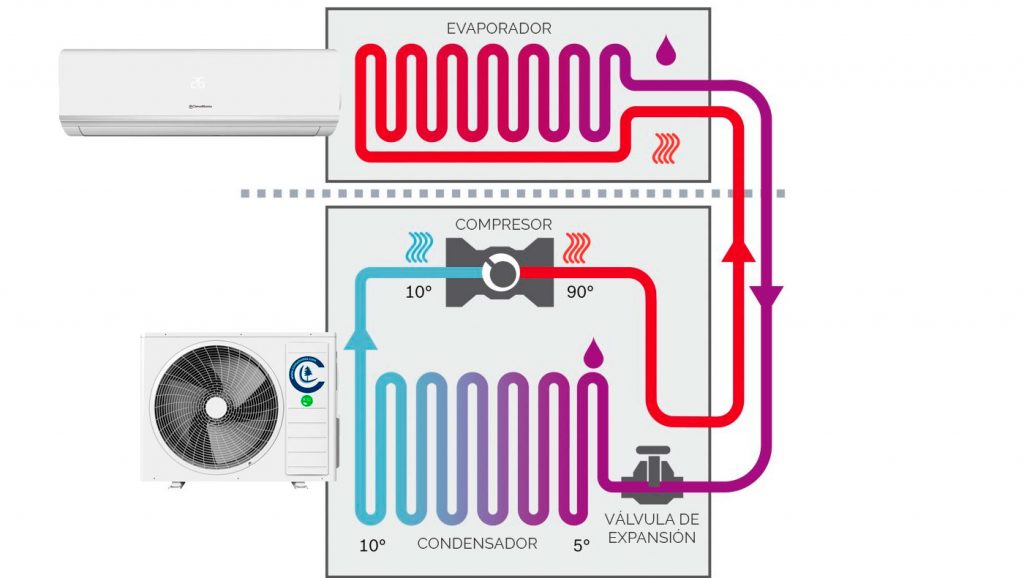
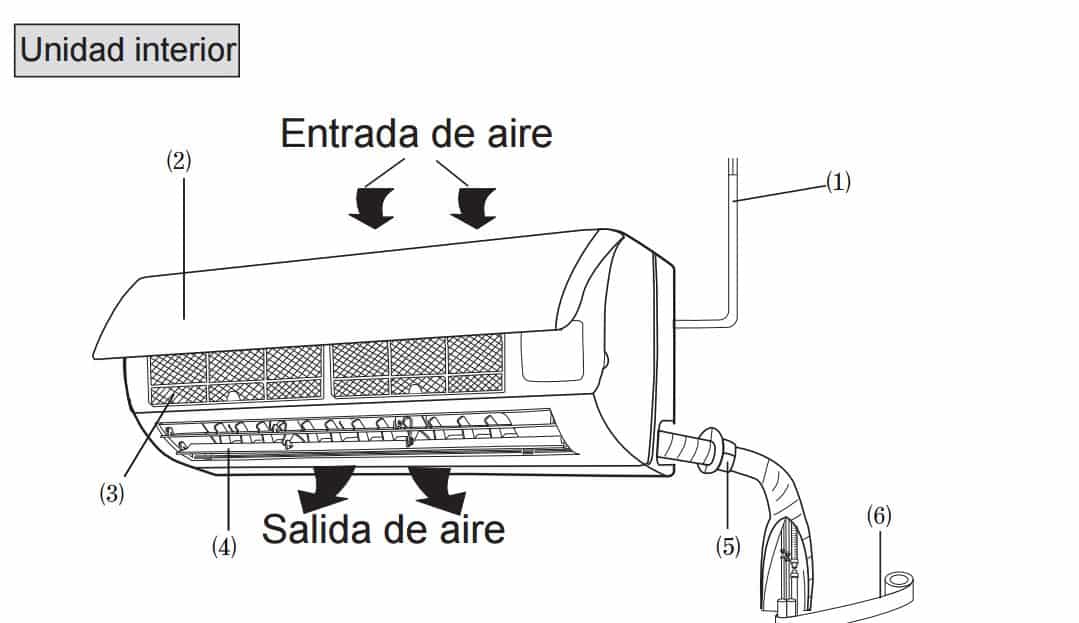
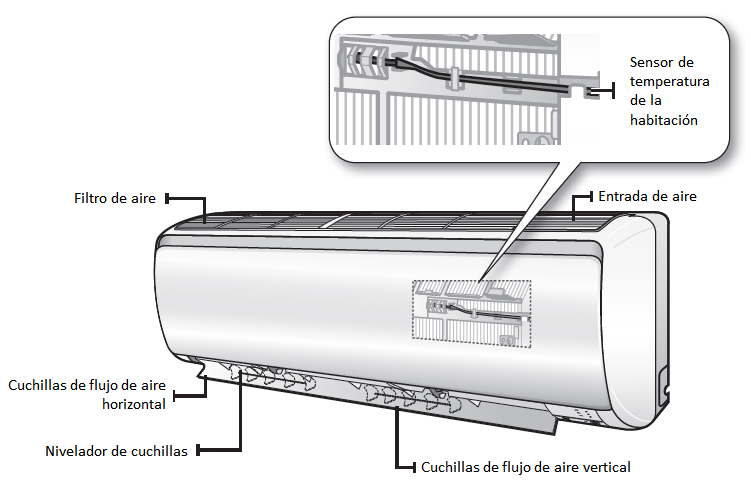
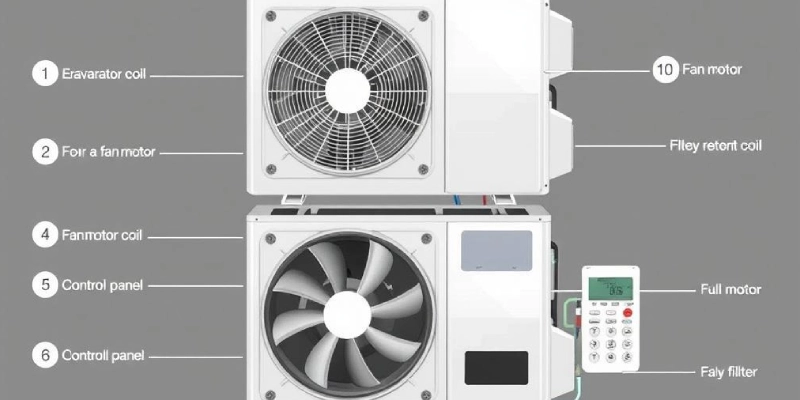
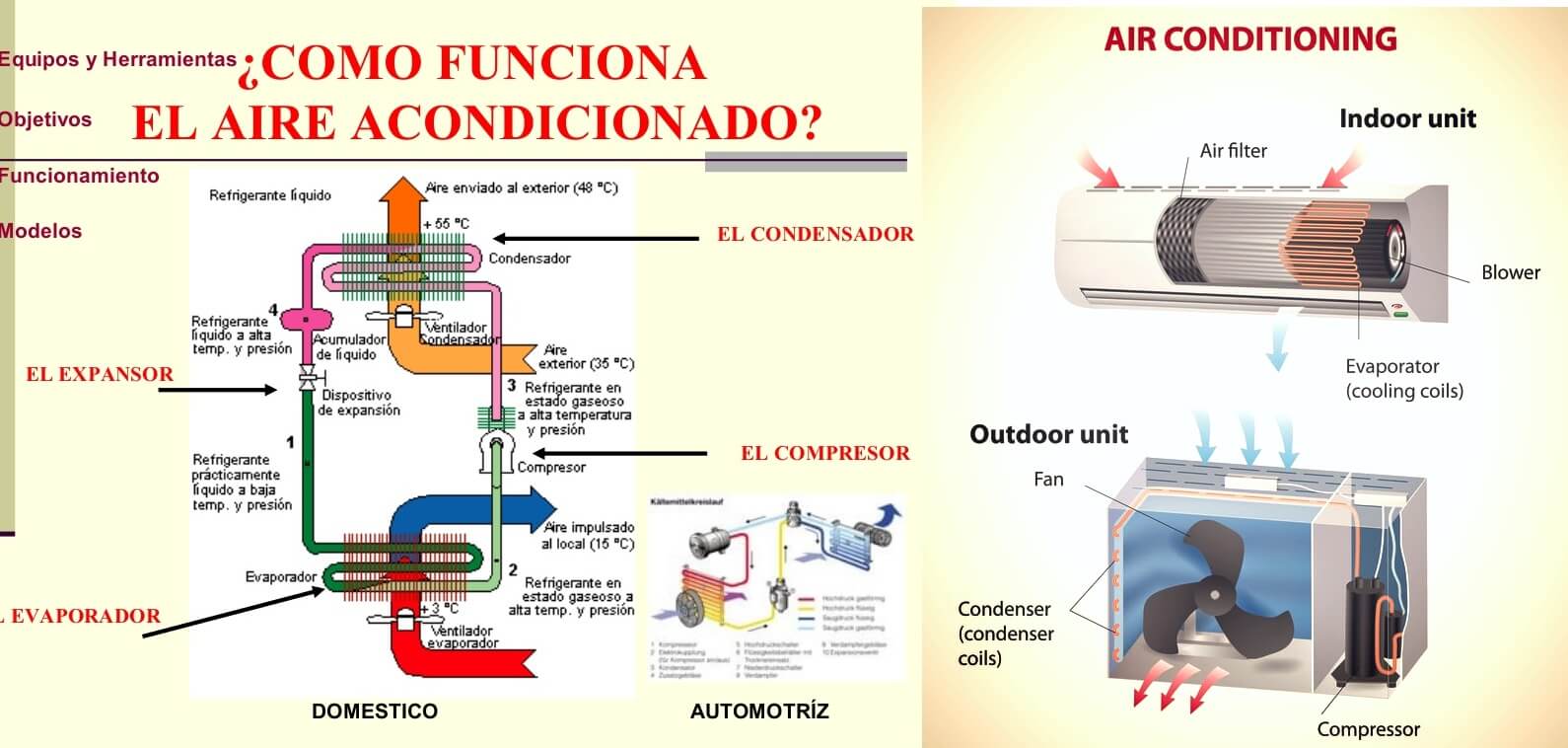
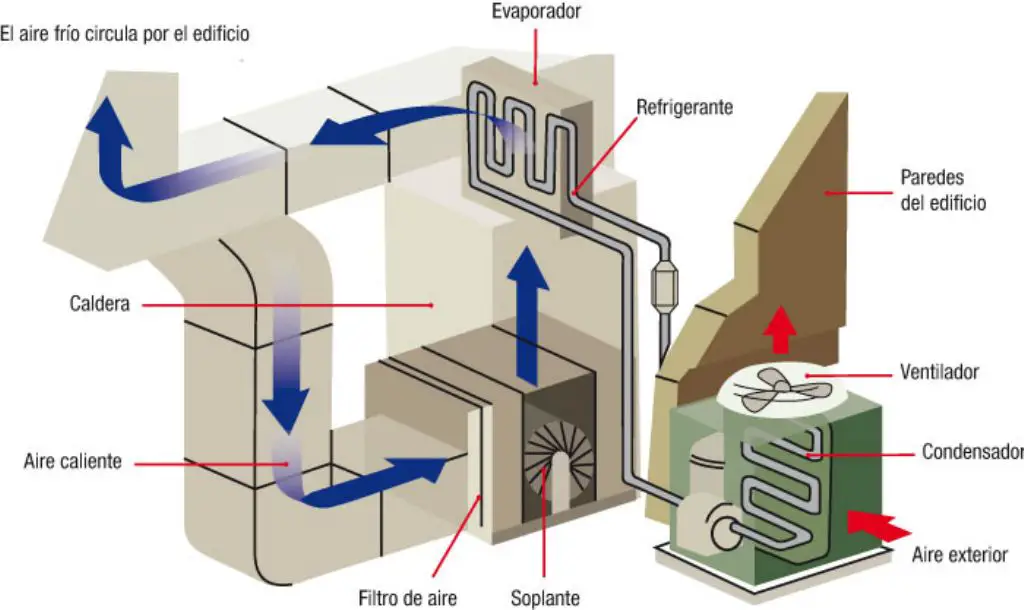
A central air conditioning system has two main components: the outdoor unit (condenser) and the indoor unit (evaporator coil and air handler). Key parts within these units include:
- Compressor: The heart of the system, pumping refrigerant and pressurizing it. Located in the outdoor unit.
- Condenser Coil: Located in the outdoor unit, it releases heat from the refrigerant.
- Condenser Fan: Cools the condenser coil by blowing air across it. Located in the outdoor unit.
- Evaporator Coil: Located inside the air handler, it absorbs heat from the air passing over it.
- Expansion Valve or Metering Device: Controls the flow of refrigerant into the evaporator coil.
- Air Handler: Contains the blower fan, which circulates air through the ducts and across the evaporator coil.
- Blower Motor: Powers the blower fan in the air handler.
- Refrigerant: The substance that absorbs and releases heat, circulating throughout the system.
- Ductwork: The network of channels that distributes cooled air throughout your home.
- Thermostat: Controls the system, setting the desired temperature.
- Filter: Traps dust and debris, protecting the system and improving air quality. Usually located near the air handler.
Q2: Where can I *find* the model number of my air conditioning unit, and why is it important?
The model number is crucial for identifying the correct replacement parts. It's usually found on a metal or plastic nameplate attached to the unit. The location varies depending on the unit type and manufacturer:
- Outdoor Unit (Condenser): Look on the side or back of the unit, often near the bottom.
- Indoor Unit (Air Handler): Check inside the access panel, often near the blower motor. Sometimes it is on the side of the unit.
- Thermostat: On the back of the thermostat after removing it from the wall plate.
The model number helps you:
- Order the correct replacement parts: Ensuring compatibility and proper fit.
- Research technical specifications: Understanding your unit's capacity, efficiency, and other features.
- Find the correct filter size: A properly sized filter is essential for performance.
If you have trouble finding the model number, consult your homeowner's manual or contact an HVAC professional. Taking a picture of the nameplate is always a good idea for future reference.
Q3: What are some *common* air conditioner parts that frequently need replacement?
Several parts are prone to wear and tear or failure over time. These include:
- Air Filter: Needs regular replacement (typically every 1-3 months) to maintain airflow and protect the system.
- Capacitor: Helps start and run the motors (compressor and fan motors). Often fails due to overheating or age.
- Contactor: An electrical switch that controls power to the compressor and fan motor. Can become corroded or damaged.
- Fan Motor (Condenser or Blower): Can fail due to overheating, bearing wear, or electrical issues.
- Compressor: The most expensive component to replace, and can fail due to overheating, refrigerant leaks, or electrical problems.
- Refrigerant: While not a "part," refrigerant leaks are common, requiring the system to be recharged.
- Thermostat: Can malfunction or lose accuracy.
Regular maintenance, such as cleaning the coils and changing the filter, can help prolong the life of these parts.
Q4: How can I *tell* if a particular air conditioner part is faulty?
Identifying a faulty part often requires careful observation and sometimes specialized testing. Here are some common symptoms:
- Air Filter: Reduced airflow, increased energy bills, and poor cooling performance. Visually inspect for dirt and debris.
- Capacitor: Humming sound from the unit, the fan not starting, or the unit failing to start at all. A multimeter can be used to test its capacitance.
- Contactor: Burning smell, buzzing sound, or the unit not turning on. An HVAC technician can test the contactor for continuity.
- Fan Motor (Condenser or Blower): Unusual noises (grinding, squealing), the fan not spinning, or the motor overheating.
- Compressor: Loud noises, no cooling, or the unit tripping the breaker. A faulty compressor often requires professional diagnosis.
- Refrigerant Leak: Poor cooling, ice buildup on the evaporator coil, or a hissing sound. A professional can use leak detection equipment.
- Thermostat: Inaccurate temperature readings, the unit not responding to temperature adjustments, or error messages.
Important: Diagnosing and repairing air conditioning systems involves working with electricity and refrigerant. If you're not comfortable with these tasks, it's best to call a qualified HVAC technician.
Q5: Where can I *buy* replacement parts for my air conditioner?
You have several options for purchasing replacement parts:
- HVAC Supply Stores: These stores specialize in HVAC equipment and parts. They often have knowledgeable staff who can help you find the correct part. Bring your unit's model number!
- Online Retailers: Websites like Amazon, eBay, and specialized HVAC parts websites offer a wide selection of parts. Verify the seller's reputation and ensure the part is compatible with your unit.
- Local Hardware Stores: Some hardware stores carry basic replacement parts, such as air filters and some capacitors.
- HVAC Service Companies: If you're hiring an HVAC technician for repairs, they will typically source the parts for you. This can save you time and ensure the part is installed correctly.
When purchasing parts, prioritize quality and compatibility. Cheaper, generic parts may not last as long or perform as well as OEM (Original Equipment Manufacturer) parts.
Q6: Is it *difficult* to replace air conditioner parts myself, or should I always hire a professional?
The difficulty of replacing air conditioner parts varies greatly depending on the part and your technical skills. Some tasks, like changing the air filter, are simple and can be done by most homeowners. However, other repairs can be complex and dangerous, requiring specialized tools and knowledge.
DIY-Friendly Tasks:
- Changing the air filter
- Cleaning the condenser coils (with proper precautions)
- Replacing a thermostat (if you're comfortable with basic wiring)
Tasks Best Left to Professionals:
- Replacing the compressor
- Working with refrigerant (requires EPA certification)
- Repairing electrical components (capacitors, contactors, motors)
- Diagnosing complex system problems
Working with refrigerant without proper certification is illegal and can be harmful to the environment. Always prioritize safety and consult a professional if you're unsure about a repair. Improper repairs can damage your system further and void your warranty.
Q7: How can I *extend* the lifespan of my air conditioner and its parts?
Regular maintenance is key to extending the life of your air conditioner and its components. Here are some essential tips:
- Replace the Air Filter Regularly: This is the most important and easiest maintenance task.
- Clean the Condenser Coils: Remove debris, leaves, and dirt from the outdoor unit. Use a fin comb to straighten bent fins.
- Schedule Professional Maintenance: Have an HVAC technician inspect and tune up your system annually. This includes checking refrigerant levels, lubricating moving parts, and inspecting electrical components.
- Keep the Area Around the Outdoor Unit Clear: Ensure there is adequate airflow around the condenser.
- Use a Programmable Thermostat: Set the thermostat to a higher temperature when you're away from home to reduce energy consumption and wear and tear.
- Consider a Whole-House Surge Protector: Protect your air conditioner from power surges, which can damage electrical components.
- Address Problems Promptly: Don't ignore signs of trouble. Addressing small issues early can prevent them from becoming major problems.
Investing in regular maintenance is a smart way to protect your investment and ensure your air conditioner runs efficiently and reliably for years to come. Don't forget to consult your owner's manual for specific maintenance recommendations for your model.