Parts Of A Central Air Conditioning System
Understanding the Heart of Your Home: Parts of a Central Air Conditioning System
Central air conditioning is a modern marvel, keeping us cool and comfortable through sweltering summers. But have you ever stopped to think about what makes it all work? Understanding the different parts of your central AC system is crucial for homeowners, DIY enthusiasts, and anyone looking to save money on potential repairs. This guide will break down each component, explain its function, offer basic troubleshooting tips, and help you determine when it's time to call in a professional.
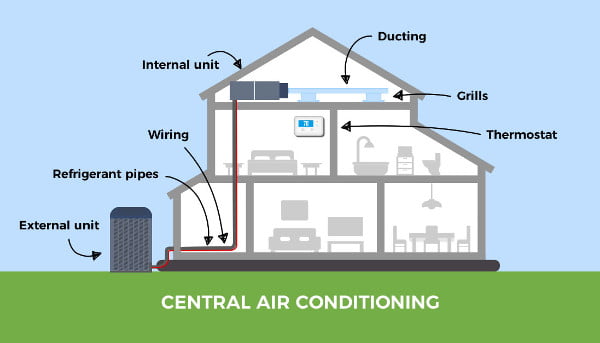
The Outdoor Unit: The Condenser
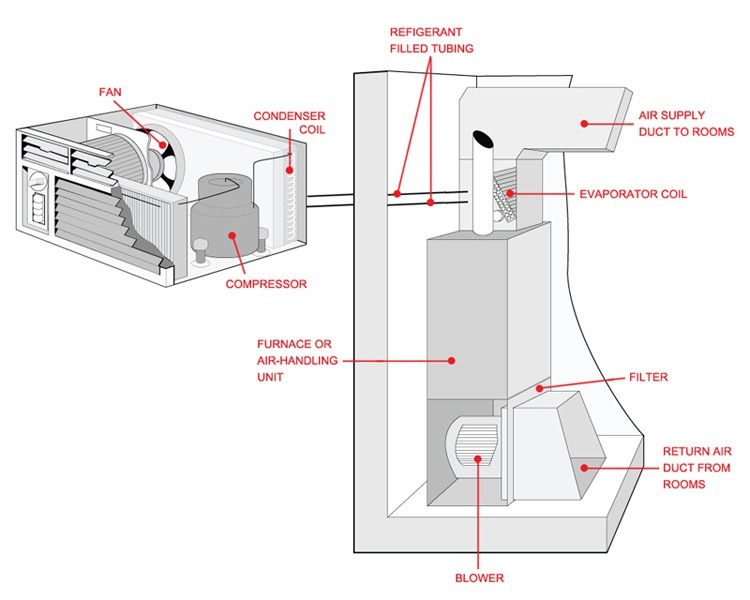
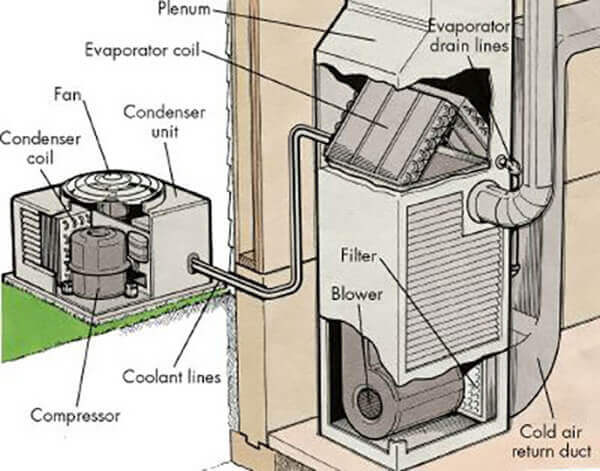
The condenser unit sits outside your house, often a large metal box with a fan on top or side. This workhorse is responsible for releasing the heat absorbed from inside your home. It's composed of several critical parts:
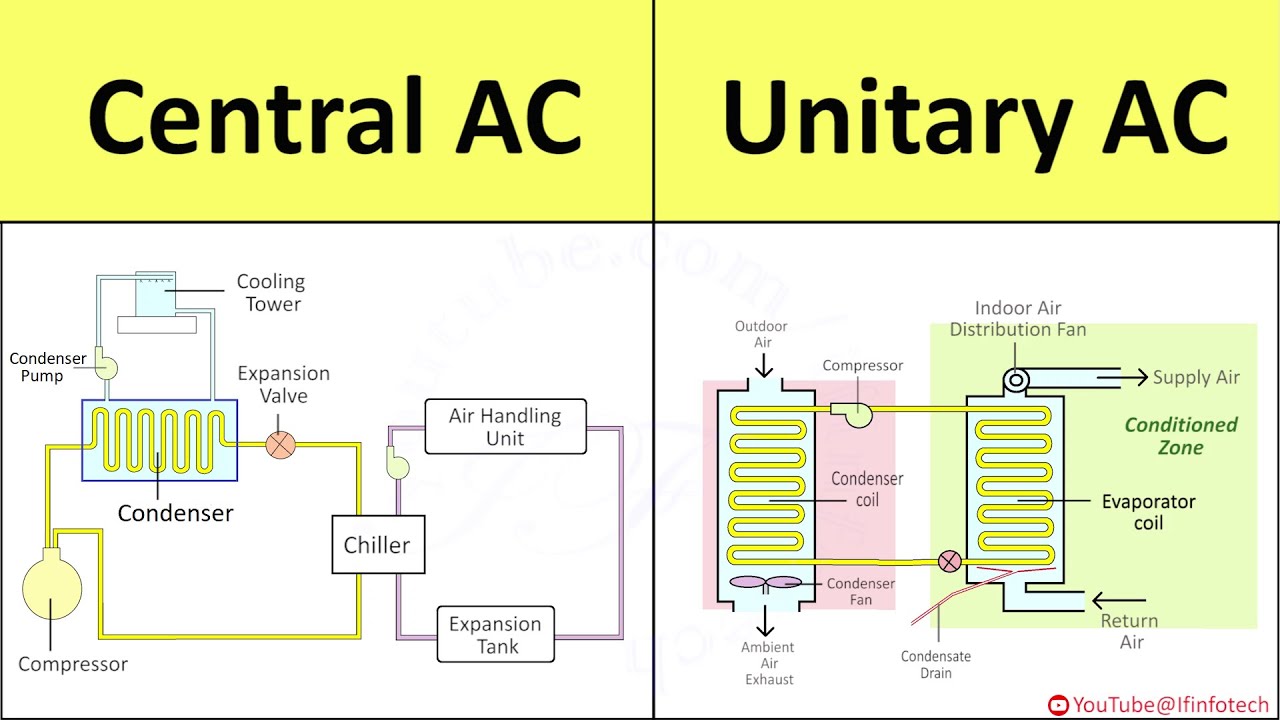
- Compressor: This is the heart of your AC system. The compressor pressurizes the refrigerant, turning it into a hot, high-pressure gas. This is often the most expensive component to replace.
- Condenser Coil: The hot, high-pressure refrigerant runs through the condenser coil, where it releases heat to the outside air via the fan. This process cools the refrigerant and condenses it into a liquid.
- Condenser Fan: The fan pulls air across the condenser coil, facilitating heat transfer. A malfunctioning fan can cause your AC to overheat and reduce its efficiency.
- Reversing Valve (Heat Pumps Only): If you have a heat pump, the reversing valve switches the flow of refrigerant to provide either heating or cooling.
- Electrical Components: The condenser unit also houses various electrical components, including capacitors, contactors, and wiring, which control the operation of the compressor and fan.
DIY Troubleshooting:
- Check for Debris: Ensure the condenser unit is free from obstructions like leaves, grass clippings, and bushes. Clear any debris away to allow for proper airflow.
- Inspect the Fan: Make sure the fan blades are not damaged and that the fan is spinning freely when the AC is running.
- Listen for Unusual Noises: Grinding, squealing, or banging sounds could indicate a problem with the compressor or fan motor.
When to Call a Professional:
- If the compressor is making loud noises or failing to start.
- If you suspect a refrigerant leak.
- If you are uncomfortable working with electrical components.
The Indoor Unit: The Evaporator
Located inside your home, usually within your furnace or air handler, the evaporator unit is responsible for absorbing heat from the indoor air.
- Evaporator Coil: The liquid refrigerant flows through the evaporator coil, where it absorbs heat from the indoor air. This process causes the refrigerant to evaporate into a gas, cooling the coil and the air that passes over it.
- Blower Motor: The blower motor circulates air across the evaporator coil and through your home's ductwork.
- Expansion Valve or Metering Device: This component controls the flow of refrigerant into the evaporator coil, ensuring proper cooling performance.
- Drain Pan and Drain Line: As the evaporator coil cools, condensation forms. The drain pan collects this condensation, and the drain line carries it away.
DIY Troubleshooting:
- Check the Air Filter: A dirty air filter restricts airflow, reducing the efficiency of your AC and potentially causing the evaporator coil to freeze. Replace your air filter regularly (every 1-3 months).
- Inspect the Drain Line: A clogged drain line can cause water to back up, leading to leaks and potential water damage. You can try clearing the drain line with a wet/dry vacuum or a stiff wire.
- Look for Ice Buildup: If you see ice forming on the evaporator coil, it could indicate a refrigerant leak, airflow restriction, or a malfunctioning expansion valve.
When to Call a Professional:
- If you suspect a refrigerant leak.
- If the evaporator coil is frozen and you cannot resolve the issue by replacing the air filter.
- If you hear unusual noises coming from the blower motor.
The Ductwork: The Delivery System
Your ductwork is a network of channels that distribute cooled air throughout your home. Proper ductwork is essential for efficient cooling.
- Supply Ducts: These ducts carry cooled air from the air handler to the vents in each room.
- Return Ducts: These ducts return warm air from the rooms back to the air handler to be cooled again.
- Registers and Grilles: These are the vents that you see in each room. They control the airflow and direction of the cooled air.
DIY Troubleshooting:
- Check for Leaks: Inspect your ductwork for any visible leaks or gaps. Seal any leaks with duct tape or mastic sealant.
- Ensure Proper Airflow: Make sure that all vents are open and unobstructed.
- Clean Registers and Grilles: Remove any dust or debris that may be blocking the airflow.
When to Call a Professional:
- If you suspect a significant duct leak that you cannot easily repair.
- If you need to modify or expand your ductwork.
- If you suspect your ductwork is improperly sized for your AC system.
The Thermostat: The Brains of the Operation
The thermostat controls the entire AC system. It senses the temperature in your home and signals the AC to turn on or off to maintain the desired temperature.
- Digital Thermostats: These thermostats offer precise temperature control, programmable schedules, and often include features like energy-saving modes.
- Analog Thermostats: These simpler thermostats use a dial or lever to set the temperature.
DIY Troubleshooting:
- Check the Batteries: If your thermostat is not working, make sure the batteries are fresh.
- Ensure Proper Settings: Verify that the thermostat is set to the correct mode (cooling) and temperature.
- Check the Wiring: Inspect the wiring connections to the thermostat to ensure they are secure.
When to Call a Professional:
- If your thermostat is malfunctioning or displaying error codes.
- If you are uncomfortable working with electrical wiring.
- If you want to upgrade to a smart thermostat.
Refrigerant: The Cooling Agent
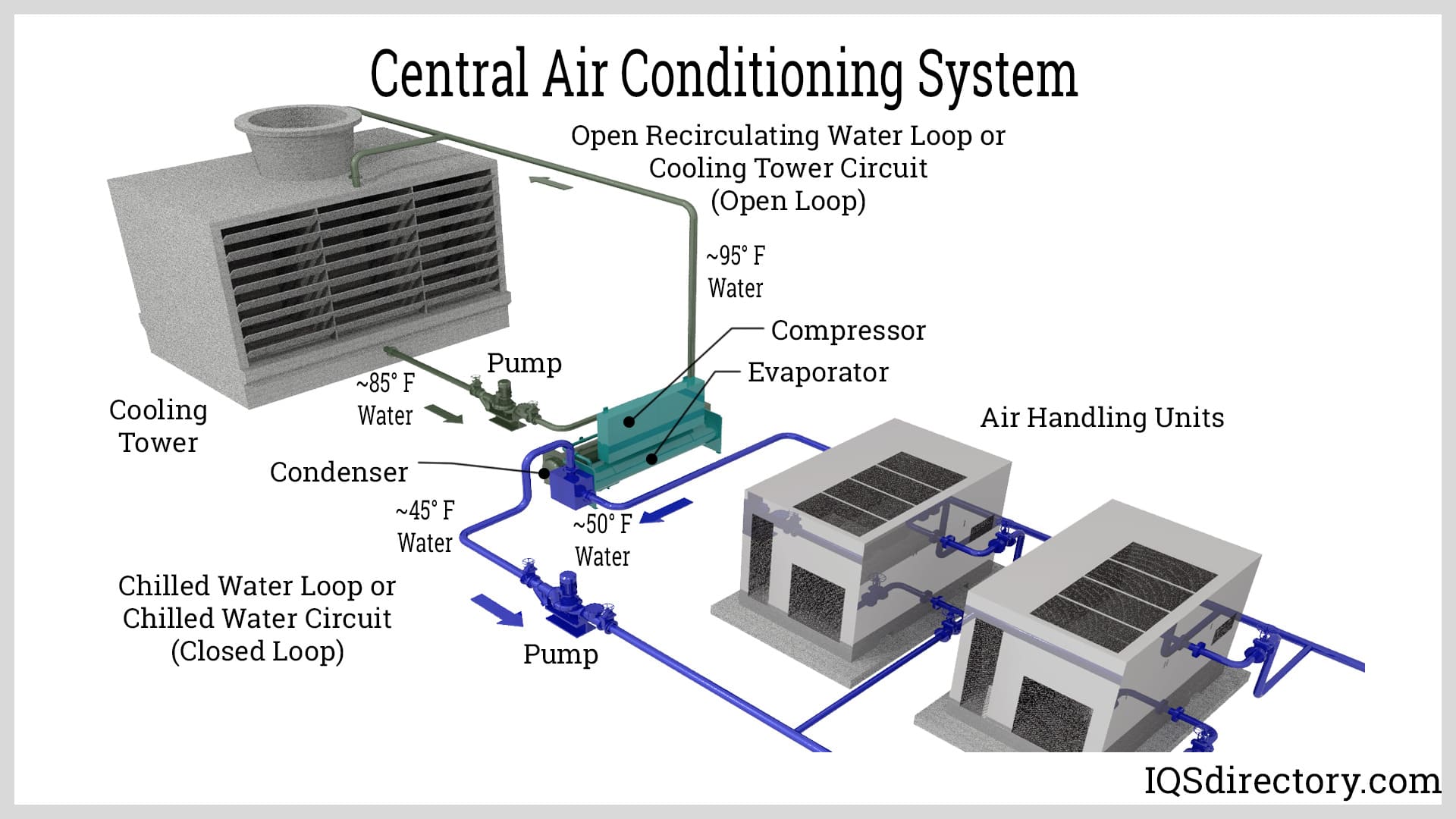
Refrigerant is the substance that absorbs and releases heat, enabling the cooling process. Common refrigerants include R-22 (being phased out) and R-410A.
Important Safety Note: Refrigerant is a hazardous substance and should only be handled by trained professionals.
Common Issues:
- Refrigerant Leaks: Leaks can reduce the efficiency of your AC and potentially harm the environment.
- Low Refrigerant Charge: A low refrigerant charge can cause your AC to cool poorly or not at all.
When to Call a Professional:
- Always call a professional to handle refrigerant issues. They have the necessary tools and training to safely repair leaks and recharge the system.
Capacitors: The Electrical Boosters
Capacitors are electrical components that store energy and provide a boost to start the compressor and fan motors. They are essential for the smooth operation of your AC.
Common Issues:
- Failed Capacitor: A failed capacitor can prevent the compressor or fan motor from starting.
- Bulging or Leaking Capacitor: These are signs of a failing capacitor.
DIY Troubleshooting (with extreme caution):
- Visual Inspection: Carefully inspect the capacitors in the condenser unit (after disconnecting power!) for any signs of bulging or leaking. Warning: Capacitors can store a dangerous electrical charge even after the power is turned off. It is best to leave capacitor replacement to a qualified technician.
When to Call a Professional:
- Due to the high-voltage nature of capacitors, it is best to call a qualified technician for diagnosis and replacement. Incorrect handling can result in severe electrical shock.
Estimated Repair Costs: A General Overview
Please remember that these are just estimates, and actual costs can vary depending on location, the complexity of the repair, and the HVAC contractor you choose.
- Air Filter Replacement: $10 - $30
- Capacitor Replacement: $150 - $350
- Refrigerant Recharge: $200 - $600 (depending on the amount of refrigerant needed and the type of refrigerant)
- Condenser Fan Motor Replacement: $300 - $800
- Compressor Replacement: $1,500 - $4,000+
- Evaporator Coil Replacement: $1,000 - $2,500
- Thermostat Replacement: $100 - $500 (depending on the type of thermostat)
Safety First!
Working with electrical components and refrigerants can be dangerous. Always disconnect power to the AC unit before attempting any repairs. If you are unsure about any aspect of the repair, it's best to call a qualified HVAC technician.
Conclusion
Understanding the parts of your central AC system can empower you to troubleshoot basic issues and communicate more effectively with HVAC professionals. While some repairs can be tackled by DIY enthusiasts, it's crucial to recognize your limitations and call in the experts when needed. By staying informed and proactive, you can keep your AC system running smoothly and efficiently for years to come.
:max_bytes(150000):strip_icc()/what-are-central-air-conditioners-1152645_V2-390c6f1f6ca14b4ebc59426f226a78a8.png)