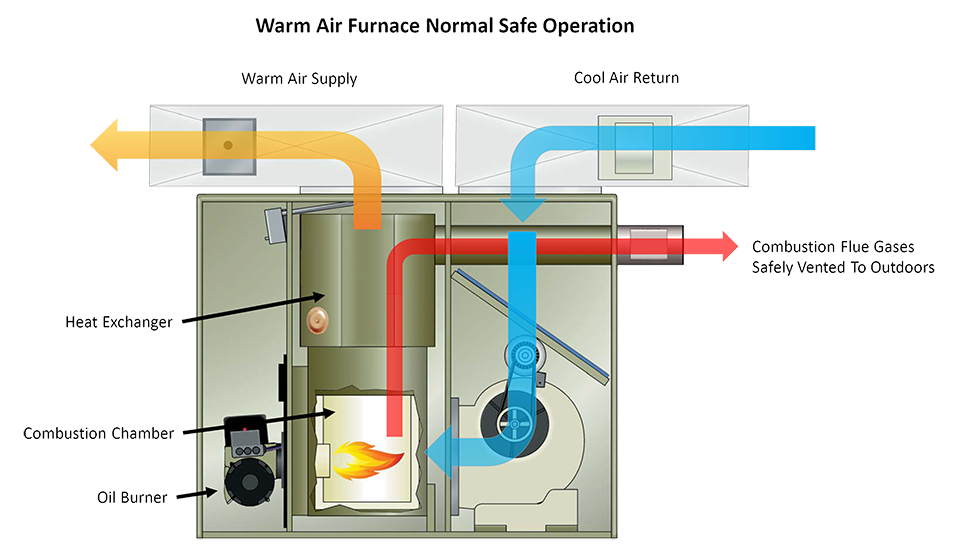
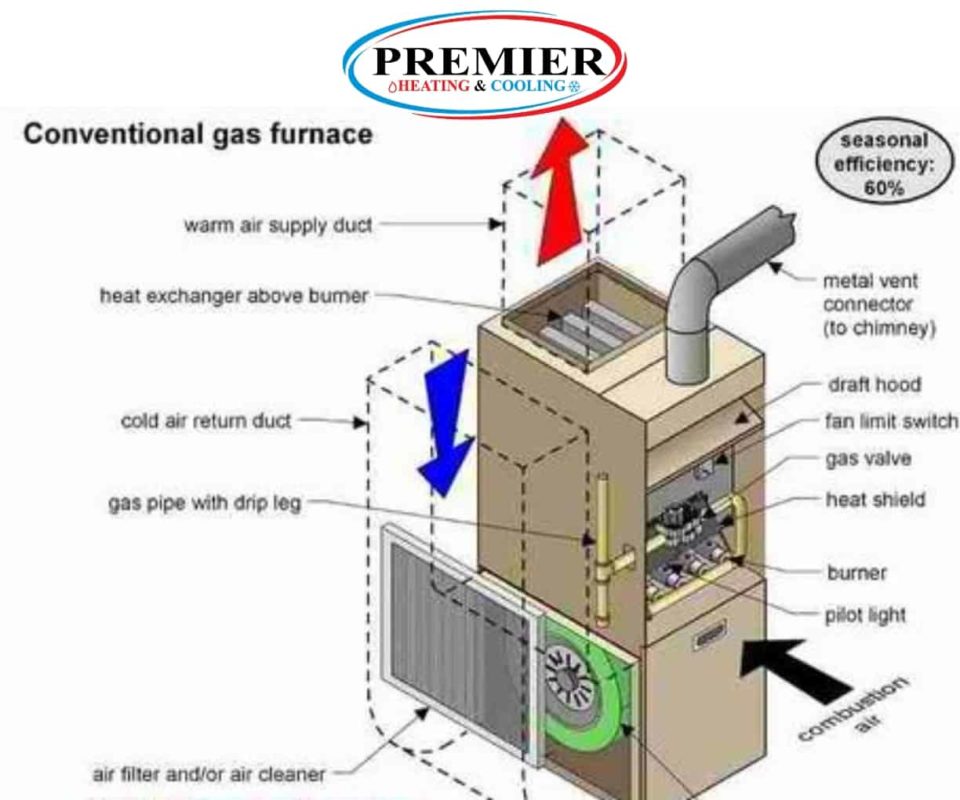
Parts Of A Gas Furnace Diagram
One of the most common frustrations homeowners face with their gas furnaces is a sudden, unexpected shutdown. The furnace might start its cycle, run for a short time, and then abruptly turn off, leaving you shivering and wondering what went wrong. This often points to a problem in the furnace's complex system, and understanding its components – even at a basic level – can save you time and money.
This guide will walk you through a simplified troubleshooting process, focusing on key parts of a gas furnace diagram and offering safe DIY solutions where possible. Remember, safety is paramount. If you're uncomfortable with any step, or if you suspect a gas leak, immediately contact a qualified HVAC technician.
Understanding Key Components (and the Diagram)
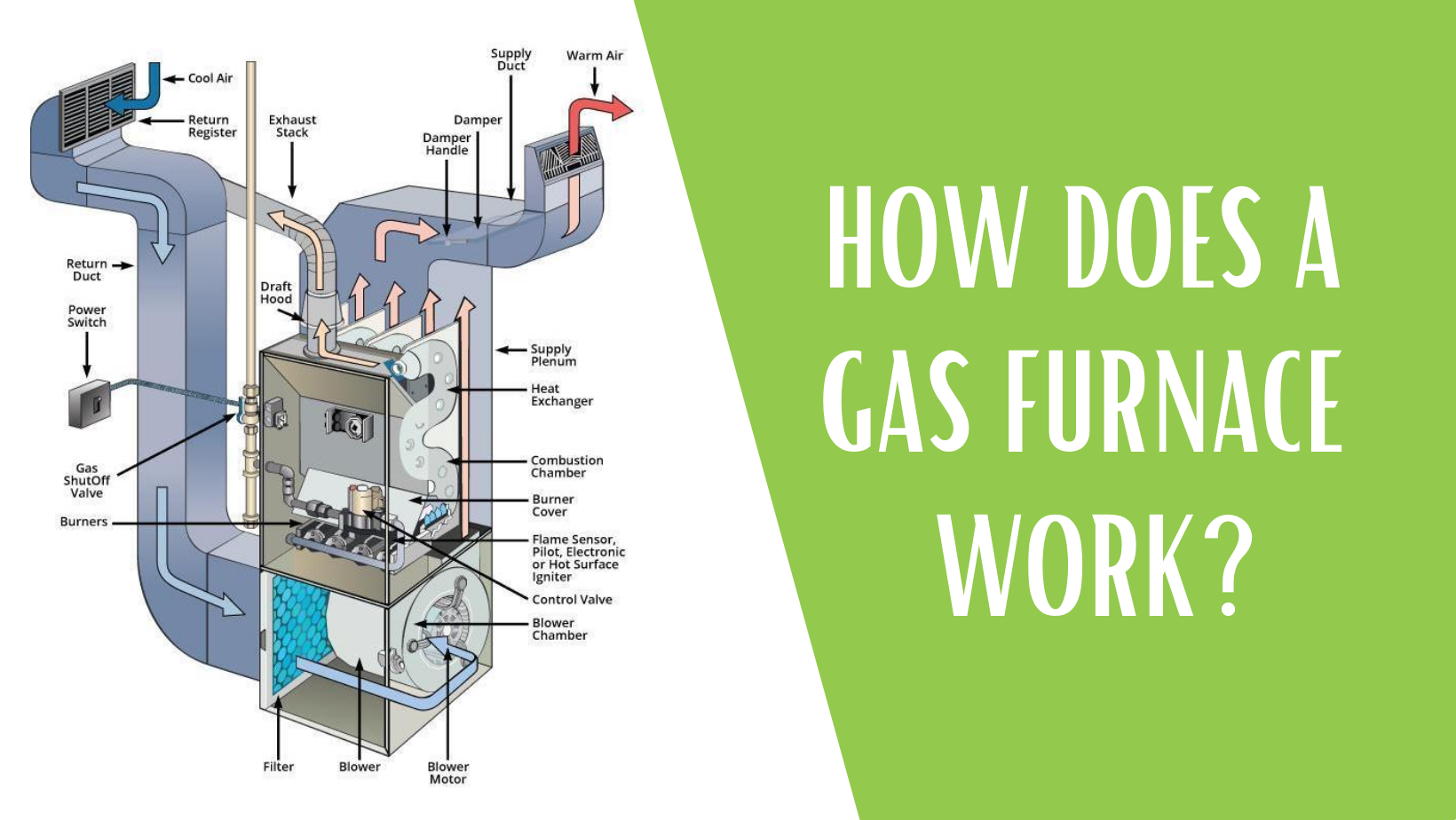
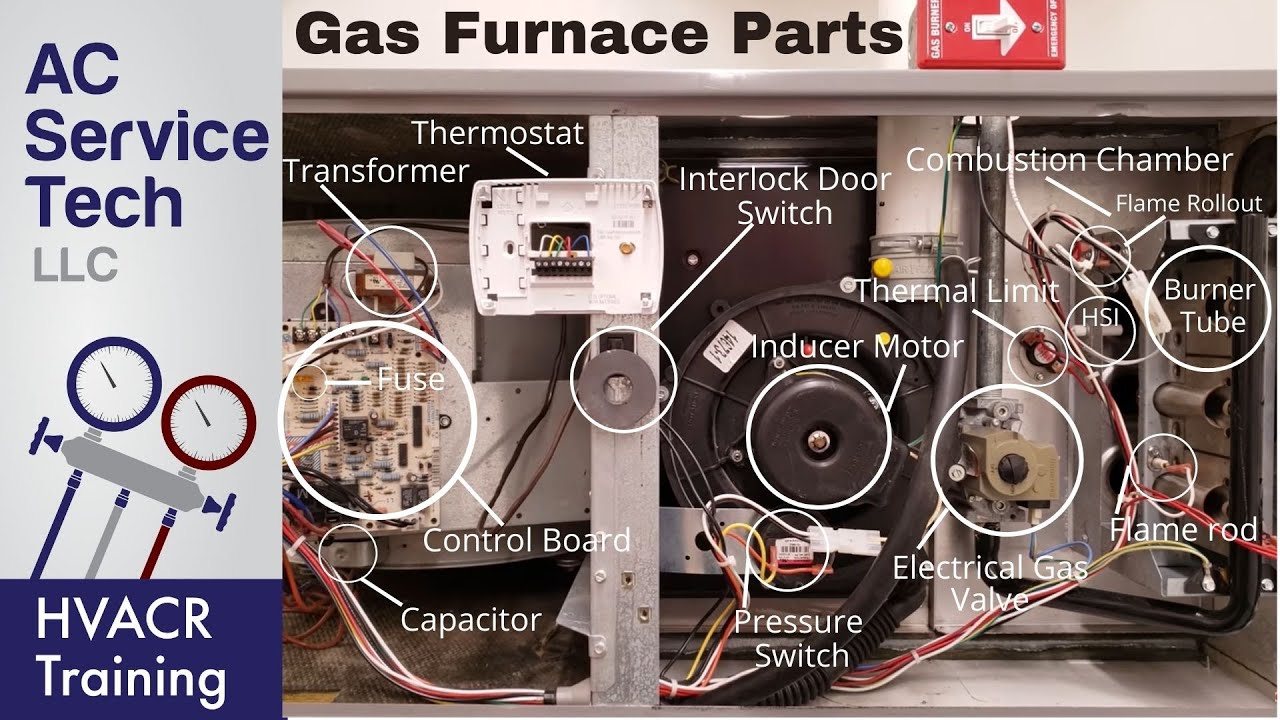
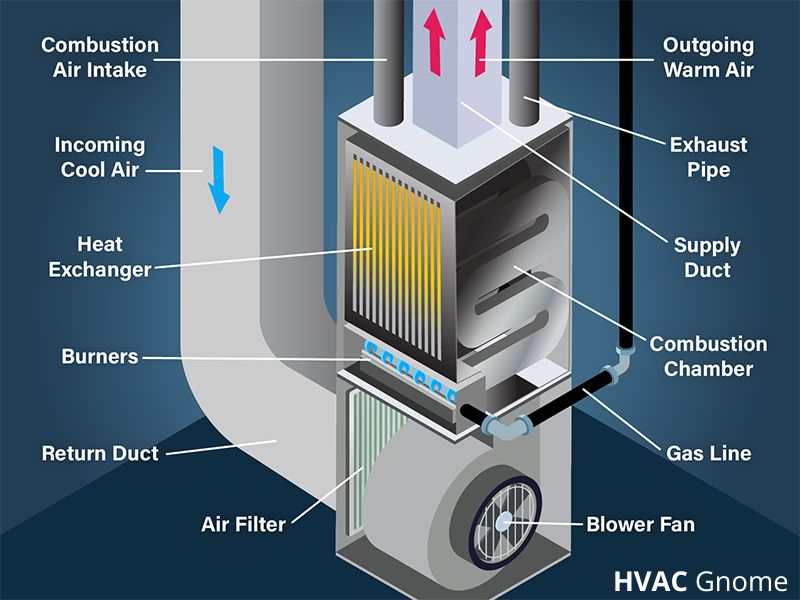
Before diving into the troubleshooting, let's familiarize ourselves with some essential parts you'll find on a typical gas furnace diagram. These are the components we'll be referencing in our troubleshooting steps:
- Thermostat: This is your furnace's control center, telling it when to turn on and off based on your desired temperature.
- Gas Valve: Controls the flow of natural gas to the burner.
- Igniter/Pilot Light: The igniter (in modern furnaces) or pilot light (in older models) is what starts the combustion process.
- Flame Sensor: A safety device that detects the presence of a flame and allows the gas valve to remain open.
- Burners: Where the natural gas is burned to produce heat.
- Heat Exchanger: Transfers the heat from the burning gas to the air that circulates through your home.
- Blower Motor: Circulates the heated air throughout your ductwork.
- Limit Switch: A safety device that shuts down the furnace if it gets too hot.
- Control Board: The "brain" of the furnace, controlling the various components based on signals from the thermostat and safety devices.
- Flue Pipe: Vents combustion gases safely out of your home.
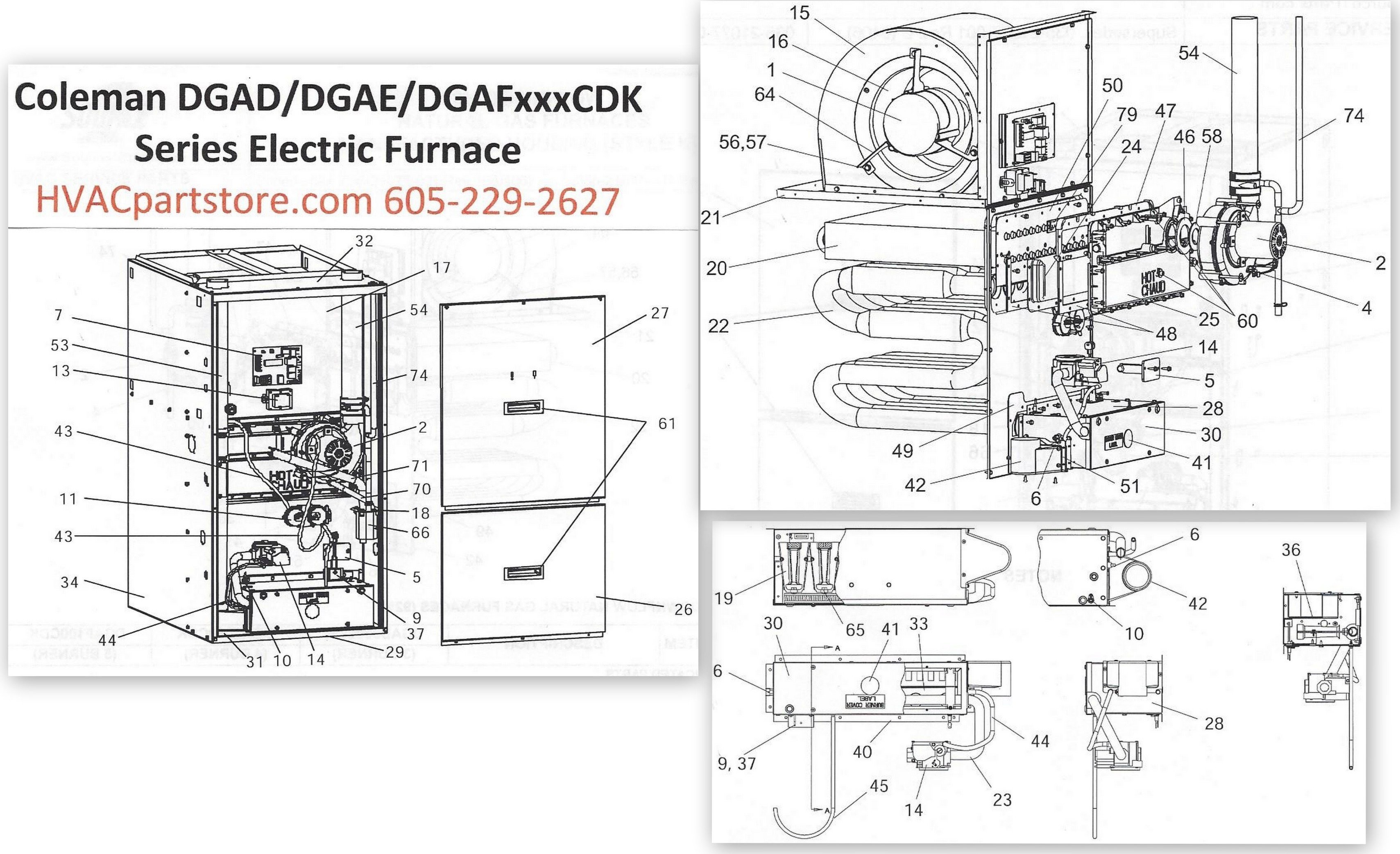
Keep this list handy as we work through the troubleshooting steps. It's helpful to have a copy of your furnace's specific diagram (usually found inside the furnace cabinet door), but this general overview will suffice for many common issues.
Troubleshooting Step-by-Step: The Short Cycling Furnace
Let's address the common problem of a furnace that starts, runs briefly, and then shuts off – known as "short cycling."
Step 1: Check the Thermostat
The thermostat is the first place to look. A simple thermostat issue can mimic a more serious furnace problem.
- Ensure it's set to "Heat" mode. Seems obvious, but double-check!
- Make sure the temperature setting is a few degrees higher than the current room temperature. If it's set lower, the furnace won't turn on or will cycle off quickly.
- Check the thermostat batteries. Low batteries can cause erratic behavior. Replace them with fresh ones.
- Inspect the thermostat wiring. Look for loose or corroded wires. If you're comfortable, carefully tighten any loose connections. If you're not sure, leave this to a professional.
DIY Fix: Replace thermostat batteries. Ensure proper temperature settings. Tighten loose wires (with caution and only if you're comfortable).
When to Call a Pro: If the thermostat display is blank, or the problem persists after replacing batteries and checking wiring, the thermostat itself may be faulty and needs replacement by a qualified technician.
Step 2: Check the Air Filter
A clogged air filter is a very common cause of short cycling. A dirty filter restricts airflow, causing the furnace to overheat.
- Locate the air filter slot. This is typically located on the side or bottom of the furnace.
- Remove the filter.
- Inspect the filter. If it's visibly dirty, dusty, or clogged, it needs to be replaced.
DIY Fix: Replace the dirty air filter with a new one of the correct size and type. This is a maintenance task you should perform regularly (every 1-3 months), not just when there's a problem.
When to Call a Pro: If the problem persists after replacing the filter, restricted airflow is unlikely to be the sole cause, and further investigation is needed.
Step 3: Check the Flame Sensor
The flame sensor is a safety device that ensures the gas valve only stays open when a flame is present. If the sensor is dirty or faulty, it can falsely detect the absence of a flame, causing the furnace to shut down prematurely.
- Locate the flame sensor. It's usually a thin metal rod located near the burner, often held in place by a single screw. Refer to your furnace diagram.
- Turn off the power to the furnace at the circuit breaker. Safety first!
- Carefully remove the flame sensor. Unscrew the retaining screw and gently pull it out.
- Inspect the sensor. Look for a buildup of carbon deposits or soot.
- Clean the sensor. Use a fine-grit sandpaper or steel wool to gently clean the rod. Remove all carbon deposits.
- Reinstall the flame sensor. Secure it with the retaining screw.
- Turn the power back on to the furnace at the circuit breaker.
DIY Fix: Clean the flame sensor. Be gentle during the cleaning process.
When to Call a Pro: If cleaning the flame sensor doesn't resolve the issue, the sensor itself may be faulty and needs to be replaced. This requires specialized tools and knowledge.
Step 4: Check the Limit Switch
The limit switch is another crucial safety device. It's designed to shut down the furnace if it overheats. If the limit switch trips repeatedly, it indicates an underlying problem causing excessive heat.
- Locate the limit switch. It's usually a small rectangular box located near the top of the furnace, often on the blower housing or near the heat exchanger. Refer to your furnace diagram.
- Inspect the switch. Some limit switches have a reset button. If you see one, try pressing it. However, if the switch trips again immediately, DO NOT keep resetting it. This indicates a serious problem.
Important Note: Do not bypass or disable the limit switch under any circumstances. This is a critical safety device that prevents fires and other hazards.
DIY Fix: If the limit switch has a reset button, try resetting it once. Ensure the air filter is clean.
When to Call a Pro: If the limit switch trips repeatedly, or if it doesn't have a reset button, you must call a qualified HVAC technician. This indicates a serious overheating problem that needs professional diagnosis and repair. Common causes include a faulty blower motor, blocked ductwork, or a malfunctioning heat exchanger. Attempting to fix this yourself could be dangerous.
Step 5: Check the Blower Motor
The blower motor circulates heated air throughout your home. If it's malfunctioning, it can cause the furnace to overheat and shut down.
- Listen to the blower motor. Does it sound like it's running smoothly? Or does it make unusual noises, such as squealing, grinding, or humming?
- Check for obstructions. Ensure nothing is blocking the blower fan blades.
Important Note: Working with a blower motor can be dangerous due to electrical components. If you are not comfortable working with electricity, call a professional.
DIY Fix: Ensure nothing is obstructing the blower fan blades.
When to Call a Pro: If the blower motor is making unusual noises, or if it's not running at all, it likely needs to be repaired or replaced by a qualified HVAC technician. Attempting to repair a blower motor yourself without proper training can be dangerous.
Step 6: Check the Gas Valve
The gas valve controls the flow of natural gas to the burners. A faulty gas valve can prevent the furnace from igniting or cause it to shut down prematurely.
- Listen for a click. When the furnace starts, you should hear a clicking sound from the gas valve as it opens. If you don't hear this click, the gas valve may be faulty.
- Check the gas supply. Ensure the gas valve is in the "on" position and that you have gas service to your home.
Important Note: Working with gas lines is extremely dangerous. If you suspect a gas leak, evacuate your home immediately and call your gas company.
DIY Fix: Ensure the gas valve is in the "on" position.
When to Call a Pro: If you suspect a gas leak, or if the gas valve is not functioning properly, you must call a qualified HVAC technician or your gas company. Do not attempt to repair a gas valve yourself.
When to Call a Professional, No Matter What
Regardless of your DIY skills, there are certain situations where professional help is absolutely necessary:
- Suspected Gas Leak: If you smell gas, evacuate your home immediately and call your gas company or 911.
- Carbon Monoxide Alarm: If your carbon monoxide alarm goes off, evacuate your home immediately and call 911.
- Heat Exchanger Issues: A cracked heat exchanger is a serious safety hazard and requires immediate professional attention. Signs include a strong, unusual odor, soot around the furnace, or visible cracks in the heat exchanger.
- Complex Electrical Issues: If you are not comfortable working with electricity, or if you suspect a major electrical problem with your furnace, call a qualified electrician or HVAC technician.
- If the Problem Persists: If you've tried the DIY solutions outlined above and the problem persists, it's time to call a professional. Continuing to troubleshoot without the proper knowledge and tools could potentially damage your furnace or create a safety hazard.
Remember, your safety and the safety of your family are paramount. When in doubt, call a professional.
By understanding the basic parts of a gas furnace diagram and following these troubleshooting steps, you can often diagnose and fix simple problems yourself. However, always prioritize safety and don't hesitate to call a professional when needed.