Parts Of A Home Ac System

It's a sweltering summer day, and suddenly your home AC decides to take a break. You're left sweating and wondering what went wrong. Before calling a professional, there are a few simple troubleshooting steps you can take to potentially diagnose and even fix the problem yourself. This guide will walk you through common AC issues, focusing on the key parts of your system and safe DIY solutions. Remember, your safety is paramount, and some repairs are best left to the pros.
Understanding Your Home AC System: The Key Players
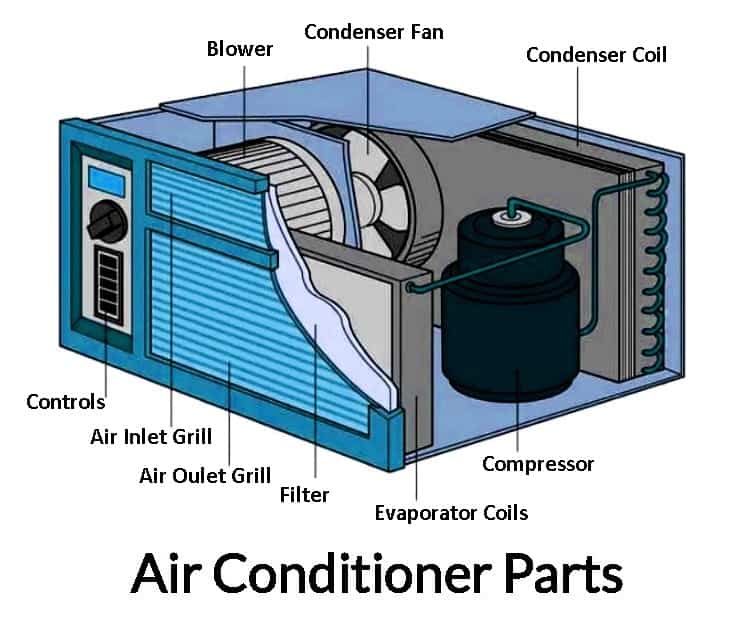
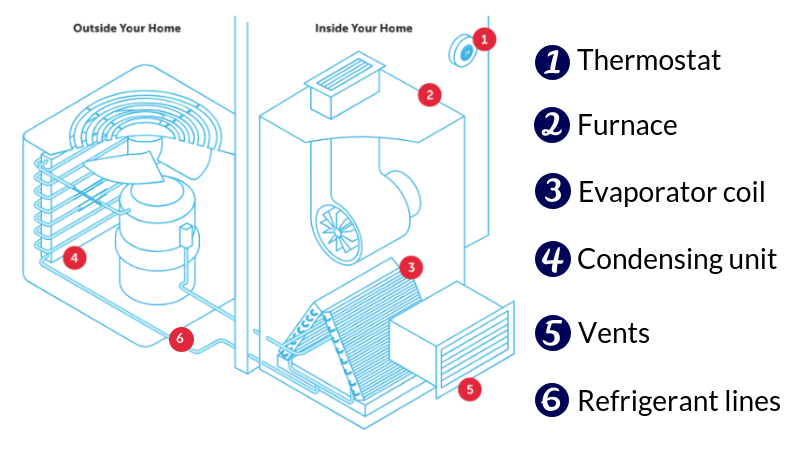
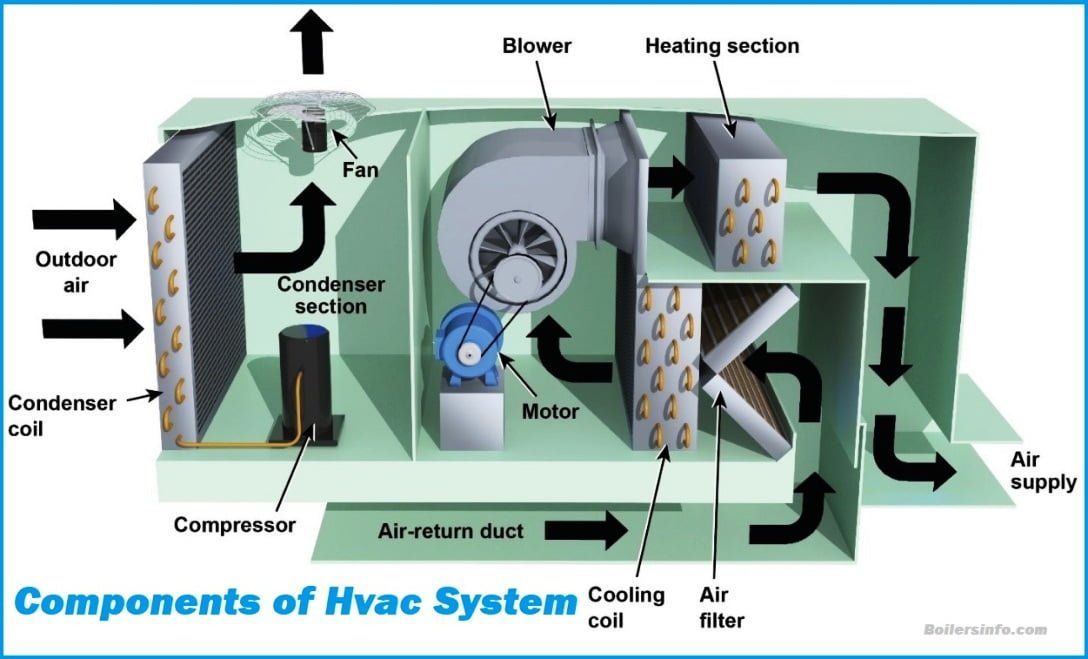
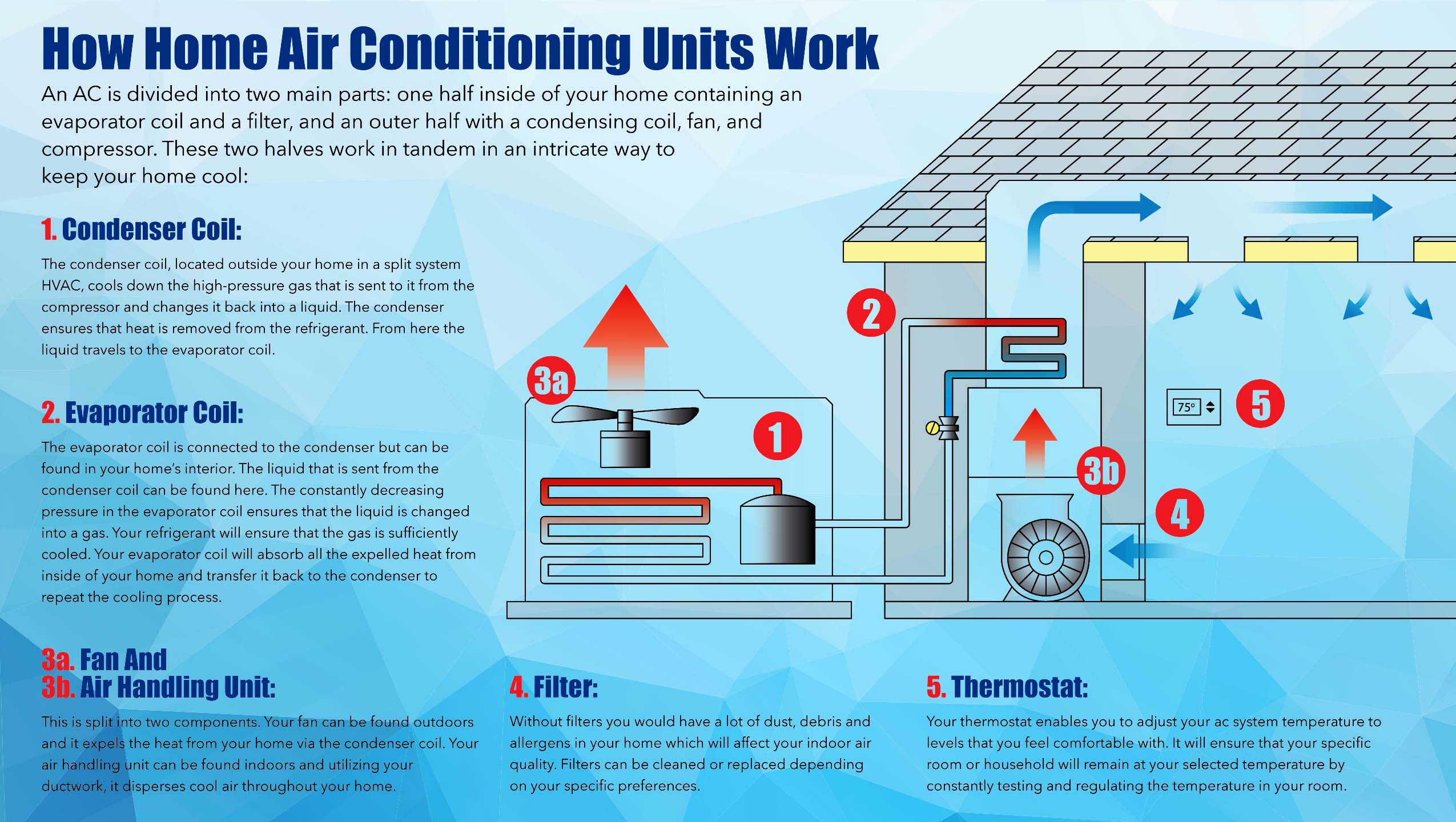
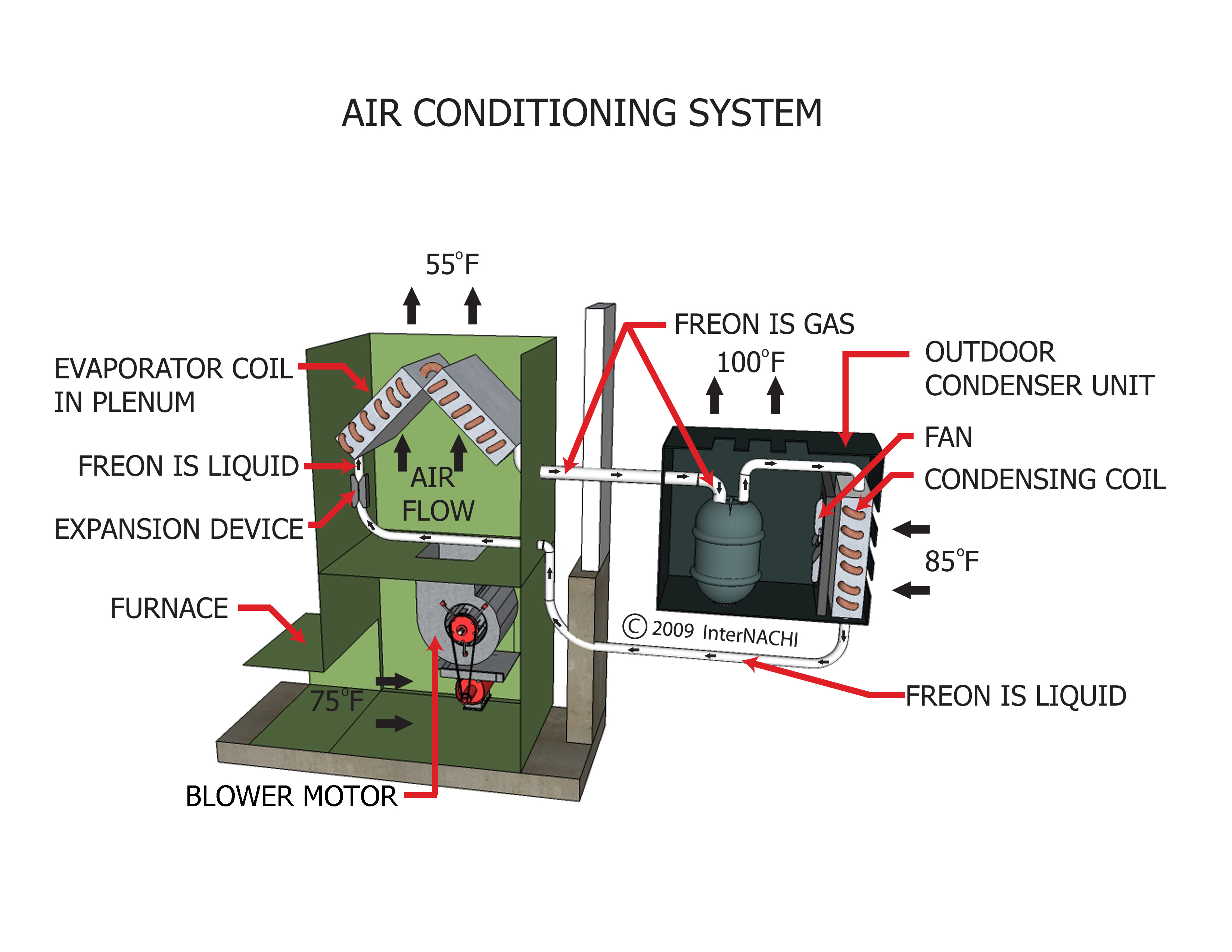
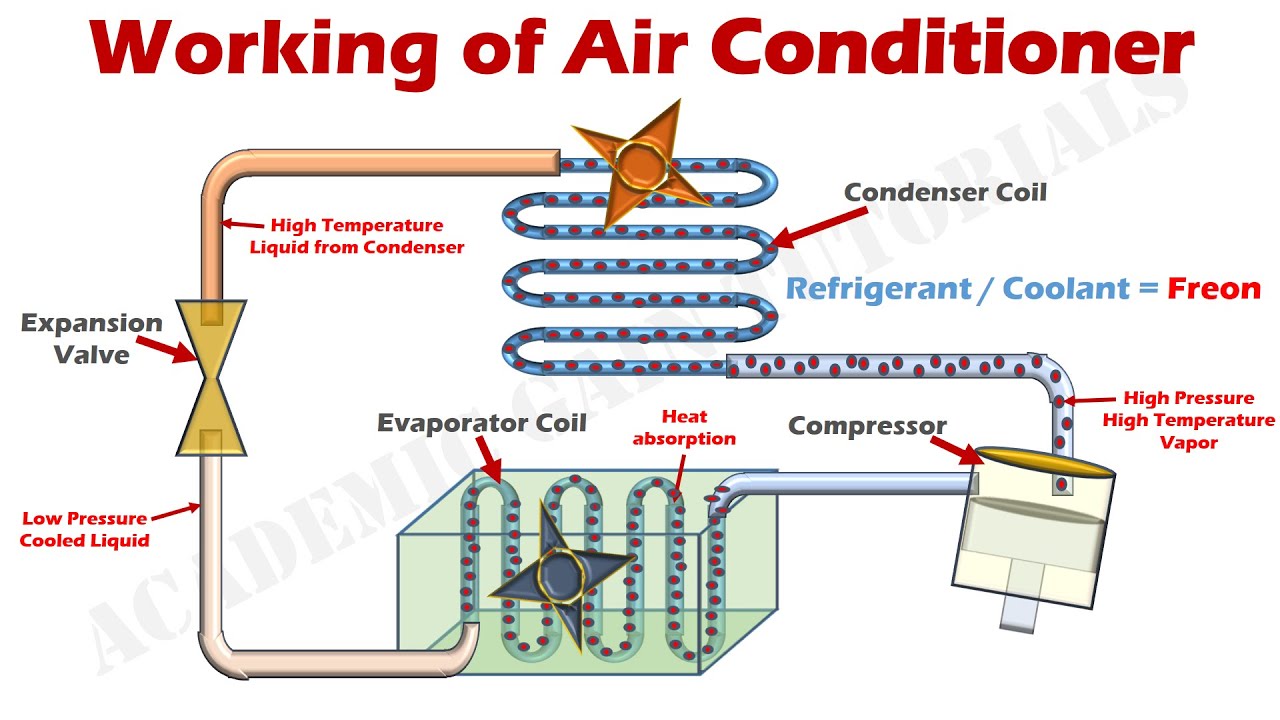
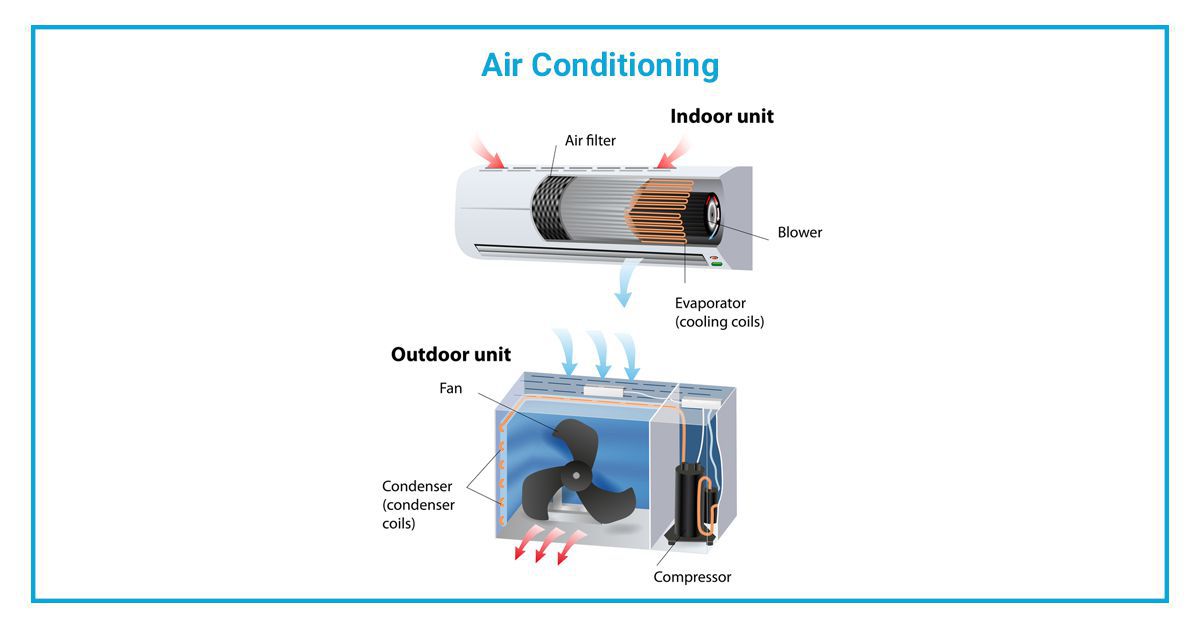
Your home AC system isn't just one unit; it's a network of components working together. Let's break down the main parts:
- Thermostat: The control center. It senses the temperature and signals the AC to turn on or off.
- Outdoor Unit (Condenser): This contains the compressor, condenser coil, and fan. It releases heat from your home to the outside.
- Indoor Unit (Evaporator): Typically housed within your furnace or air handler, it contains the evaporator coil and blower fan. It absorbs heat from your home.
- Air Filter: Located near the indoor unit, it filters dust and debris from the air.
- Ductwork: The network of channels that distributes cool air throughout your home.
- Refrigerant Lines: Copper pipes that carry refrigerant between the indoor and outdoor units.
Troubleshooting: A Step-by-Step Guide
1. Is the Thermostat Set Correctly?
This might seem obvious, but it's the most common culprit! Double-check these:
- Mode: Is the thermostat set to "Cool" or "AC"? Make sure it’s not on "Heat" or "Fan Only."
- Temperature: Is the set temperature lower than the current room temperature? Try lowering the temperature a few degrees to force the AC to kick on.
- Batteries: If your thermostat is digital, make sure the batteries are fresh. Low batteries can cause erratic behavior. Replace them and see if that resolves the issue.
DIY Fix: Replace the thermostat batteries or adjust the settings. If the thermostat is faulty, consider replacing it with a new one. Modern smart thermostats can offer improved control and energy savings. If you are uncomfortable working with electrical wiring, consult with a professional.
2. Check the Air Filter
A clogged air filter is a major cause of AC problems. A dirty filter restricts airflow, making the AC work harder and less efficiently. It can even cause the evaporator coil to freeze up.
- Location: The air filter is usually located in the indoor unit, near where the return air duct enters. Consult your furnace or air handler's manual if you're unsure.
- Inspection: Remove the filter and hold it up to the light. If you can't see much light through it, it's dirty and needs to be replaced.
DIY Fix: Replace the air filter with a new one of the correct size. This is a simple and important maintenance task. Aim to replace your air filter every 1-3 months, depending on usage and air quality. Consider upgrading to a higher MERV rating filter for better air filtration, but ensure your system can handle it; check your system specifications.
3. Inspect the Outdoor Unit (Condenser)
The outdoor unit is responsible for releasing heat. If it's blocked or dirty, it can't do its job effectively.
- Clearance: Make sure there's at least 2-3 feet of clear space around the unit. Remove any bushes, plants, or debris that might be obstructing airflow.
- Cleanliness: Use a garden hose (with a gentle spray) to clean the condenser fins. Be careful not to bend or damage the fins. Spray from the inside out to push debris away.
- Fan: Check that the fan is not damaged and that it spins freely. Do not attempt to manually spin the fan while the unit is powered on.
DIY Fix: Clear debris around the unit and clean the condenser fins. Turn off the power to the outdoor unit at the breaker before cleaning. If the fan is damaged, do not attempt to repair it yourself; contact a qualified HVAC technician.
4. Check the Circuit Breaker
A tripped circuit breaker can cut power to your AC system. Check both the indoor and outdoor unit breakers.
- Location: The circuit breaker is usually located in your home's electrical panel.
- Inspection: Look for a breaker that is in the "tripped" (middle) position. If you find one, flip it all the way to the "off" position and then back to the "on" position.
DIY Fix: Reset the tripped circuit breaker. If the breaker trips repeatedly, there's a more serious electrical problem. Stop using the AC and call a qualified electrician.
5. Listen for Unusual Noises
Strange noises can indicate a problem with a specific component.
- Squealing: Could indicate a worn belt in the blower motor (usually in older systems).
- Grinding: Could indicate a problem with the compressor or blower motor.
- Hissing: Could indicate a refrigerant leak.
DIY Action: If you hear unusual noises, try to pinpoint the source. Document the noise and any other symptoms you're experiencing. This information will be helpful when you call a technician. Do not attempt to disassemble or repair any internal components. If you suspect a refrigerant leak, immediately contact a qualified HVAC technician. Refrigerant leaks can be harmful and require specialized equipment to repair.
6. Check for Ice Buildup
Ice buildup on the evaporator coil (indoor unit) or refrigerant lines can restrict airflow and prevent the AC from cooling properly. This is often caused by a dirty air filter or low refrigerant levels.
- Inspection: Check the evaporator coil (you may need to remove an access panel) and the refrigerant lines for ice.
DIY Action: If you find ice buildup:
- Turn off the AC system.
- Replace the air filter if it's dirty.
- Turn the fan to "on" to help melt the ice.
- Allow the ice to melt completely before turning the AC back on. This may take several hours.
If the ice buildup returns quickly after restarting the AC, there's likely a more serious problem, such as a refrigerant leak or a malfunctioning compressor. Call a qualified HVAC technician.
When to Call a Professional
While some AC problems can be addressed with simple DIY fixes, others require the expertise of a qualified HVAC technician. Do not attempt to repair these issues yourself:
- Refrigerant Leaks: Handling refrigerant requires specialized equipment and training. Leaks can also be harmful to the environment.
- Compressor Problems: The compressor is the heart of the AC system. Repairing or replacing it is a complex and expensive task.
- Electrical Issues: Working with electrical components can be dangerous. If you're not comfortable working with electricity, leave it to a professional.
- Gas Leaks: If your system uses gas, leave the job to trained professionals.
- Complex Internal Components: Any issue involving the internal mechanics of the compressor, evaporator, or condenser should be handled by a professional.
Look for these warning signs that require professional attention:
- Your AC is making loud, unusual noises.
- You smell burning or electrical odors.
- Your AC is leaking water or refrigerant.
- Your AC is not cooling your home, even after trying basic troubleshooting steps.
- Your energy bills are suddenly much higher than usual.
Preventative Maintenance: Keeping Your AC Running Smoothly
Regular maintenance can help prevent AC problems and extend the life of your system.
- Change the air filter regularly: As mentioned earlier, this is one of the most important things you can do.
- Clean the outdoor unit: Clear debris and clean the condenser fins regularly.
- Schedule annual maintenance: A qualified HVAC technician can inspect your system, clean the coils, check refrigerant levels, and identify potential problems before they become major issues.
- Keep vents clear: Don't block air vents with furniture or curtains.
By following these troubleshooting steps and performing regular maintenance, you can keep your AC system running efficiently and comfortably for years to come. Remember, safety first! If you're unsure about anything, don't hesitate to call a qualified HVAC technician.
Disclaimer: This article provides general troubleshooting information and should not be considered a substitute for professional advice. Always consult with a qualified HVAC technician for any complex repairs or concerns about your AC system. The author and publisher are not responsible for any damages or injuries that may result from attempting repairs based on this information.