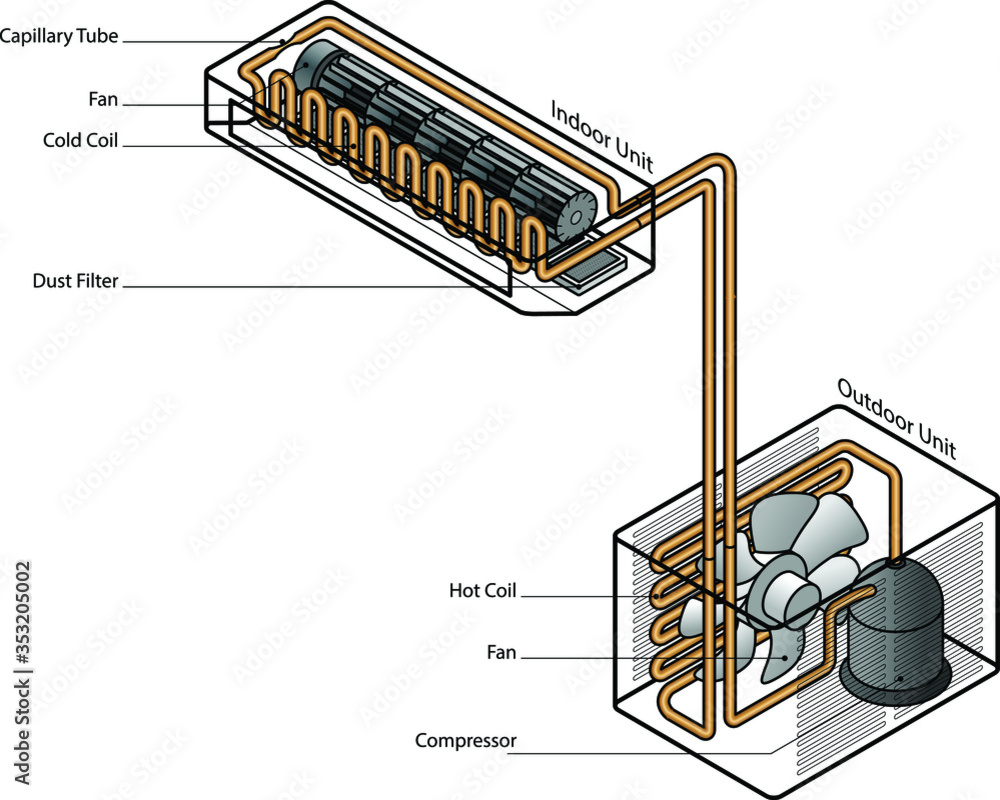
Parts Of Air Conditioner Indoor Unit

Understanding the parts of your air conditioner's indoor unit can be beneficial for troubleshooting minor issues, communicating effectively with HVAC technicians, and making informed decisions about maintenance and replacements. This guide provides a comprehensive overview of these components.
The Indoor Unit: Your Home's Cooling Hub
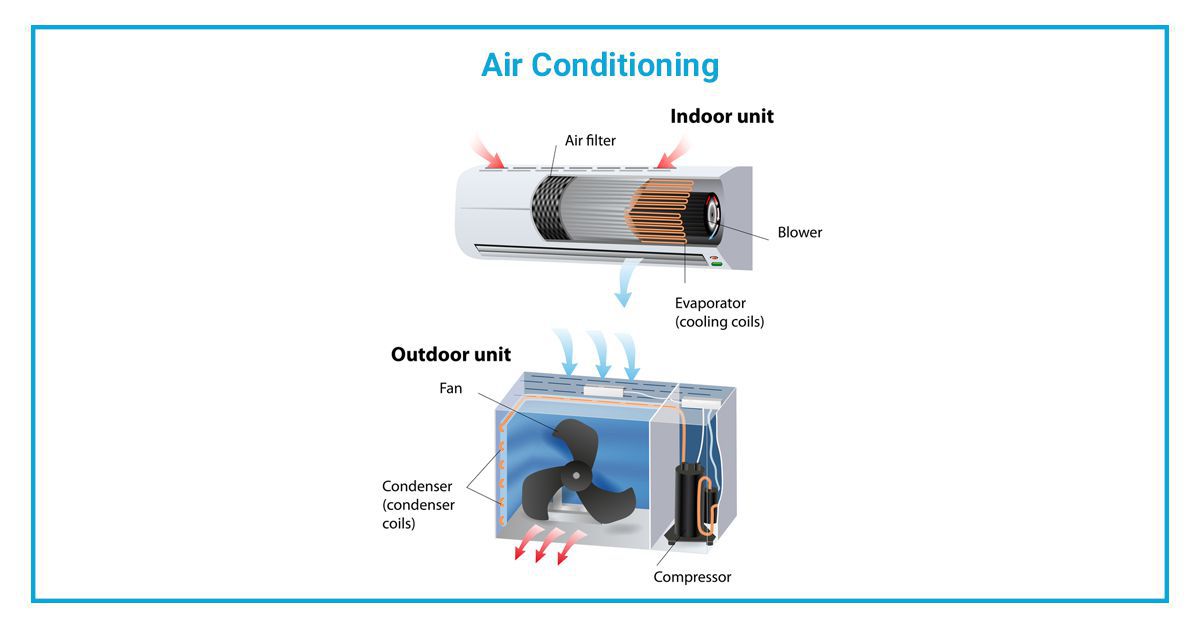
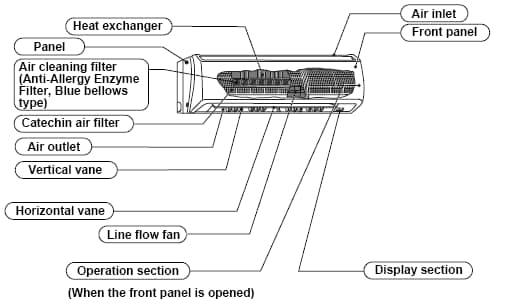
The indoor unit, often mounted on a wall or ceiling inside your home, is responsible for absorbing heat from the air and circulating cool air back into the room. It's a complex system with several key parts working in harmony.
1. Evaporator Coil: The Heat Absorber
The evaporator coil is arguably the most important component of the indoor unit. It's a network of tubes filled with refrigerant, a special fluid that easily absorbs heat. Think of refrigerant as the "blood" of your AC system, carrying heat from inside to outside.
Here's how it works:
- Warm air from your room is blown over the evaporator coil.
- The cold refrigerant inside the coil absorbs the heat from the air.
- As the refrigerant absorbs heat, it changes from a liquid to a gas.
- The cooled air is then blown back into the room, lowering the temperature.
The evaporator coil is typically made of copper or aluminum, materials known for their excellent heat transfer properties. Over time, the coil can accumulate dust and debris, reducing its efficiency. Regular cleaning is essential for optimal performance.
2. Air Filter: Protecting the System and Improving Air Quality
The air filter is a critical component that protects both the AC system and your indoor air quality. Its primary function is to trap dust, pollen, pet dander, and other airborne particles before they can enter the evaporator coil and other internal components.
A clogged air filter restricts airflow, forcing the AC system to work harder, which can lead to:
- Reduced cooling efficiency
- Increased energy consumption
- Overheating and potential damage to the compressor (the heart of the AC system, located in the outdoor unit)
- Poor indoor air quality
Air filters come in various types, including disposable fiberglass filters, pleated filters, and washable filters. The MERV (Minimum Efficiency Reporting Value) rating indicates the filter's ability to capture particles. Higher MERV ratings generally mean better filtration, but they can also restrict airflow more significantly. Consult your AC unit's manual or an HVAC professional to determine the appropriate MERV rating for your system. Regular filter replacement (typically every 1-3 months) is crucial for maintaining optimal performance and air quality.
3. Blower Motor and Fan: Circulating Air
The blower motor and fan are responsible for circulating air across the evaporator coil and distributing the cooled air throughout your home. The blower motor powers the fan, which draws air from the room, forces it over the cold evaporator coil, and then blows the cooled air back into the room through the vents.
The blower motor is typically located near the evaporator coil and is often a multi-speed motor, allowing you to adjust the fan speed to your desired level of comfort. A faulty blower motor can result in:
- Weak or no airflow
- Unusual noises (e.g., squealing, grinding)
- Overheating
The fan blades can also accumulate dust and debris over time, reducing their efficiency. Regular cleaning can help improve airflow and prevent the motor from overheating.
4. Expansion Valve or Metering Device: Regulating Refrigerant Flow
The expansion valve (also sometimes referred to as a metering device) is a critical component that controls the flow of refrigerant into the evaporator coil. It's located near the inlet of the evaporator coil and is responsible for reducing the pressure of the liquid refrigerant, allowing it to evaporate and absorb heat.
There are several types of expansion valves, including:
- Thermostatic Expansion Valve (TXV): A TXV automatically adjusts the refrigerant flow based on the temperature of the evaporator coil, ensuring optimal cooling performance.
- Capillary Tube: A simple, fixed-orifice device that provides a constant refrigerant flow rate. Commonly found in smaller, less expensive AC units.
A malfunctioning expansion valve can lead to:
- Reduced cooling capacity
- Icing of the evaporator coil
- Compressor damage
5. Drain Pan and Drain Line: Removing Condensate
As the warm, humid air passes over the cold evaporator coil, moisture condenses on the coil's surface. This condensate needs to be collected and drained away to prevent water damage and mold growth. The drain pan is located beneath the evaporator coil to collect the condensate, and the drain line carries the water away to a suitable drain point.
A clogged drain line is a common problem that can lead to:
- Water leaks inside the house
- Mold and mildew growth
- Damage to the AC unit and surrounding structures
Regularly check the drain pan and drain line for clogs. You can often clear a clogged drain line by using a wet/dry vacuum or by flushing it with a solution of bleach and water.
6. Control Board: The Brain of the Operation
The control board is the electronic control center of the indoor unit. It monitors and controls various functions, such as:
- Fan speed
- Temperature settings
- Defrost cycles (in heat pump systems)
- Communication with the thermostat
The control board receives signals from the thermostat and other sensors and then activates the appropriate components to achieve the desired cooling or heating. A faulty control board can cause a variety of problems, including:
- The AC unit not turning on or off
- Erratic fan operation
- Incorrect temperature settings
Diagnosing control board issues typically requires specialized knowledge and equipment. It's best to consult a qualified HVAC technician.
7. Thermostat: Setting the Temperature
While not physically located inside the indoor unit, the thermostat is an essential component that controls its operation. The thermostat senses the temperature in your home and sends signals to the control board to turn the AC unit on or off to maintain the desired temperature.
Thermostats come in various types, including:
- Manual Thermostats: Simple, basic thermostats with a dial or lever to set the temperature.
- Programmable Thermostats: Allow you to set different temperature schedules for different times of the day or week, saving energy.
- Smart Thermostats: Offer advanced features such as remote control via a smartphone app, learning capabilities, and integration with other smart home devices.
A malfunctioning thermostat can lead to inaccurate temperature readings, inconsistent cooling, and wasted energy. Ensure that your thermostat is properly calibrated and functioning correctly.
8. Refrigerant Lines: Connecting Indoor and Outdoor Units
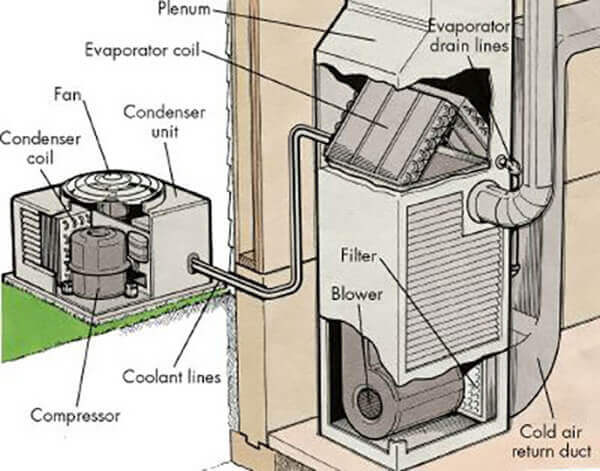
Refrigerant lines are the copper pipes that connect the indoor and outdoor units, carrying the refrigerant between the two components. There are typically two refrigerant lines: a liquid line that carries high-pressure liquid refrigerant from the outdoor unit to the indoor unit, and a suction line that carries low-pressure gaseous refrigerant from the indoor unit back to the outdoor unit.
These lines are typically insulated to prevent heat loss or gain, which can reduce the system's efficiency. Leaks in the refrigerant lines can lead to reduced cooling capacity and environmental damage. Refrigerant leaks should be repaired by a qualified HVAC technician.
In conclusion, understanding the different parts of your air conditioner's indoor unit can help you identify potential problems, communicate effectively with HVAC technicians, and make informed decisions about maintenance and repairs. Regular maintenance, such as filter replacement and coil cleaning, can significantly extend the lifespan of your AC system and ensure optimal performance.