Parts Of An Air Conditioner Compressor
The air conditioning compressor is the heart of any cooling system. Understanding its components is crucial for HVAC technicians, engineers, and anyone involved in the HVAC industry. This article breaks down the key parts of an AC compressor, offering insights for students, professionals, and employers alike.
The Vital Role of the Compressor in AC Systems
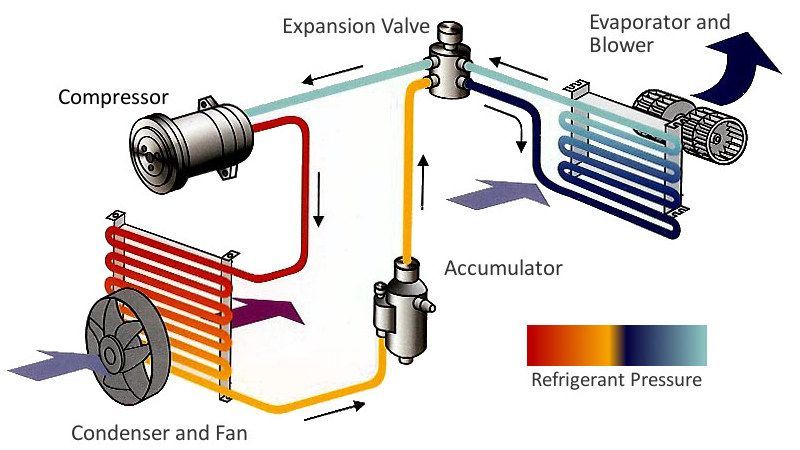
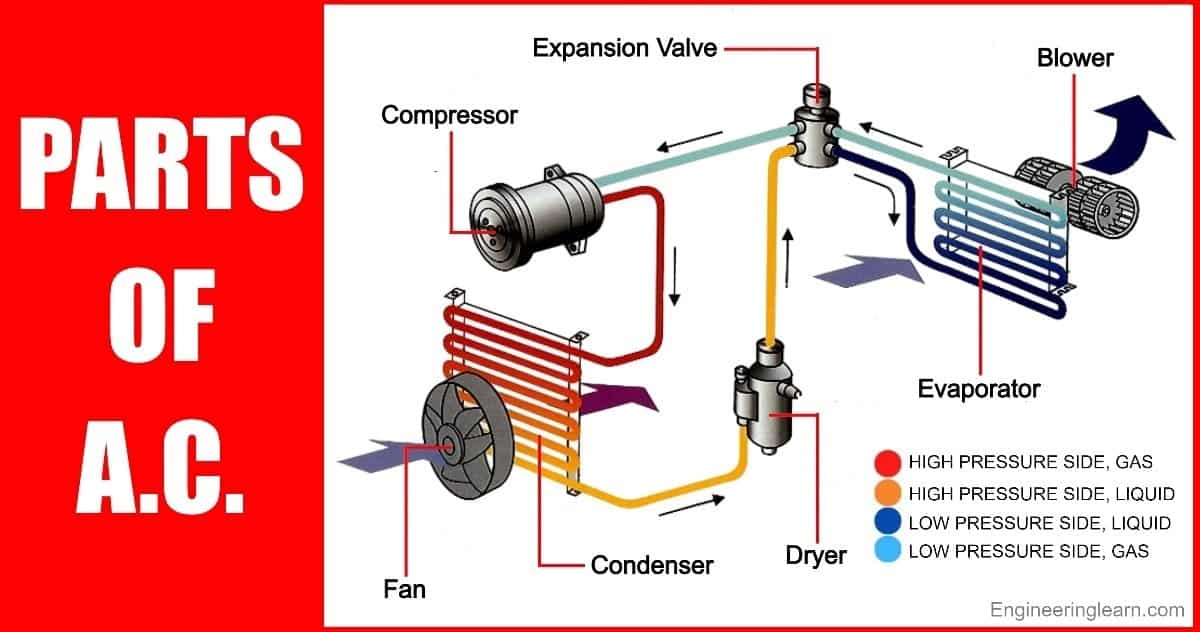
Before diving into the individual components, let's reiterate the compressor's function. It's responsible for circulating refrigerant throughout the air conditioning system. It increases the pressure and temperature of the refrigerant vapor, preparing it to release heat in the condenser. A malfunctioning compressor means no cooling, making it a critical component for comfort and efficiency. Replacing compressors is a very common task for technicians.
Key Components of an Air Conditioner Compressor
While different compressor types (reciprocating, scroll, rotary, screw, and centrifugal) have variations, several core components are common:
Casing or Shell
The casing, or shell, is the compressor's outer body. It's typically made of steel and is hermetically sealed in most residential systems. The casing serves several important purposes:
- Protection: It protects the internal components from environmental factors like moisture and debris.
- Containment: It contains the refrigerant and oil under high pressure.
- Noise Reduction: It helps to dampen the noise generated by the internal moving parts.
Damage to the casing, such as cracks or leaks, can compromise the entire system. It is often diagnosed by visual inspection or pressure testing.
Motor
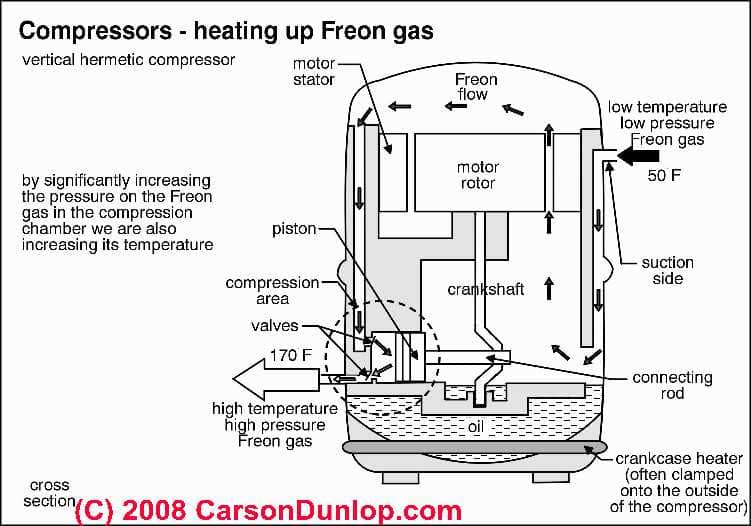
The motor is the driving force behind the compressor. It's an electric motor that provides the power to compress the refrigerant. Compressors utilize either single-phase or three-phase motors, depending on the size and application.
- Stator: The stationary part of the motor, containing windings that create a magnetic field.
- Rotor: The rotating part of the motor, driven by the magnetic field generated by the stator.
- Windings: Coils of wire that carry electrical current to create the magnetic field.
Motor failures are a common cause of compressor issues. Technicians use multimeters to test the motor windings for continuity and resistance to diagnose motor problems. A damaged motor can lead to the compressor overheating and eventually failing.
Piston, Scroll, or Vanes (Compression Mechanism)
This component is the heart of the compression process. The exact mechanism varies depending on the compressor type:
- Reciprocating Compressors: Use a piston moving up and down in a cylinder to compress the refrigerant vapor.
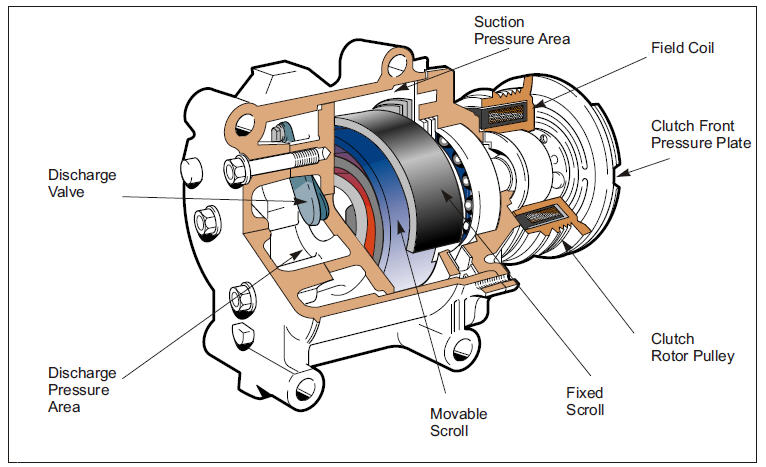
- Scroll Compressors: Utilize two scroll-shaped components, one fixed and one orbiting, to compress the refrigerant.
- Rotary Compressors: Employ a rotating vane or roller to compress the refrigerant in a cylindrical chamber.
Wear and tear on these components can reduce the compressor's efficiency and lead to failure. Regular maintenance, including proper lubrication, is essential to prolong their lifespan.
Valves
Valves control the flow of refrigerant into and out of the compression chamber. There are typically two types of valves:
- Suction Valve: Allows refrigerant vapor to enter the compression chamber.
- Discharge Valve: Allows compressed refrigerant vapor to exit the compression chamber.
Valve damage, such as sticking or leaking, can significantly reduce compressor performance. This will impact the overall system efficiency.
Oil Pump and Lubrication System
Lubrication is critical for the smooth operation and longevity of the compressor. The oil pump circulates lubricating oil to all moving parts, reducing friction and wear.
- Oil Pump: Circulates oil throughout the compressor.
- Oil Sump: Holds the oil supply.
- Oil Filter: Removes contaminants from the oil.
Using the correct type and amount of oil is crucial. Low oil levels or contaminated oil can lead to premature compressor failure. Technicians often check oil levels and condition during maintenance.
Accumulator or Muffler
The accumulator (in systems with a TXV) or muffler is designed to prevent liquid refrigerant from entering the compressor. Liquid refrigerant can damage the compressor, leading to premature failure.
Electrical Connections and Controls
These components provide the electrical interface for the compressor.
- Terminal Block: Provides a connection point for electrical wiring.
- Overload Protector: Protects the motor from overheating by shutting it down when excessive current is detected.
- Capacitor: Provides the necessary starting torque for the motor.
Properly wired and functioning electrical components are essential for reliable compressor operation. Technicians should always use proper safety precautions when working with electrical components.
HVAC Career Paths and the Importance of Compressor Knowledge
A solid understanding of air conditioner compressors is vital for various HVAC career paths:
- HVAC Technician: Diagnoses and repairs compressor issues, performs routine maintenance, and replaces faulty compressors. The median salary for HVAC technicians is around $51,390 per year, according to the Bureau of Labor Statistics (BLS). The job outlook is projected to grow 6 percent from 2022 to 2032, about as fast as the average for all occupations. Approximately 39,300 openings for HVAC mechanics and installers are projected each year, on average, over the decade.
- HVAC Installer: Installs new air conditioning systems, including the compressor.
- HVAC Service Manager: Oversees a team of technicians and ensures efficient service delivery, requiring a deep understanding of compressor operation.
- HVAC Sales Engineer: Recommends appropriate compressor types and systems based on client needs.
- HVAC Design Engineer: Designs and develops new air conditioning systems, including compressor selection and integration.
Certifications: Boosting Your HVAC Career
Earning relevant certifications can significantly enhance your career prospects and earning potential in the HVAC industry. Some key certifications include:
- EPA Section 608 Certification: Required by the EPA for technicians who handle refrigerants. This certification demonstrates competency in refrigerant recovery, recycling, and handling.
- North American Technician Excellence (NATE) Certification: NATE offers certifications in various HVAC specialties, including air conditioning. NATE certification demonstrates a high level of knowledge and skill.
- HVAC Excellence Certifications: Another reputable certification organization offering credentials for HVAC technicians.
- Manufacturer-Specific Training: Many manufacturers offer training programs on their specific equipment, including compressors.
These certifications validate your knowledge and skills, making you a more attractive candidate to employers.
Staying Current with Industry Trends
The HVAC industry is constantly evolving, with new technologies and regulations emerging. Staying current with these trends is crucial for long-term success.
- Variable Speed Compressors: These compressors offer improved energy efficiency and comfort compared to traditional single-speed compressors.
- Eco-Friendly Refrigerants: The industry is transitioning to refrigerants with lower global warming potential (GWP) to reduce environmental impact.
- Smart HVAC Systems: Incorporating smart technologies, such as remote monitoring and control, is becoming increasingly common.
Continuous learning through workshops, seminars, and online resources is essential for HVAC professionals to adapt to these changes.
Example Career Path: Consider Sarah, who started as an HVAC apprentice after completing a vocational program. She obtained her EPA 608 certification and then pursued NATE certification in air conditioning. Over time, she specialized in compressor diagnostics and repair, becoming a lead technician at her company. Sarah's commitment to continuous learning and professional development led to her success in the HVAC industry.
For Employers: Hiring Skilled HVAC Technicians
When hiring HVAC technicians, employers should prioritize candidates with:
- Relevant certifications: EPA 608, NATE, and other industry certifications demonstrate competency.
- Technical skills: Hands-on experience with compressor diagnostics, repair, and replacement.
- Problem-solving abilities: The ability to troubleshoot complex HVAC system issues.
- Customer service skills: The ability to communicate effectively with customers and provide excellent service.
Investing in employee training and development is crucial for retaining skilled workers and ensuring high-quality service.
In conclusion, a thorough understanding of air conditioner compressor components is essential for success in the HVAC industry. By focusing on continuous learning, professional development, and staying current with industry trends, HVAC professionals can build rewarding and successful careers.