Parts Of Home Air Conditioning System
Imagine this: It's the peak of summer, the sun is blazing, and your air conditioner decides to give up the ghost. Instead of a cool, refreshing breeze, you're met with warm, stagnant air. Before you resign yourself to a sweaty, uncomfortable existence, let's walk through some basic troubleshooting steps. This guide will help you diagnose the problem and potentially fix it yourself, while also recognizing when it's time to call in the pros.
Understanding Your Home AC System
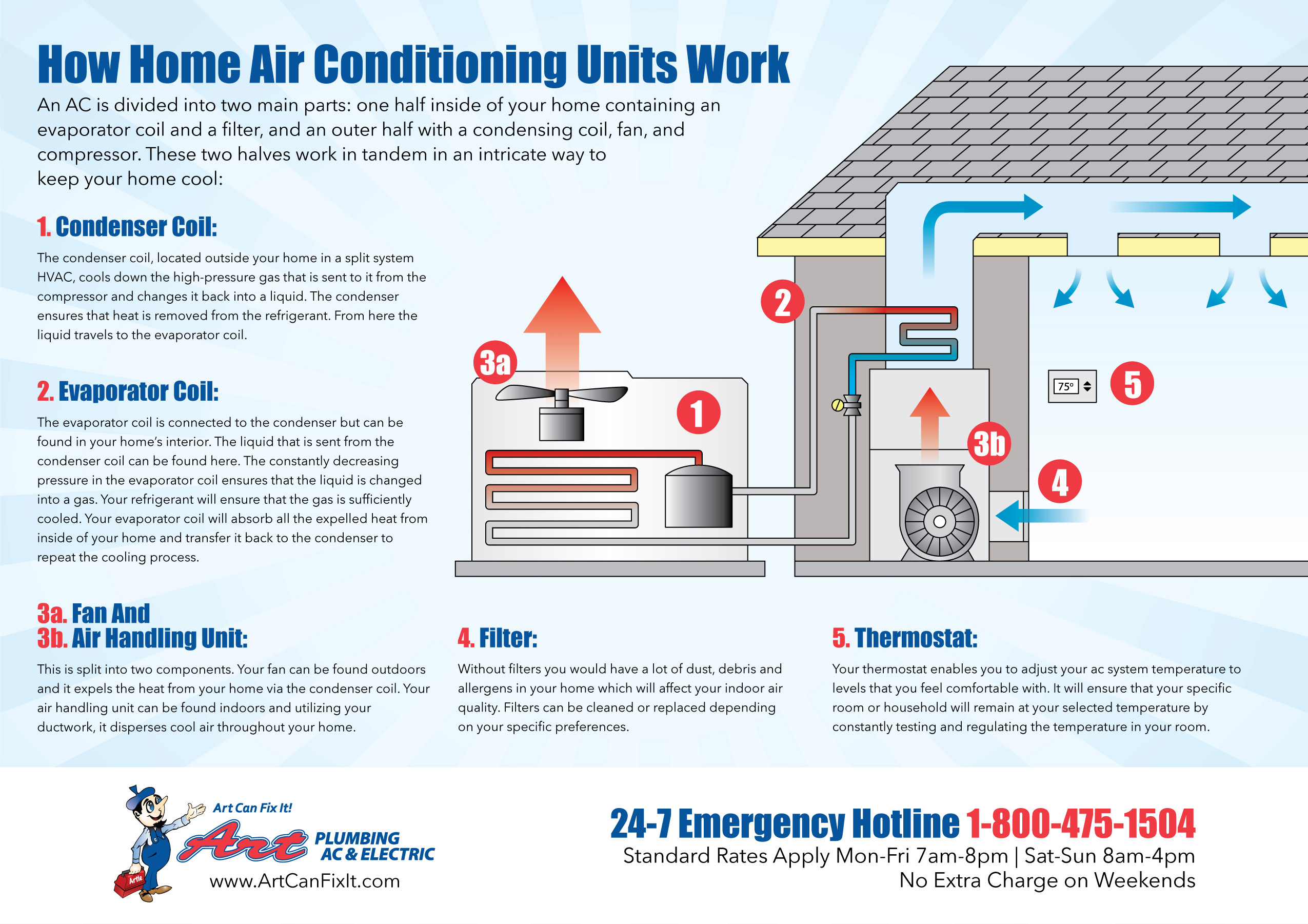
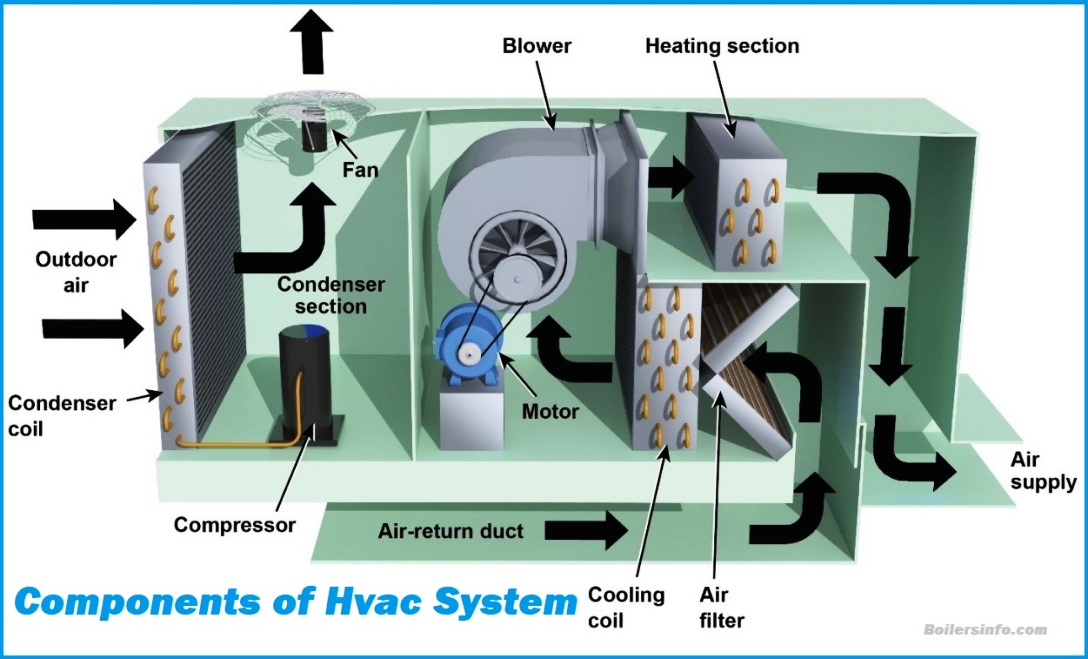
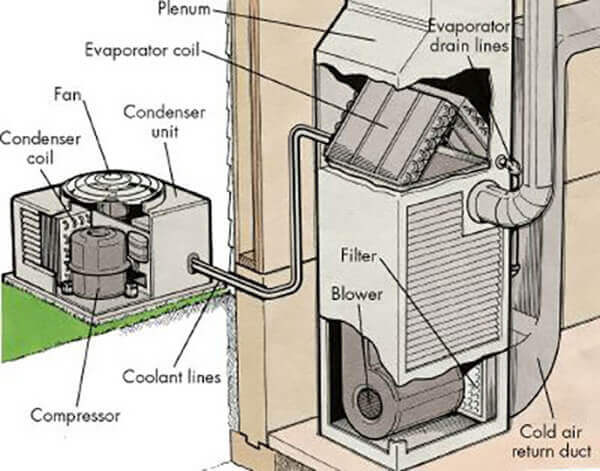
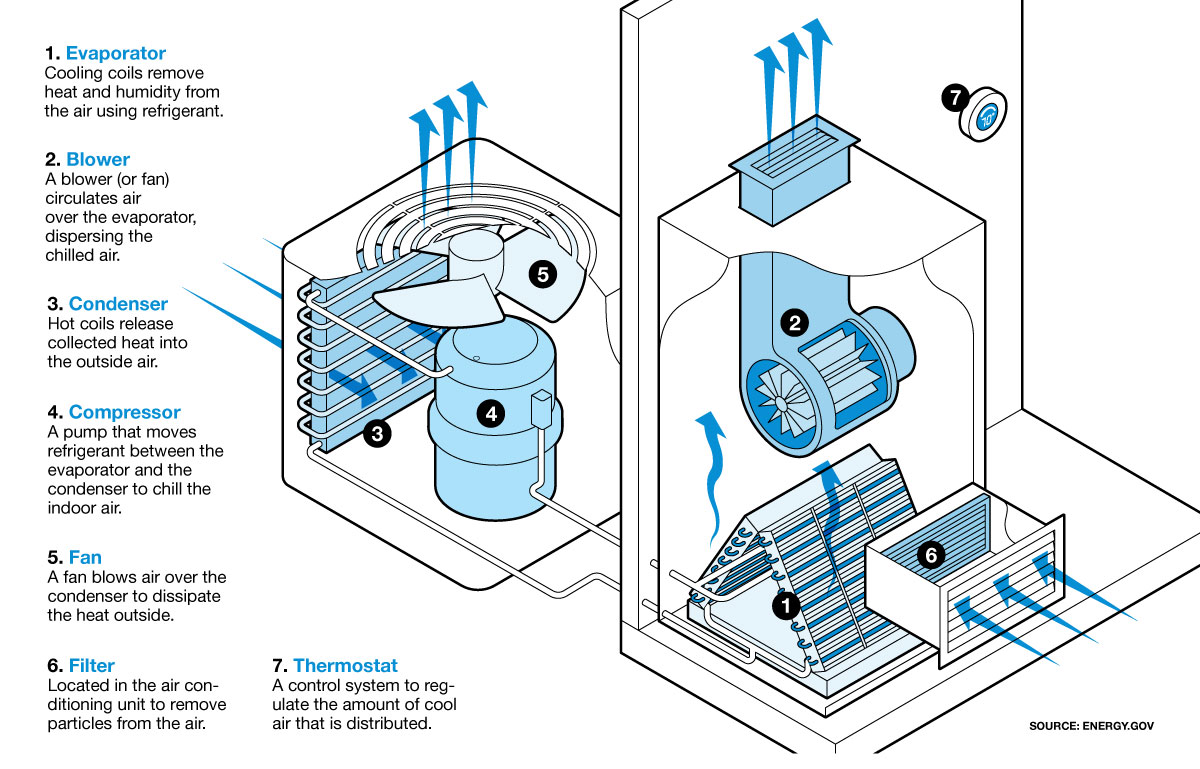
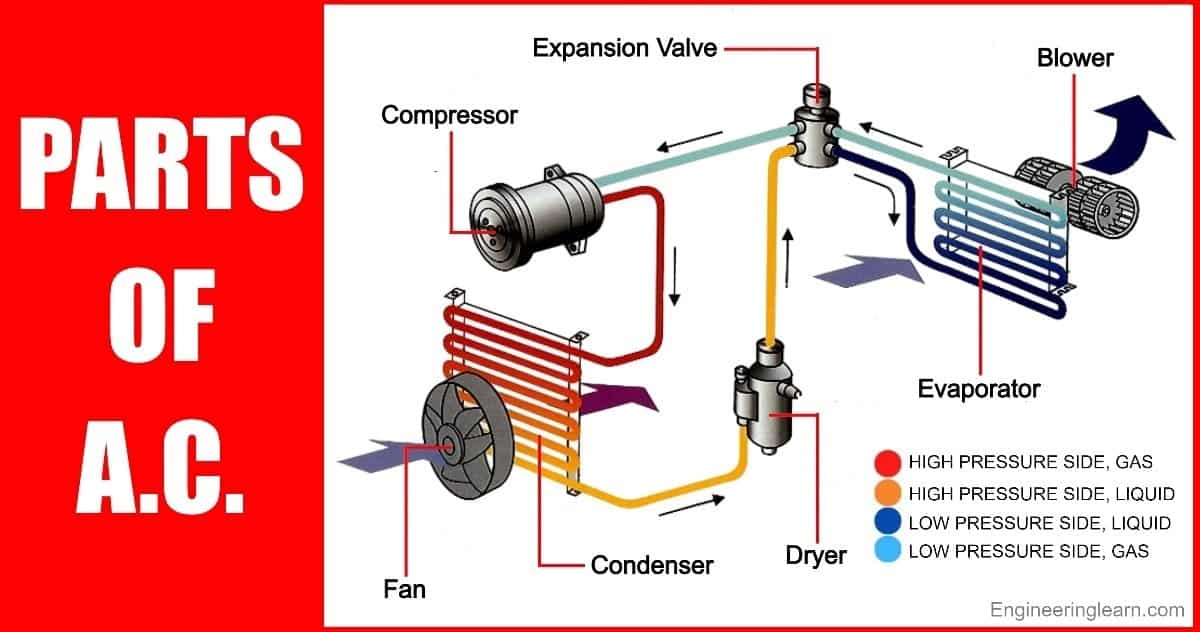
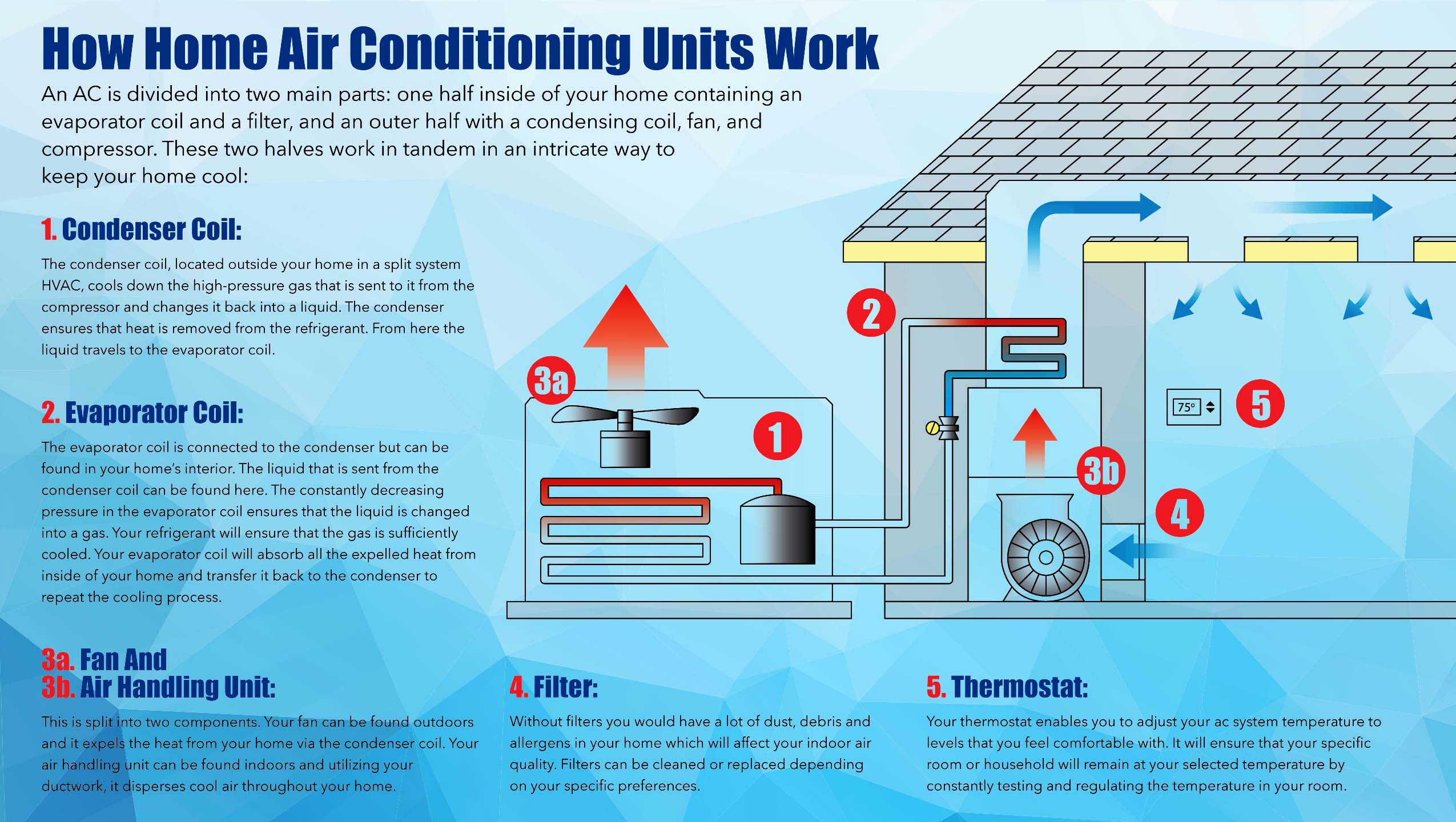
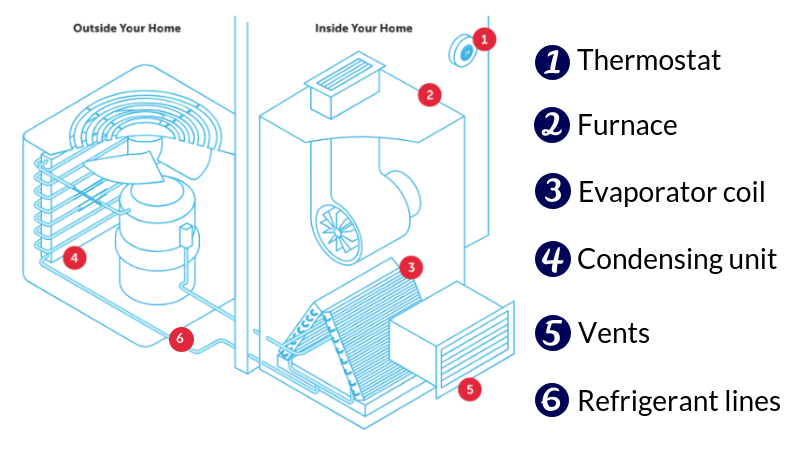
Your home air conditioning system isn't a single unit, but a collection of interconnected parts working together. Familiarizing yourself with these components is the first step to effective troubleshooting.
- The Thermostat: This is the control center, telling your AC when to turn on and off.
- The Outdoor Unit (Condenser): This unit releases heat from your home to the outside. It contains the compressor, condenser coil, and fan.
- The Indoor Unit (Evaporator): This unit contains the evaporator coil and blower fan. It absorbs heat from your home and circulates cool air. It's usually part of your furnace or air handler.
- Refrigerant Lines: These copper pipes carry refrigerant between the indoor and outdoor units.
- Air Ducts: These channels distribute cooled air throughout your home.
- Air Filter: Located near the indoor unit, this filter traps dust and debris, protecting the system and improving air quality.
Troubleshooting Guide: Step-by-Step
Step 1: Check the Thermostat
The thermostat is the first place to look. Seemingly simple issues here can often cause the entire system to malfunction.
- Is it on? Make sure the thermostat is switched to the "Cool" setting, not "Heat" or "Off".
- Is the temperature set correctly? Ensure the set temperature is lower than the current room temperature. If it's set higher, the AC won't turn on.
- Check the batteries: If your thermostat is battery-powered, try replacing them with fresh ones. Low batteries can cause inaccurate readings or a complete shutdown.
- Inspect the wiring (Proceed with Caution): If you are comfortable and know how to shut off power to the unit, carefully remove the thermostat cover (after turning off the breaker!). Look for loose or disconnected wires. A loose connection can prevent the thermostat from signaling the AC. If you see any loose wires, gently reattach them, ensuring they are securely connected. If you are uncomfortable with electrical work, stop here and call a professional.
Step 2: Inspect the Power Supply
A tripped breaker or a blown fuse can cut power to your AC unit.
- Check the Breaker: Locate the breaker in your electrical panel that controls the AC unit (it should be labeled). If the breaker is tripped (in the "Off" position), flip it all the way to the "Off" position and then back to the "On" position.
- Check the Disconnect Switch: Most outdoor units have a disconnect switch located near the unit itself. This switch can be a lever or a pull-out block. Ensure it's in the "On" position.
- Check for Blown Fuses: Some older AC units use fuses. Inspect the fuses in the disconnect switch or the electrical panel. Replace any blown fuses with the correct amperage. Never use a fuse with a higher amperage rating than specified.
Step 3: Examine the Air Filter
A dirty air filter is a common cause of AC problems. A clogged filter restricts airflow, making the AC work harder and less efficiently. This can lead to overheating and even system failure.
- Locate the Air Filter: The air filter is typically located near the indoor unit, often in a slot in the wall or within the air handler itself.
- Inspect the Filter: Remove the filter and hold it up to the light. If you can't see much light passing through it, it's time to replace it.
- Replace the Filter: Replace the dirty filter with a new one of the correct size. Make sure the arrows on the filter point in the direction of airflow. A clean air filter improves efficiency and extends the life of your AC unit.
Step 4: Check the Outdoor Unit (Condenser)
The outdoor unit can accumulate dirt, debris, and obstructions that hinder its performance.
- Clear Debris: Remove any leaves, branches, grass clippings, or other debris from around the outdoor unit. Ensure there is at least 2-3 feet of clearance around the unit for proper airflow.
- Clean the Fins (Proceed with Caution): The condenser fins on the outdoor unit can become clogged with dirt. Use a garden hose with a gentle spray nozzle to carefully clean the fins. Spray from the inside out to avoid bending the fins. You can also use a fin comb to straighten bent fins (available at most hardware stores). Do not use a pressure washer, as it can damage the fins. Ensure the power is off before cleaning!
- Listen for Unusual Noises: Turn the AC back on and listen for any unusual noises coming from the outdoor unit. Grinding, squealing, or banging noises can indicate a mechanical problem that requires professional attention.
Step 5: Check the Indoor Unit (Evaporator)
Problems with the indoor unit can also cause cooling issues.
- Frozen Evaporator Coil: If you suspect the evaporator coil is frozen, turn off the AC and just run the fan. This will help to thaw the coil. A frozen coil is often caused by restricted airflow (dirty filter) or low refrigerant. If the problem persists after thawing and replacing the filter, call a professional, as it may indicate a refrigerant leak.
- Check the Blower Fan: Ensure the blower fan is running properly. You should feel air coming from the vents when the AC is on. If the blower fan is not working, it could be a motor problem that requires professional repair.
- Inspect the Drain Line: The evaporator coil produces condensation, which is drained away through a drain line. A clogged drain line can cause water to back up and potentially damage your home. Locate the drain line (usually a PVC pipe) and check for any blockages. You can try using a wet/dry vacuum to suck out any debris. If you're uncomfortable working with plumbing, consult a professional.
When to Call a Professional
While some AC problems can be resolved with simple DIY fixes, others require the expertise of a qualified HVAC technician. It's crucial to know when to call for professional help.
- Refrigerant Leaks: Refrigerant is essential for the cooling process. If you suspect a refrigerant leak (e.g., hissing sound, ice buildup on the refrigerant lines), do not attempt to repair it yourself. Refrigerant handling requires specialized equipment and training. Furthermore, refrigerant leaks can be harmful to the environment.
- Compressor Problems: The compressor is the heart of the AC system. If the compressor is making loud noises or not running at all, it's likely a serious problem that requires professional attention. Compressor repairs are complex and often expensive.
- Electrical Issues: Never attempt to repair electrical components if you are not comfortable working with electricity. Faulty wiring, damaged capacitors, or other electrical problems can be dangerous and should be handled by a qualified electrician or HVAC technician.
- Complex Repairs: Any repair that requires specialized tools, knowledge of HVAC systems, or involves working with high-voltage electricity or gas should be left to the professionals.
- If the Problem Persists: If you've tried all the basic troubleshooting steps and your AC is still not working properly, it's time to call a professional. Continuing to run a malfunctioning AC unit can cause further damage and potentially lead to more expensive repairs.
Safety First!
Safety should always be your top priority when troubleshooting any appliance. Here are some important safety tips to keep in mind:
- Turn off the Power: Before working on any electrical components, always turn off the power to the AC unit at the breaker and the disconnect switch.
- Read the Manual: Consult the owner's manual for your AC unit for specific safety instructions and troubleshooting tips.
- Wear Protective Gear: Wear safety glasses and gloves when working on the AC unit to protect your eyes and hands.
- Don't Work Alone: It's always a good idea to have someone nearby when working on electrical or mechanical equipment.
- When in Doubt, Call a Professional: If you're unsure about any aspect of the repair, don't hesitate to call a qualified HVAC technician. It's better to be safe than sorry.
Preventative Maintenance
Regular preventative maintenance can help to keep your AC system running smoothly and prevent costly repairs. Here are some tips for maintaining your AC unit:
- Change the Air Filter Regularly: Replace the air filter every 1-3 months, depending on usage and air quality.
- Clean the Outdoor Unit: Clean the outdoor unit regularly to remove debris and ensure proper airflow.
- Schedule Professional Maintenance: Schedule a professional maintenance checkup at least once a year. A qualified technician can inspect the system, clean the coils, check the refrigerant levels, and identify any potential problems before they become major issues.
- Keep Vents Clear: Ensure that all vents are clear of obstructions, such as furniture or curtains.
By following these troubleshooting steps and preventative maintenance tips, you can keep your home AC system running efficiently and comfortably for years to come. Remember, a little knowledge and proactive care can go a long way in preventing breakdowns and saving you money. Stay cool!