Pellet Stove Installation Requirements

Frequently Asked Questions About Pellet Stove Installation Requirements
Considering a pellet stove to heat your home or facility? That's a great choice for efficient and cost-effective warmth! But before you fire it up, understanding the installation requirements is crucial. This FAQ addresses the most common questions to help you prepare for a smooth and safe pellet stove installation.
Q1: Do I Need a Permit to Install a Pellet Stove?
Yes, in most cases, you will need a permit to install a pellet stove. Building codes vary by location, but most municipalities require permits for any heating appliance installation, including pellet stoves. This is because improper installation can pose fire and safety hazards. Contact your local building department or fire marshal to determine the specific permit requirements in your area. They can also advise you on required inspections and local regulations. Failing to obtain a permit can result in fines and even forced removal of the stove.
Remember to ask about:
- Required inspections before, during, and after installation.
- Specific code requirements for pellet stove installations in your area.
- Any restrictions on stove placement or venting.
Q2: What are the Clearance Requirements for a Pellet Stove?
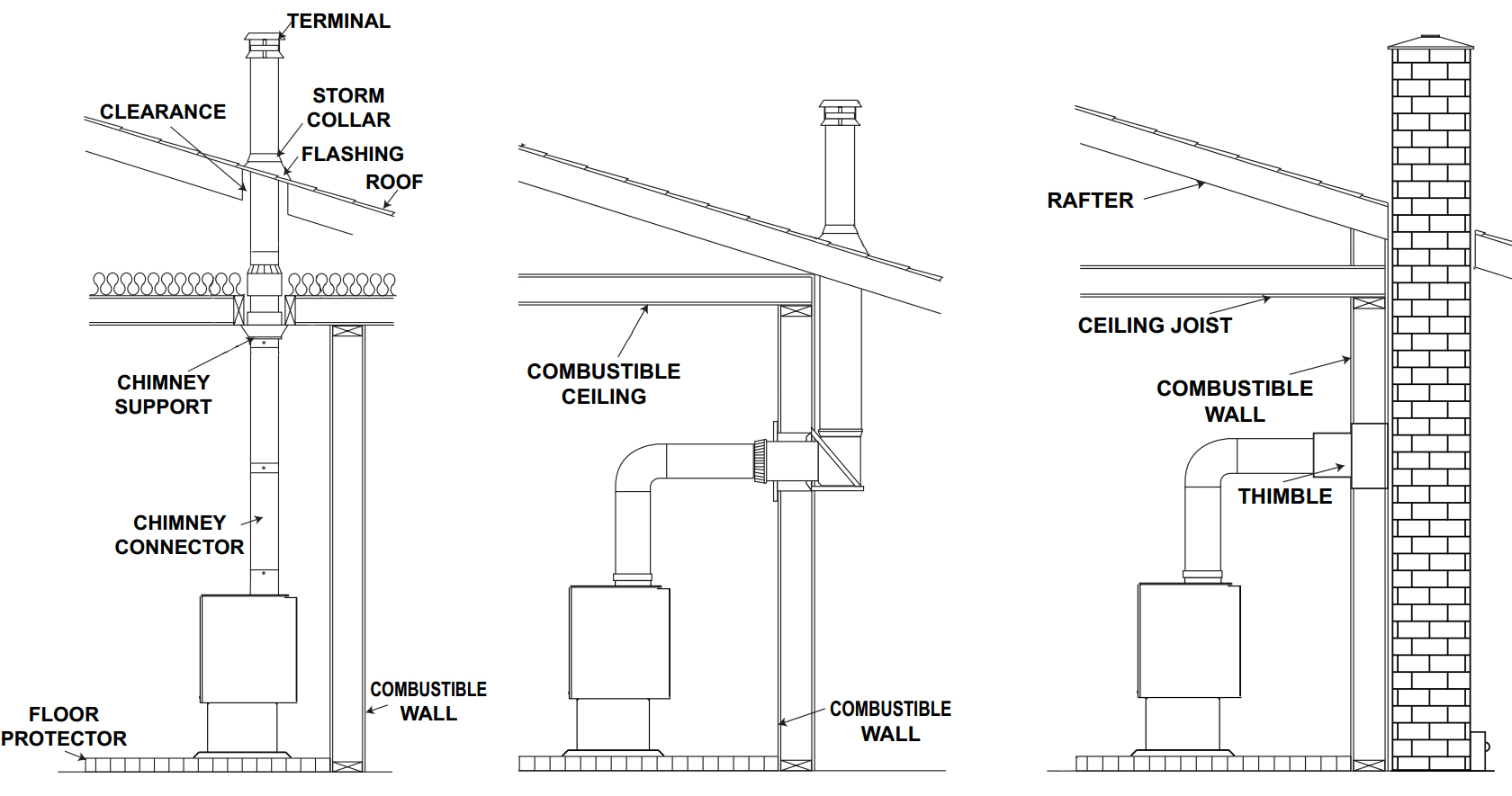
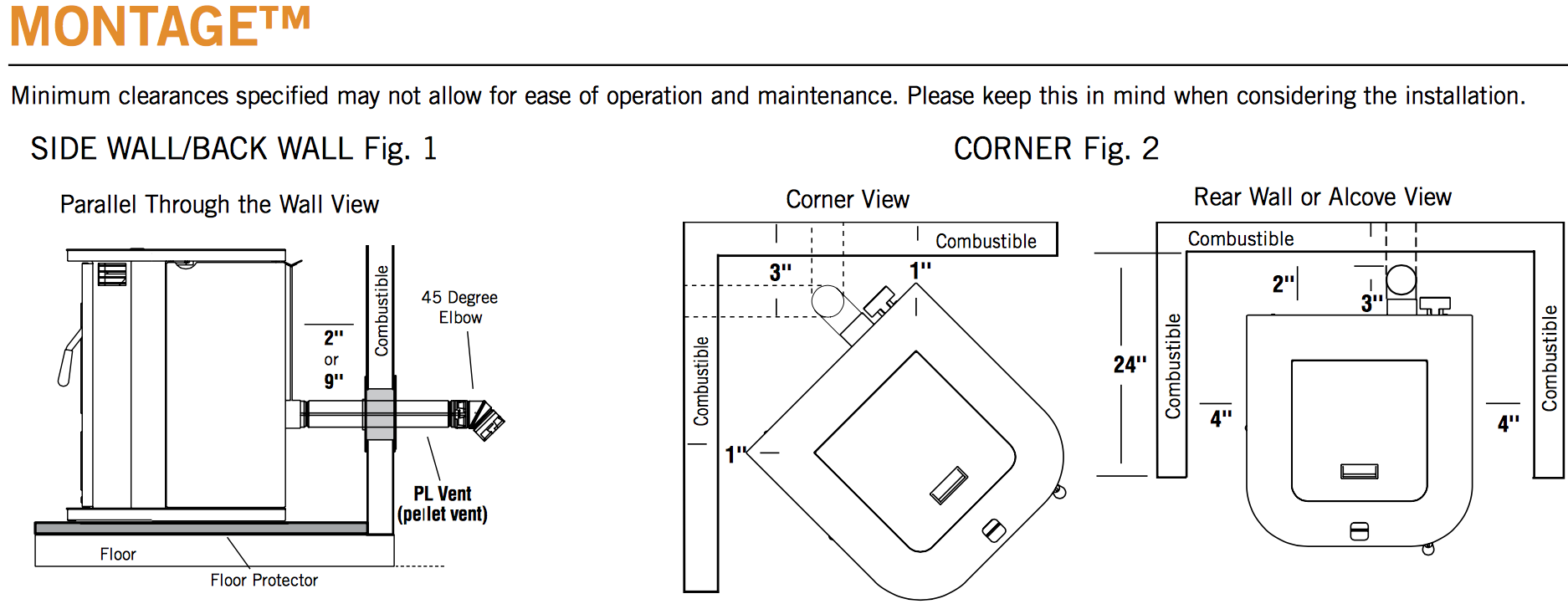
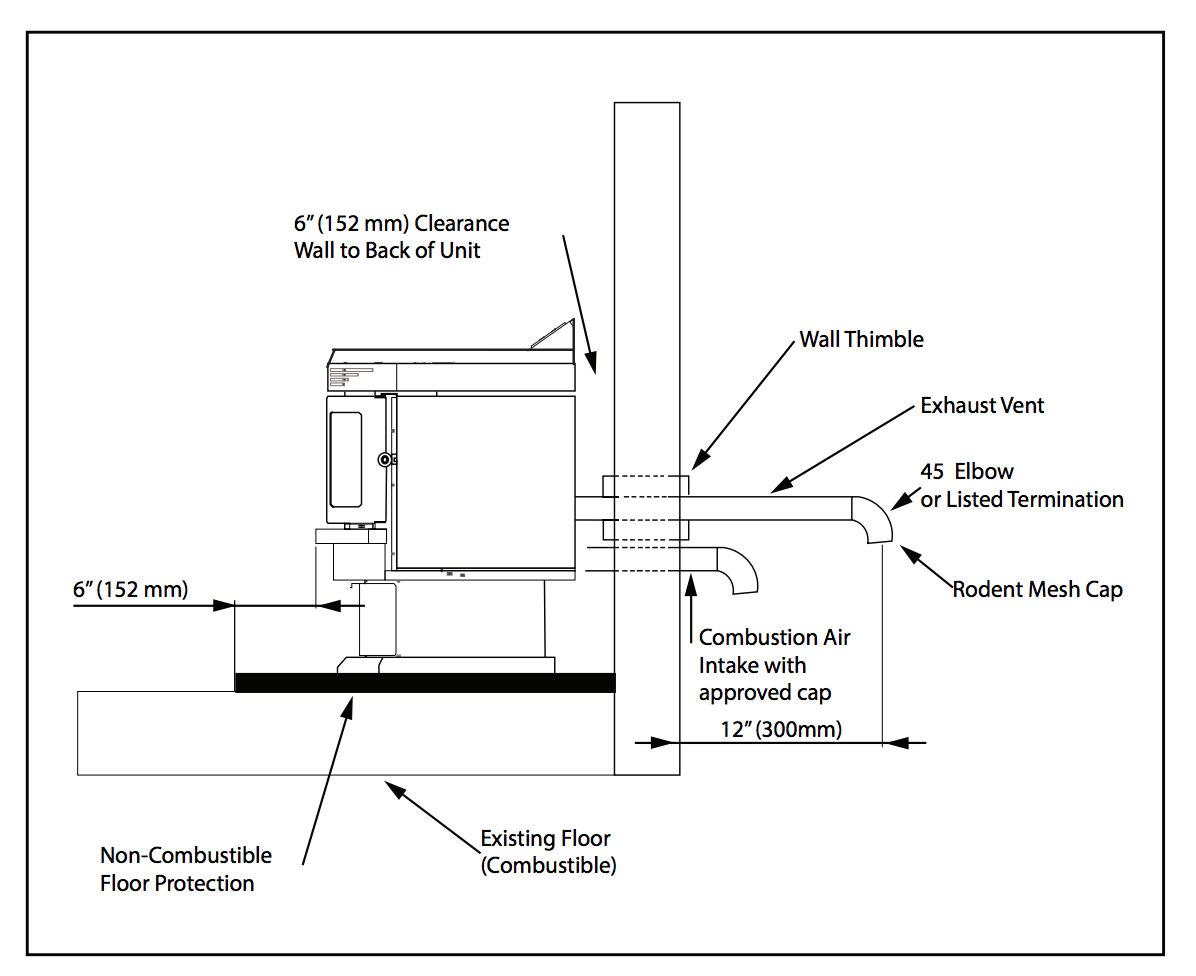
Clearance requirements are essential for fire safety. These requirements dictate how far the pellet stove must be from combustible materials like walls, furniture, and curtains. Minimum clearances are usually specified by the stove manufacturer and outlined in the installation manual. However, local codes may have stricter requirements.
General guidelines include:
- Side and Rear Clearances: Typically, these range from 6 inches to 18 inches, but always check your stove's manual.
- Corner Clearances: Clearances are often reduced when the stove is placed in a corner, but this still needs to meet the manufacturer's specifications.
- Hearth Protection: Pellet stoves usually require a non-combustible hearth pad beneath them, extending beyond the stove's footprint. The size and thickness of the hearth pad are usually specified in the installation manual and by local building codes.
- Top Clearance: Ensure adequate vertical clearance above the stove for proper ventilation and maintenance.
Always prioritize the manufacturer's specifications, as they are specific to your model. If local codes are more stringent, you must adhere to those requirements.
Q3: What Type of Venting is Required for a Pellet Stove?
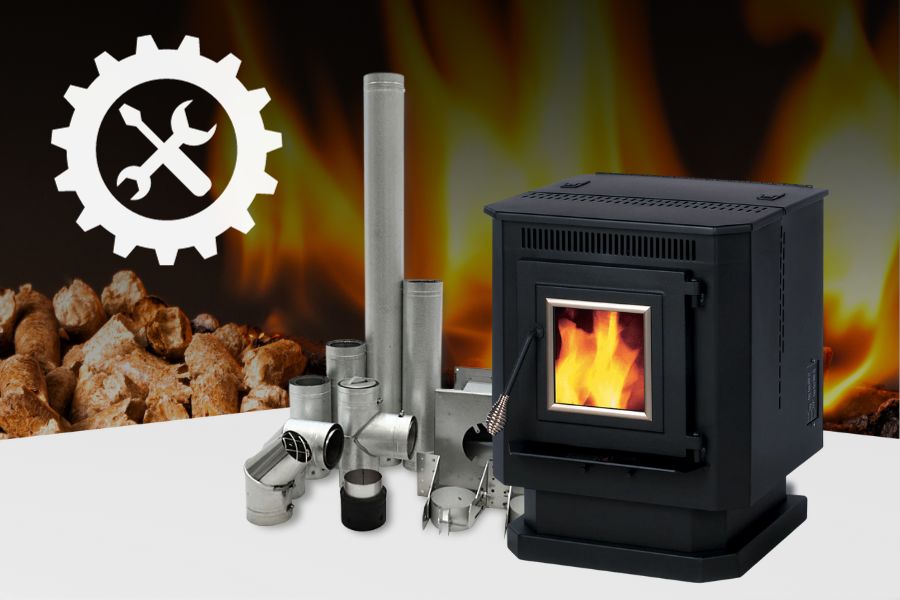
Pellet stoves require specialized venting systems designed to handle the exhaust gases. Unlike wood stoves, pellet stoves use a smaller diameter vent pipe (typically 3 or 4 inches) because the exhaust gases are cooler and under pressure from the exhaust fan. This type of venting is known as "PL" vent, which stands for "Pellet Listed."
Key venting requirements include:
- PL Vent Pipe: Only use vent pipe specifically designed and listed for pellet stoves. Using other types of vent pipe can be dangerous and violate code.
- Proper Sealing: Vent pipes must be properly sealed with high-temperature silicone sealant to prevent leaks of carbon monoxide.
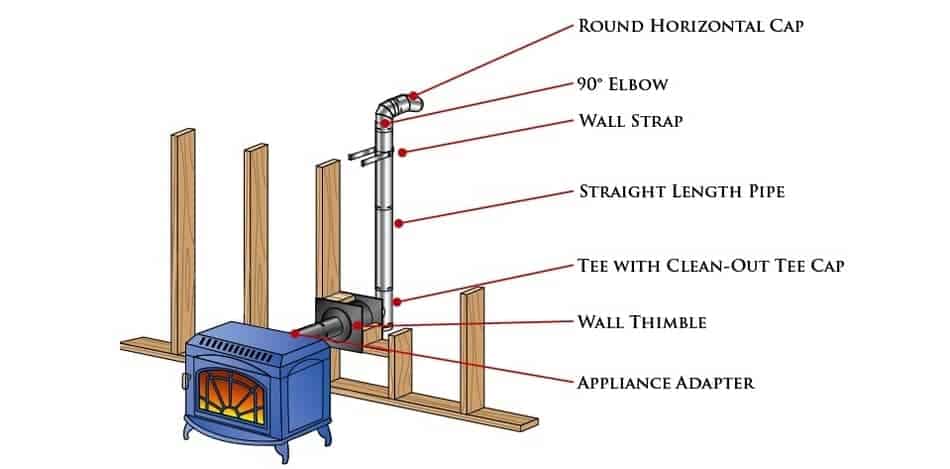
- Venting Configuration: Venting can be run horizontally through a wall or vertically through the roof. The best configuration depends on your home's layout and local code requirements. Keep horizontal runs as short as possible to maximize draft.
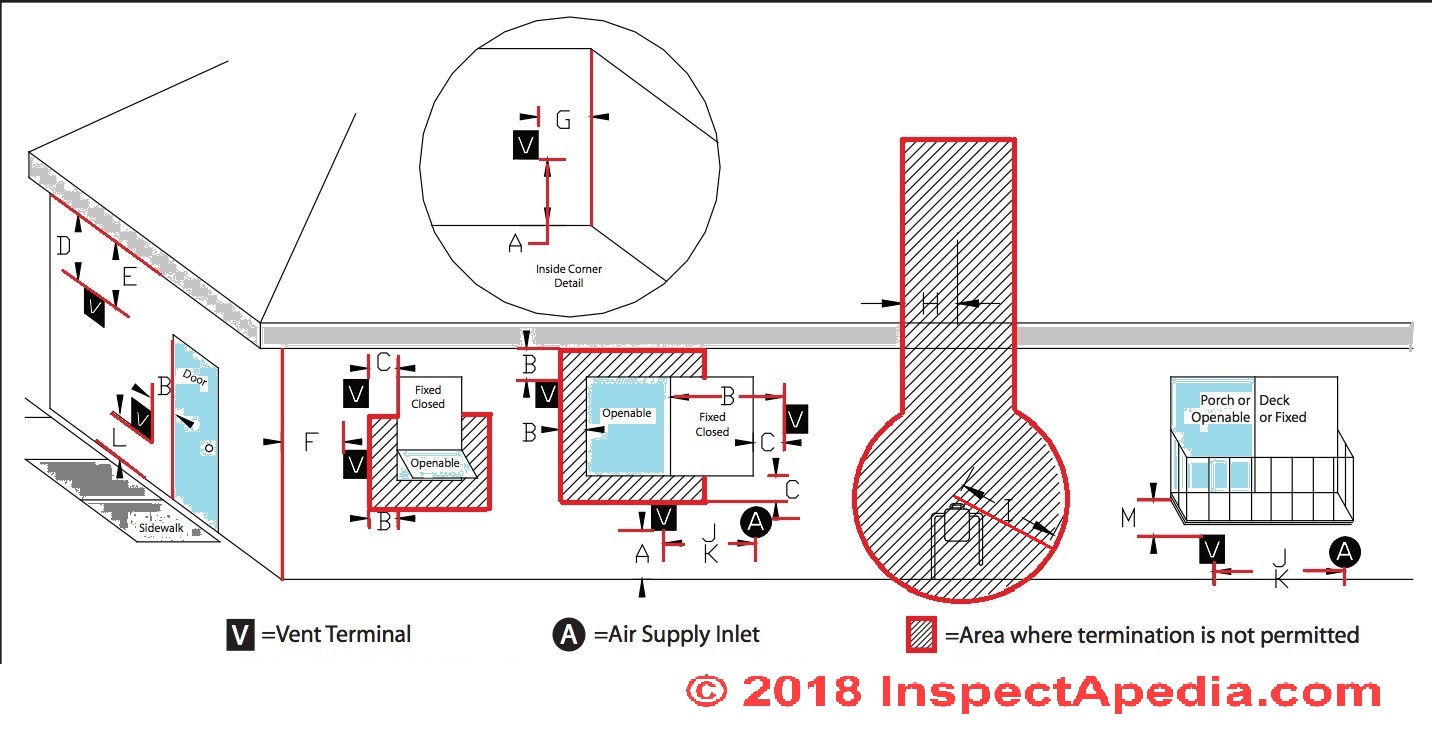
- Termination Cap: The vent must terminate with a listed termination cap designed to prevent backdrafts and keep out rain and snow. The termination cap must also be located a safe distance from windows, doors, and air intakes.
- Venting Height: Vertical venting must extend at least one foot above the roofline (or higher, depending on local codes).
- Cleanouts: Include a tee with a cleanout cap in the venting system to allow for easy cleaning and maintenance.
Professional installation of the venting system is highly recommended to ensure proper draft and prevent dangerous carbon monoxide leaks.
Q4: Does a Pellet Stove Need a Dedicated Electrical Circuit?
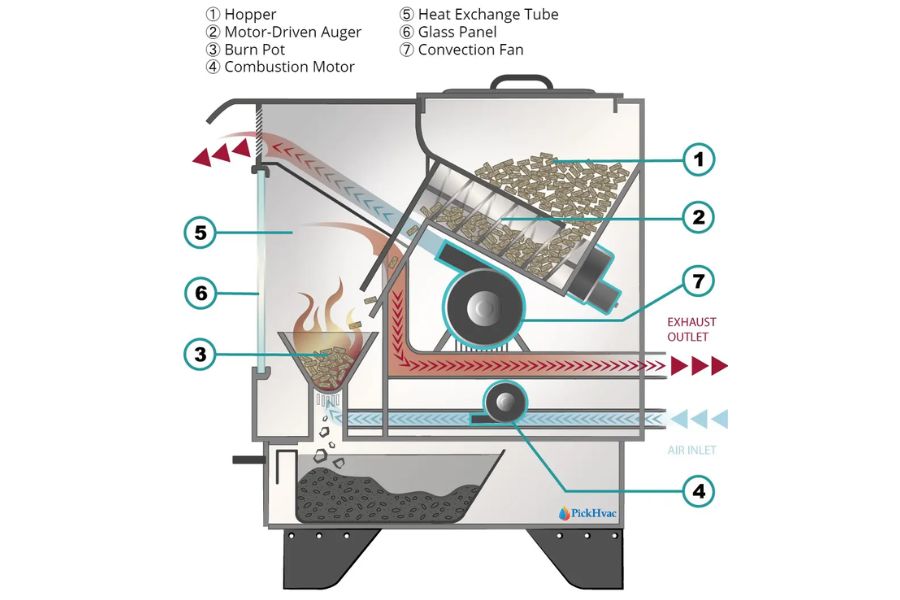
Yes, pellet stoves require a dedicated electrical circuit. Pellet stoves use electricity to power the auger (which feeds pellets into the firebox), the combustion fan, the exhaust fan, and the control panel. A dedicated circuit ensures that the stove receives a stable and sufficient power supply without overloading other circuits in your home. Consult the stove's manual for the specific amperage and voltage requirements. Most pellet stoves require a standard 120V, 15-amp circuit, but some larger models may require a 20-amp circuit.
Considerations for the electrical circuit:
- Professional Installation: Have a qualified electrician install the dedicated circuit.
- Circuit Breaker: The circuit must be protected by a properly sized circuit breaker.
- Grounding: The electrical outlet must be properly grounded.
- Surge Protection: Consider using a surge protector to protect the stove's sensitive electronic components from power surges.
Never plug a pellet stove into an extension cord. This can overload the circuit and create a fire hazard.
Q5: What Kind of Floor Protection is Required Under a Pellet Stove?
Floor protection, commonly a hearth pad, is required to protect combustible flooring from the heat of the pellet stove. The hearth pad must be made of a non-combustible material like concrete, tile, brick, or listed hearth extension material. The size and thickness of the hearth pad are typically specified by the stove manufacturer and local building codes.
Key factors to consider for hearth protection:
- Size: The hearth pad must extend a certain distance in front of, to the sides of, and behind the stove. These distances are usually specified in the installation manual and by local codes.
- Thickness: The hearth pad must be thick enough to provide adequate insulation between the stove and the combustible flooring. Check the manufacturer's specifications for recommended thickness.
- Non-Combustible Material: Ensure the hearth pad is made of a material that will not burn or ignite at high temperatures.
The hearth pad serves as a crucial safety barrier, preventing heat from reaching combustible materials and reducing the risk of fire.
Q6: Can I Install a Pellet Stove Myself?
While it is technically possible to install a pellet stove yourself, it is strongly recommended to hire a qualified professional. Pellet stove installation involves working with electrical wiring, venting systems, and potentially gas lines (if you're considering a multi-fuel stove). Improper installation can lead to dangerous carbon monoxide leaks, fire hazards, and voiding of the stove's warranty.
Benefits of professional installation:
- Expertise and Experience: Professionals have the knowledge and experience to install pellet stoves safely and correctly.
- Code Compliance: They are familiar with local building codes and regulations.
- Proper Venting: They can ensure the venting system is properly installed for optimal draft and safety.
- Electrical Connections: They can safely connect the stove to a dedicated electrical circuit.
- Warranty Protection: Professional installation often protects the stove's warranty.
- Peace of Mind: You can have peace of mind knowing that your pellet stove is installed safely and correctly.
If you choose to install the stove yourself, thoroughly review the installation manual, obtain all necessary permits, and consider having a professional inspect your work before using the stove.
Q7: What Inspections Are Required After Pellet Stove Installation?
Most jurisdictions require a final inspection after the pellet stove installation is complete. The purpose of the inspection is to ensure that the installation meets all applicable building codes and safety standards. The inspector will typically check the following:
- Clearances: Ensuring the stove meets the required clearances from combustible materials.
- Venting: Verifying that the venting system is properly installed, sealed, and terminated.
- Electrical Connections: Confirming that the electrical connections are safe and meet code requirements.
- Hearth Protection: Ensuring the hearth pad is of the correct size, thickness, and material.
- Carbon Monoxide Detectors: Checking for the presence and proper functioning of carbon monoxide detectors in the vicinity of the stove.
Scheduling an inspection is your responsibility. After the installation is complete, contact your local building department or fire marshal to schedule the final inspection. Do not use the stove until it has passed inspection. A passing inspection provides assurance that the stove is installed safely and correctly, protecting your home and family.
Remember: Safety is paramount when it comes to heating your home. Understanding and adhering to pellet stove installation requirements is crucial for a safe and efficient heating experience. If you have any doubts or concerns, consult with a qualified professional.