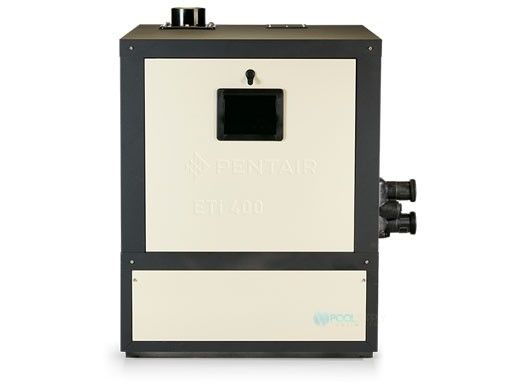
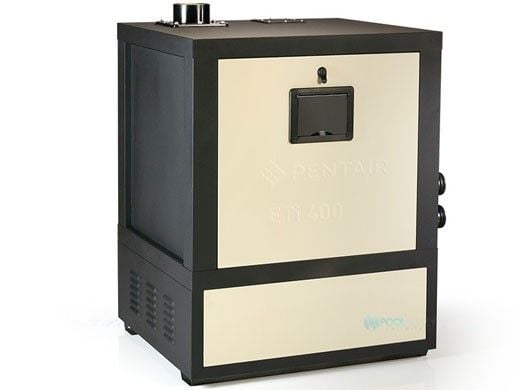
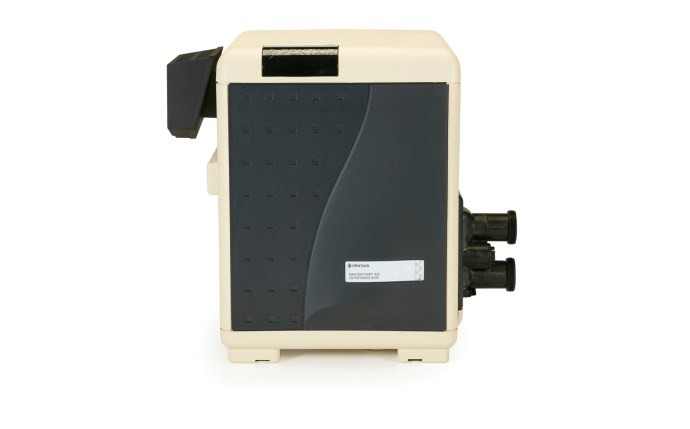
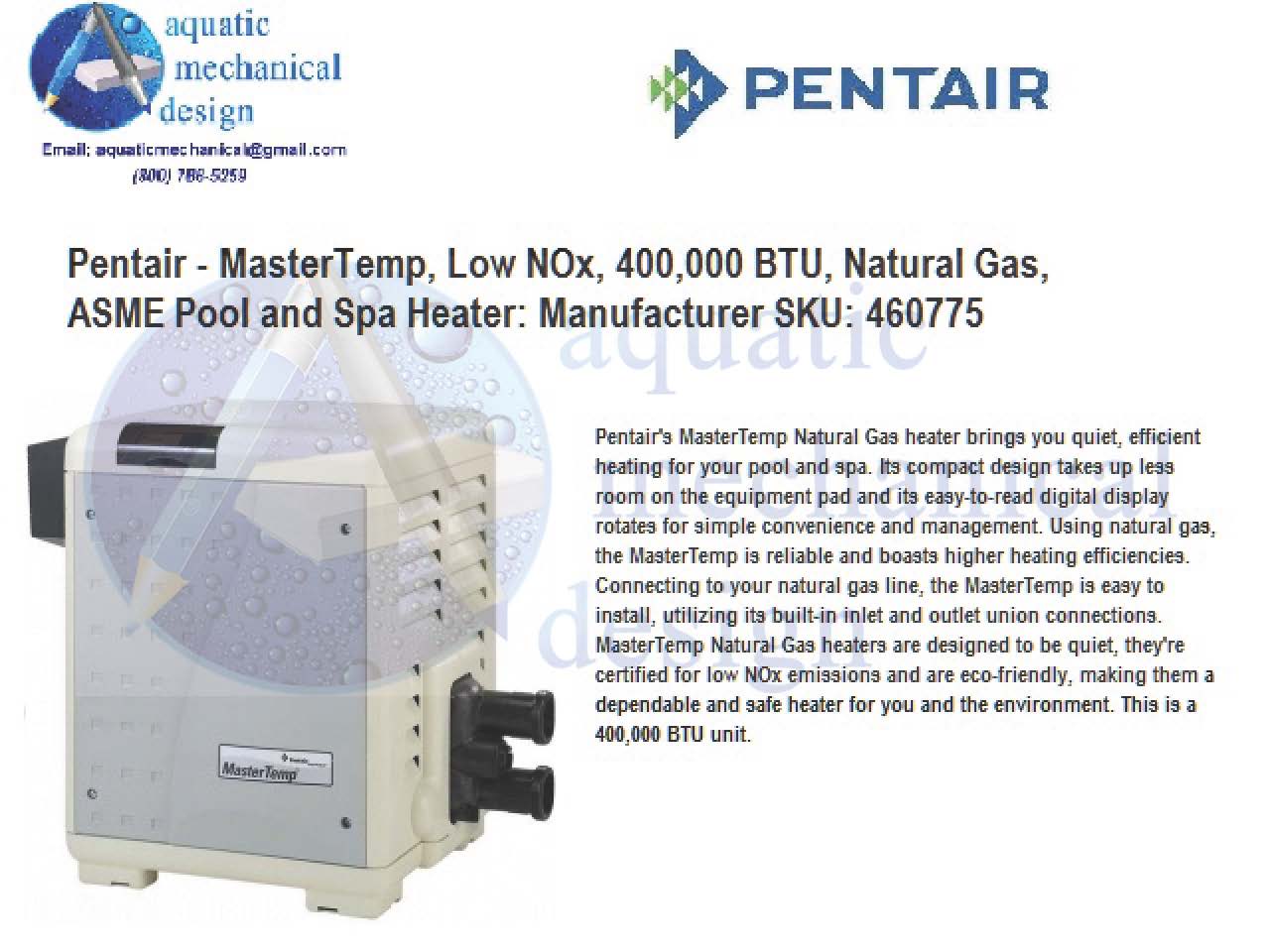
Pentair 400k Btu Heater

This guide provides a comprehensive overview of the Pentair 400k BTU heater, designed for heating swimming pools and spas. We'll cover its features, benefits, how it works, maintenance, and important considerations when deciding if it's the right choice for your needs. Our goal is to equip you with the knowledge to make an informed decision.
What is a 400k BTU Heater and Why Choose Pentair?
BTU stands for British Thermal Unit. It's a measure of heat energy. A 400k BTU heater generates 400,000 BTUs per hour. This represents the amount of heat it can transfer to your pool water in that time. Generally, a 400k BTU heater is suitable for larger residential pools and some smaller commercial pools. The exact pool size it can handle depends on factors like climate, pool depth, and whether you use a pool cover.
Why Pentair? Pentair is a reputable brand in the pool and spa industry, known for producing reliable and efficient equipment. Their heaters are designed with durability and performance in mind, often incorporating features that extend their lifespan and reduce energy consumption.
Key Advantages of Choosing Pentair Heaters:
- Reliability: Pentair heaters are built to last, often with robust components and proven designs.
- Efficiency: Many Pentair models incorporate features to improve energy efficiency, saving you money on operating costs.
- Advanced Controls: Modern Pentair heaters often feature digital controls and smart technology integration.
- Safety Features: Safety is paramount, and Pentair heaters include multiple safety mechanisms to protect users and equipment.
- Warranty: Pentair typically offers a comprehensive warranty on their heaters, providing peace of mind.
How a Gas Pool Heater Works: The Basics
Understanding how a gas pool heater works is crucial to appreciating its benefits and potential maintenance requirements. Here's a simplified explanation:
1. Gas Supply: The heater connects to a gas line (natural gas or propane). This is the fuel source for the heating process.
2. Combustion: When the heater is turned on, gas flows into a combustion chamber where it's mixed with air and ignited. This creates a controlled explosion, generating heat.
3. Heat Exchanger: The hot combustion gases flow through a heat exchanger. This is a series of metal tubes or fins that are designed to maximize heat transfer.
4. Water Circulation: Pool water is pumped through the heat exchanger. As the water flows, it absorbs heat from the hot metal, increasing its temperature.
5. Heated Water Returns: The heated water then returns to the pool, raising the overall pool temperature. This process continues until the desired temperature is reached.
6. Thermostat Control: A thermostat monitors the pool water temperature and regulates the gas flow to maintain the set temperature. Think of it like a cruise control for your pool's temperature.
Features to Look For in a Pentair 400k BTU Heater
When considering a Pentair 400k BTU heater, several features can significantly impact its performance and your overall satisfaction. Here are some key aspects to consider:
Material and Construction:
The materials used in the heater's construction are crucial for its longevity. Look for:
- Cupro-Nickel Heat Exchanger: Cupro-nickel is highly resistant to corrosion from pool chemicals, extending the life of the heat exchanger. This is a critical feature.
- Durable Outer Casing: A weather-resistant and UV-resistant outer casing protects the internal components from the elements.
Efficiency and Energy Savings:
Consider these factors for energy efficiency:
- High Efficiency Models: Look for models with a high thermal efficiency rating. This indicates how much of the gas's energy is actually used to heat the water.
- Electronic Ignition: Electronic ignition systems are more efficient than pilot lights, as they only use gas when the heater is actively heating.
Control and Automation:
Modern control systems offer greater convenience and precision:
- Digital Controls: Digital displays and user-friendly interfaces make it easy to set and monitor the pool temperature.
- Smart Home Integration: Some models can be integrated with smart home systems, allowing you to control the heater remotely via your smartphone or tablet.
- Diagnostic Capabilities: Advanced models may offer diagnostic capabilities, providing error codes and troubleshooting information.
Safety Features:
Safety is paramount. Ensure the heater includes:
- Automatic Shut-Off: This safety feature shuts off the gas supply if the heater overheats or if there's a problem with the water flow.
- Flame Roll-Out Protection: This prevents flames from escaping the combustion chamber.
- Pressure Relief Valve: This valve releases pressure in the system to prevent damage.
Installation Considerations
Proper installation is crucial for the safe and efficient operation of your Pentair 400k BTU heater. Improper installation can void the warranty and potentially create hazardous conditions.
Professional Installation is Recommended:
It is strongly recommended that you hire a qualified and licensed pool professional to install your heater. They will ensure that the heater is properly connected to the gas line, water lines, and electrical system, and that it meets all local codes and regulations.
Gas Line Requirements:
The gas line must be properly sized to provide sufficient gas flow to the heater. A gas pressure test should be performed to ensure that the gas pressure is within the specified range.
Electrical Requirements:
The heater requires an electrical connection for the control system and ignition. Ensure that the electrical circuit is properly grounded and protected by a circuit breaker.
Location Considerations:
The heater should be located in a well-ventilated area, away from combustible materials. It should also be easily accessible for maintenance and repairs. Check local codes for specific requirements regarding heater placement.
Maintenance and Troubleshooting
Regular maintenance is essential to keep your Pentair 400k BTU heater running efficiently and reliably. Here are some key maintenance tasks:
Regular Inspections:
Visually inspect the heater regularly for any signs of damage, leaks, or corrosion. Check the gas connections, water connections, and electrical wiring.
Cleaning the Heat Exchanger:
Over time, scale and debris can build up on the heat exchanger, reducing its efficiency. Periodically clean the heat exchanger according to the manufacturer's instructions. This often involves flushing the heat exchanger with a descaling solution.
Checking the Gas Pressure:
Periodically check the gas pressure to ensure that it's within the specified range. Low gas pressure can cause the heater to malfunction.
Cleaning or Replacing the Filter:
A dirty filter can restrict water flow and reduce the heater's efficiency. Clean or replace the filter regularly.
Professional Servicing:
It's recommended to have your heater professionally serviced at least once a year. A qualified technician can perform a thorough inspection, clean the heater, and identify any potential problems before they become major issues.
Troubleshooting Common Problems:
Heater Won't Turn On: Check the power supply, gas supply, and ignition system.
Heater Turns On But Doesn't Heat: Check the water flow, gas pressure, and heat exchanger.
Error Codes: Consult the owner's manual for a list of error codes and their corresponding troubleshooting steps.
Cost Considerations: Purchase, Installation, and Operation
The cost of a Pentair 400k BTU heater includes the initial purchase price, installation costs, and ongoing operating expenses.
Purchase Price:
The purchase price can vary depending on the model, features, and retailer. Generally, expect to pay between $3,000 to $6,000 for a high-quality Pentair 400k BTU heater.
Installation Costs:
Installation costs can vary depending on the complexity of the installation, the location of the heater, and the rates charged by the installer. Expect to pay between $500 to $1500 for professional installation.
Operating Costs:
Operating costs include the cost of gas and electricity. Gas costs will depend on the price of natural gas or propane and the heater's efficiency. Electrical costs are typically minimal.
Factors Affecting Operating Costs:
- Pool Size: Larger pools require more energy to heat.
- Climate: Colder climates require more heating.
- Pool Cover: Using a pool cover can significantly reduce heat loss and lower operating costs.
- Desired Temperature: Maintaining a higher temperature will increase operating costs.
Is a Pentair 400k BTU Heater Right for You?
Determining if a Pentair 400k BTU heater is the right choice for your pool or spa depends on several factors:
Pool Size and Volume:
A 400k BTU heater is generally suitable for larger residential pools (e.g., 20,000 gallons or more) and some smaller commercial pools. If you have a smaller pool or spa, a smaller heater may be more appropriate.
Climate:
In colder climates, a more powerful heater is necessary to maintain a comfortable water temperature. If you live in a warm climate, a smaller heater may suffice.
Desired Heating Speed:
A 400k BTU heater will heat your pool water more quickly than a smaller heater. If you want to be able to heat your pool quickly, a larger heater is a good choice.
Budget:
Consider your budget for both the purchase price and ongoing operating costs. A larger heater will typically have higher purchase and operating costs.
By carefully considering these factors, you can determine if a Pentair 400k BTU heater is the right choice for your needs.
Conclusion
A Pentair 400k BTU heater can be an excellent investment for those seeking reliable and efficient pool heating. By understanding its features, benefits, installation requirements, and maintenance needs, you can make an informed decision and enjoy a comfortably heated pool for years to come. Remember to consult with a qualified pool professional to determine the best heater for your specific needs and to ensure proper installation.