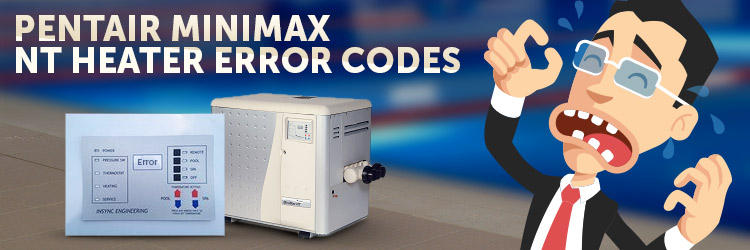
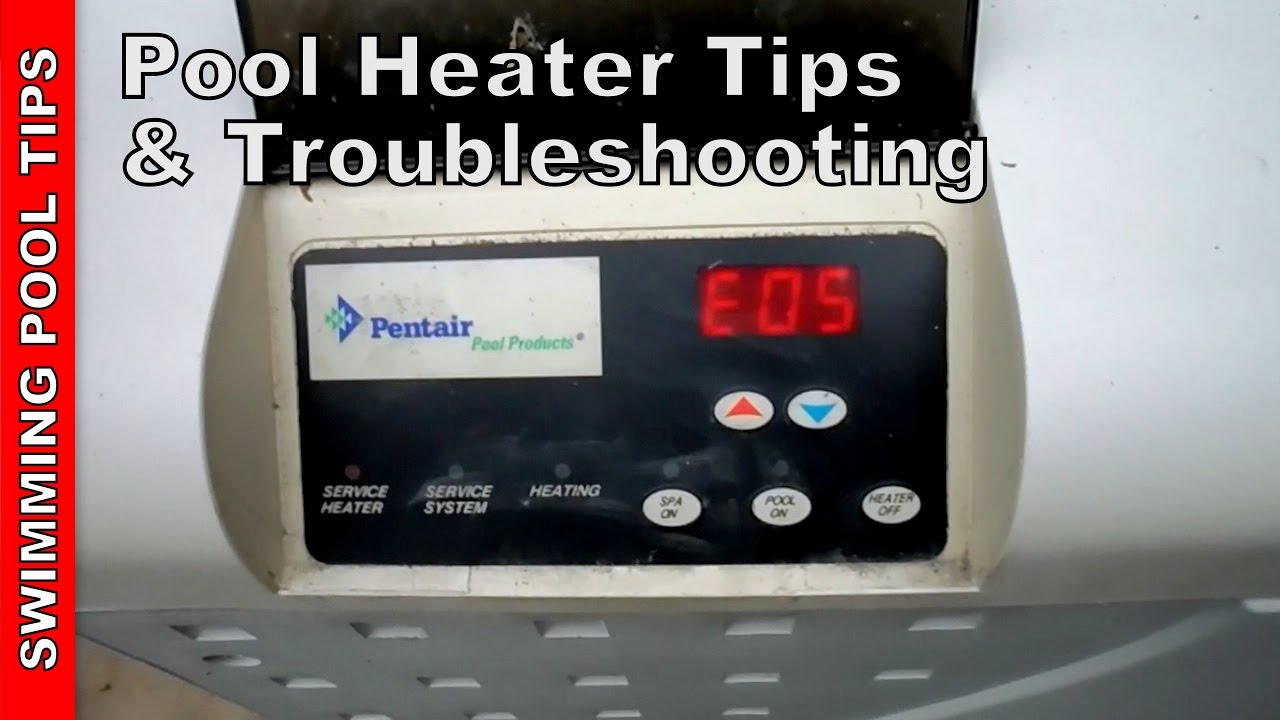
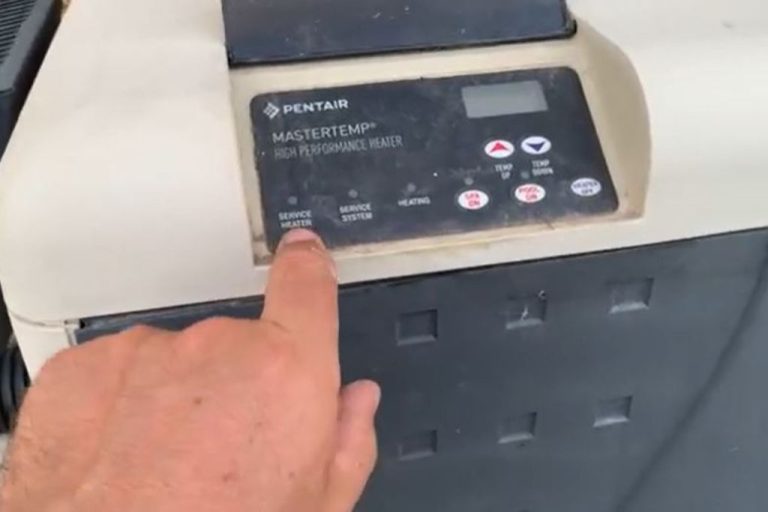
Pentair Pool Heater Codes
Decoding Pentair Pool Heater Error Codes: A Comprehensive Guide
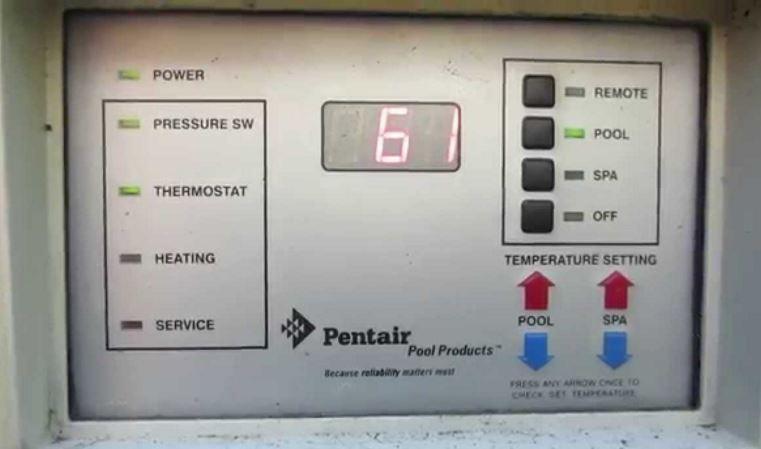
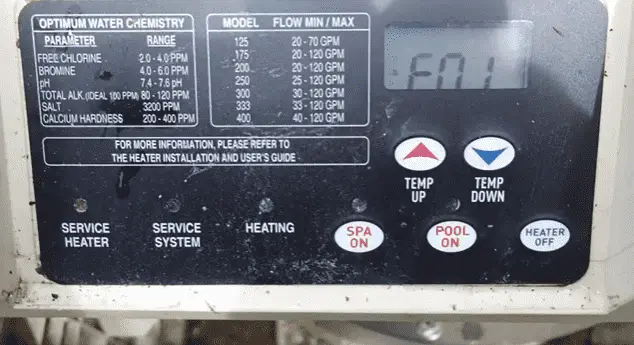
Pentair pool heaters are a popular choice for extending the swimming season, offering efficient and reliable heating for residential and commercial pools. However, like any complex piece of equipment, they can sometimes encounter problems. When an issue arises, the heater's control panel will display an error code. Understanding these codes is crucial for quick troubleshooting, allowing homeowners, technicians, and facility managers to diagnose and resolve issues effectively. This article provides a detailed breakdown of common Pentair pool heater codes, their causes, and possible solutions.
Understanding the Basics: How Pool Heaters Work
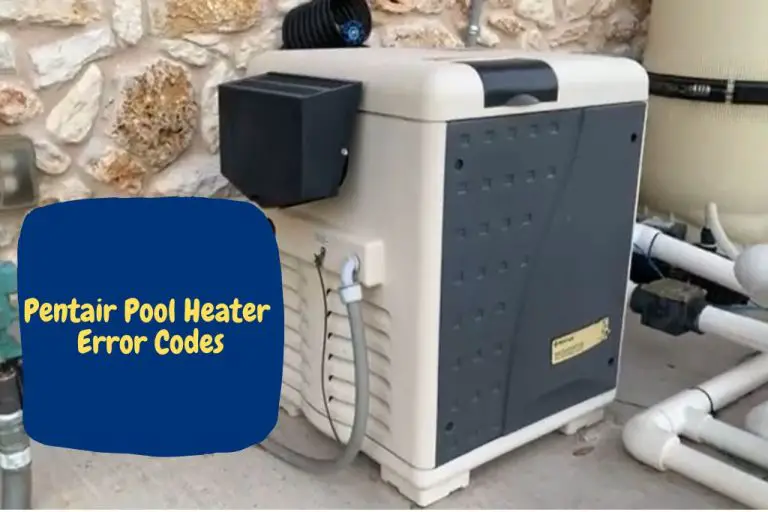
Before diving into specific error codes, it's helpful to understand the basic operation of a pool heater. Most Pentair pool heaters are gas-fired, using either natural gas or propane. The heater works by drawing water from the pool, passing it through a heat exchanger, and then returning the heated water to the pool. The combustion process heats the heat exchanger, and a series of sensors and controls ensure safe and efficient operation.
Key components include:
- Gas Valve: Controls the flow of gas to the burner.
- Igniter: Creates the spark to ignite the gas.
- Flame Sensor: Detects the presence of a flame.
- Pressure Switch: Ensures adequate water flow before allowing the heater to fire.
- Temperature Sensors: Monitor water temperature at various points in the system.
- Control Board: The brain of the heater, monitoring sensors and controlling components.
Common Pentair Pool Heater Error Codes and Troubleshooting
Here's a breakdown of frequently encountered Pentair pool heater error codes, along with their probable causes and troubleshooting steps:
1. High Limit (HL) Error
Description: The "HL" error code indicates that the water temperature within the heater has exceeded the set limit. This is a safety mechanism to prevent overheating and potential damage.
Possible Causes:
- Restricted Water Flow: Insufficient water flow through the heater can cause the water to overheat. This could be due to a dirty filter, closed valves, or a malfunctioning pump.
- Faulty Temperature Sensor: A malfunctioning high-limit sensor can trigger the error even if the water temperature is within the normal range.
- Scale Buildup: Scale accumulation inside the heat exchanger can impede heat transfer, causing the water to overheat.
- Incorrectly Set Temperature: Setting the desired temperature too high can lead to the high limit being reached.
- Bypass Valve Issues: If a bypass valve isn't functioning correctly, it can divert too much water away from the heater.
Troubleshooting Steps:
- Check Water Flow: Ensure the filter is clean, valves are open, and the pump is operating correctly. Backwash the filter if necessary.
- Inspect the High-Limit Sensor: Visually inspect the sensor for damage. Use a multimeter to check its resistance; compare the reading with the manufacturer's specifications.
- Descale the Heat Exchanger: If scale buildup is suspected, consult a professional for descaling.
- Lower the Set Temperature: Reduce the desired temperature on the control panel.
- Inspect Bypass Valve: Ensure the bypass valve is properly adjusted and functioning.
2. Ignition Failure (IF) or No Flame (NF) Error
Description: The "IF" or "NF" error code indicates that the heater failed to ignite the gas or that the flame was lost during operation.
Possible Causes:
- Gas Supply Issues: No gas supply to the heater. This could be due to a closed gas valve, empty propane tank, or a problem with the gas regulator.
- Faulty Igniter: The igniter may be defective and unable to generate a spark.
- Dirty Burners: Dirty or clogged burners can prevent proper ignition.
- Flame Sensor Issues: A malfunctioning flame sensor may not be detecting the flame, even if it's present.
- Low Gas Pressure: Insufficient gas pressure can prevent ignition.
- Ventilation Problems: Obstructions in the flue can prevent proper combustion.
Troubleshooting Steps:
- Check Gas Supply: Ensure the gas valve is open, the propane tank is full, and the gas regulator is functioning correctly.
- Inspect the Igniter: Visually inspect the igniter for damage. Test the igniter using a multimeter to check for continuity.
- Clean the Burners: Clean the burners with a wire brush to remove any debris.
- Inspect the Flame Sensor: Clean the flame sensor with fine steel wool. Test the sensor using a multimeter.
- Check Gas Pressure: Have a qualified technician check the gas pressure to ensure it meets the manufacturer's specifications.
- Check Ventilation: Ensure the flue is free of obstructions.
3. Pressure Switch Open (PS) Error
Description: The "PS" error code indicates that the pressure switch is open, meaning it's not detecting sufficient water flow.
Possible Causes:
- Low Water Flow: Insufficient water flow through the heater. This could be due to a dirty filter, closed valves, or a malfunctioning pump.
- Faulty Pressure Switch: The pressure switch may be defective and failing to close even with adequate water flow.
- Air Lock: Air trapped in the plumbing can prevent the pressure switch from closing.
Troubleshooting Steps:
- Check Water Flow: Ensure the filter is clean, valves are open, and the pump is operating correctly. Backwash the filter if necessary.
- Inspect the Pressure Switch: Visually inspect the pressure switch for damage. Use a multimeter to check its continuity; it should be closed when the pump is running.
- Bleed Air from the System: Open air bleed valves to release any trapped air.
4. Temperature Sensor Errors (e.g., Sensor A Fault, Sensor B Fault)
Description: These errors indicate a problem with one or more of the temperature sensors in the heater.
Possible Causes:
- Faulty Sensor: The sensor may be defective and providing inaccurate readings.
- Loose Connection: A loose or corroded connection can disrupt the sensor's signal.
- Damaged Wiring: Damaged wiring between the sensor and the control board can cause errors.
Troubleshooting Steps:
- Inspect the Sensor: Visually inspect the sensor for damage.
- Check Connections: Ensure the sensor connections are clean and tight.
- Test the Sensor: Use a multimeter to check the sensor's resistance; compare the reading with the manufacturer's specifications at a known temperature.
- Check Wiring: Inspect the wiring between the sensor and the control board for damage.
5. Communications Error
Description: This error indicates a problem with the communication between different components of the heater, such as the control board and the display panel.
Possible Causes:
- Loose Connections: Loose or corroded connections in the communication wiring.
- Damaged Wiring: Damaged wiring in the communication circuit.
- Faulty Control Board: A malfunctioning control board can disrupt communication.
Troubleshooting Steps:
- Check Connections: Ensure all connections in the communication circuit are clean and tight.
- Inspect Wiring: Inspect the wiring for damage.
- Reset the Heater: Try resetting the heater by turning off the power for a few minutes and then turning it back on.
Preventative Maintenance: Keeping Your Pool Heater Running Smoothly
Regular maintenance is essential to prevent problems and extend the lifespan of your Pentair pool heater.
- Regular Filter Cleaning: Keep the pool filter clean to ensure adequate water flow.
- Water Chemistry: Maintain proper water chemistry to prevent scale buildup and corrosion.
- Professional Inspections: Schedule annual inspections by a qualified HVAC technician.
- Winterization: Properly winterize the heater if it will be exposed to freezing temperatures.
When to Call a Professional
While some error codes can be resolved with basic troubleshooting, others require the expertise of a qualified HVAC technician. If you are uncomfortable working with gas or electrical components, or if you are unable to resolve the issue after following the troubleshooting steps, it's best to call a professional. Attempting to repair a pool heater without proper knowledge and experience can be dangerous and may void the warranty.
Warning: Working with gas appliances can be dangerous. Always turn off the gas supply before attempting any repairs or maintenance.
By understanding common Pentair pool heater error codes and performing regular maintenance, homeowners, technicians, and facility managers can ensure the efficient and reliable operation of their pool heating systems, extending the swimming season and maximizing enjoyment.