Pentair Pool Heater Troubleshooting
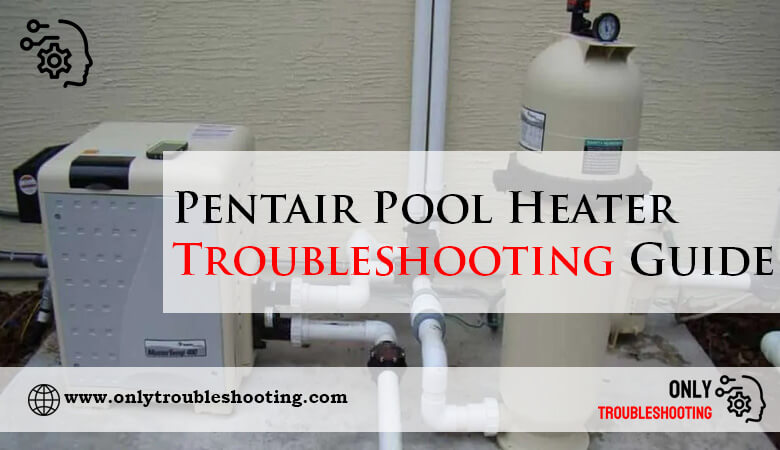
Troubleshooting your Pentair pool heater doesn't have to be a daunting task. Often, simple maintenance or understanding common issues can save you a service call and keep your energy bills in check. This guide will walk you through common problems, diagnostic steps, and energy-efficient solutions to keep your pool heater running smoothly.
Understanding Pentair Pool Heater Basics
Pentair is a well-regarded brand known for their pool equipment, including heaters that cater to various pool sizes and energy preferences. They offer both gas and electric (heat pump) models. Understanding which type you have is the first step in effective troubleshooting. Gas heaters offer rapid heating, while heat pumps boast superior energy efficiency, especially in moderate climates.
Gas vs. Electric: Energy Efficiency Comparison
Gas heaters, measured by BTU output, provide fast heating but typically have lower energy efficiency ratings. The Annual Fuel Utilization Efficiency (AFUE) can range from 80-95%. This means that for every dollar spent on fuel, only 80-95 cents are used for heating; the rest is lost as exhaust. Electric heat pumps, on the other hand, are measured by Coefficient of Performance (COP). A COP of 5, for example, means the heat pump delivers 5 units of heat for every 1 unit of electricity consumed. This can translate to significant energy savings over time, particularly in warmer climates. Choosing the right type of heater based on your climate and usage patterns is crucial for maximizing energy efficiency and reducing your carbon footprint.
Consider that according to the U.S. Department of Energy, heat pumps can save homeowners hundreds of dollars annually compared to traditional gas heaters, especially when integrated with smart controls and properly maintained.
Common Pentair Pool Heater Problems & Solutions
Here are some common Pentair pool heater issues and practical solutions:
1. Heater Won't Turn On
- Possible Cause: Power supply issues, tripped circuit breaker, faulty ignition, or a malfunctioning high-limit switch.
- Troubleshooting Steps:
- Check the circuit breaker dedicated to the pool heater. Reset if tripped.
- Verify the heater's power switch is in the "ON" position.
- Inspect the high-limit switch (usually located near the heater's exhaust). If tripped, reset it. Note: if it consistently trips, it indicates a potential overheating issue that requires professional attention.
- If it's a gas heater, check the gas supply valve to ensure it's open.
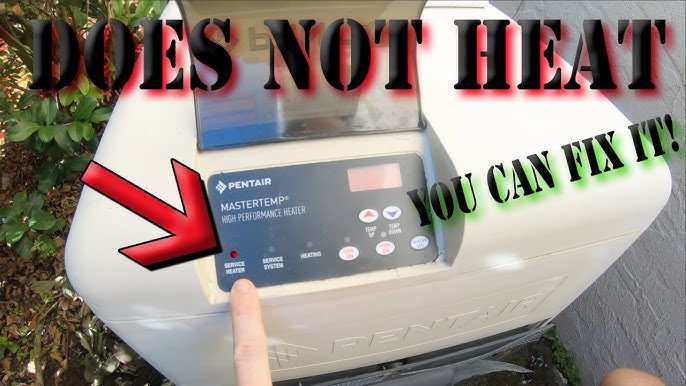
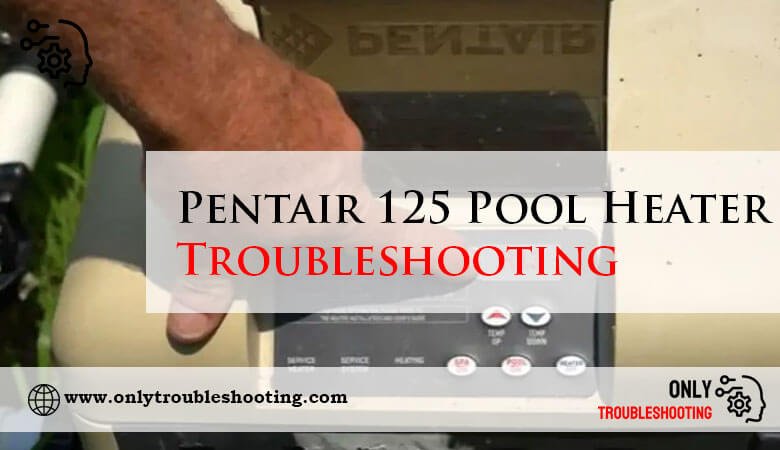
- Examine the heater's control panel for error codes. Refer to your Pentair manual for code definitions.
- Energy-Saving Tip: Consider installing a smart switch to remotely monitor and control the heater, preventing unnecessary energy consumption when the pool isn't in use.
2. Heater Turns On But Doesn't Heat
- Possible Cause: Insufficient water flow, clogged filter, air in the system, or a faulty gas valve/heating element.
- Troubleshooting Steps:
- Ensure proper water flow to the heater. Clean the pool filter and pump strainer basket.
- Check for air in the system. Bleed the air from the heater according to the manufacturer's instructions.
- Inspect the gas valve (for gas heaters) for proper operation. If you suspect a faulty valve, contact a qualified technician.
- If it's an electric heater, check the heating element for continuity using a multimeter. A broken element needs replacement.
- Energy-Saving Tip: Regular backwashing of your filter will reduce the workload for your pool pump and heater. Also, using a pool cover helps retain heat, reducing the time and energy needed to maintain the desired temperature.
3. Heater Shuts Off Prematurely
- Possible Cause: Overheating, low water flow, or a faulty sensor.
- Troubleshooting Steps:
- Check for obstructions restricting water flow. Clean the filter and pump impeller.
- Inspect the high-limit switch. If tripped, determine the cause of overheating before resetting.
- Examine the temperature sensor for proper operation. A faulty sensor can provide inaccurate readings, causing the heater to shut off prematurely.
- Energy-Saving Tip: Consider using a pool blanket to minimize heat loss, preventing the heater from working overtime.
4. Error Codes Displayed on the Control Panel
Pentair heaters often display error codes to indicate specific problems. Consult your Pentair pool heater manual to understand the meaning of each code. Common error codes relate to:
- High-limit switch trips
- Ignition failure
- Low water pressure
- Sensor malfunction
Addressing the underlying cause of the error code is essential for long-term performance and energy efficiency.
5. Unusual Noises
- Possible Cause: Air in the system (gurgling), a failing pump motor (whining), or scale buildup in the heat exchanger (rumbling).
- Troubleshooting Steps:
- Bleed air from the system.
- Inspect the pump motor for signs of wear or damage.
- If you suspect scale buildup, consider a professional descaling service to improve heat transfer efficiency.
- Energy-Saving Tip: Ensure your pool pump is properly sized for your pool to prevent it working too hard and causing unwanted noise. Variable-speed pumps use significantly less energy.
Smart Integration for Enhanced Efficiency
Integrating your Pentair pool heater with a smart home system offers significant advantages in terms of energy savings and convenience. Here's how:
- Smart Thermostats: Program your pool heater to operate only during specific hours or when pool use is anticipated. Avoid heating the pool unnecessarily during off-peak hours.
- Remote Monitoring & Control: Adjust the pool temperature remotely via your smartphone or tablet. This is especially useful if you're away from home but want to prepare the pool for use upon your return.
- Leak Detection Sensors: Install leak detection sensors around the pool equipment pad to identify potential leaks early. Addressing leaks promptly prevents water loss and reduces energy consumption related to heating makeup water.
- Integration with Solar Pool Heating: If you have solar pool heating, integrate your Pentair heater to act as a backup system. Prioritize solar heating and only use the Pentair heater when solar energy is insufficient.
Many smart home platforms, such as Google Home and Amazon Alexa, are compatible with Pentair's automation systems, allowing for seamless integration and voice control.
Regular Maintenance: The Key to Longevity and Efficiency
Preventive maintenance is paramount for ensuring the long-term performance and energy efficiency of your Pentair pool heater. Here are some essential maintenance tasks:
- Regular Filter Cleaning: Clean the pool filter regularly (as recommended by the manufacturer) to maintain optimal water flow.
- Water Chemistry Management: Maintain proper water chemistry to prevent scale buildup and corrosion, which can reduce heater efficiency. Test the water regularly and adjust chemicals as needed.
- Professional Inspection: Schedule annual professional inspections to identify and address potential problems before they escalate.
- Inspect Gas Connections: For gas heaters, regularly inspect gas connections for leaks. Use a soap solution to check for bubbles around fittings.
Energy Star Ratings and Rebates
When upgrading your pool heater, look for models with high Energy Star ratings. Energy Star certified pool heaters meet strict energy efficiency guidelines established by the U.S. Environmental Protection Agency (EPA). Choosing an Energy Star model can significantly reduce your energy consumption and lower your utility bills.
Furthermore, check for available rebates and incentives from your local utility company or state government. Many utilities offer rebates for installing energy-efficient pool equipment, including heaters. These rebates can help offset the initial cost of upgrading to a more efficient model.
To find out about rebates in your area, visit the DSIRE (Database of State Incentives for Renewables & Efficiency) website.
When to Call a Professional
While many Pentair pool heater problems can be resolved with basic troubleshooting, certain situations require professional assistance. Contact a qualified HVAC technician or pool equipment specialist if you encounter any of the following:
- Gas leaks
- Electrical shocks
- Extensive corrosion or damage
- Persistent error codes that cannot be resolved
- Complex repairs beyond your expertise
Attempting to repair a pool heater without proper knowledge and experience can be dangerous and may void the warranty.
Conclusion
By understanding the basics of Pentair pool heater operation, performing regular maintenance, and leveraging smart integration technologies, you can optimize energy efficiency, reduce your carbon footprint, and enjoy a comfortable swimming experience. Remember to consult your Pentair pool heater manual for specific instructions and safety precautions. Regular maintenance and a proactive approach to troubleshooting will keep your pool heater running efficiently for years to come, saving you money and ensuring enjoyable swimming seasons.