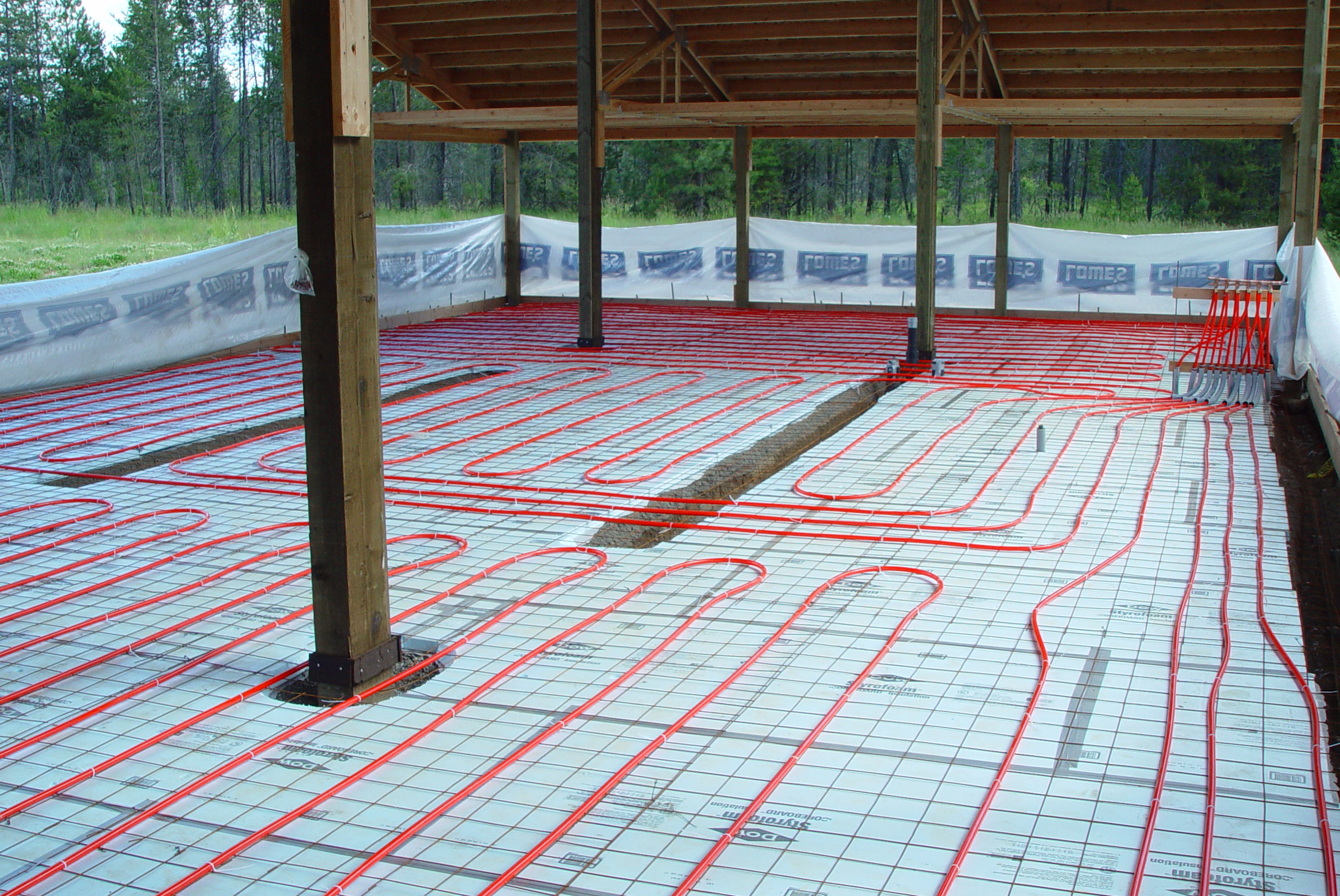
Pex Tubing Layout For Concrete Slab

One of the most frustrating issues homeowners with radiant floor heating or cooling systems embedded in a concrete slab face is uneven heating or cooling. Imagine one area of your living room feeling wonderfully warm while another remains stubbornly cold in the winter, or experiencing hot spots in summer despite the system running. This not only compromises comfort but also signals potential inefficiencies in your PEX tubing layout within the slab. Before calling in a professional, let's explore a systematic approach to troubleshooting this common problem.
Diagnosis: Pinpointing the Problem
The key to solving uneven heating or cooling lies in a methodical diagnosis. Start with the simplest checks and gradually move towards more technical investigations.
Step 1: The Obvious Checks (No Tools Required)
Before digging deeper, let's rule out the easily identifiable culprits:
* Thermostat Settings: This is the most common oversight. Ensure your thermostat is set correctly for heating or cooling, and that it's calling for the appropriate function. A thermostat set too low or accidentally switched to "off" can be the sole cause of the issue. Check if your thermostat is properly programmed with different settings for different times. * Air Vents and Obstructions: Are any vents (if applicable, for cooling) blocked by furniture, rugs, or other objects? Restricted airflow can dramatically impact heating or cooling efficiency. Clear any obstructions to ensure proper circulation. * System Power: Verify that the heating or cooling system (boiler, chiller, heat pump) is receiving power. Check circuit breakers and ensure the system's power switch is turned on. * Visual Inspection: Look for any obvious leaks or damage around the manifold where the PEX tubing connects. Even a small leak can gradually reduce system pressure and efficiency.Step 2: Surface Temperature Assessment (Hand Test & Infrared Thermometer)
This step involves feeling the floor surface to identify temperature variations. An infrared thermometer (non-contact) can be a valuable tool for more precise measurements, but even your hands can provide initial clues.
* Hand Test: Walk across the entire floor surface, paying close attention to temperature differences. Mark areas that feel significantly warmer or cooler than others. This provides a rough map of the problem areas. * Infrared Thermometer (Optional): If you have an infrared thermometer, scan the floor surface systematically, taking temperature readings every few feet. Record these readings to create a more detailed temperature map. Aim for measurements during a period when the system has been running consistently for several hours to reach a stable state. A variance of more than 5-7 degrees Fahrenheit between areas is a cause for concern.Important Note: Be mindful of the floor covering. Thick carpets or rugs can insulate the floor and make it difficult to accurately assess the surface temperature.
Step 3: Manifold Inspection (Basic Visual Check)
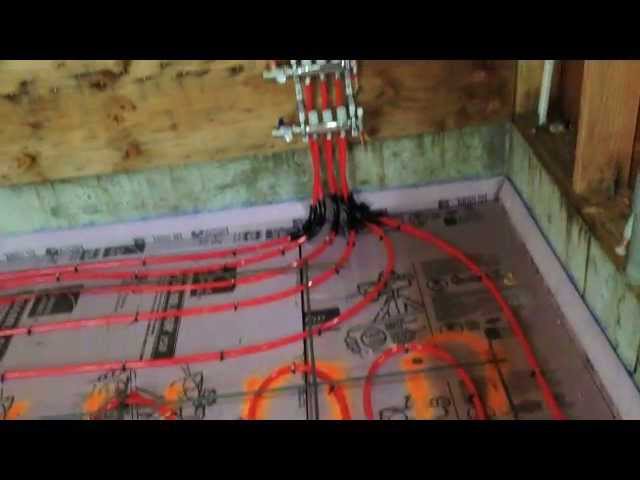
The manifold is where the PEX tubing connects and distributes water throughout the system. Inspecting it can reveal crucial information.
* Flow Meters: Most manifolds have flow meters on each loop, indicating the rate of water flow. Ensure all flow meters are showing some flow. If one or more loops have zero flow, it indicates a blockage or airlock in that particular loop. * Valve Positions: Verify that all valves on the manifold are fully open. Partially closed valves can restrict flow and cause uneven heating or cooling. * Air Vents: Many manifolds have automatic or manual air vents. Ensure these vents are functioning correctly. Trapped air in the system can significantly reduce efficiency. If manual vents are present, carefully open them to release any trapped air. Be prepared for a small amount of water to escape. * Pressure Gauge: Check the system's pressure gauge. Low pressure can indicate a leak in the system, affecting overall performance. Compare the reading to the manufacturer's recommended pressure range.Step 4: Identifying Specific Problem Loops
Based on your temperature map and manifold inspection, try to identify which specific PEX loops are causing the issue.
* Correlation: Match the cold or hot spots on your floor to the corresponding loops on the manifold. If a specific area consistently feels cold and the corresponding loop has low flow or no flow, that loop is likely the culprit.DIY Actions: Simple Solutions You Can Try
Once you've identified potential causes, here are some DIY actions you can take to address the problem.
Action 1: Bleeding Air from the System
Trapped air is a common cause of reduced flow and uneven heating or cooling.
* Using Manifold Vents: Carefully open the air vents on the manifold, one loop at a time, to release any trapped air. Start with the loop that appears to be having the most issues. Be prepared for a small amount of water to escape. Close the vent as soon as only water comes out. * Using Zone Valves (If Equipped): If your system has zone valves, cycle them open and closed a few times to help dislodge any trapped air. * System Purge (More involved): If bleeding the vents doesn't resolve the issue, you may need to perform a full system purge. This involves connecting a hose to the drain valve on the manifold and flushing the system with fresh water to remove trapped air and debris. This procedure can be messy, so consult your system manual or watch instructional videos before attempting it.Action 2: Adjusting Flow Rates
Fine-tuning the flow rates in each loop can help balance the system and improve performance.
* Using Flow Meters: Adjust the valves on the manifold to fine-tune the flow rates in each loop. Increase the flow in loops that are supplying colder areas and decrease the flow in loops that are supplying warmer areas. Make small adjustments and allow the system time to stabilize before making further changes. This is not an exact science, and you might need to make several adjustments before achieving optimal balance. Refer to your system documentation for the ideal flow rate. * Document Changes: Keep a record of any adjustments you make to the flow rates. This will help you revert to the original settings if necessary and track the effectiveness of your changes.Action 3: Cleaning Strainers or Filters
Debris can accumulate in strainers or filters, restricting water flow and reducing system efficiency.
* Locate Strainers/Filters: Identify the location of any strainers or filters in your system. These are typically located near the boiler, chiller, or manifold. * Cleaning Procedure: Turn off the system and isolate the strainer or filter using shut-off valves. Carefully remove the strainer or filter and clean it thoroughly with water. Replace the strainer or filter and restore the system to its normal operating condition.Action 4: Checking for Kinks or Blockages (Limited Scope)
Visually inspect the PEX tubing connections at the manifold for any obvious kinks or obstructions.
* Visual Inspection: Carefully examine the PEX tubing connections at the manifold for any signs of kinks, bends, or damage. A kinked tube can significantly restrict water flow. * Caution: Do not attempt to repair or replace any PEX tubing yourself unless you have experience and the proper tools. Improper repairs can lead to leaks and further damage. This step is more for observation to determine next steps.When to Call a Professional
While these DIY actions can address many common issues, some problems require the expertise of a qualified HVAC technician. Do not attempt any repairs or troubleshooting that you are not comfortable with or that involve working with electrical components or gas lines.
* Persistent Low Flow: If you've tried bleeding air and adjusting flow rates, but a loop still has significantly lower flow than others, there may be a blockage within the slab that requires specialized equipment to locate and remove. * Suspected Leaks: If you suspect a leak within the slab, do not attempt to repair it yourself. This requires specialized leak detection equipment and the ability to access and repair the PEX tubing without damaging the concrete. * Boiler/Chiller Problems: If the problem appears to be related to the boiler, chiller, or heat pump itself, rather than the PEX tubing layout, it's best to call a qualified HVAC technician. These systems involve complex components and potentially hazardous materials. * Electrical Issues: Any electrical problems related to the heating or cooling system should be handled by a licensed electrician. * Gas Line Issues: If your heating system uses natural gas or propane, any issues related to the gas line should be addressed by a qualified gas technician. * Complex Manifold Issues: If the manifold itself is damaged, leaking, or malfunctioning, it's best to consult with a professional to ensure proper repair or replacement.Remember: Safety First! Always prioritize safety when troubleshooting your radiant floor heating or cooling system. If you're unsure about any step, don't hesitate to call a professional.
By following this methodical troubleshooting guide and taking appropriate DIY actions, you can often resolve uneven heating or cooling issues in your PEX tubing layout for concrete slab systems. Keep detailed notes of what you do and the results you achieve so that you can provide accurate information to a professional if needed.