Pex Water Pressure Rating

Imagine stepping into the shower, only to be greeted by a pathetic trickle of water. Or perhaps your washing machine is taking forever to fill, leaving you with a mountain of laundry and dwindling patience. Low water pressure is a common household frustration, and while the culprit can be complex, sometimes the issue stems from your plumbing – specifically, the PEX tubing used in many modern homes. Let's explore how to troubleshoot potential problems related to PEX water pressure and what you can safely address yourself.
Understanding PEX and Water Pressure
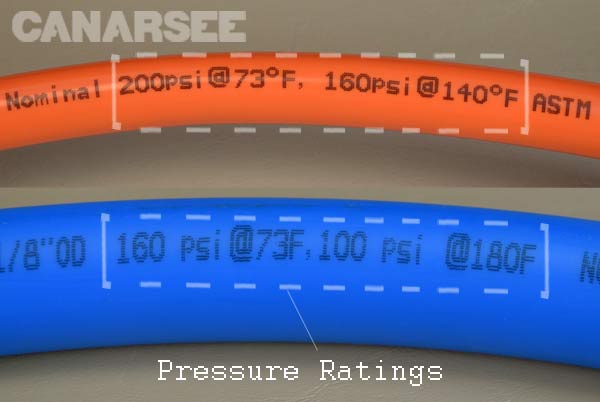
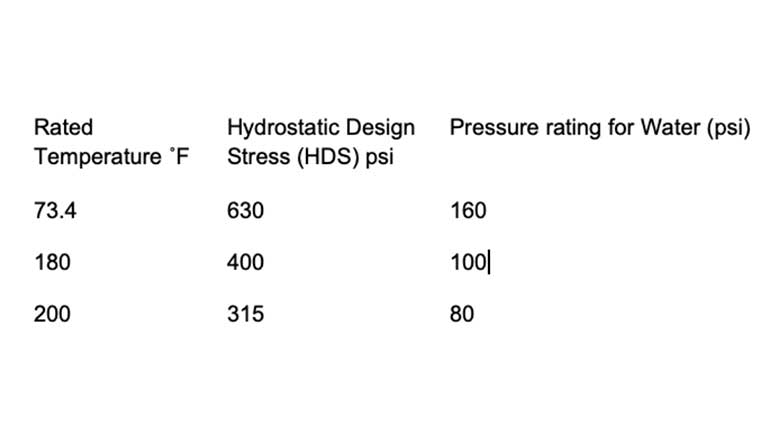
PEX (cross-linked polyethylene) is a flexible plastic tubing widely used for plumbing. It's durable, resistant to corrosion, and generally reliable. However, like any plumbing material, it can contribute to water pressure problems if not installed or maintained correctly. It's important to note that PEX itself is rated for specific pressures and temperatures, typically 160 psi at 73°F, 100 psi at 180°F, and 80 psi at 200°F. Exceeding these limits can lead to damage and leaks. While PEX itself is unlikely to drastically *reduce* water pressure when correctly installed, issues with the overall system connected by PEX can certainly cause problems.
Troubleshooting Low Water Pressure: A Step-by-Step Guide
Before you call a plumber, let's try some DIY troubleshooting steps. Remember, safety first! If you're uncomfortable with any of these steps, or if you suspect a serious problem like a burst pipe, call a qualified plumber immediately.
Step 1: Check Other Fixtures
Is the low pressure affecting all faucets and appliances in your home, or just one? This is a crucial diagnostic step.
- If the problem is isolated to one fixture: The issue is likely localized to that fixture's faucet, showerhead, or connecting pipes, not the main PEX lines. Skip to Step 6.
- If all fixtures are affected: The problem is likely somewhere in your main water supply or distribution system, potentially involving the PEX network. Proceed to Step 2.
Step 2: Talk to Your Neighbors
In some cases, low water pressure can be a problem with the municipal water supply. Before digging deeper, ask your neighbors if they're experiencing similar issues. If they are, the problem isn't in your home; contact your water company.
Step 3: Inspect the Main Water Shut-Off Valve
The main water shut-off valve controls the water supply to your entire house. It's usually located near your water meter, inside or outside your home.
- Ensure the valve is fully open. Sometimes, it can be partially closed accidentally, restricting water flow. Turn it counterclockwise as far as it will go.
- Check for leaks around the valve. A leak can reduce pressure and waste water. If you find a leak that you can't easily tighten with a wrench, call a plumber.
Step 4: Examine the Pressure Regulator (If Applicable)
Many homes have a pressure regulator, a bell-shaped device typically located near the main water shut-off valve. Its purpose is to reduce the water pressure coming into your house to a safe and consistent level (usually around 50-60 psi).
- Locate the pressure regulator. If you don't see one, your home might not have one.
- Look for a pressure gauge. Some regulators have a built-in pressure gauge. If the gauge reads significantly lower than 50 psi, the regulator may be failing.
- Adjust the regulator (with caution): Some regulators have an adjustment screw on top. Consult the manufacturer's instructions (or search online for your model) before attempting to adjust it. Turning the screw clockwise increases pressure, counterclockwise decreases it. Make small adjustments and check the water pressure at a faucet after each adjustment. Never exceed the recommended pressure rating for your PEX system! If the regulator doesn't respond to adjustments, or if it's leaking, it likely needs to be replaced. This is often a job for a plumber.
Step 5: Check for Kinks or Damage in Exposed PEX Tubing
While PEX is flexible, it can kink if bent too sharply. Inspect any exposed PEX tubing in your basement, crawl space, or utility room.
- Look for kinks or sharp bends. A kink significantly restricts water flow.
- Check for visible damage. Look for cuts, punctures, or signs of wear and tear.
- If you find a kink: Gently try to straighten it. If the PEX is severely damaged, it will need to be replaced. Replacing a section of PEX is a DIY-friendly project *if* you have the right tools (PEX cutter and crimping tool or expansion tool, depending on the fitting system used) and are comfortable working with plumbing. If not, call a plumber.
Step 6: Inspect and Clean Faucet Aerators and Showerheads
Mineral deposits and debris can clog faucet aerators and showerheads, restricting water flow. This is especially common in areas with hard water. Even if only one fixture has the problem this is an important step.
- Remove the aerator from the faucet. Most aerators unscrew easily.
- Disassemble the showerhead. Consult the manufacturer's instructions for your showerhead model.
- Clean the parts. Soak the aerator and showerhead components in white vinegar to dissolve mineral deposits. Use a small brush to remove any remaining debris.
- Reassemble and test. If the water pressure improves significantly after cleaning, the aerator or showerhead was the culprit.
Step 7: Flush Your Water Heater
Sediment can accumulate in your water heater over time, reducing its efficiency and potentially contributing to low water pressure.
- Safety First! Turn off the power (electric heaters) or gas supply (gas heaters) to your water heater before flushing it.
- Connect a hose to the drain valve at the bottom of the water heater. Run the hose to a safe drainage area (e.g., a floor drain or outside).
- Open the drain valve. Let the water drain completely. Be prepared for a lot of sediment to come out.
- Flush the tank. Open the cold water inlet valve briefly to stir up any remaining sediment. Close the drain valve and repeat this process until the water runs clear.
- Close the drain valve and refill the tank. Once the tank is full, turn the power or gas supply back on.
Important Note: Some water heaters are more complicated to flush than others. If you're not comfortable with this process, call a plumber.
Step 8: Check for Leaks (Hidden and Obvious)
Even a small leak can significantly reduce water pressure. Check for obvious leaks under sinks, around toilets, and near your water heater. Also, look for signs of hidden leaks, such as water stains on ceilings or walls, or damp spots on your floors.
- Check under sinks and around toilets. These are common areas for leaks.
- Inspect your water meter. If the meter is running even when all the fixtures in your house are turned off, you likely have a leak.
- Listen for running water. Sometimes, you can hear a leak behind walls or under floors.
If you suspect a hidden leak, call a plumber immediately. Finding and repairing hidden leaks can be complex and requires specialized equipment.
Step 9: Consider a Whole-House Water Filter
If you have hard water or a lot of sediment in your water supply, a whole-house water filter can help protect your plumbing and improve water pressure. However, a clogged filter *itself* can reduce water pressure.
- Check your water filter. If you have a whole-house filter, check the filter cartridge. If it's dirty or clogged, replace it. Follow the manufacturer's instructions for replacing the filter.
- Consider the filter's flow rate. Make sure the filter you're using has a flow rate that's adequate for your household's water demand. A filter with a low flow rate can restrict water pressure.
When to Call a Professional Plumber
While many water pressure problems can be resolved with DIY troubleshooting, some situations require the expertise of a licensed plumber. Call a plumber if:
- You suspect a major leak, especially a hidden leak.
- You're not comfortable working with plumbing or electrical systems.
- You've tried the troubleshooting steps above and the problem persists.
- You need to replace a pressure regulator or other complex plumbing component.
- You suspect a problem with your main water supply line.
- The water pressure is dangerously high. Extremely high water pressure can damage your plumbing and appliances. A plumber can install or repair a pressure regulator to address this issue.
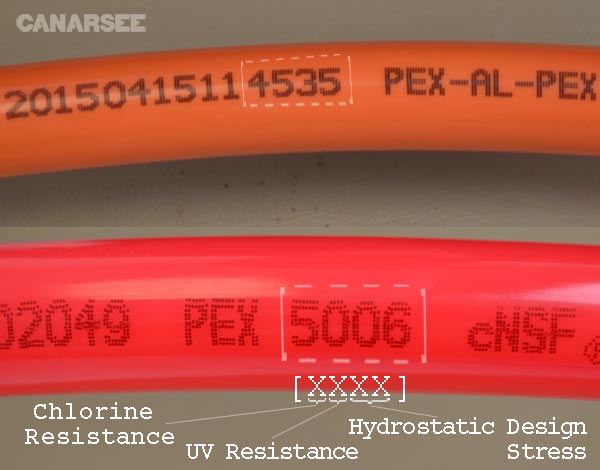
- You are unsure about the type of PEX you have and it's pressure or temperature rating.
Remember, when dealing with electricity or gas related to your water heater or other appliances, always prioritize safety. If you're unsure about any step, it's always best to err on the side of caution and call a qualified professional.
Preventative Maintenance
To help prevent future water pressure problems, consider these preventative maintenance tips:
- Flush your water heater annually. This removes sediment buildup.
- Replace faucet aerators and showerheads periodically. This prevents mineral buildup.
- Inspect your plumbing regularly. Look for leaks or signs of damage.
- Consider installing a whole-house water filter. This protects your plumbing from sediment and other contaminants.
- Maintain your pressure regulator. Have it inspected periodically by a plumber.
By following these troubleshooting steps and preventative maintenance tips, you can keep your PEX plumbing system in good working order and enjoy consistent water pressure throughout your home. Remember to always prioritize safety, and don't hesitate to call a plumber when needed. Empower yourself with knowledge and tackle those simple fixes, but always recognize when a professional's touch is required. Good luck!