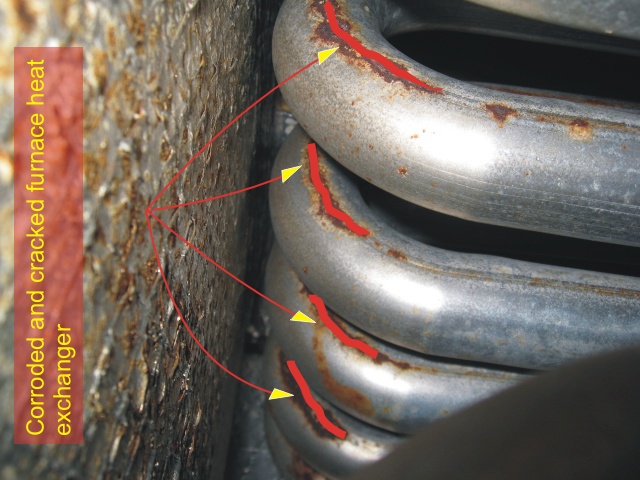
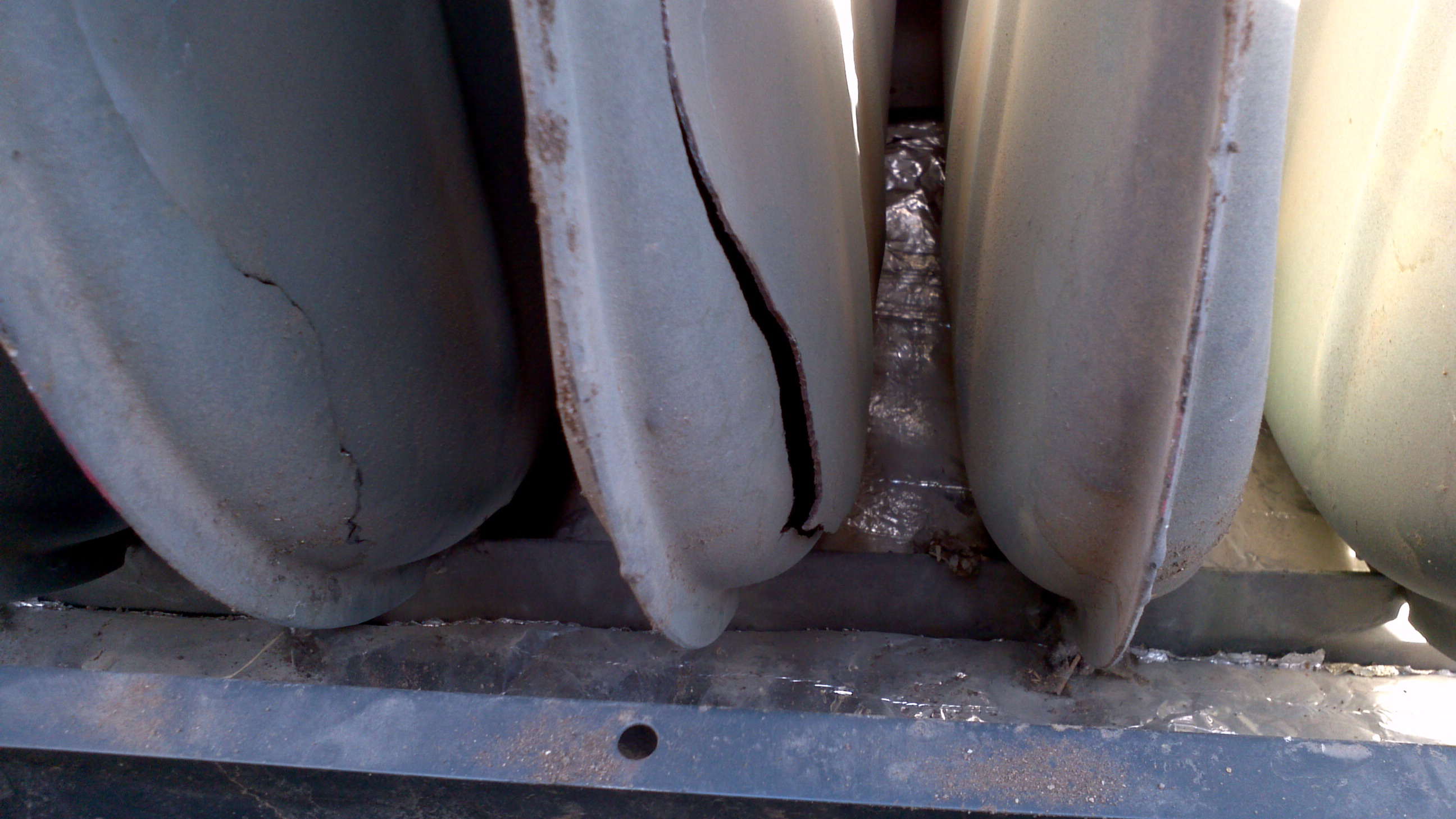
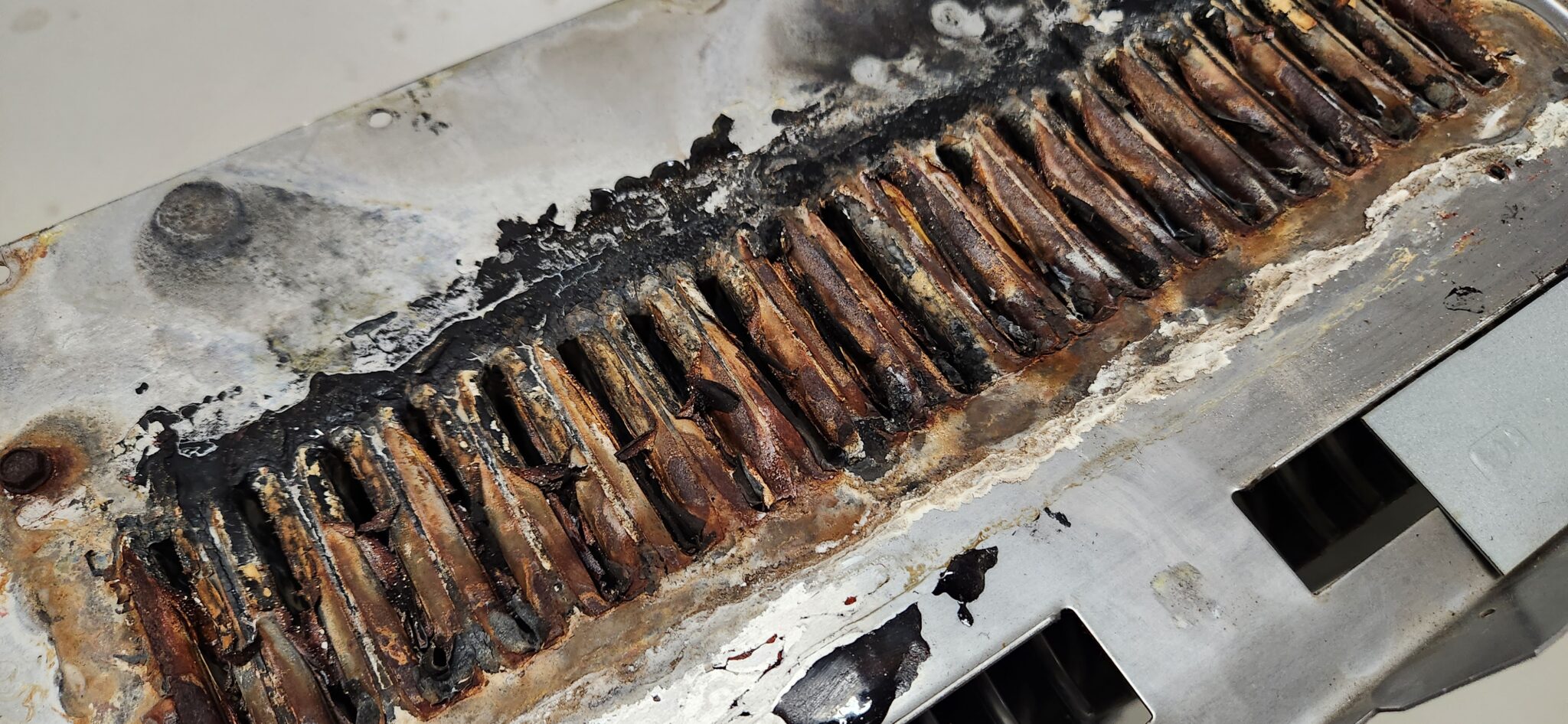
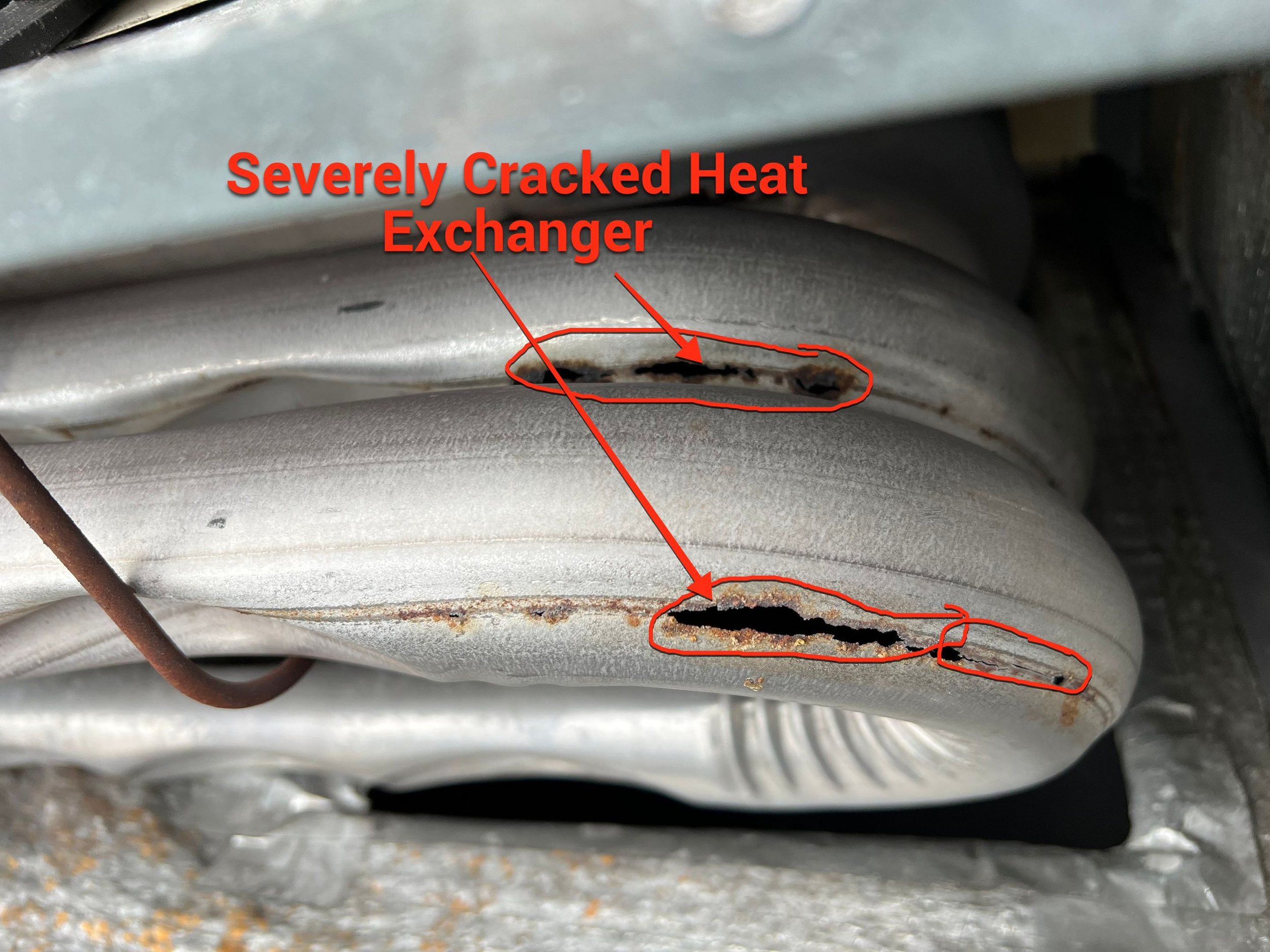
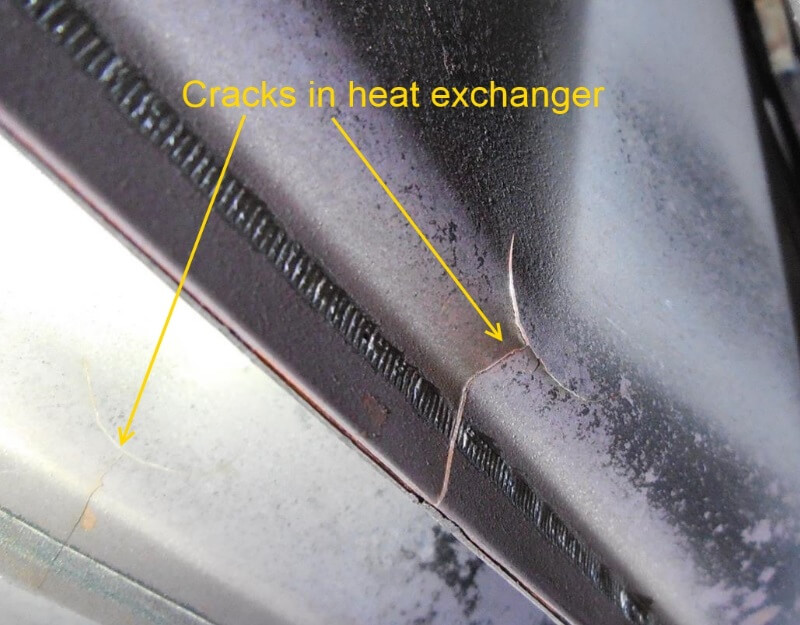
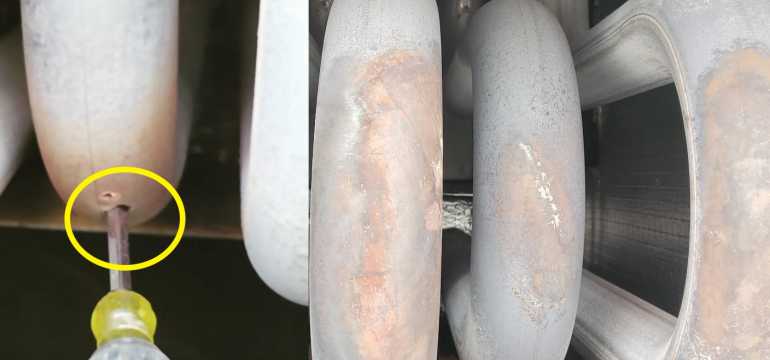
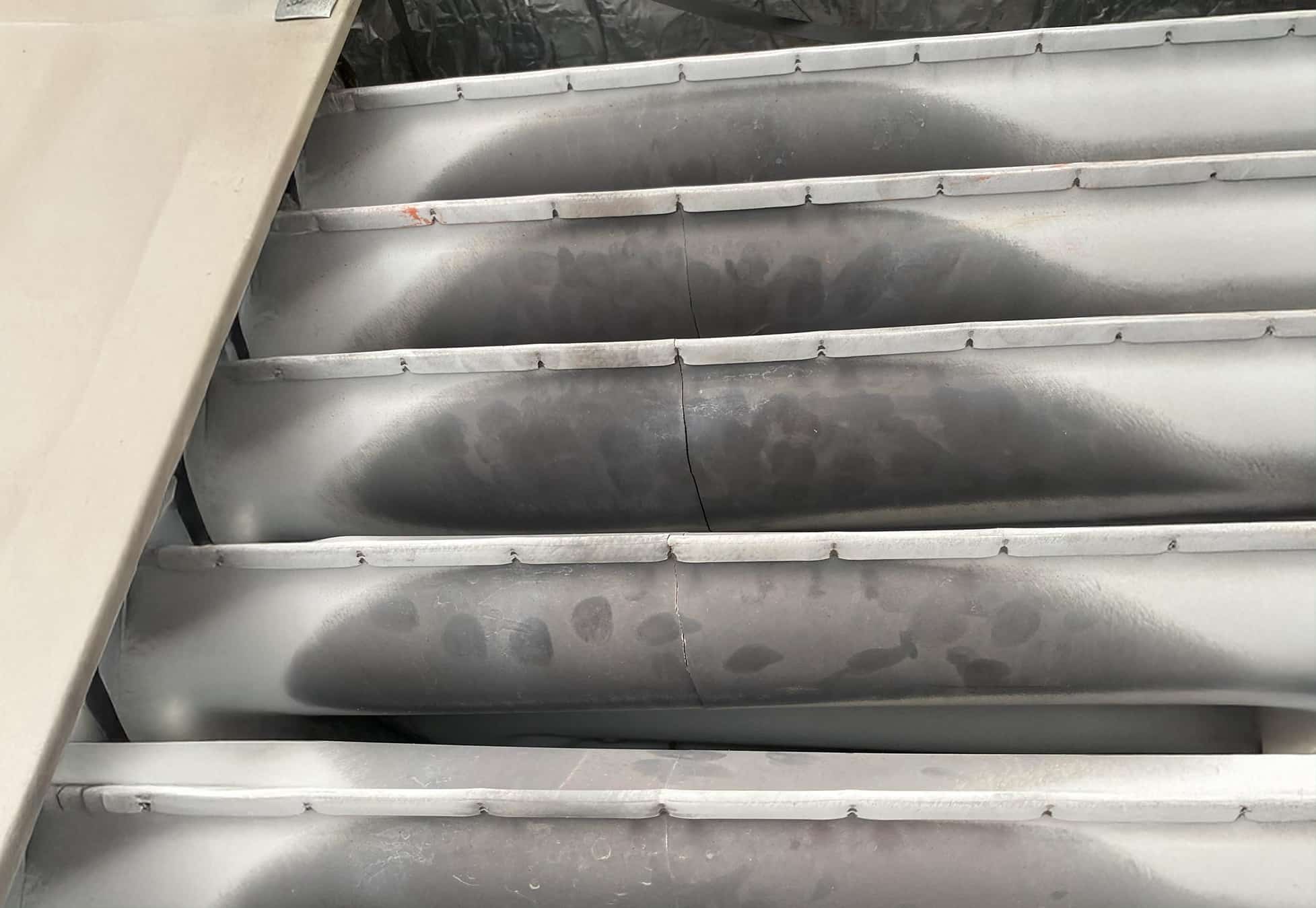
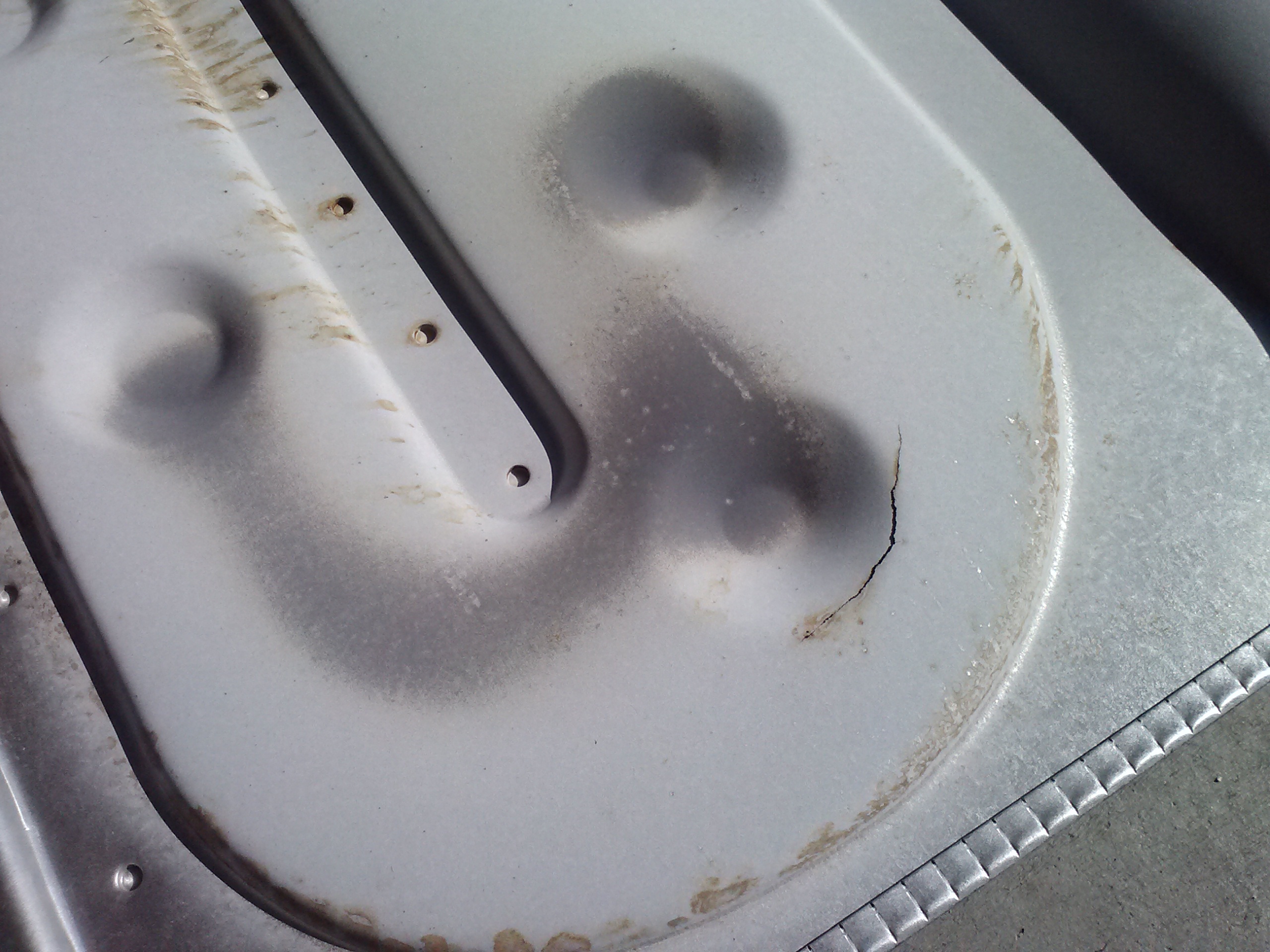
Photos Of Cracked Heat Exchangers

The Silent Threat: Identifying Cracked Heat Exchangers in HVAC Systems
The heat exchanger is the heart of any fuel-burning heating system, whether it's a residential furnace, a commercial boiler, or even some types of water heaters. Its primary function is to transfer heat from the combustion process to the air circulating through your home or building. A properly functioning heat exchanger ensures efficient heating and, most importantly, safe operation. However, when a heat exchanger cracks, it poses a serious hazard: the potential for carbon monoxide (CO) poisoning.
This article explores the causes, symptoms, detection methods, and implications of cracked heat exchangers, providing essential information for homeowners, HVAC technicians, and facility managers.
Understanding Heat Exchanger Construction and Function
Most residential furnaces utilize a clamshell or tubular heat exchanger design. In a clamshell design, two pieces of formed metal are welded together to create a series of chambers. Hot combustion gases flow through these chambers, heating the metal surfaces. Air from the blower motor then passes over these hot surfaces, absorbing the heat before being distributed throughout the building via ductwork.
Tubular heat exchangers consist of a series of curved or straight tubes through which the combustion gases pass. Air circulates around the outside of these tubes, absorbing heat in a similar manner. Regardless of the design, the key principle remains the same: separating combustion gases from breathable air to prevent contamination.
Causes of Cracking in Heat Exchangers
Heat exchangers are subject to significant stress during operation. Repeated heating and cooling cycles cause the metal to expand and contract. Over time, this thermal cycling can lead to fatigue and cracking, particularly in areas where welds are located or where the metal is subjected to the greatest stress.
Other contributing factors include:
- Age: Like any mechanical component, heat exchangers have a limited lifespan, typically 15-20 years, depending on usage and maintenance.
- Corrosion: Moisture present in the combustion process, especially when combined with acidic byproducts, can corrode the metal, weakening it and making it more susceptible to cracking.
- Overheating: A furnace that frequently overheats due to airflow restrictions or other malfunctions puts excessive stress on the heat exchanger. Restricted airflow causes the furnace to work harder and hotter than intended, accelerating wear and tear.
- Improper Combustion: Poorly tuned burners or incorrect gas pressure can lead to incomplete combustion, creating corrosive byproducts that damage the heat exchanger.
- Poor Maintenance: Neglecting regular furnace maintenance, such as cleaning the burners and inspecting the heat exchanger, can exacerbate existing problems and shorten its lifespan.
Identifying a Cracked Heat Exchanger: Symptoms and Warning Signs
Detecting a cracked heat exchanger early is crucial for preventing CO poisoning. While a visual inspection by a qualified technician is the most reliable method, there are several warning signs that homeowners and building managers can look out for:
- Carbon Monoxide Alarms: A frequently triggering CO alarm is a red flag. Even if the alarm goes off only intermittently, it should be investigated immediately.
- Soot Buildup: Excessive soot around the furnace or on nearby surfaces can indicate incomplete combustion and potential heat exchanger problems.
- Visible Rust or Corrosion: Rust on or around the furnace, especially on the heat exchanger itself, suggests moisture and potential weakening of the metal.
- Flame Rollout: If flames are observed escaping from the furnace compartment, it could indicate a blocked or cracked heat exchanger preventing proper draft.
- Strange Odors: A musty or metallic smell coming from the vents could be a sign of combustion gases leaking into the air stream.
- Physical Symptoms: Unexplained headaches, dizziness, nausea, or flu-like symptoms, especially when they occur only when the furnace is running, could be symptoms of CO poisoning. Seek medical attention immediately.
- Water Leaks: While less common, a cracked heat exchanger can sometimes leak water, especially during startup or shutdown cycles.
Detection Methods: From Visual Inspection to Advanced Testing
A thorough inspection by a qualified HVAC technician is essential for confirming the presence of a cracked heat exchanger. Technicians use various methods, including:
- Visual Inspection: Using a strong flashlight and mirrors, the technician will visually inspect the heat exchanger for cracks, rust, or other signs of damage. This is the initial step and can often reveal obvious problems.
- Combustion Analysis: Measuring the levels of CO and other gases in the flue exhaust can indicate incomplete combustion and potential heat exchanger leakage. High CO readings are a strong indicator of a problem.
- Smoke Test: A smoke pencil or other smoke-generating device can be used to introduce smoke near the heat exchanger seams and welds. If smoke is drawn into the air stream, it indicates a crack or leak.
- CO Testing in the Air Stream: Measuring the CO levels in the air being circulated through the ductwork can confirm that combustion gases are entering the living space.
- Borescope Inspection: A borescope is a small camera attached to a flexible cable that can be inserted into the heat exchanger to provide a close-up view of the interior surfaces. This allows for a more detailed inspection and can reveal cracks that are not visible from the outside.
- Pressure Testing: In some cases, a pressure test may be performed to check for leaks in the heat exchanger. This involves sealing off the heat exchanger and applying pressure to it. A drop in pressure indicates a leak.
Options: Repair vs. Replacement and Associated Costs
In most cases, a cracked heat exchanger cannot be safely repaired. Welding a cracked heat exchanger is generally not recommended due to the potential for creating new weaknesses and the difficulty of ensuring a complete and reliable seal. The only safe and recommended solution is to replace the entire heat exchanger or, in some cases, the entire furnace.
Heat Exchanger Replacement: The cost of replacing a heat exchanger varies depending on the type of furnace, the availability of replacement parts, and the labor involved. It can range from several hundred to over a thousand dollars. The age of the furnace and the availability of parts often makes replacement of the entire furnace a more cost-effective decision.
Furnace Replacement: Replacing the entire furnace is often the preferred option, especially if the unit is nearing the end of its lifespan. The cost of a new furnace varies depending on its efficiency rating, size, and features. A new, high-efficiency furnace can offer significant energy savings over an older, less efficient model.
Cost Comparison: *Heat Exchanger Replacement Only: $500 - $1500 (depending on model and labor) *New Furnace (Mid-Efficiency): $2500 - $4500 (installed) *New Furnace (High-Efficiency): $4000 - $7000+ (installed)
Preventative Measures and Maintenance Tips
While heat exchangers will eventually wear out, proper maintenance can extend their lifespan and reduce the risk of cracking. Here are some preventative measures you can take:
- Annual Furnace Maintenance: Schedule annual maintenance with a qualified HVAC technician. This includes cleaning the burners, inspecting the heat exchanger, and checking the flue draft.
- Replace Air Filters Regularly: Clogged air filters restrict airflow, causing the furnace to overheat and put stress on the heat exchanger. Replace your air filters every 1-3 months, depending on the type of filter and the amount of dust in your home.
- Ensure Proper Ventilation: Make sure that the furnace has adequate ventilation to prevent overheating. Do not block vents or close off rooms unnecessarily.
- Install a Carbon Monoxide Detector: Install CO detectors on every level of your home, especially near sleeping areas. Test the detectors regularly and replace the batteries as needed.
- Monitor Flame Appearance: A healthy furnace flame should be blue and steady. Yellow or orange flames can indicate incomplete combustion and should be investigated by a technician.
Conclusion: Safety First When It Comes to Heat Exchangers
A cracked heat exchanger is a serious safety hazard that can lead to carbon monoxide poisoning. By understanding the causes, symptoms, and detection methods, homeowners, HVAC technicians, and facility managers can take steps to prevent this dangerous situation. Regular maintenance, prompt attention to warning signs, and professional inspections are essential for ensuring the safe and efficient operation of your heating system. When in doubt, always err on the side of caution and consult with a qualified HVAC professional.
Ignoring a potential problem with a heat exchanger is never worth the risk. The health and safety of your family or building occupants depend on a properly functioning and well-maintained heating system.