Pilot Light Gas Stove Not Working
Frequently Asked Questions: Pilot Light Gas Stove Issues
Dealing with a gas stove where the pilot light won't stay lit can be frustrating and concerning. Here are answers to some common questions to help you troubleshoot the problem.
Q1: Why won't my gas stove pilot light stay lit?
There are several reasons why your pilot light might refuse to stay lit. The most common causes include:
- Dirty or Clogged Pilot Orifice: This is the most frequent culprit. A tiny blockage can prevent enough gas from reaching the pilot light.
- Faulty Thermocouple: The thermocouple is a safety device that senses the pilot light flame. If it's not working correctly, it won't signal the gas valve to stay open.
- Weak Gas Supply: A low gas pressure can cause the pilot light to sputter and go out. This can happen if there are other gas appliances operating simultaneously.
- Drafts: Strong drafts can blow out a pilot light, especially in older stoves.
- Damaged or Loose Connection: There may be a loose or damaged connection in the gas line leading to the pilot light assembly.
- Faulty Gas Valve: In rare cases, the gas valve itself might be malfunctioning.
Q2: How can I tell if the thermocouple is bad?
The thermocouple is a vital safety component, so testing it is important. Here's how you can check it:
- Visual Inspection: Look for any visible signs of damage, such as corrosion, cracks, or bends.
- Holding Time Test: Light the pilot light and hold the control knob in for the recommended time (usually 10-30 seconds). If the pilot light goes out as soon as you release the knob, even after holding it for the specified duration, the thermocouple is likely faulty. This is because the thermocouple isn't generating enough electricity to keep the gas valve open.
- Multimeter Test (Advanced): A multimeter can be used to measure the voltage output of the thermocouple. This requires some electrical knowledge and following the manufacturer's instructions for your specific stove model. A healthy thermocouple should produce a specific millivolt reading when heated by the pilot flame. If the reading is outside the specified range, the thermocouple needs replacement. It is advised to have this done by a professional.
Q3: How do I clean a clogged pilot orifice?
Cleaning a clogged pilot orifice is a common DIY task, but be sure to turn off the gas supply to the stove before starting!
- Turn Off the Gas: Locate the gas shut-off valve for your stove (usually behind the stove or in the basement). Turn it off completely.
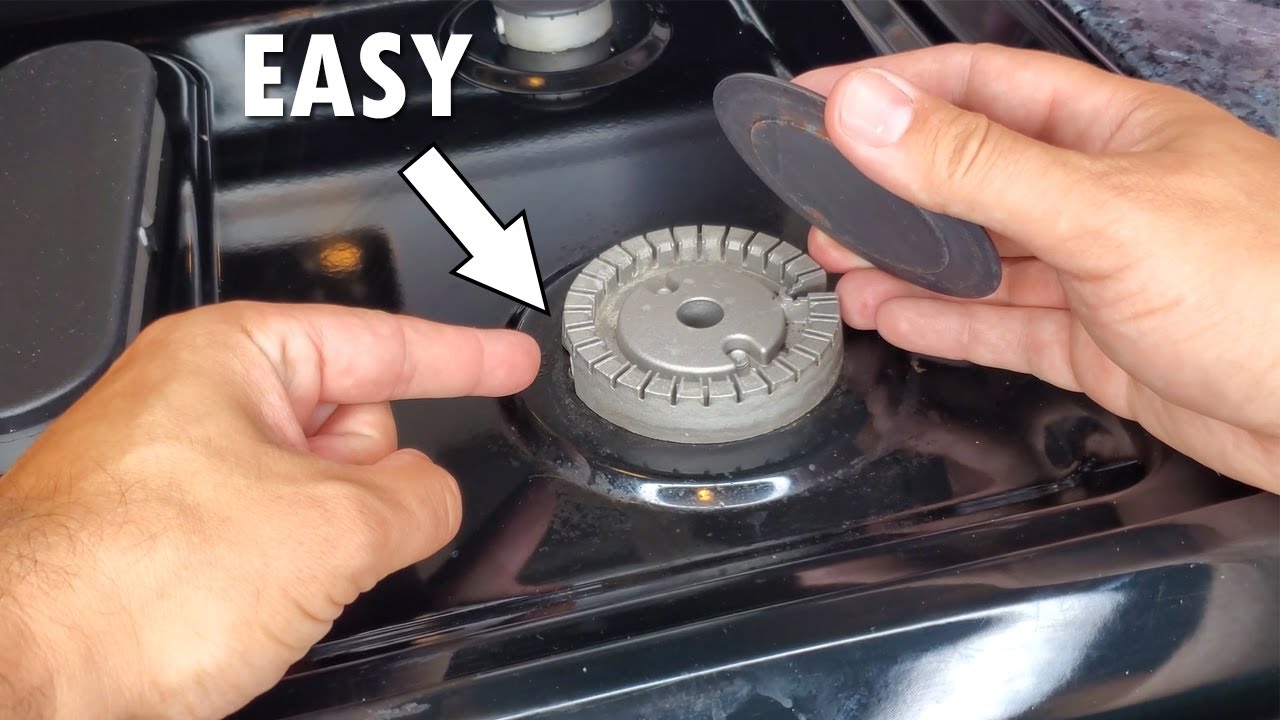
- Locate the Pilot Orifice: The pilot orifice is a small opening located near the pilot light assembly. Refer to your stove's manual for the exact location if you're unsure.
- Use a Thin Wire: Carefully use a thin wire, such as a sewing needle or a piece of thin copper wire, to gently clear any debris from the orifice. Avoid using anything too thick or sharp, as you could damage the orifice. Specialty pilot light cleaning tools are available at most hardware stores.
- Compressed Air (Optional): After using the wire, you can use a can of compressed air to blow out any remaining debris.
- Reassemble and Test: Reassemble the pilot light assembly (if you disassembled anything) and turn the gas supply back on. Try relighting the pilot light.
Important Safety Note: Be extremely careful when working with gas appliances. If you are not comfortable performing this task, contact a qualified gas appliance technician.
Q4: What if cleaning the pilot orifice and checking the thermocouple doesn't fix the problem?
If you've cleaned the pilot orifice and checked the thermocouple, and the pilot light still won't stay lit, consider these other possibilities:
- Gas Regulator Issues: A malfunctioning gas regulator can cause low gas pressure, affecting the pilot light. This is best diagnosed and repaired by a qualified technician.
- Gas Line Obstruction: There could be a blockage in the gas line leading to your stove. Again, a professional should handle this.
- Faulty Gas Valve: Although less common, the gas valve itself could be faulty. This requires specialized knowledge and tools to diagnose and repair.
- Environmental Factors: Check for strong drafts near the stove. If drafts are the problem, try shielding the pilot light area.
- Pilot Light Assembly Damage: Inspect the pilot light assembly for any cracks, damage, or corrosion. If damaged, it may need to be replaced.
- Spiders or Insects: Very small spiders or insects can build nests inside of the pilot light tube, causing a blockage.
Q5: Can I replace the thermocouple myself?
Yes, replacing the thermocouple is a task that some homeowners can handle, but it's crucial to follow safety precautions and have some basic mechanical skills. Here's a general overview:
- Turn Off the Gas: As always, the first step is to turn off the gas supply to the stove.
- Locate the Thermocouple: The thermocouple is a thin metal rod that sits directly in the pilot light flame. It's usually held in place by a bracket or clip.
- Disconnect the Old Thermocouple: Carefully disconnect the thermocouple from the gas valve. This usually involves loosening a small nut or screw.
- Install the New Thermocouple: Connect the new thermocouple to the gas valve and secure it in place. Make sure the tip of the thermocouple is positioned correctly in the pilot light flame.
- Test the New Thermocouple: Turn the gas supply back on and try relighting the pilot light. Hold the control knob in for the required time to allow the thermocouple to heat up. If the pilot light stays lit after you release the knob, the new thermocouple is working correctly.
Important Safety Note: Ensure you purchase the correct replacement thermocouple for your specific stove model. Always refer to your stove's manual for detailed instructions. If you are unsure about any part of the process, it's best to call a qualified technician.
Q6: When should I call a professional to fix my gas stove pilot light?
It's always best to err on the side of caution when dealing with gas appliances. Here are some situations where you should definitely call a qualified gas appliance technician:
- You smell gas: If you smell gas at any time, turn off the gas supply immediately and call your gas company or a qualified technician.
- You are uncomfortable working with gas: If you feel unsure or uncomfortable about performing any of the troubleshooting steps, it's best to leave it to a professional.
- You've tried basic troubleshooting steps and the pilot light still won't stay lit: If you've cleaned the pilot orifice, checked the thermocouple, and the problem persists, there may be a more serious issue that requires professional attention.
- You suspect a gas leak: If you suspect a gas leak, do not attempt to repair it yourself. Call your gas company or a qualified technician immediately.
- You notice any damaged or corroded components: If you see any signs of damage or corrosion on the gas valve, regulator, or other components, it's best to have them inspected and repaired by a professional.
- If you are unsure about the correct procedure: If you're unsure about any part of the repair process, it's always best to consult with a professional.
- If your stove is old or has not been serviced in a long time: Older stoves may have more complex issues that require specialized knowledge and tools to diagnose and repair.
Q7: Are there any safety precautions I should take when working on my gas stove?
Absolutely! Safety is paramount when working with gas appliances. Here are some essential precautions to follow:
- Turn off the gas supply: Always turn off the gas supply to the stove before starting any repairs.
- Ventilate the area: Open windows and doors to provide adequate ventilation.
- Never use an open flame to check for gas leaks: Use a soapy water solution instead. Apply the solution to gas connections and look for bubbles, which indicate a leak.
- Use appropriate tools: Use the correct tools for the job to avoid damaging components.
- Follow the manufacturer's instructions: Always refer to your stove's manual for specific instructions and warnings.
- Don't smoke or use open flames: Avoid smoking or using open flames near the stove while working on it.
- Have a fire extinguisher nearby: Keep a fire extinguisher readily available in case of an emergency.
- If in doubt, call a professional: If you are unsure about any aspect of the repair process, it's always best to consult with a qualified technician.
Disclaimer: This information is for general guidance only and should not be considered a substitute for professional advice. Always consult with a qualified gas appliance technician for any repairs or maintenance on your gas stove.