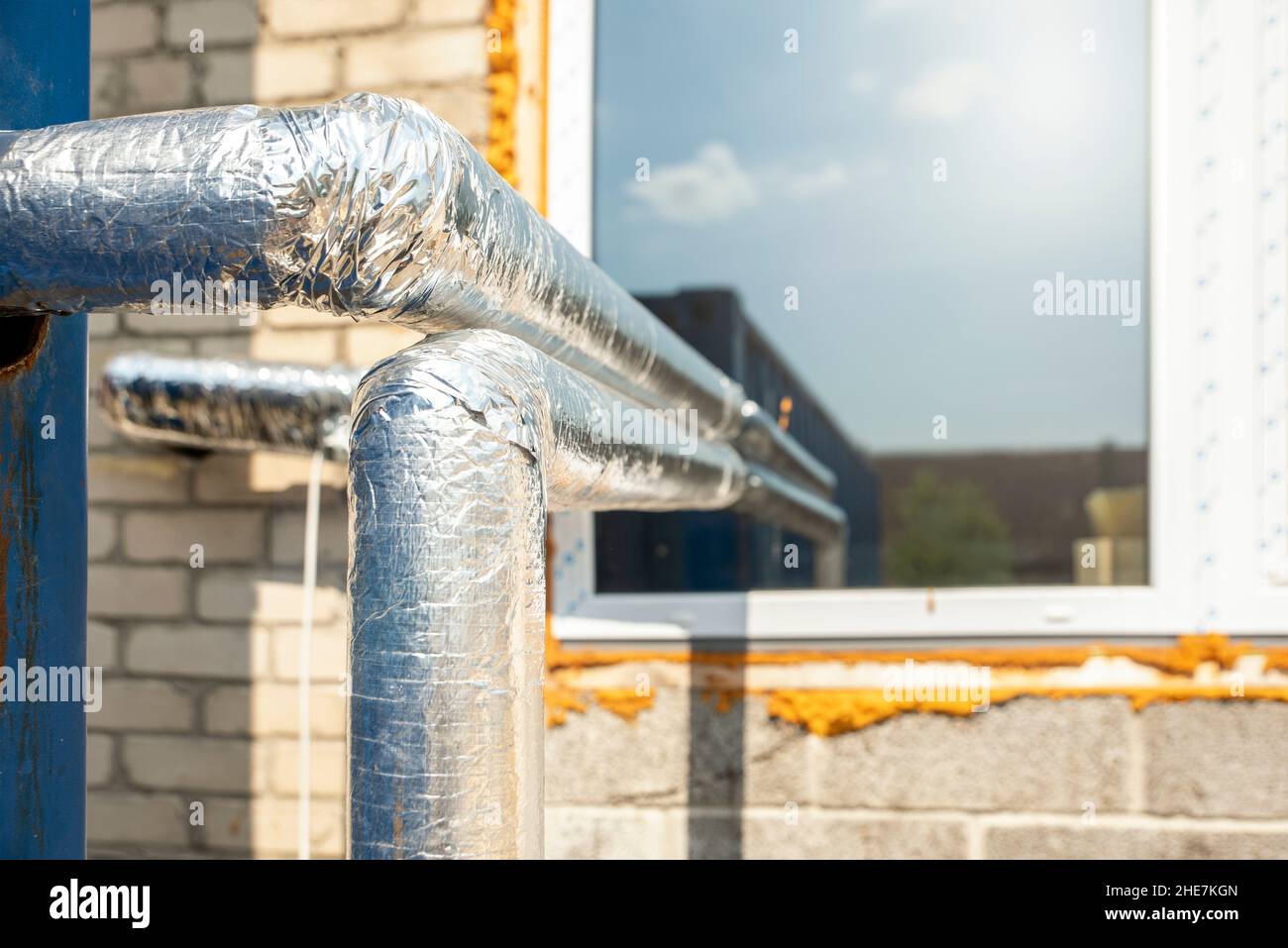
Pipe Insulation For Hot Water Pipes

Hot water pipes, integral to both residential and commercial HVAC systems, are the unsung heroes of comfort and efficiency. They quietly circulate heated water to radiators, baseboard heaters, radiant floor systems, and even domestic hot water taps. However, without proper pipe insulation, these pipes can become significant sources of energy loss, driving up utility bills and diminishing system performance. This article delves into the world of pipe insulation for hot water systems, covering everything from the different types of insulation available to installation best practices, cost considerations, and long-term benefits.
Why Insulate Hot Water Pipes?
The primary reason to insulate hot water pipes is to minimize heat loss. As hot water travels through uninsulated pipes, it radiates heat into the surrounding environment, whether it's a basement, crawl space, or even within interior walls. This lost heat is essentially wasted energy, as your boiler or water heater has to work harder to maintain the desired water temperature. Think of it like leaving a door open on a cold day – the furnace has to run longer to compensate for the escaping heat.
The benefits of insulation extend beyond mere energy savings. Insulated pipes contribute to:
- Improved System Efficiency: By reducing heat loss, the boiler or water heater operates more efficiently, consuming less fuel (gas, oil, or electricity) to achieve the same level of heating.
- Reduced Energy Bills: Lower fuel consumption directly translates to lower monthly energy bills. The savings can be substantial, especially in older homes with extensive runs of uninsulated piping.
- Faster Hot Water Delivery: Insulated pipes help maintain water temperature, ensuring hot water arrives at faucets and showers faster. This reduces water waste as you no longer have to wait as long for the water to heat up.
- Prevention of Pipe Freezing: In colder climates, insulation provides a critical layer of protection against freezing pipes, which can lead to costly repairs and water damage.
- Condensation Control: In humid environments, uninsulated cold water pipes can sweat, leading to mold and mildew growth. While this article focuses on hot water pipes, insulation can also help prevent condensation on cold water lines.
Types of Pipe Insulation
A variety of insulation materials are available for hot water pipes, each with its own characteristics, R-value (resistance to heat flow), and cost. Here's an overview of the most common types:
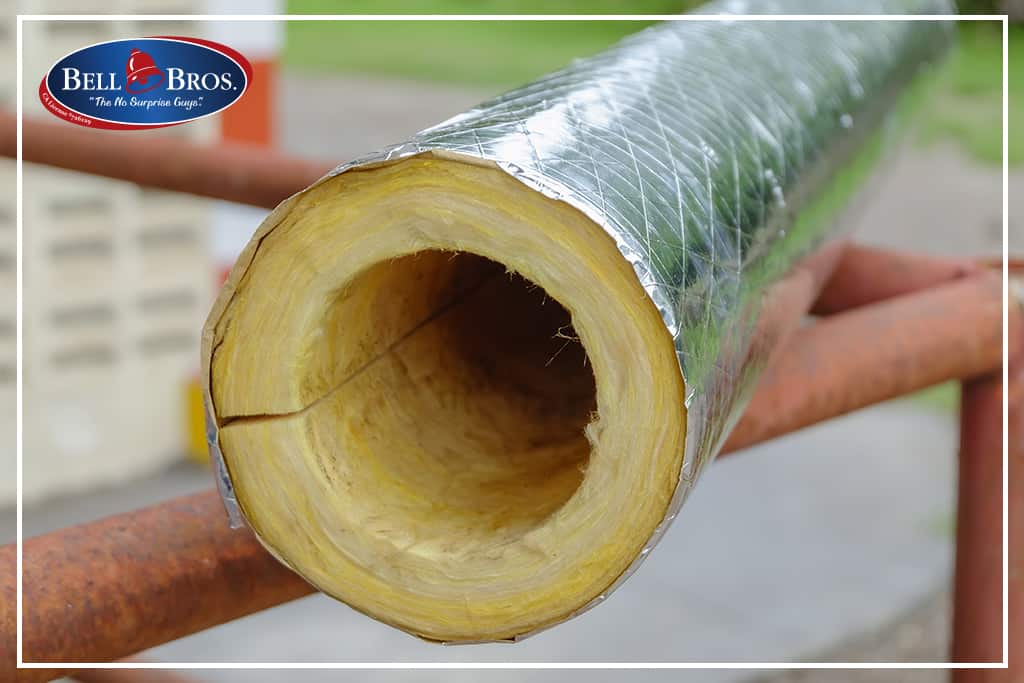
Fiberglass
Fiberglass insulation is a widely used and cost-effective option. It's typically available in rolls or pre-formed sections designed to fit standard pipe sizes. Fiberglass offers good thermal performance and is relatively easy to install, but it can be irritating to the skin and respiratory system, requiring proper safety precautions during handling. When installing, ensure you are using gloves, long sleeves, eye protection, and a mask to reduce irritation.
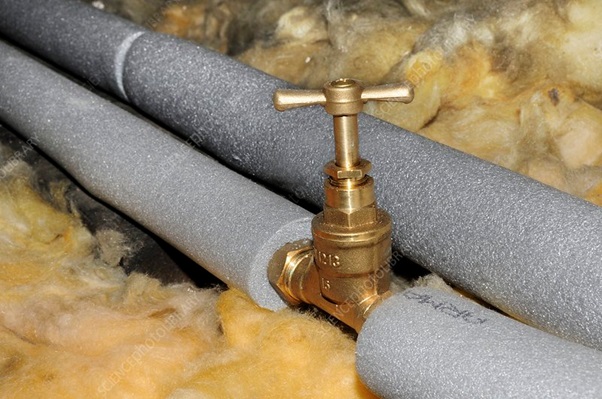
Foam Pipe Insulation
Foam pipe insulation, typically made from polyethylene or neoprene, is another popular choice. It's available in slit tubes with adhesive edges for easy installation. Foam insulation offers good thermal performance, is resistant to moisture, and is less irritating to handle than fiberglass. Closed-cell foam has a higher R-value than open-cell foam and is more effective at preventing moisture absorption. This option is typically less expensive than fiberglass.
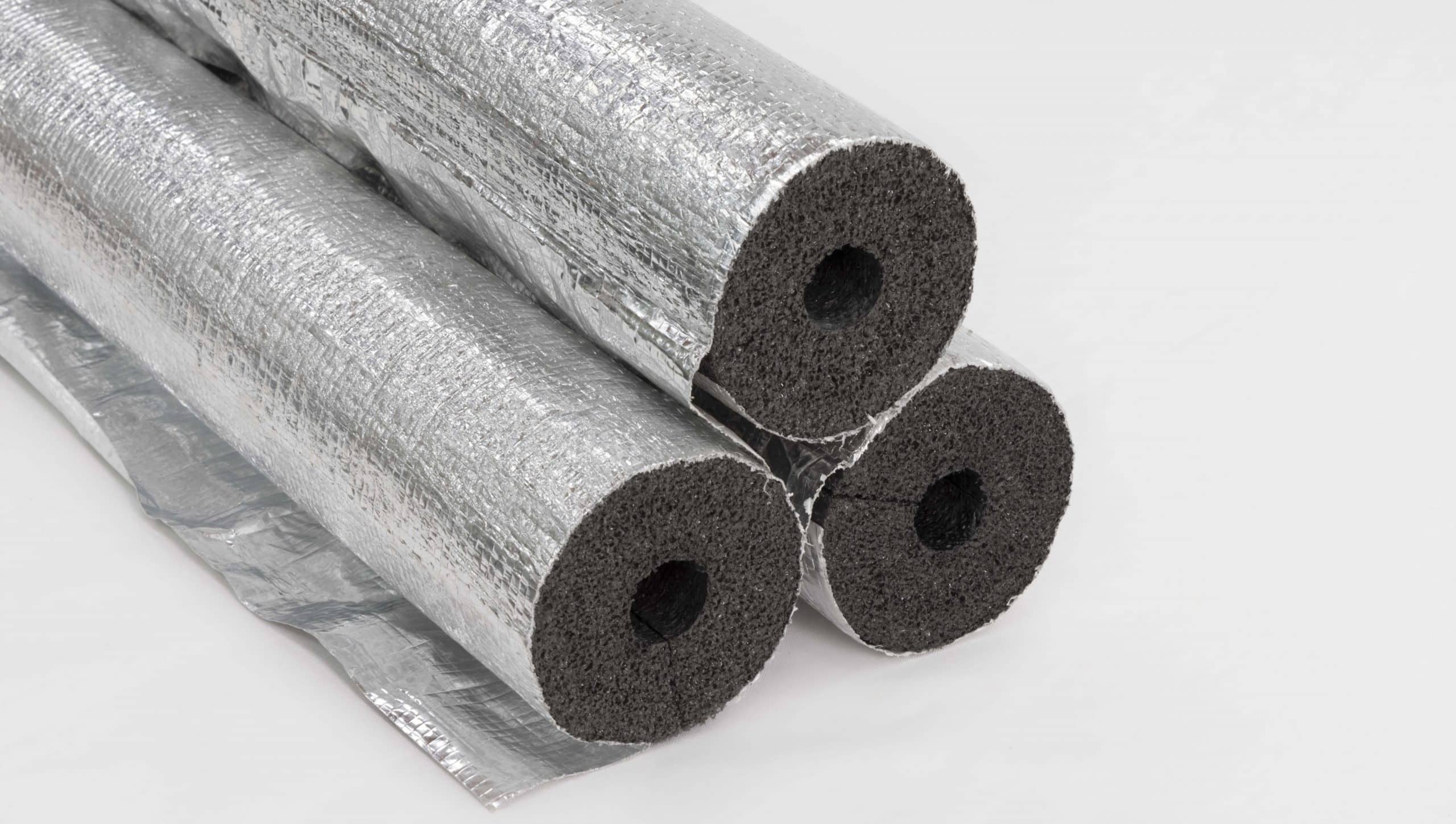
Rubber Pipe Insulation
Rubber pipe insulation, often made from elastomeric materials, offers excellent thermal performance and moisture resistance. It's flexible, durable, and easy to install. Rubber insulation is particularly well-suited for applications where condensation is a concern. It is often self-sealing, and requires much less effort in installation. It tends to be more expensive than foam or fiberglass. It is commonly used in commercial and industrial projects.
Mineral Wool
Mineral wool, also known as rock wool or slag wool, is a high-performance insulation material made from recycled materials. It offers excellent thermal and acoustic properties, is fire-resistant, and is relatively easy to install. Mineral wool is a good choice for demanding applications where both thermal and fire protection are required. It's becoming more prevalent in residential applications due to its eco-friendliness.
Insulation Jackets
For valves, flanges, and other irregular fittings that are difficult to insulate with traditional materials, insulation jackets provide a custom-fit solution. These jackets are typically made from fiberglass or mineral wool and are designed to be easily installed and removed for maintenance. They represent a significant cost increase over standard pipe insulation but prevent heat loss from areas that otherwise would be uninsulated. This is especially useful in commercial applications with a high number of connections.
Choosing the Right Insulation
Selecting the appropriate pipe insulation depends on several factors, including:
- Pipe Size: Insulation is available in various sizes to fit different pipe diameters. Ensure you select the correct size for a snug fit.
- Operating Temperature: Consider the maximum temperature of the hot water flowing through the pipes. Choose insulation that is rated for the appropriate temperature range.
- Environmental Conditions: If the pipes are located in a damp or humid environment, opt for insulation with good moisture resistance.
- Budget: Insulation costs vary depending on the material and thickness. Balance performance with budget considerations.
- R-Value: The higher the R-value, the better the insulation's ability to resist heat flow. Local building codes may specify minimum R-values for pipe insulation. Energy.gov recommends specific R-values based on pipe diameter and operating temperature.
Installation Tips
Proper installation is crucial to maximizing the effectiveness of pipe insulation. Here are some key tips:
- Clean the Pipes: Before installing insulation, clean the pipes to remove any dirt, grease, or debris.
- Measure and Cut: Accurately measure the length of pipe to be insulated and cut the insulation to size.
- Seal the Seams: Use appropriate tape or adhesive to seal the seams of the insulation and prevent air infiltration.
- Insulate Fittings: Don't neglect to insulate valves, elbows, and other fittings. Use pre-formed fitting covers or wrap them with insulation material.
- Secure the Insulation: Use straps, clamps, or wire to secure the insulation in place.
- Follow Manufacturer's Instructions: Always follow the manufacturer's instructions for installation.
For complex installations or if you're not comfortable working with insulation, consider hiring a qualified HVAC technician.
Cost and ROI
The cost of pipe insulation varies depending on the type of material, thickness, and length of pipe being insulated. However, the initial investment is typically offset by the long-term energy savings. A simple cost analysis can help determine the return on investment (ROI). Consider the cost of materials and installation versus the estimated annual energy savings. In many cases, pipe insulation pays for itself within a few years. For example, insulating 100 feet of 3/4-inch copper pipe can save *approximately $100-$200 per year*, depending on fuel costs and usage patterns. This is just an example and costs will vary.
Maintenance
Once installed, pipe insulation requires minimal maintenance. Periodically inspect the insulation for damage or deterioration. Repair any tears or gaps to maintain its effectiveness. If the insulation becomes wet, dry it thoroughly to prevent mold growth.
Conclusion
Insulating hot water pipes is a simple yet effective way to improve HVAC system efficiency, reduce energy bills, and enhance overall comfort. By understanding the different types of insulation available, following proper installation techniques, and performing routine maintenance, homeowners, HVAC technicians, and facility managers can reap the numerous benefits of this often-overlooked energy-saving measure. From reducing wasted energy to preventing frozen pipes, pipe insulation is an investment that pays dividends in the long run. Consider consulting with an HVAC professional to determine the best insulation solution for your specific needs and maximize your energy savings.
Remember: a well-insulated system is an efficient system.


:max_bytes(150000):strip_icc()/water-pipe-insulation-2718695-04-d37538307aa04a73958c6cb2e90b9d5c.jpg)