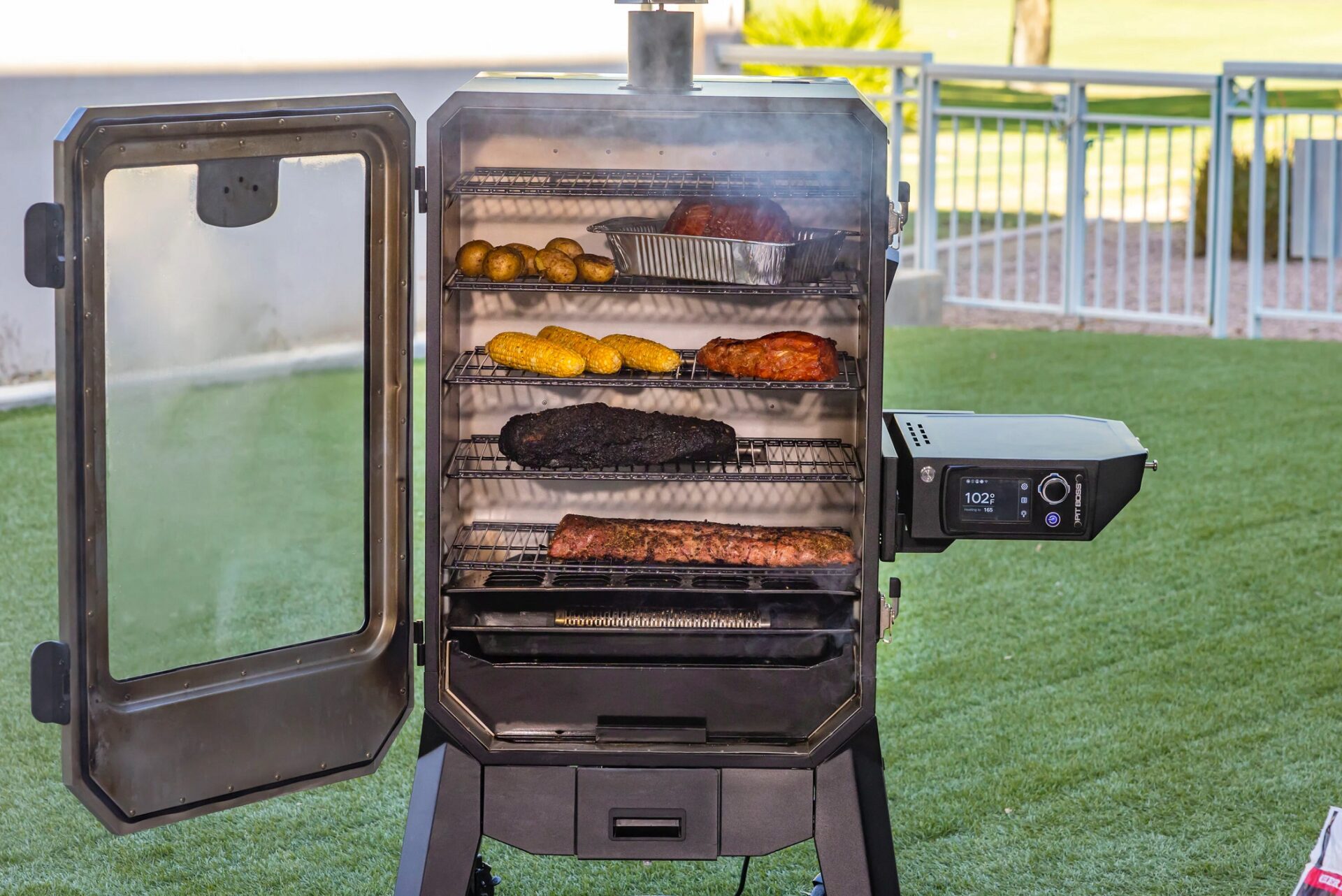
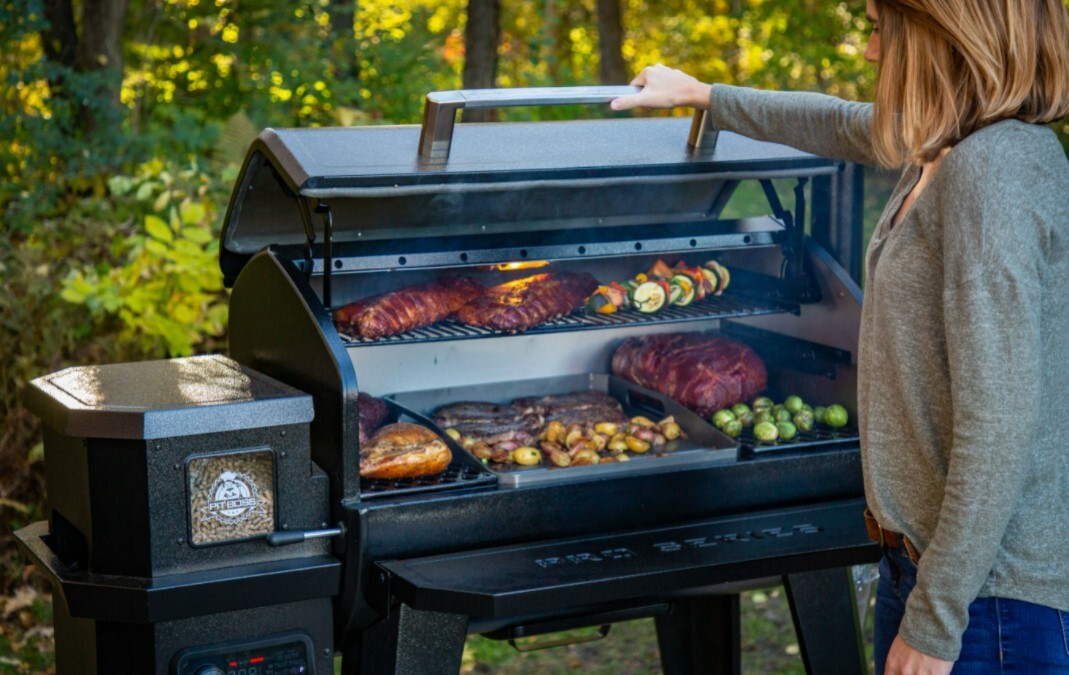
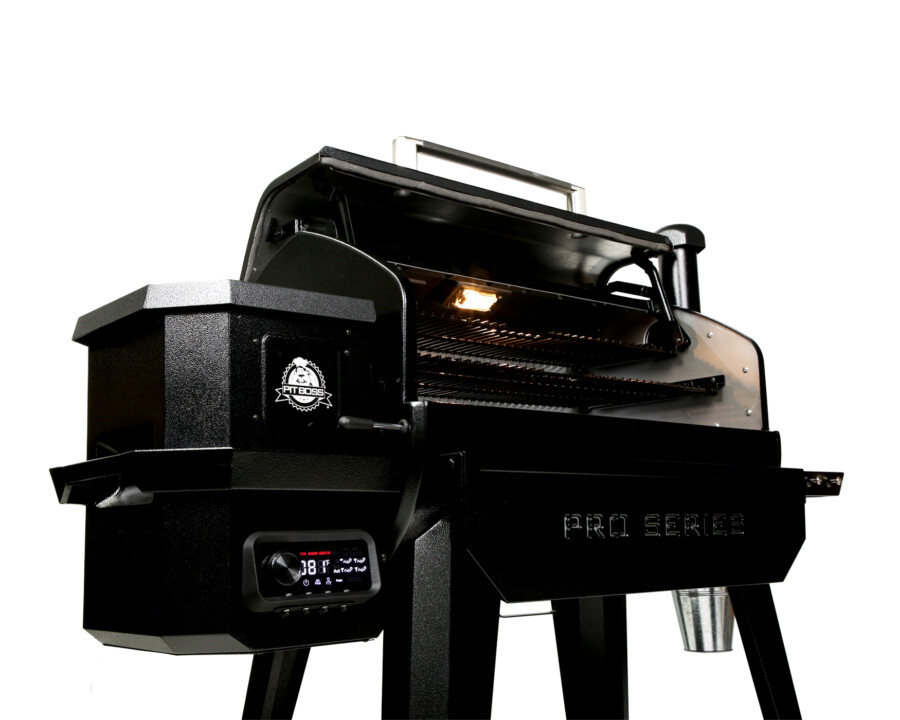
Pit Boss Electric Smoker Pro Series
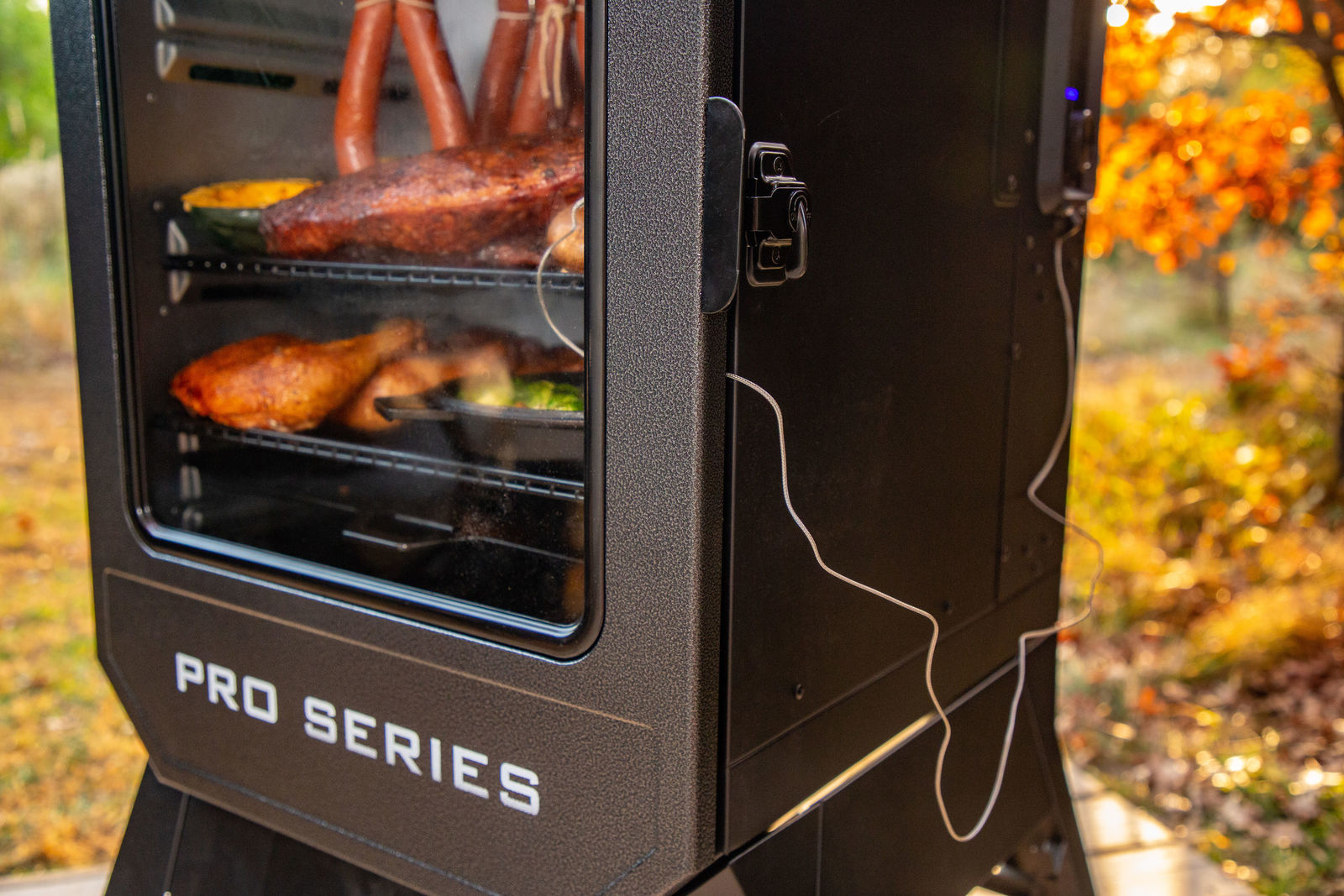
Imagine this: You've prepped the perfect brisket, seasoned it to perfection, and are ready for a weekend of slow-smoked goodness in your Pit Boss Electric Smoker Pro Series. But, alas, when you turn it on... nothing. No power, no heat, just a disheartening silence. Before you resign yourself to ordering takeout, let's walk through some common troubleshooting steps you can take to diagnose and potentially fix the problem yourself. Remember, safety always comes first!
Understanding the Basics
Before diving in, let's understand some key components of your Pit Boss Electric Smoker:
- Power Cord and Outlet: This is the lifeline, ensuring the smoker receives electricity.
- Control Panel: Allows you to set the temperature and timer.
- Heating Element: Responsible for generating the heat to cook your food.
- Temperature Sensor (RTD Probe): Monitors the internal temperature of the smoker.
- Auger (if applicable): Feeds wood pellets into the fire pot (though less common in electric models).
- Fire Pot/Burn Pot: Where the wood pellets (or, in some models, wood chips) are ignited (mostly on pellet-fueled units). In electric smokers, this is where the heating element directly heats the wood.
Troubleshooting: No Power
If your Pit Boss smoker won't turn on at all, start with these steps:
Step 1: Power Source Check
This might seem obvious, but it's the most common culprit! Don't skip it.
- Check the Outlet: Plug another appliance into the same outlet to verify it's working. If the other appliance doesn't work, the problem is with the outlet, not the smoker. Try a different outlet.
- Inspect the Power Cord: Look for any visible damage to the power cord, such as cuts, fraying, or exposed wires. Do not use the smoker if the cord is damaged; replace it immediately or contact a qualified electrician.
- Check the Circuit Breaker: Locate your home's circuit breaker panel and check the breaker that controls the outlet you're using. If the breaker has tripped (flipped to the "off" position), reset it by flipping it all the way to the "off" position and then back to the "on" position.
- GFCI Outlet: If you're using a GFCI (Ground Fault Circuit Interrupter) outlet, make sure it hasn't tripped. GFCI outlets have a "test" and "reset" button. Press the "reset" button.
Safety First: Always unplug the smoker before inspecting the power cord or working near electrical outlets.
Step 2: Control Panel Check
Sometimes, the issue isn't a complete lack of power, but rather a problem with the control panel.
- Ensure the Smoker is Properly Assembled: Some smokers have safety switches that prevent operation if parts are not correctly assembled. Double-check that all components are securely in place.
- Check the Display: If the display is dimly lit or flickering, it could indicate a low voltage issue or a faulty display. Try resetting the smoker by unplugging it for a few minutes and then plugging it back in.
- Control Panel Buttons: Try pressing each button on the control panel to see if any of them respond. If some buttons work and others don't, the control panel itself may be faulty.
When to Call a Pro: If you suspect a faulty control panel, it's generally best to contact Pit Boss customer support or a qualified appliance repair technician. Replacing a control panel can be complex and requires specialized knowledge.
Troubleshooting: Smoker Turns On, But No Heat
If the smoker powers on, the display lights up, but it's not generating any heat, here's what to investigate:
Step 1: Heating Element Inspection
The heating element is the heart of your electric smoker. If it's not working, you won't get any heat.
- Visual Inspection: Carefully inspect the heating element for any signs of damage, such as cracks, breaks, or burn marks. Do not touch the heating element while it's plugged in or shortly after it's been used, as it will be extremely hot.
- Continuity Test (Advanced): If you're comfortable using a multimeter, you can test the heating element for continuity. Important: Unplug the smoker completely before performing this test. Set your multimeter to the ohms setting (resistance). Place one probe on each terminal of the heating element. If the multimeter reads zero or very close to zero ohms, the heating element is likely good. If it reads infinite resistance (OL or 1 on the display), the heating element is likely faulty and needs to be replaced.
Safety First: Disconnect the power before inspecting or testing the heating element. Electricity can be dangerous.
Step 2: Temperature Sensor (RTD Probe)
The temperature sensor tells the control panel how hot the smoker is. If it's faulty, the control panel might not activate the heating element.
- Location: Find the temperature sensor (RTD probe) inside the smoker. It's usually a small metal rod.
- Visual Inspection: Check the sensor and its wiring for any damage, such as breaks, cuts, or corrosion.
- Testing the RTD Probe (Advanced): You can test the RTD probe using a multimeter. Important: Unplug the smoker completely before performing this test. You'll need to look up the specific resistance range for your RTD probe at different temperatures using online resources. Remove the RTD probe from the smoker. Place the probe in ice water and then in boiling water. Use the multimeter to read the resistance. If the resistance is very different, or not within the range, the RTD probe is likely faulty and needs to be replaced.
Step 3: Control Panel Settings
Sometimes, the problem is simply incorrect settings.
- Temperature Setting: Double-check that you've set the desired temperature correctly. Make sure it's high enough to trigger the heating element.
- Timer Setting: If your smoker has a timer, ensure it's set to the desired cooking time or turned off completely (for continuous operation).
- Smoke Setting: Some electric smokers have a smoke setting that only operates at low temperatures. Make sure you're not accidentally in smoke mode when you need higher heat.
Troubleshooting: Smoker Gets Too Hot
If your smoker is overheating, it could be a safety hazard and ruin your food.
- Temperature Sensor (RTD Probe): A faulty temperature sensor can cause the smoker to think it's colder than it actually is, leading to overheating. Follow the testing steps outlined above to check the sensor.
- Control Panel Malfunction: In rare cases, a faulty control panel can cause the heating element to run continuously, resulting in overheating. If you suspect this, contact Pit Boss customer support or a qualified appliance repair technician.
- Airflow Issues: Ensure that the vents in your smoker are open and unobstructed. Proper airflow is essential for maintaining a consistent temperature. If the vents are blocked, the smoker can overheat.
Safety First: If your smoker is overheating and you can't quickly identify the cause, immediately turn it off and unplug it. Let it cool down completely before attempting further troubleshooting.
Simple Part Replacements (DIY Friendly)
Some parts of your Pit Boss Electric Smoker are relatively easy to replace yourself. These include:
- Heating Element: Replacement heating elements are readily available online or from appliance parts stores. Make sure to purchase the correct replacement element for your specific model of Pit Boss smoker.
- Temperature Sensor (RTD Probe): Replacement temperature sensors are also readily available. Again, ensure you get the correct part for your model.
- Power Cord: If the power cord is damaged, you can replace it with a new one of the same type and gauge. Consult with an electrician to ensure you choose the correct replacement cord.
Important: Always disconnect the power before replacing any parts. Follow the manufacturer's instructions for installation. If you're not comfortable performing the replacement yourself, seek professional assistance.
When to Call a Professional
While many issues can be resolved with basic troubleshooting, some repairs are best left to the professionals. Consider contacting Pit Boss customer support or a qualified appliance repair technician if:
- You're uncomfortable working with electricity or gas.
- You suspect a problem with the control panel or internal wiring.
- You've tried the troubleshooting steps above and the smoker still isn't working.
- The repair involves complex parts or specialized tools.
- Your smoker is still under warranty.
Preventative Maintenance
Regular maintenance can help prevent many of these problems from occurring in the first place.
- Clean Your Smoker Regularly: Remove ashes, grease, and food debris after each use.
- Inspect the Heating Element: Periodically check the heating element for any signs of damage.
- Protect Your Smoker: Store your smoker in a dry, covered location when not in use.
- Follow the Manufacturer's Instructions: Always refer to the owner's manual for specific maintenance recommendations.
By following these troubleshooting steps and practicing preventative maintenance, you can keep your Pit Boss Electric Smoker Pro Series running smoothly for years to come. Happy smoking!