Pit Boss Smoker Vent
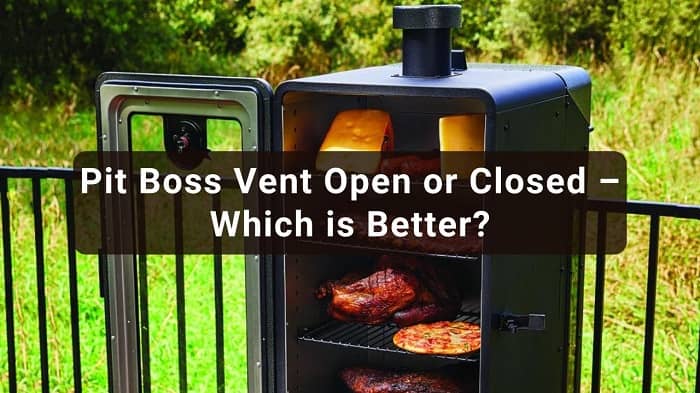
Maintaining a consistent temperature in your Pit Boss smoker is crucial for achieving perfect results, whether you're smoking brisket for a backyard barbecue or catering a large event. But did you know that the smoker vent plays a significant role in energy efficiency, affecting not only your propane or pellet consumption but also the overall environmental impact of your outdoor cooking? This article dives deep into the importance of proper Pit Boss smoker vent management, exploring how it directly impacts energy costs, food quality, and smart home integration.
Understanding the Pit Boss Smoker Vent
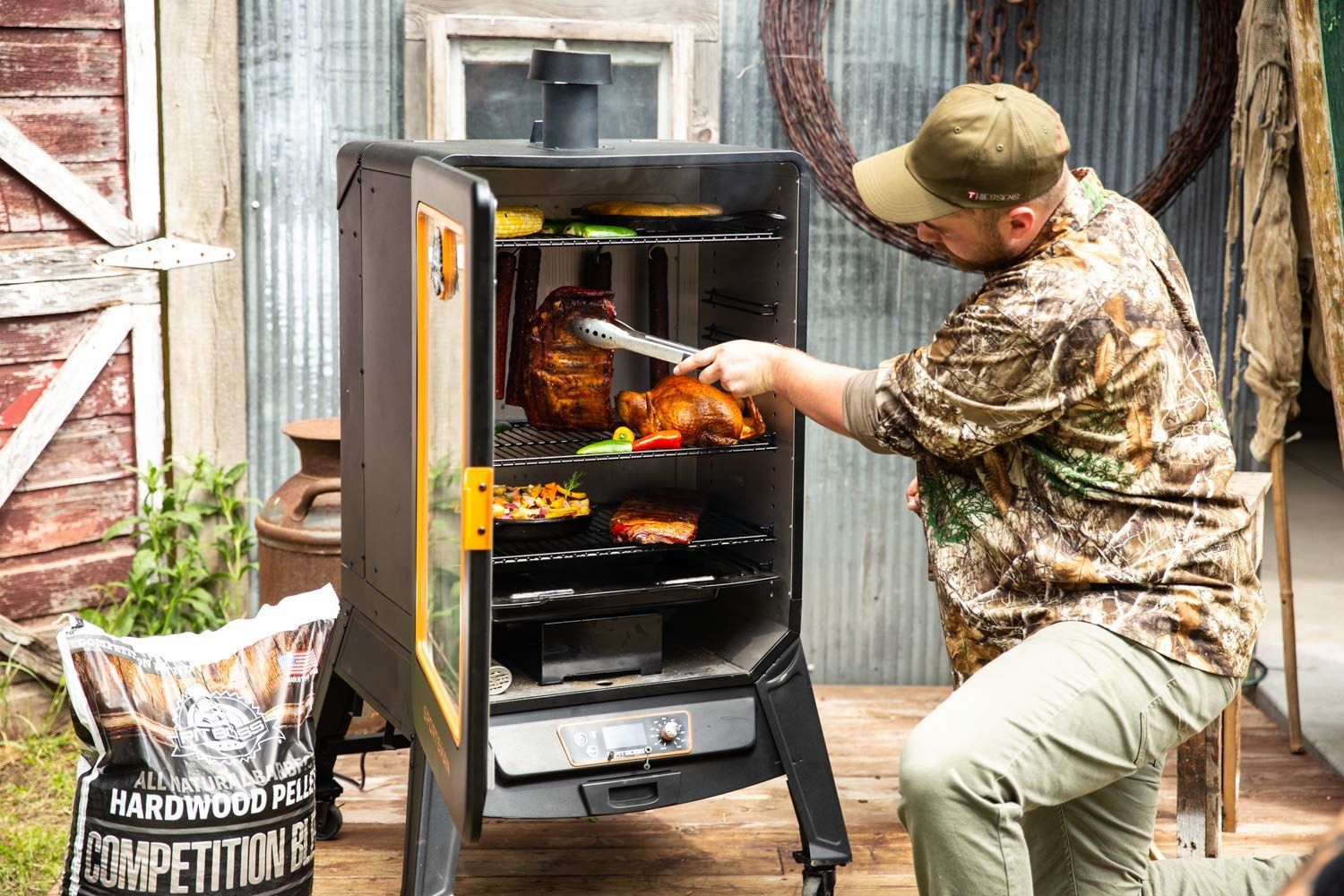
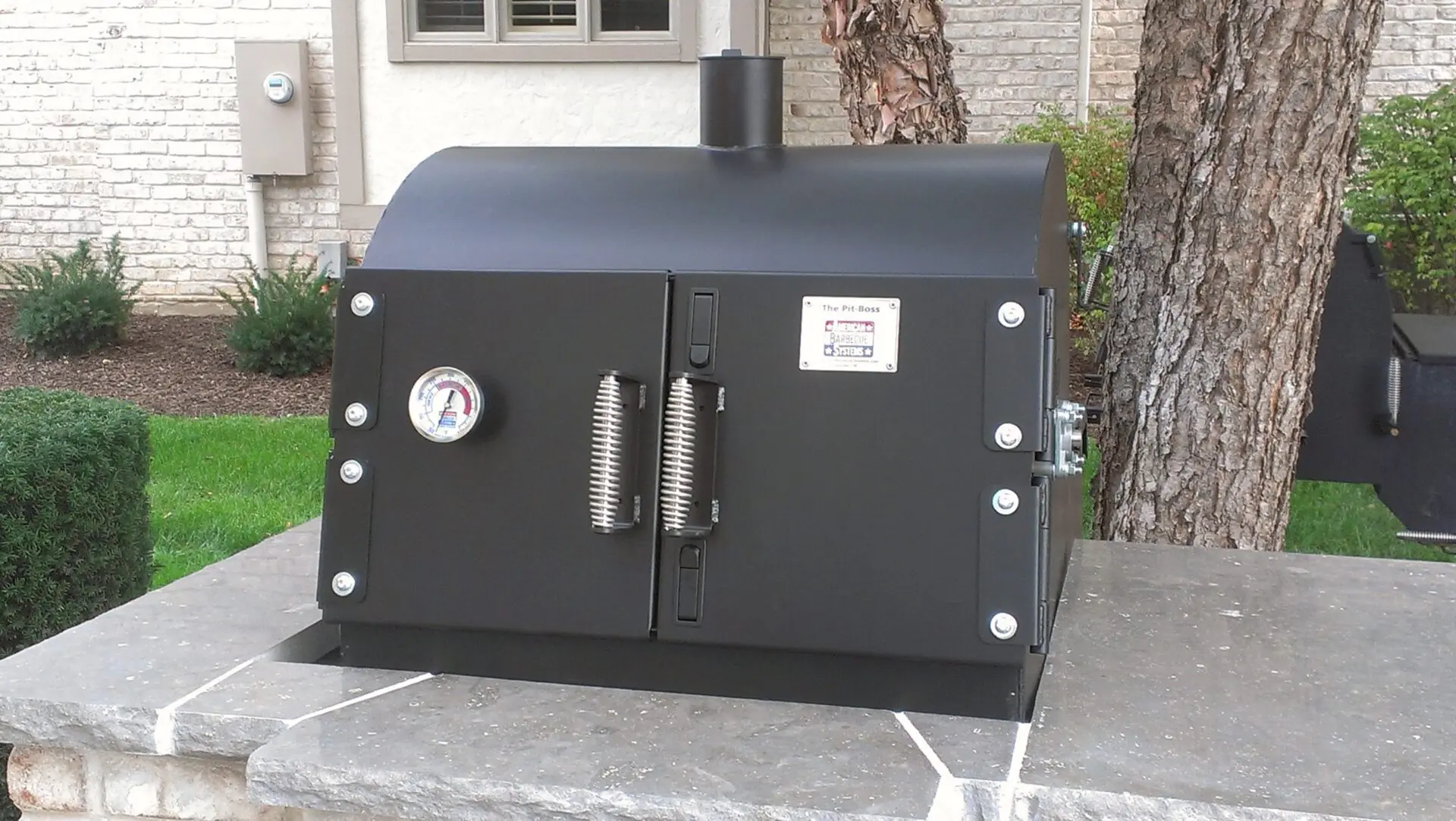
The Pit Boss smoker vent, often located on the chimney or the back of the unit, controls airflow within the smoker. It's a critical component that influences heat retention, smoke circulation, and overall fuel efficiency. When adjusted correctly, the vent allows for optimal combustion, ensuring your pellets or propane burn efficiently and your food cooks evenly. Conversely, an improperly adjusted vent can lead to fuel wastage, temperature fluctuations, and inconsistent cooking, ultimately costing you money and impacting the quality of your meals.
The Science of Airflow: How the Vent Works
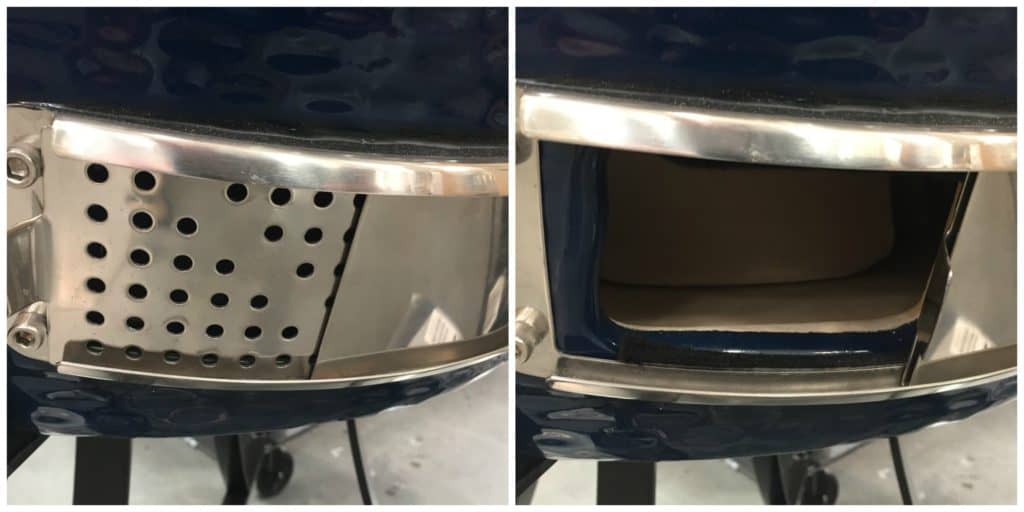
The vent works by managing the convection currents within the smoker. Hot air rises, carrying smoke and moisture with it. The vent allows some of this air to escape, drawing in fresh air from the bottom of the smoker through the intake vents. This creates a continuous cycle of airflow. Closing the vent restricts airflow, leading to higher temperatures and denser smoke. Opening the vent increases airflow, resulting in lower temperatures and less smoke. Achieving the right balance is key for energy efficiency and optimal cooking.
Identifying Vent Types and Their Impact on Efficiency
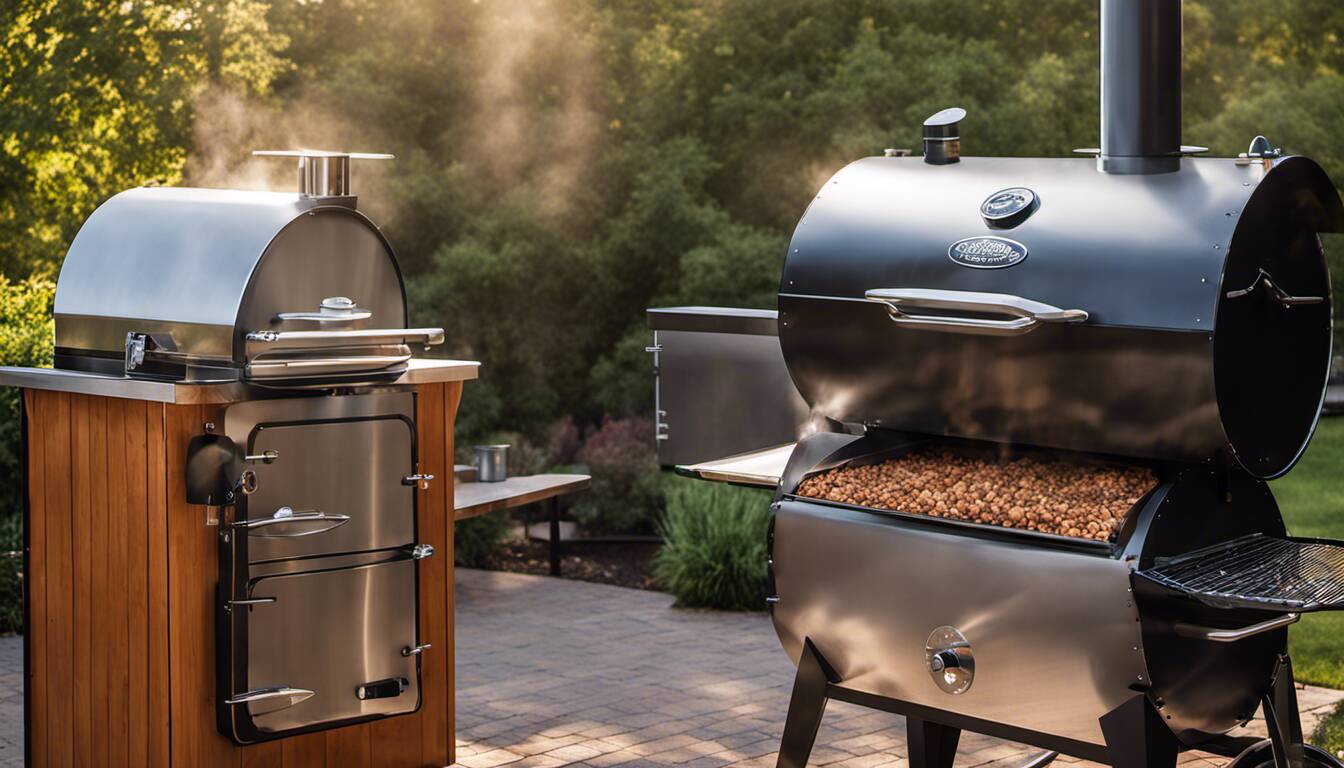
Pit Boss offers various smoker models, each potentially having different vent designs. Some models have adjustable dampers on the chimney, while others use fixed vents in combination with intake adjustments. Understanding the specific vent configuration of your smoker is crucial for maximizing efficiency. Older models may lack precision, leading to inconsistent temperatures and higher fuel consumption. Newer models often incorporate more sophisticated vent designs and temperature control systems, promoting better efficiency. Consider upgrading if your current smoker consistently underperforms.
Energy Efficiency and the Pit Boss Smoker Vent
The connection between your Pit Boss smoker vent and energy efficiency is direct and quantifiable. Proper vent management translates directly into lower fuel consumption, reduced cooking times, and ultimately, lower energy bills. By understanding how to optimize your vent settings, you can save money while improving the quality of your smoked food.
Optimizing Vent Settings for Fuel Savings
The ideal vent setting depends on factors like the type of food being smoked, the ambient temperature, and the desired internal smoker temperature. However, some general guidelines apply:
- Maintaining Consistent Temperature: The biggest energy drain comes from temperature fluctuations. Constantly adjusting the vent to compensate for temperature swings wastes fuel. Invest in a reliable digital thermometer to monitor the internal temperature and make small, incremental vent adjustments.
- Minimizing Vent Openings: Avoid opening the vent more than necessary. Start with a small opening and gradually increase it if needed. Remember that closing the vent too much can lead to a smoky, bitter flavor.
- Insulation is Key: Consider using a welding blanket or commercially available smoker cover to insulate your Pit Boss. This reduces heat loss, minimizing the need for constant adjustments and saving fuel. Think of it like insulating your home – it prevents energy from escaping.
- Wind Protection: Shield your smoker from the wind. Wind can significantly impact internal temperature, forcing the smoker to work harder and consume more fuel.
Data from independent testing shows that properly insulated smokers can reduce pellet consumption by as much as 30% compared to uninsulated models. This translates into significant cost savings over the lifespan of the smoker.
Quantifying Energy Savings: A Practical Example
Let's say you use your Pit Boss smoker for 10 hours per week, consuming an average of 2 lbs of pellets per hour with improperly adjusted vents. With a price of $20 per 20 lb bag of pellets, your weekly cost is $20. Now, imagine you optimize your vent settings and insulate your smoker, reducing pellet consumption to 1.5 lbs per hour. Your weekly cost drops to $15, saving you $5 per week, $260 per year. Over five years, that's a savings of $1300. This simple example illustrates the potential for significant cost savings through proper vent management and insulation.
Energy Star Equivalents and Government Rebates
While Energy Star doesn't directly certify smokers, the principles of energy efficiency remain the same. Look for smokers with features like insulated fireboxes, precise temperature control, and efficient pellet feed systems. These features contribute to lower energy consumption and may qualify for local or state rebates related to energy-efficient outdoor cooking appliances. Check with your local utility company and government agencies for available rebates and incentives. Some states offer rebates for energy-efficient appliances, even if they aren't specifically Energy Star certified. Researching these programs can further reduce the upfront cost of upgrading to a more efficient smoker.
Smart Home Integration and Your Pit Boss Smoker
Modern Pit Boss smokers are increasingly incorporating smart technology, allowing for seamless integration with your smart home ecosystem. This connectivity not only enhances convenience but also unlocks new possibilities for energy efficiency and precise temperature control.
Smart Thermostats and Sensors: Precision Control at Your Fingertips
Many newer Pit Boss smoker models feature built-in Wi-Fi connectivity, allowing you to control and monitor your smoker remotely via a smartphone app. These apps often include features like:
- Remote Temperature Monitoring: Track the internal smoker temperature and food temperature from anywhere.
- Temperature Alerts: Receive notifications when the smoker reaches a specific temperature or when the food is done.
- Remote Vent Control: Adjust the vent settings remotely to maintain the desired temperature.
- Automated Cooking Programs: Use pre-programmed cooking profiles for different types of food.
Integrating your smoker with a smart thermostat can further enhance energy efficiency. The smart thermostat can learn your cooking patterns and automatically adjust the vent settings to maintain the desired temperature, minimizing fuel consumption and preventing temperature fluctuations.
The ROI of Smart Smoker Technology
While smart smokers may have a higher upfront cost, the long-term ROI can be significant. The precision temperature control and remote monitoring capabilities reduce fuel consumption, minimize food waste, and save you time and effort. Furthermore, the convenience of smart home integration can make smoking easier and more enjoyable, encouraging you to use your smoker more often and explore new recipes.
HVAC Contractors and Energy-Efficient Smoker Solutions
HVAC contractors may seem like an unlikely source of information on Pit Boss smokers. However, their expertise in airflow management, insulation, and temperature control can be invaluable for optimizing smoker efficiency. Contractors can offer advice on:
- Insulating Your Smoker: Recommending and installing custom insulation solutions to minimize heat loss.
- Airflow Optimization: Analyzing your smoker's airflow and suggesting modifications to improve efficiency.
- Smart Home Integration: Integrating your smoker with your existing smart home system.
Offering Smoker Optimization Services
Savvy HVAC contractors can expand their services by offering smoker optimization consultations. This could include:
- Energy Audits: Assessing the current energy efficiency of a smoker and identifying areas for improvement.
- Vent Calibration: Ensuring the vent is properly calibrated for optimal airflow.
- Smart Home Integration: Integrating the smoker with smart thermostats and other smart home devices.
By offering these services, HVAC contractors can tap into a new market and provide valuable expertise to homeowners and businesses looking to save money and reduce their environmental impact.
Conclusion: Embrace Efficiency, Enhance Your Smoking Experience
The Pit Boss smoker vent is a small but mighty component that plays a crucial role in energy efficiency, food quality, and overall smoking experience. By understanding how the vent works and optimizing your settings, you can save money, reduce your environmental impact, and consistently produce perfectly smoked food. Whether you're a homeowner, a business owner, or a smart home enthusiast, embracing energy-efficient smoker practices is a win-win for your wallet and the planet. And for HVAC contractors, understanding smoker efficiency presents a unique opportunity to expand service offerings and cater to a growing market of eco-conscious consumers. Remember to always consult your Pit Boss owner's manual for specific vent instructions related to your model.