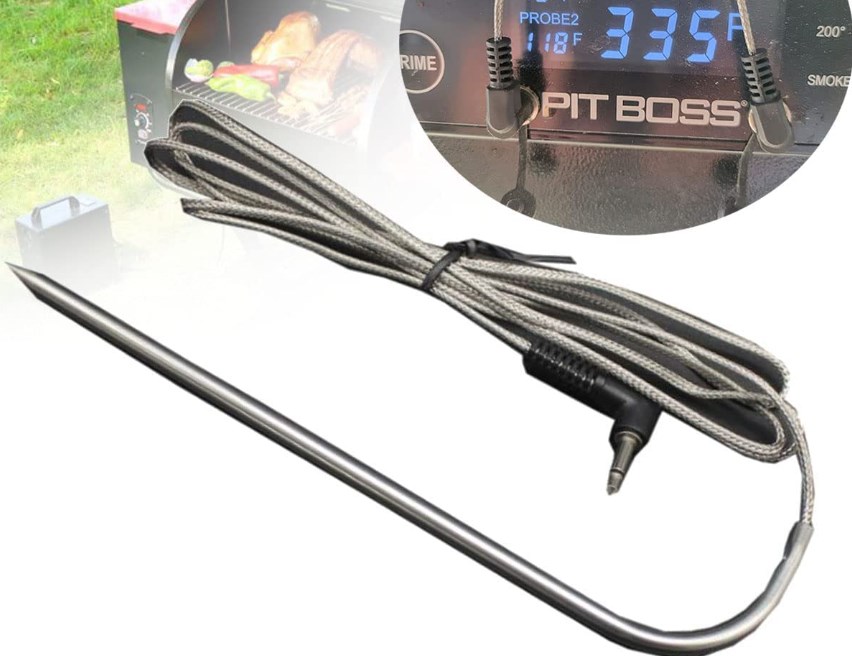
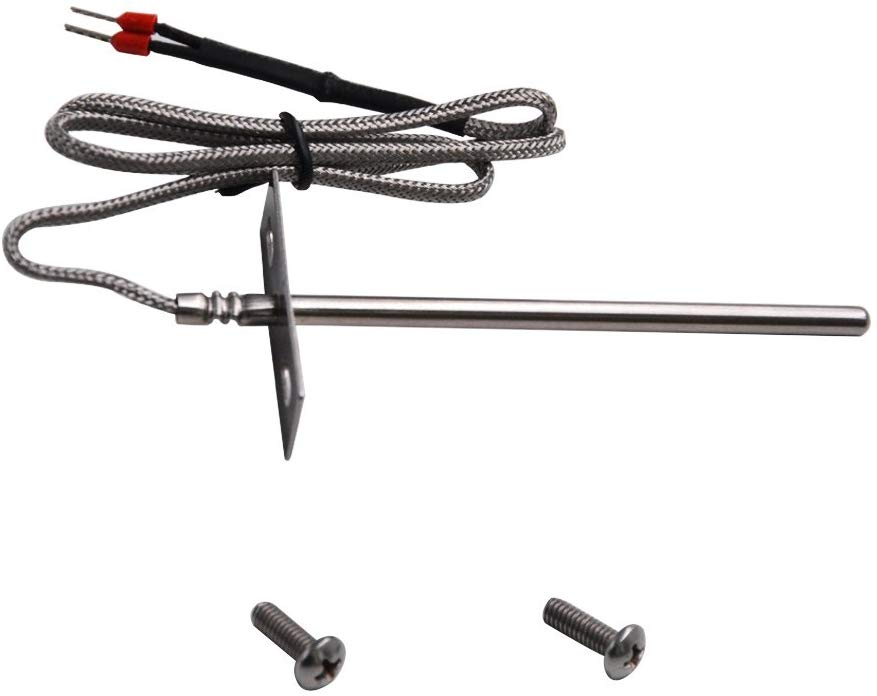
Pit Boss Temp Sensor

The Unsung Hero of Your Pit Boss Grill: A Deep Dive into Temp Sensors
While Pit Boss is renowned for its robust smokers and grills, often overlooked is the crucial component ensuring perfect cooking: the temperature sensor. This seemingly small part plays a monumental role in maintaining consistent temperatures, delivering that signature smoky flavor, and preventing over or undercooked meals. Understanding the Pit Boss temp sensor – its function, potential problems, and how to maintain it – is essential for any Pit Boss owner.
Why the Temp Sensor Matters
The temperature sensor, also known as a thermocouple or RTD (Resistance Temperature Detector) in some models, is the grill's nervous system. It constantly monitors the internal temperature and relays this information to the control board. The control board then adjusts the fuel feed (typically wood pellets) to maintain the set temperature. Without a properly functioning sensor, the grill could overheat, fluctuate wildly, or fail to reach the desired temperature. This can lead to uneven cooking, wasted fuel, and ultimately, a disappointing grilling experience.
Understanding Different Types of Pit Boss Temp Sensors
Pit Boss employs various types of temperature sensors across its product line. While the core function remains the same, the technology and construction may differ slightly. Generally, you'll encounter:
- Thermocouples: These are the most common type. They generate a small voltage proportional to the temperature difference between two dissimilar metals. They're durable and relatively inexpensive.
- RTDs (Resistance Temperature Detectors): These sensors measure temperature based on the change in electrical resistance of a metal (usually platinum). RTDs offer higher accuracy and stability than thermocouples but are typically more expensive.
Refer to your specific Pit Boss model's manual to identify the exact type of sensor used. This information is crucial when troubleshooting or replacing the sensor.
Common Issues with Pit Boss Temp Sensors
Like any electronic component exposed to heat and the elements, Pit Boss temp sensors are susceptible to failure. Here are some common problems:
- Corrosion: Exposure to moisture and grease can corrode the sensor's wiring or the sensor itself, leading to inaccurate readings or complete failure.
- Physical Damage: Accidental bumps, scrapes, or mishandling can damage the sensor, especially the delicate wiring.
- Wiring Issues: Loose connections, frayed wires, or shorts can disrupt the signal transmission between the sensor and the control board.
- Sensor Drift: Over time, the sensor's accuracy can drift, resulting in inaccurate temperature readings. This is more common in older sensors.
- Grease Buildup: Excess grease and debris can insulate the sensor, affecting its ability to accurately measure the temperature.
Troubleshooting Your Pit Boss Temp Sensor
Before assuming the sensor is faulty, perform some basic troubleshooting steps:
- Clean the Sensor: Use a soft cloth or brush to remove any grease, debris, or buildup from the sensor's surface.
- Inspect the Wiring: Check for loose connections, frayed wires, or signs of corrosion. Ensure the wiring is securely connected to the control board.
- Test the Sensor (Using a Multimeter): This requires some basic electrical knowledge. A multimeter can be used to measure the resistance or voltage output of the sensor. Compare the reading to the specifications in your grill's manual. Consult a qualified technician if you're not comfortable performing this test.
- Check the Control Board: Sometimes, the problem isn't the sensor itself but the control board. Look for signs of damage, such as burnt components or corrosion.
Replacing a Faulty Pit Boss Temp Sensor
If troubleshooting reveals a faulty sensor, replacement is usually the best option. Fortunately, replacing a Pit Boss temp sensor is a relatively straightforward process. Here's a general guide:
- Disconnect the Grill: Always disconnect the grill from the power source before performing any maintenance or repairs.
- Locate the Sensor: The sensor is typically located inside the cooking chamber, near the grill grate.
- Disconnect the Wiring: Carefully disconnect the sensor's wiring from the control board. Take note of the wire connections to ensure correct reconnection.
- Remove the Old Sensor: The sensor is usually held in place by a clip, screw, or bracket. Remove the fastener and carefully extract the old sensor.
- Install the New Sensor: Insert the new sensor into the mounting hole and secure it with the fastener.
- Reconnect the Wiring: Reconnect the sensor's wiring to the control board, ensuring correct polarity and secure connections.
- Test the Grill: Power on the grill and set the temperature. Monitor the temperature display to ensure the new sensor is functioning correctly.
Important: Always use a genuine Pit Boss replacement sensor or a compatible aftermarket sensor. Using an incompatible sensor can damage the control board or result in inaccurate temperature readings.
Maintaining Your Pit Boss Temp Sensor for Longevity
Preventative maintenance is key to extending the lifespan of your Pit Boss temp sensor:
- Regular Cleaning: Clean the sensor regularly to remove grease and debris.
- Protective Measures: Consider using a temperature probe with an external display to minimize wear and tear on the built-in sensor.
- Proper Storage: When not in use, store your Pit Boss grill in a dry, covered location to protect the sensor from the elements.
- Avoid Harsh Chemicals: Do not use harsh chemicals or abrasive cleaners to clean the sensor.
Where to Buy Pit Boss Temp Sensors
You can purchase replacement Pit Boss temp sensors from various sources:
- Pit Boss Official Website: The official website is a reliable source for genuine replacement parts.
- Authorized Pit Boss Dealers: Local hardware stores or grilling retailers that sell Pit Boss products often carry replacement sensors.
- Online Retailers: Amazon, eBay, and other online retailers offer a wide selection of Pit Boss temp sensors. Always verify the seller's reputation and ensure the sensor is compatible with your specific model.
Cost of Pit Boss Temp Sensors
The cost of a Pit Boss temp sensor typically ranges from $15 to $40, depending on the model and where you purchase it. Investing in a high-quality replacement sensor is crucial for ensuring accurate temperature control and prolonging the lifespan of your grill.
Beyond the Sensor: Optimizing Your Pit Boss Cooking Experience
While the temperature sensor is critical, other factors contribute to a successful Pit Boss cooking experience:
- Pellet Quality: Use high-quality wood pellets for optimal smoke flavor and consistent temperature.
- Grill Placement: Position your grill in a sheltered location to minimize the impact of wind and weather on temperature control.
- Regular Cleaning: Clean your grill regularly to prevent grease buildup and ensure proper airflow.
- Consistent Monitoring: Monitor the internal temperature of your food using a reliable meat thermometer.
Final Thoughts: The Pit Boss Temp Sensor – A Small Part with a Big Impact
The Pit Boss temp sensor is a vital component that ensures accurate temperature control and consistent cooking results. By understanding its function, potential problems, and how to maintain it, you can extend its lifespan and enjoy countless delicious meals from your Pit Boss grill. Don't underestimate the importance of this small but mighty part – it's the key to unlocking the full potential of your Pit Boss.