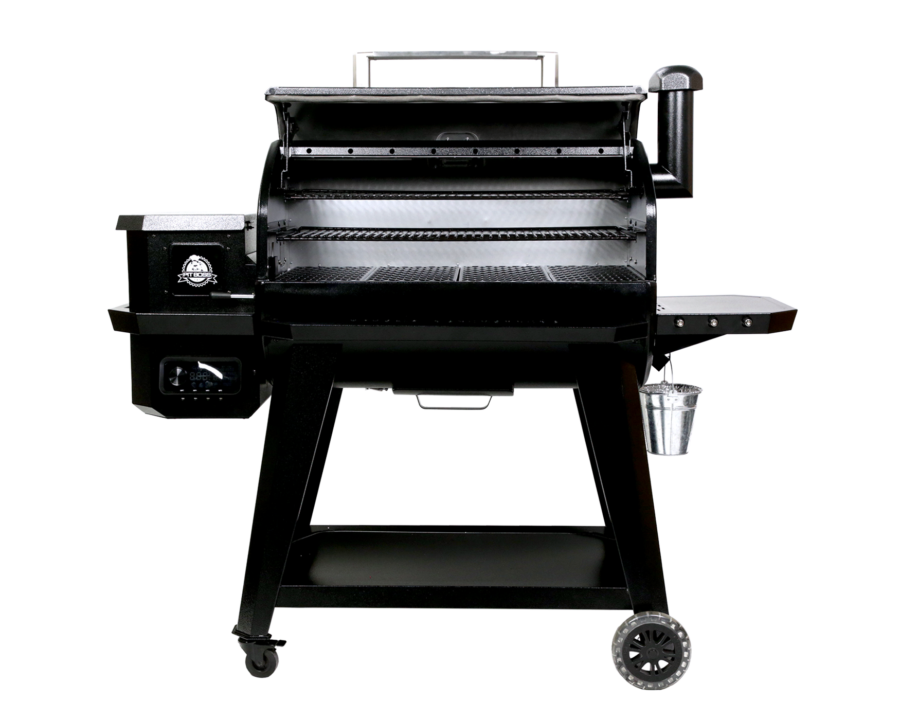
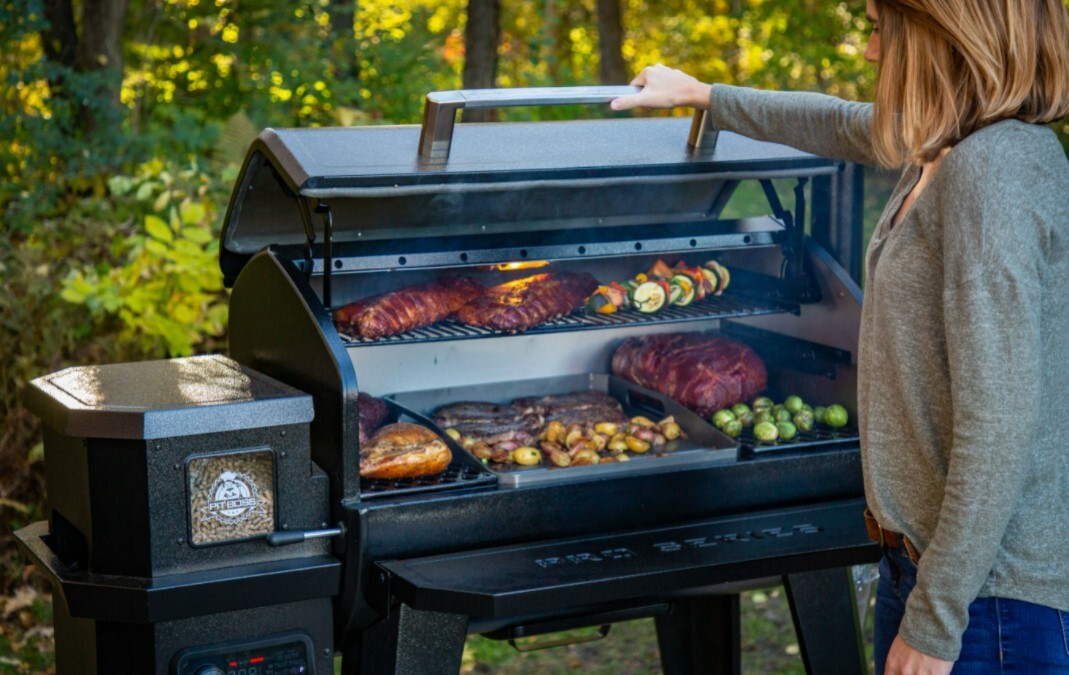
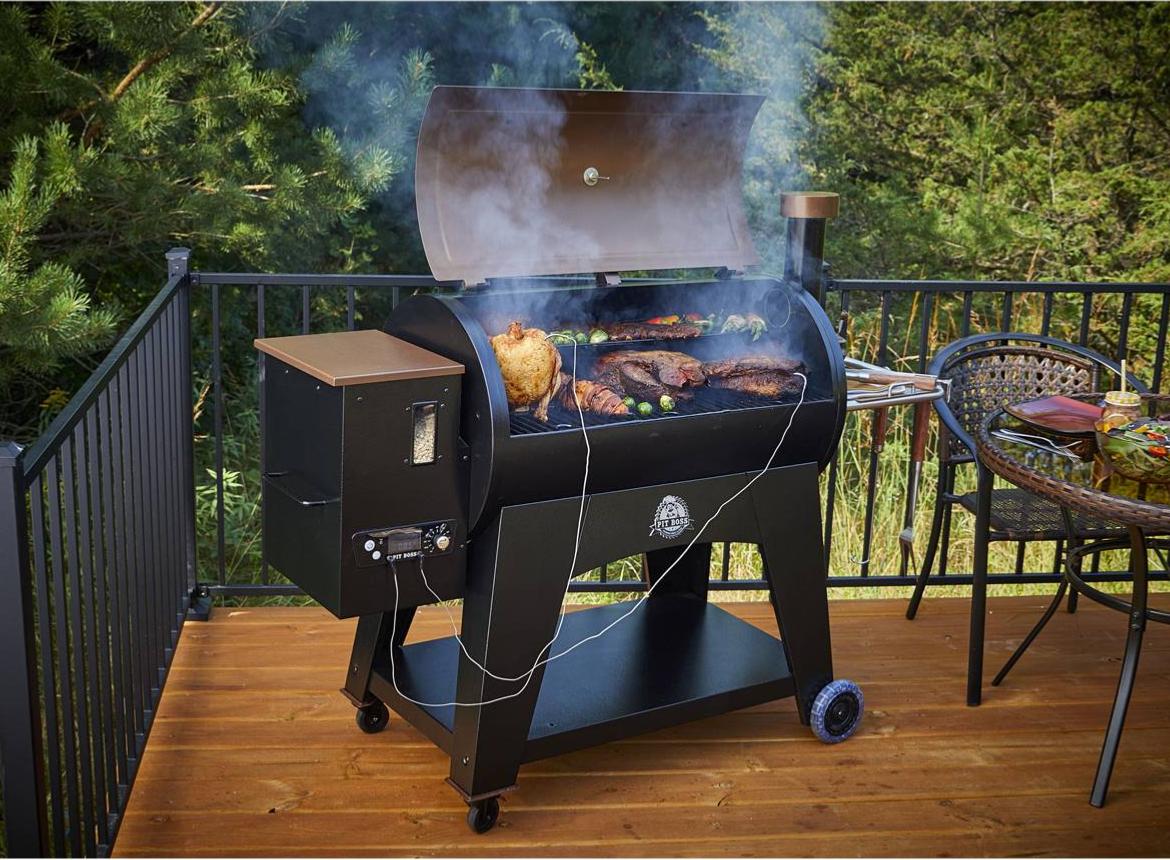
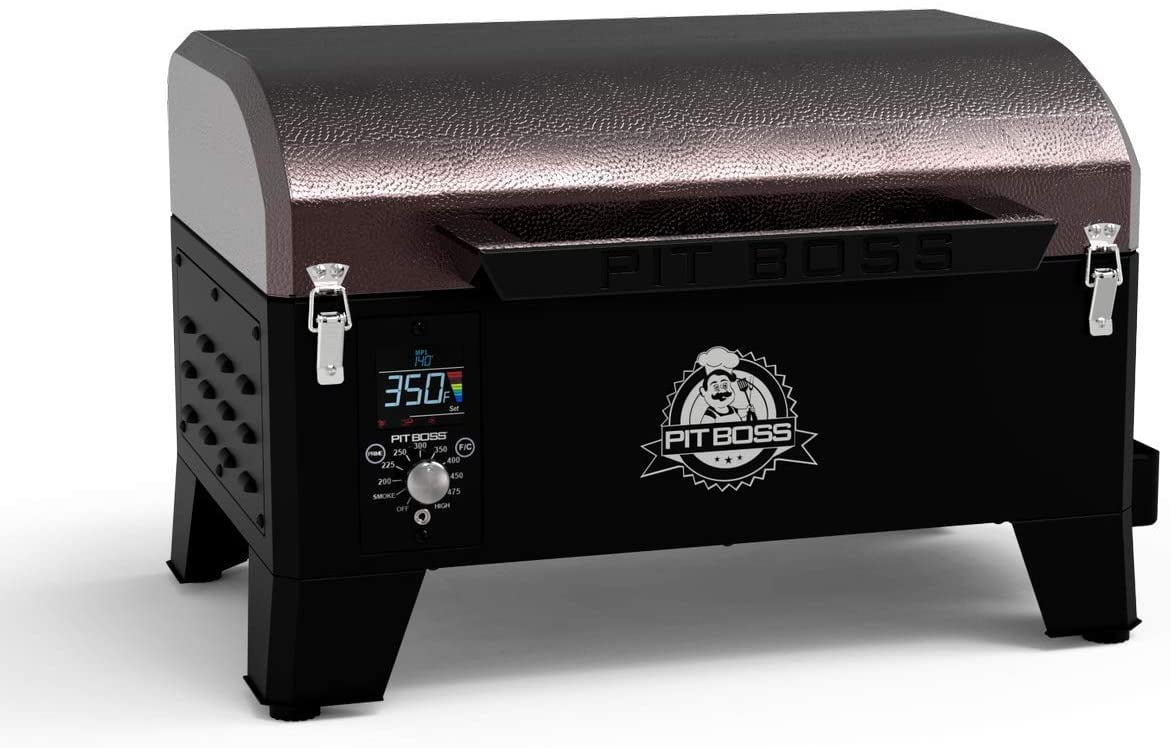
Pit Boss Wood Pellet Grill And Smoker
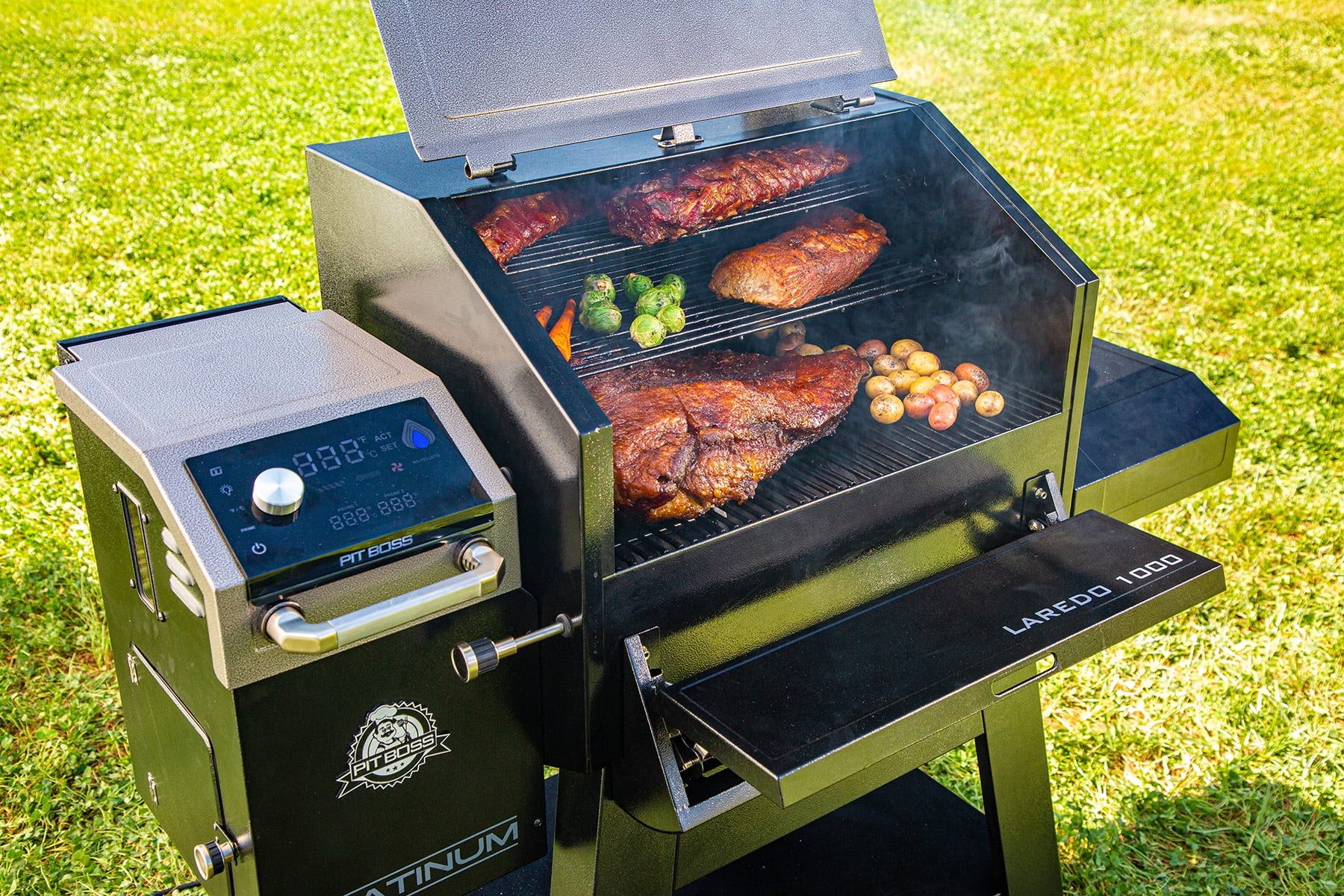
One of the most common frustrations Pit Boss wood pellet grill and smoker owners face is inconsistent temperature – either the grill struggles to reach the set temperature or it wildly fluctuates, dipping too low or soaring too high. This article provides a step-by-step guide to diagnosing and resolving these heating issues, helping you get back to grilling perfection.
Troubleshooting Temperature Problems: A Systematic Approach
We'll break down the troubleshooting process into several manageable stages, starting with the easiest checks and progressing to more involved ones. Remember to always disconnect the grill from the power source before performing any internal inspections.
Stage 1: Initial Checks (No Tools Required)
Before you start dismantling anything, let's rule out the obvious:
- Pellet Level: Is there enough fuel in the hopper? A low pellet level is the most frequent culprit. Even if the hopper isn't completely empty, low levels, especially on angled hoppers, can lead to the auger starving. Visually inspect the hopper. Refill if necessary.
- Pellet Quality: Are your pellets fresh and dry? Old, damp, or low-quality pellets burn inefficiently and can even clog the auger. Pellets should snap cleanly when broken, not crumble. Smell the pellets – a musty or moldy odor indicates they're no good. Replace with fresh, high-quality pellets.
- Cleanliness: Is the grill generally clean? Excessive grease and ash buildup can insulate components and interfere with airflow, affecting temperature control. Focus on the burn pot, grates, and internal walls. A thorough cleaning is almost always beneficial.
- Airflow Obstructions: Check the exhaust vent for any obstructions like leaves, nests, or heavy grease deposits. A blocked vent restricts airflow, causing temperature fluctuations. Visually inspect and clear any obstructions.
- Grease Management: Ensure your grease bucket or drain system is properly installed and not overflowing. Excessive grease can pose a fire hazard and affect temperature regulation. Check and empty if necessary.
- Startup Procedure: Are you following the correct startup procedure as outlined in your Pit Boss owner's manual? Proper priming is essential for igniting the pellets and establishing a stable fire. Review your manual and ensure you're following the recommended steps.
If none of these simple checks resolve the issue, proceed to the next stage.
Stage 2: Intermediate Checks (Basic Tools Required)
This stage requires a few basic tools – a screwdriver (Phillips and flathead), a vacuum cleaner, and possibly a multimeter. Always disconnect the power cord before proceeding.
- Auger Inspection: A jammed auger can prevent pellets from reaching the burn pot.
- Visual Check: After ensuring the grill is cool and disconnected, use a screwdriver to remove the access panel covering the auger motor (refer to your manual for location). Visually inspect the auger for any obvious obstructions like large pieces of wood, debris, or compacted pellets.
- Manual Rotation: Try to manually rotate the auger shaft using pliers or a wrench. If it's seized, there's a significant obstruction.
- Clearing a Jam: If the auger is jammed, carefully try to remove the obstruction. A long screwdriver or pliers can be helpful. You might need to partially disassemble the auger following your owner's manual instructions.
- Vacuuming: Once clear, use a vacuum cleaner to remove any loose debris or pellet dust from the auger tube.
- Burn Pot Inspection and Cleaning: A dirty burn pot hinders ignition and combustion.
- Ash Removal: Ensure the burn pot is completely cool. Use a vacuum cleaner or small shovel to remove all accumulated ash.
- Airflow Holes: Check the airflow holes in the burn pot. These often become clogged with ash and grease. Use a small drill bit or wire to carefully clear any blockages.
- Burn Pot Placement: Ensure the burn pot is properly seated and aligned within the firebox.
- Temperature Sensor (RTD) Inspection: The RTD (Resistance Temperature Detector) is responsible for measuring the grill's internal temperature. A faulty RTD will send inaccurate readings to the controller.
- Visual Inspection: Locate the RTD probe inside the grill (typically near the cooking grate). Visually inspect it for any damage, such as cracks, breaks, or corrosion.
- Wiring Check: Trace the RTD wiring back to the controller. Ensure the connections are secure and there are no frayed or broken wires.
- Testing with a Multimeter (Advanced): If you're comfortable using a multimeter, you can test the RTD's resistance. Consult your Pit Boss owner's manual or search online for the correct resistance values at different temperatures. An incorrect resistance reading indicates a faulty RTD.
- Hot Rod (Igniter) Inspection: The hot rod ignites the pellets. If it's faulty, the grill won't reach temperature.
- Visual Inspection: Locate the hot rod within the burn pot (after ensuring it's cool). Visually inspect it for any signs of damage, such as cracks, burns, or swelling.
- Continuity Test (Advanced): Using a multimeter, test the hot rod for continuity. Disconnect the wires from the hot rod before testing. If there's no continuity, the hot rod is likely burned out and needs replacement. Consult a professional if you're not comfortable working with electrical components.
Stage 3: Advanced Troubleshooting (Professional Help Recommended)
The following checks involve more complex electrical components and should only be attempted by individuals with electrical experience. Improper handling of electrical components can be dangerous. If you're not comfortable, contact a qualified appliance repair technician or HVAC professional.
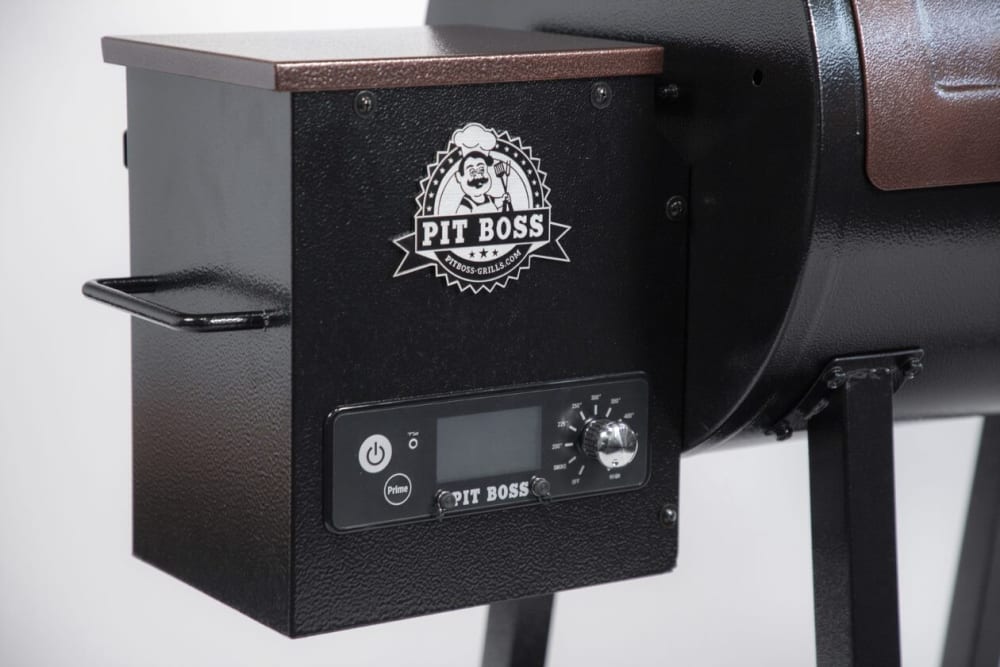
- Controller Malfunction: The controller is the "brain" of the grill, regulating temperature and auger function.
- Symptom: Erratic temperature readings, failure to ignite, auger not feeding pellets, or error codes displayed on the screen.
- Diagnosis: It's very difficult to diagnose a controller malfunction without specialized equipment. You can try resetting the controller by unplugging the grill for several minutes and then plugging it back in. If the problem persists, the controller likely needs replacement, best handled by a professional.
- Auger Motor Failure: If the auger motor isn't functioning, pellets won't be fed into the burn pot.
- Symptom: No auger movement, even when the grill is calling for heat.
- Diagnosis: You can test the voltage to the auger motor using a multimeter while the grill is powered on (exercise extreme caution!). If there's voltage but the motor isn't running, the motor is likely faulty. Replacement is recommended by a professional.
- Wiring Issues: Damaged or loose wiring can cause a variety of problems.
- Symptom: Intermittent temperature fluctuations, error codes, or complete failure to operate.
- Diagnosis: Carefully inspect all wiring connections inside the grill. Look for frayed wires, loose connectors, or signs of corrosion. Repair or replace any damaged wiring. If the wiring is complex or you're unsure, consult a professional.
DIY Actions and When to Call a Pro
Here's a summary of the actions you can confidently take yourself:
- Refilling the pellet hopper with fresh, dry pellets.
- Cleaning the grill thoroughly, including the burn pot, grates, and internal surfaces.
- Clearing airflow obstructions in the exhaust vent and burn pot.
- Ensuring proper grease management.
- Checking and securing wiring connections (basic visual inspection).
- Replacing a visibly damaged RTD probe after verifying the issue with a multimeter (if you're comfortable with electrical testing).
Call a professional when:
- You suspect a controller malfunction.
- You need to replace the auger motor.
- You're uncomfortable working with electrical components or testing voltage.
- The problem persists after performing all the DIY checks.
- You encounter complex wiring issues.
Safety First! Always disconnect the power before working on your grill. Wear appropriate safety gear, such as gloves and eye protection. If you're unsure about any step, err on the side of caution and seek professional assistance.
By following these steps, you can systematically troubleshoot temperature problems with your Pit Boss wood pellet grill and smoker. With a little patience and attention to detail, you'll be back to grilling delicious meals in no time!