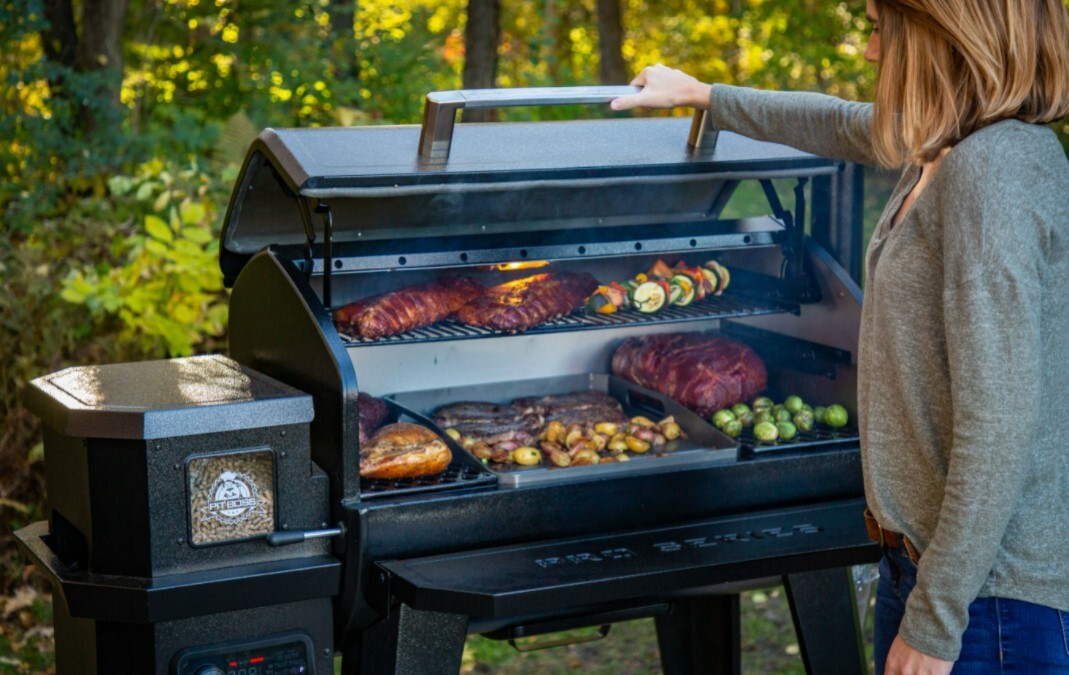
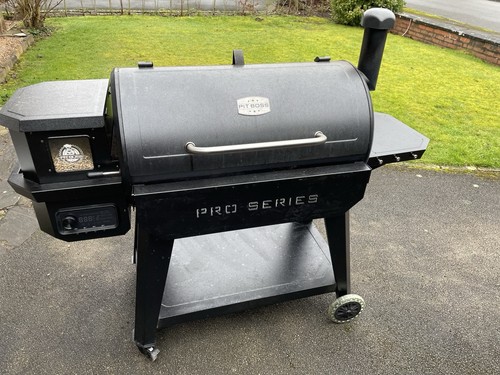
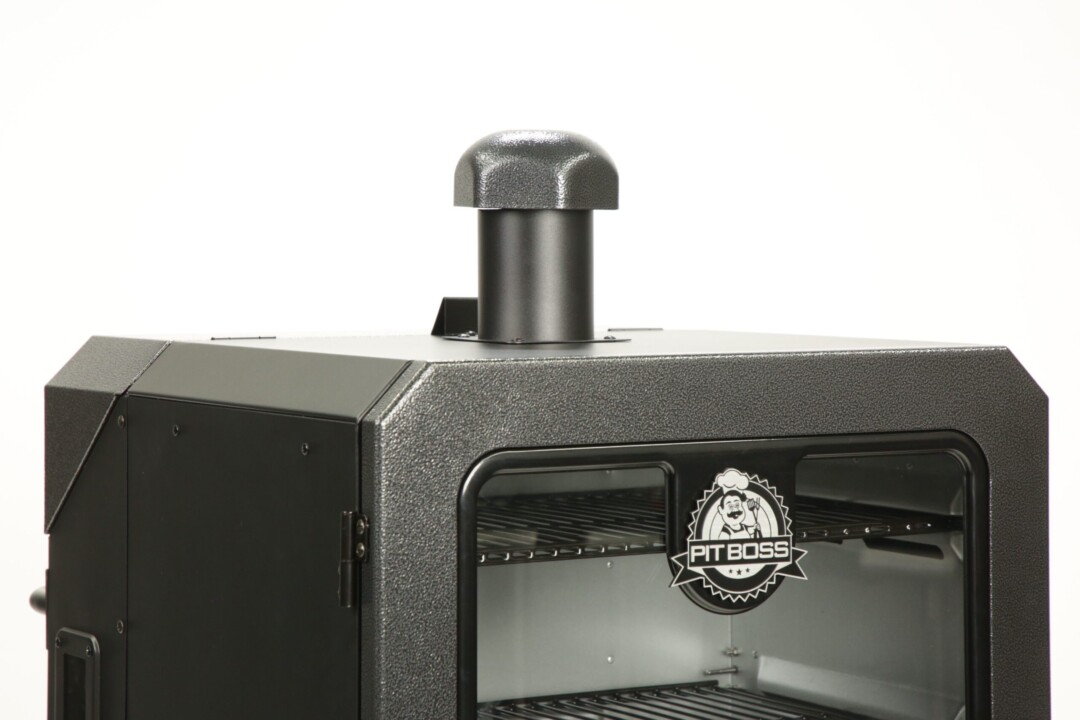
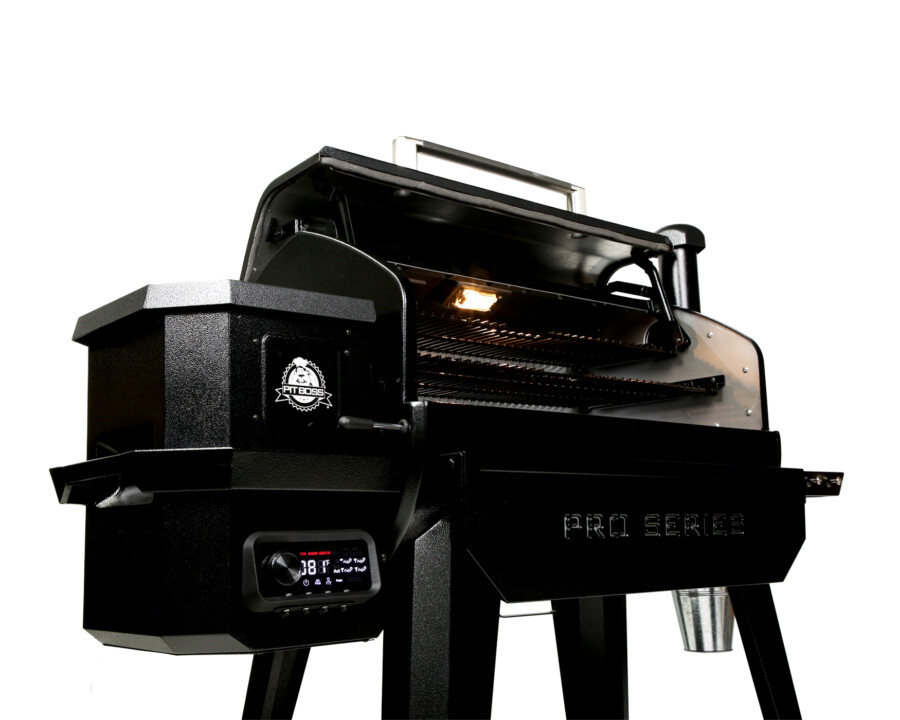
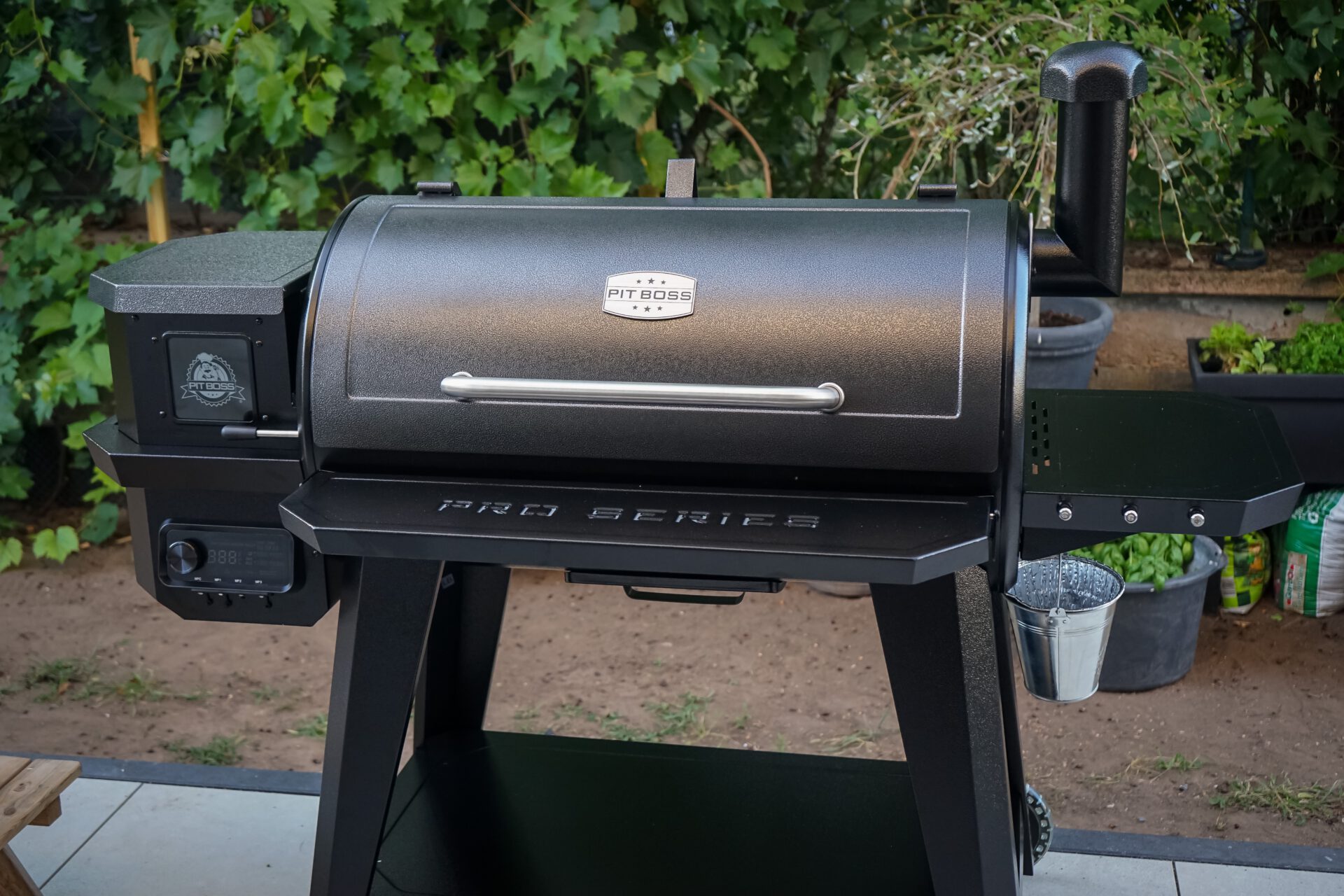
Pitboss Pro Series Smoker
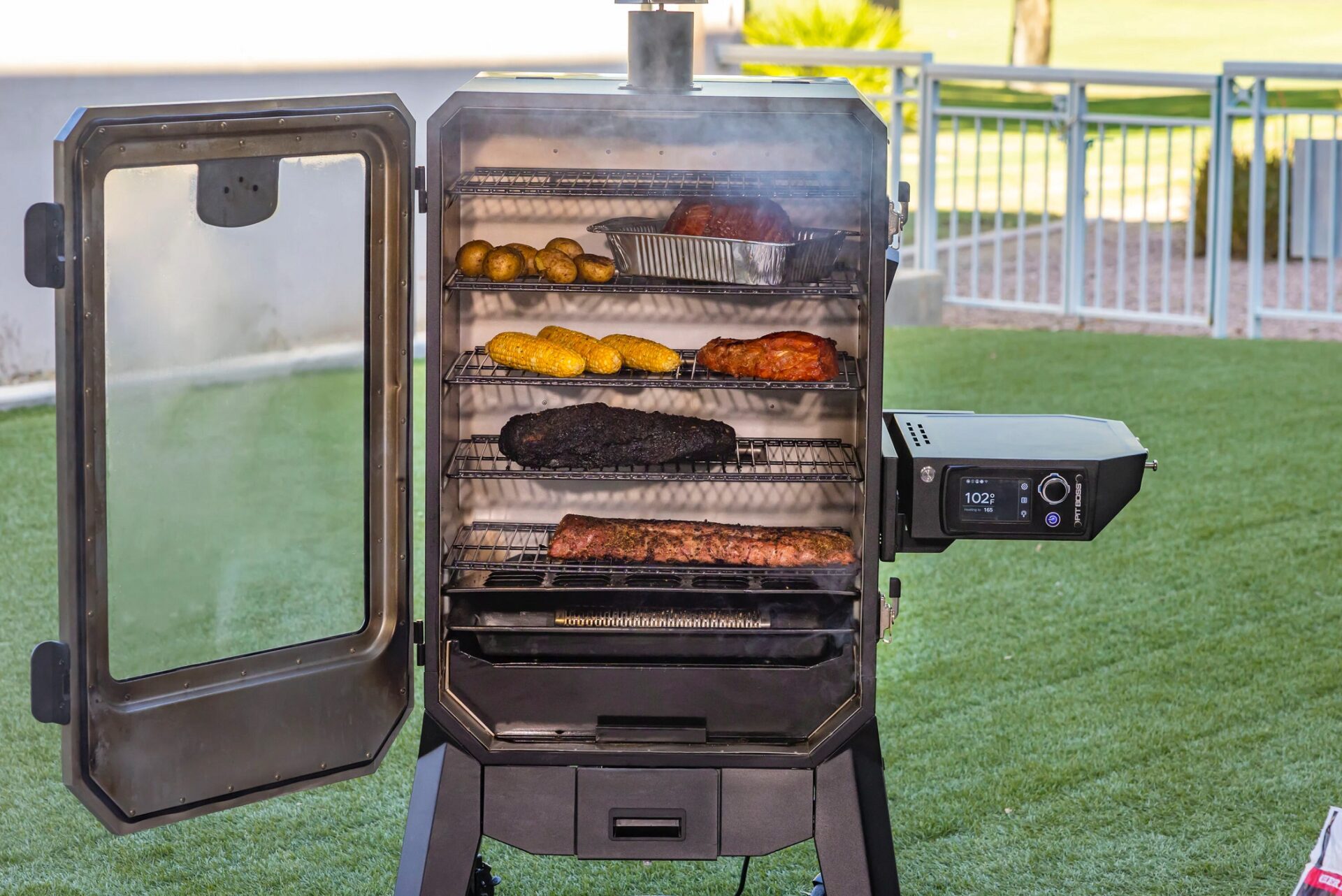
For barbecue enthusiasts seeking the perfect blend of flavor and fuel efficiency, the Pit Boss Pro Series Smoker emerges as a compelling option. While traditionally, smokers haven't been top-of-mind when discussing energy savings, advancements in technology and design are changing the game. This article delves into the energy performance of Pit Boss Pro Series Smokers, exploring how they can contribute to lower energy costs while delivering mouthwatering results.
Understanding Energy Consumption in Smokers
Traditional smokers, particularly those using charcoal or wood, can be energy intensive. Inefficient designs lead to significant heat loss, requiring constant replenishment of fuel. This translates to higher operating costs and a larger carbon footprint. Electric smokers, on the other hand, offer greater control and potentially better energy efficiency, but not all models are created equal.
Key factors influencing a smoker's energy consumption include:
- Insulation: Well-insulated smokers retain heat better, reducing the amount of fuel needed.
- Temperature Control: Precise temperature control minimizes temperature fluctuations and prevents overshooting, which wastes energy.
- Airflow Management: Efficient airflow optimizes combustion and heat distribution, maximizing fuel efficiency.
- Fuel Type: Pellet smokers, like many in the Pit Boss Pro Series, offer a controlled and efficient burn compared to lump charcoal or traditional wood logs.
Pit Boss Pro Series: Energy Efficiency Features
The Pit Boss Pro Series incorporates several features designed to enhance energy efficiency:
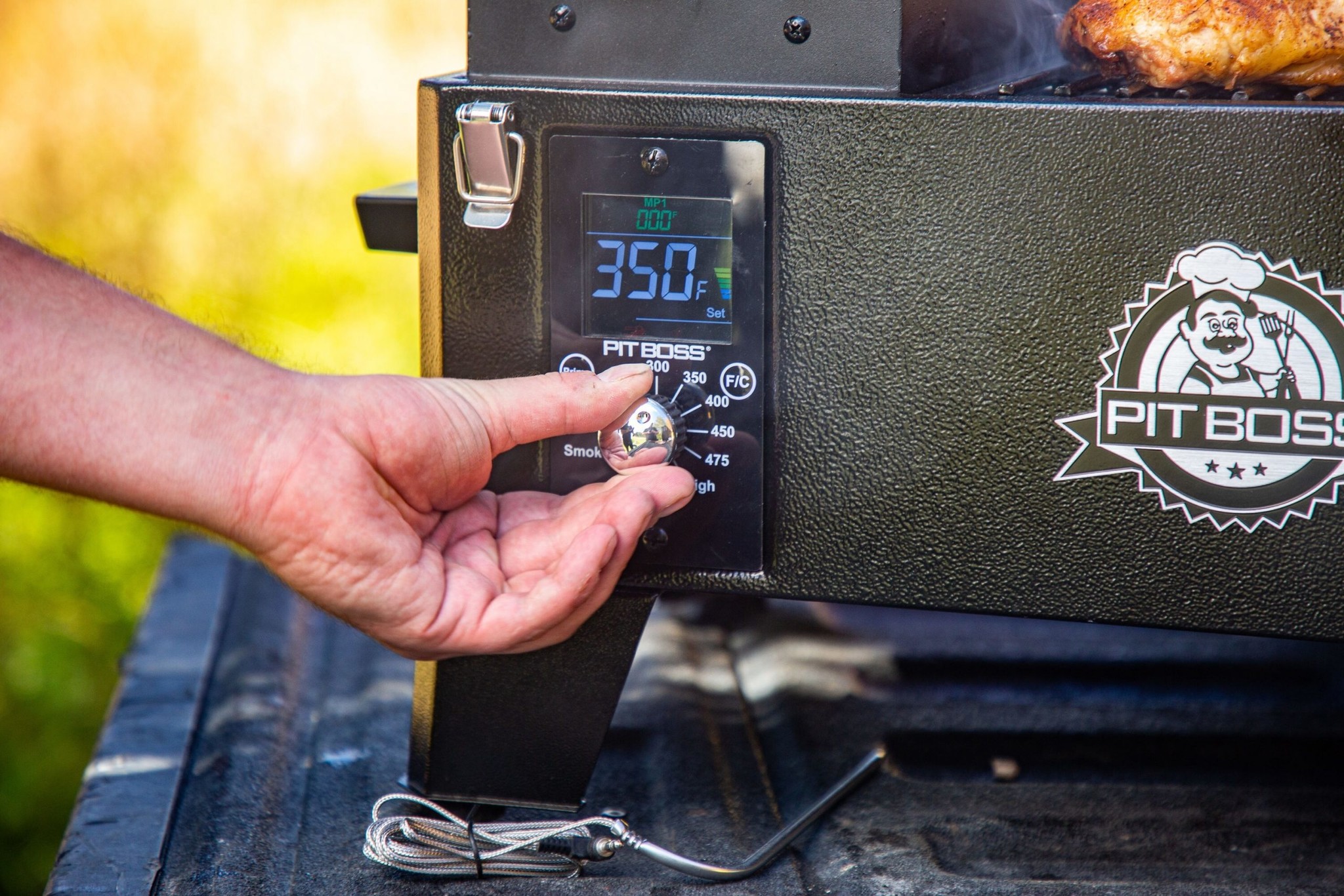
PID Controllers for Precise Temperature Management
Many Pit Boss Pro Series smokers are equipped with PID (Proportional-Integral-Derivative) controllers. These sophisticated controllers continuously monitor and adjust the internal temperature, minimizing temperature swings. This precise control not only ensures consistent cooking results but also significantly reduces fuel consumption. Unlike simple on/off thermostats, PID controllers anticipate temperature changes and proactively adjust the fuel feed, preventing overshooting and wasted pellets.
According to independent tests, smokers with PID controllers can use up to 20% less fuel compared to those with basic thermostats. For example, a Pit Boss Pro Series 1150 with a PID controller might consume around 1 lb of pellets per hour at 225°F, whereas a less advanced smoker could easily burn through 1.25 lbs or more under the same conditions. This translates to significant savings over the course of a long smoking session.
Insulation and Construction
While not all models boast heavy-duty insulation like dedicated commercial smokers, the Pit Boss Pro Series generally features solid construction with reasonably tight seals. This minimizes heat loss and helps maintain consistent temperatures. Look for models with thicker gauge steel and well-sealed doors and lids for optimal energy efficiency.
Pellet Hopper Capacity and Efficient Burn Rate
A larger pellet hopper reduces the frequency of refills, minimizing disruptions to the cooking process and conserving energy. The efficient burn rate, facilitated by the PID controller and airflow design, ensures that pellets are used optimally, reducing waste.
Smart Home Integration (on select models)
Certain models in the Pit Boss Pro Series offer smart home integration through Wi-Fi connectivity. This allows users to remotely monitor and control the smoker's temperature, ensuring efficient operation even when away from the grill. Features like automatic shut-off based on internal meat temperature can prevent overcooking and save energy. Smart alerts can also notify users when the pellet hopper is running low, preventing unexpected disruptions.
Comparing Pit Boss Pro Series to Other Smokers
When evaluating energy efficiency, it's crucial to compare the Pit Boss Pro Series to other smoker types:
- Charcoal Smokers: Generally less energy efficient than pellet smokers due to inconsistent burn rates and difficulty in maintaining precise temperatures.
- Electric Smokers (Non-Pellet): Can be energy efficient if well-insulated and equipped with accurate thermostats. However, they often lack the authentic smoke flavor of pellet smokers.
- Gas Smokers: Similar to charcoal smokers in terms of energy efficiency challenges. Gas consumption can be significant, especially during longer cooks.
- High-End Pellet Smokers: Offer comparable or potentially better energy efficiency due to superior insulation and advanced control systems, but often come with a higher price tag. Brands like Traeger and Yoder Smokers fall into this category.
The Pit Boss Pro Series strikes a balance between affordability and energy efficiency, making it an attractive option for budget-conscious consumers who want the convenience and flavor of a pellet smoker.
Calculating Potential Energy Savings
To estimate potential energy savings, consider the following factors:
- Frequency of Use: How often will the smoker be used?
- Smoking Duration: How long are typical smoking sessions?
- Pellet Cost: What is the price per bag of wood pellets?
- Model Comparison: Compare the estimated pellet consumption rates of different smokers.
For example, if you smoke twice a month for 6 hours each time and the Pit Boss Pro Series 1150 saves you 0.25 lbs of pellets per hour compared to a less efficient smoker, you could save 3 lbs of pellets per month (2 cooks x 6 hours x 0.25 lbs/hour). At $20 per 20 lb bag of pellets, this translates to roughly $3 in savings per month, or $36 per year. While this may seem modest, it adds up over time, especially with frequent use.
Government Incentives and Rebates
While rebates specifically for smokers are uncommon, homeowners may be able to take advantage of broader energy efficiency programs that could indirectly benefit them. For example, some utility companies offer rebates for smart thermostats or energy audits, which can help optimize overall energy consumption and identify areas for improvement, including efficient use of outdoor cooking appliances.
Check with your local utility company and state energy office to explore available incentives and rebates. The Energy Star website is a valuable resource for finding energy-efficient products and learning about government programs.
Tips for Maximizing Energy Efficiency
Even with an energy-efficient smoker like the Pit Boss Pro Series, there are several steps you can take to further minimize energy consumption:
- Preheat Efficiently: Avoid excessive preheating. Only preheat to the desired smoking temperature.
- Minimize Door Openings: Each time you open the smoker door, heat escapes, requiring the smoker to work harder to recover the temperature.
- Use a Water Pan: A water pan helps maintain humidity, which can improve heat transfer and reduce cooking time.
- Clean Regularly: A clean smoker operates more efficiently. Remove grease and ash buildup regularly.
- Use a Smoker Blanket (in cold weather): Insulating the smoker with a smoker blanket can significantly reduce heat loss in cold temperatures.
- Position the Smoker Strategically: Avoid placing the smoker in windy areas, as wind can increase heat loss.
The Bottom Line
The Pit Boss Pro Series Smoker offers a compelling combination of flavor, convenience, and energy efficiency. While it may not be the most energy-efficient smoker on the market, its PID controller, solid construction, and smart features contribute to reduced fuel consumption compared to traditional smokers. By understanding the factors that influence energy consumption and implementing the tips outlined above, users can maximize energy savings and enjoy delicious smoked food without breaking the bank. For homeowners and businesses looking for a balance between performance and eco-consciousness, the Pit Boss Pro Series deserves consideration. The ability to add smart home integration on select models will also appeal to smart home enthusiasts.
Ultimately, choosing the right smoker involves considering your individual needs, budget, and priorities. However, the Pit Boss Pro Series demonstrates that energy efficiency is increasingly becoming a factor in the world of outdoor cooking, offering a path towards more sustainable and cost-effective barbecue experiences.