Plumbing For Kitchen Sink And Dishwasher

Plumbing for Kitchen Sink and Dishwasher: A Comprehensive Guide
The heart of any kitchen, the sink and dishwasher are vital appliances that rely on a well-functioning plumbing system. Understanding the intricacies of this system is crucial for homeowners, real estate investors, and contractors alike, especially when undertaking renovations or new installations. This guide explores the essential components, installation considerations, and troubleshooting tips for kitchen sink and dishwasher plumbing.
Essential Plumbing Components
A typical kitchen sink and dishwasher plumbing setup involves several key components:
- Supply Lines: These flexible pipes carry hot and cold water to the faucet. Common materials include braided stainless steel and PEX (cross-linked polyethylene).
- Shut-Off Valves: Located beneath the sink, these valves allow you to turn off the water supply for maintenance or repairs without affecting the entire house.
- Faucet: The faucet controls the flow and temperature of water dispensed into the sink. Various styles and finishes are available, impacting both aesthetics and functionality.
- Sink Strainer: Catches food particles and debris to prevent clogs in the drainpipe.
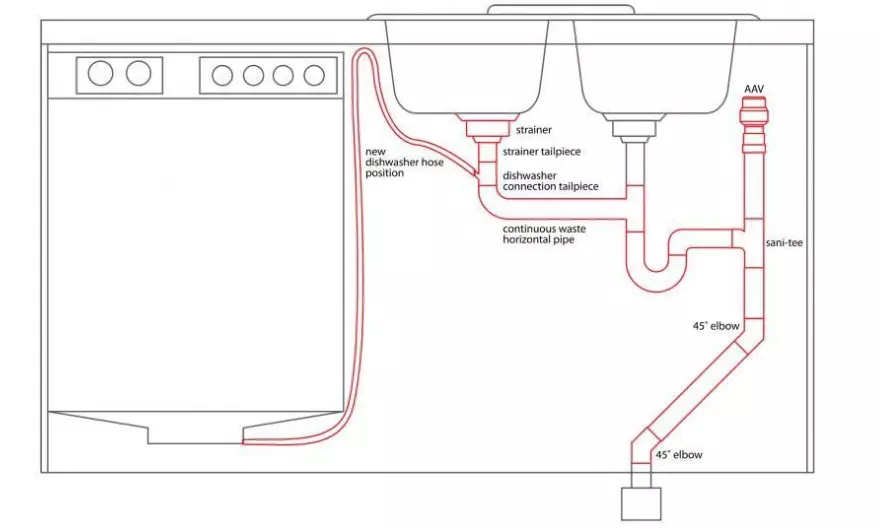
- P-Trap: A curved section of pipe designed to trap water, creating a seal that prevents sewer gases from entering the kitchen. This is a crucial component for maintaining air quality.
- Drainpipe: Carries wastewater away from the sink and dishwasher to the main drain line. Typically made of PVC or ABS plastic.
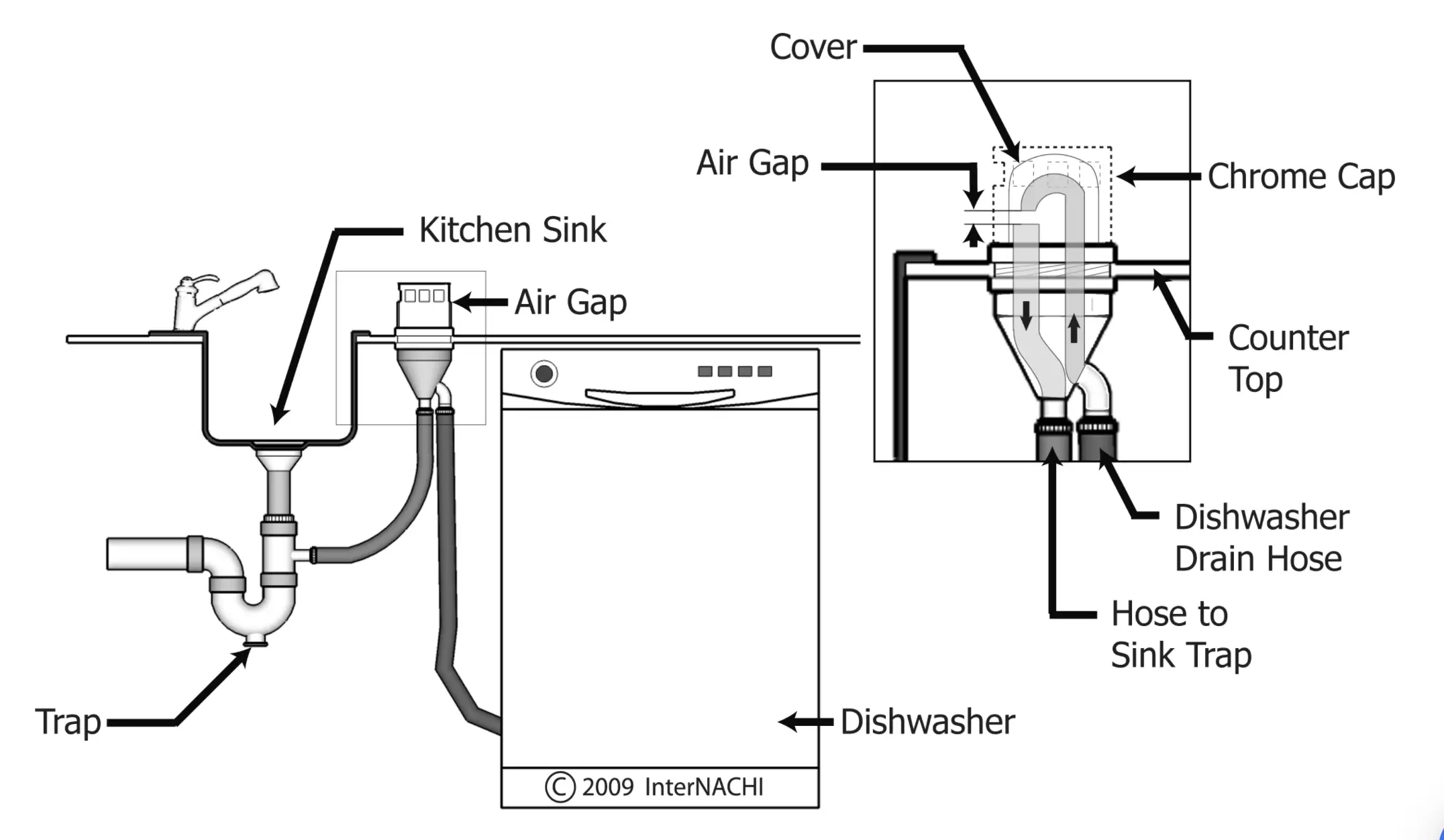
- Dishwasher Connection: A dedicated water supply line and drain line for the dishwasher. Usually connects to the hot water supply line under the sink. An air gap is often required to prevent backflow.
- Air Gap (Optional but Recommended): Prevents wastewater from the dishwasher from flowing back into the potable water supply. It's a small, cylindrical device mounted on the sink or countertop near the faucet.
Installation Considerations
Proper installation is crucial for a leak-free and efficient plumbing system. Whether you're replacing existing plumbing or installing new lines, consider the following:
Sink Installation
- Preparation: Ensure the sink is properly sealed to the countertop to prevent water damage. Use plumber's putty or silicone caulk to create a watertight seal.
- Faucet Installation: Follow the manufacturer's instructions for installing the faucet. Connect the supply lines securely to the faucet and shut-off valves.
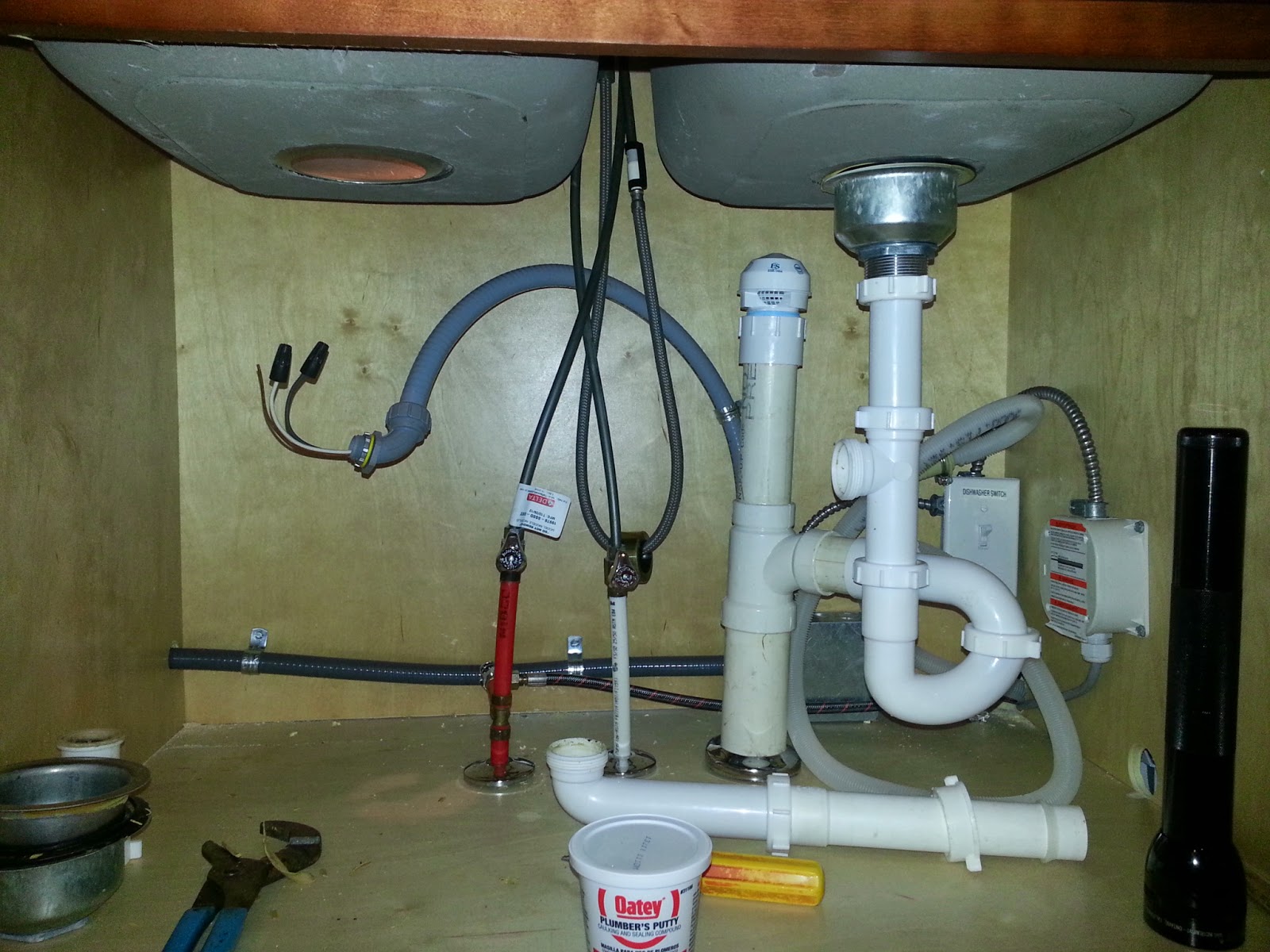
- Drain Assembly: Assemble the sink strainer, P-trap, and drainpipe, ensuring all connections are tight and leak-proof. Use Teflon tape on threaded connections to improve sealing.
Dishwasher Installation
- Water Supply Connection: Connect the dishwasher's water supply line to the hot water supply line under the sink. Use a compression fitting or a dedicated dishwasher connection kit.
- Drain Line Connection: Connect the dishwasher's drain line to the sink's drainpipe, typically using a dishwasher tailpiece with a hose barb. Ensure the drain line is properly secured to prevent leaks.
- Air Gap Installation (If Required): Install the air gap according to local plumbing codes. Connect the dishwasher's drain line to the air gap, and then connect the air gap to the sink's drainpipe.
- Electrical Connection: Ensure the dishwasher is properly grounded and connected to a dedicated electrical circuit. This is a critical safety measure.
DIY vs. Professional Installation
While some plumbing tasks are suitable for DIY enthusiasts, complex installations or repairs are best left to a licensed plumber. Improper plumbing can lead to leaks, water damage, and even health hazards. Consider the following factors when deciding whether to DIY or hire a professional:
- Experience and Skill Level: Are you comfortable working with plumbing tools and materials? Do you have experience soldering pipes or installing fixtures?
- Complexity of the Project: Is it a simple faucet replacement or a complete kitchen renovation? More complex projects require specialized knowledge and equipment.
- Local Plumbing Codes: Are you familiar with local plumbing codes and regulations? Failure to comply with these codes can result in fines and delays.
- Risk of Water Damage: A plumbing leak can cause significant water damage to your home. Are you willing to accept the risk of a DIY mistake?
Hiring a licensed plumber ensures the job is done correctly, safely, and in compliance with local codes. They also provide warranty coverage for their work, giving you peace of mind.
Troubleshooting Common Plumbing Problems
Even with proper installation, plumbing problems can arise. Here are some common issues and potential solutions:
- Leaky Faucet: Often caused by worn-out O-rings or cartridges. Replacing these parts can usually solve the problem.
- Clogged Drain: Can be caused by food particles, grease, or hair. Use a plunger, drain snake, or chemical drain cleaner to clear the clog. Be cautious when using chemical drain cleaners, as they can damage pipes.
- Slow Draining Sink: Similar to a clogged drain, but the blockage is less severe. Try flushing the drain with hot water and dish soap.
- Leaky Pipes: Can be caused by corrosion, loose connections, or damaged pipes. Tighten connections, replace corroded pipes, or apply pipe sealant to stop the leak.
- Dishwasher Not Draining: Check the dishwasher's drain hose for kinks or clogs. Clean the dishwasher's filter and spray arms. Also, ensure the air gap (if installed) is not clogged.
- Low Water Pressure: Could be due to a partially closed shut-off valve, a clogged aerator on the faucet, or problems with the main water supply.
Regular maintenance can help prevent many plumbing problems. Flush drains with hot water and dish soap regularly, avoid pouring grease down the drain, and inspect pipes for leaks periodically.
Cost Considerations
The cost of kitchen sink and dishwasher plumbing can vary depending on several factors, including:
- Type of Faucet: Prices range from basic models to high-end designer faucets with advanced features.
- Sink Material: Stainless steel, granite composite, and cast iron are common sink materials, each with different price points.
- Dishwasher Brand and Model: Dishwasher prices vary widely depending on features, energy efficiency, and brand reputation.
- Plumbing Labor Costs: Plumbers' hourly rates vary depending on location and experience.
- Materials Costs: The cost of pipes, fittings, valves, and other plumbing materials can add up.
A basic kitchen sink and dishwasher plumbing installation can cost anywhere from $300 to $1000 or more, depending on the complexity of the project and the materials used. Obtain multiple quotes from licensed plumbers to compare prices and services.
Popular Brands and Models
When choosing plumbing fixtures and appliances, consider reputable brands known for quality and reliability. Here are some popular options:
Faucets
- Delta: Known for innovative features, durable construction, and a wide range of styles.
- Moen: Offers a variety of faucets with reliable performance and stylish designs.
- Kohler: A luxury brand with high-end faucets and sinks.
- American Standard: A trusted brand with affordable and reliable faucets.
Sinks
- Elkay: A leading manufacturer of stainless steel sinks.
- Kraus: Offers a wide range of kitchen sinks with modern designs and durable construction.
- Franke: Known for high-quality stainless steel and composite sinks.
Dishwashers
- Bosch: Renowned for quiet operation, energy efficiency, and excellent cleaning performance.
- KitchenAid: Offers powerful dishwashers with advanced features and stylish designs.
- Whirlpool: A reliable brand with a range of dishwashers at various price points.
- GE: Provides dishwashers with innovative features and smart technology.
Warranties and Maintenance
Most plumbing fixtures and appliances come with warranties that cover defects in materials and workmanship. Read the warranty carefully to understand the coverage and limitations.
Regular maintenance is essential for prolonging the life of your plumbing system. Inspect pipes and fittings for leaks, clean drains regularly, and replace worn-out parts promptly. Consider hiring a plumber for an annual plumbing inspection to identify potential problems before they become major issues.
By understanding the essential components, installation considerations, troubleshooting tips, and cost factors associated with kitchen sink and dishwasher plumbing, you can make informed decisions and ensure a reliable and efficient plumbing system for your home.