Portable Heat And Cool Air Conditioner
Portable heat and cool air conditioners are a versatile solution for maintaining comfortable temperatures in specific rooms without the need for whole-house HVAC adjustments. They offer flexibility and convenience, but like any appliance, they can experience issues. This guide will help you understand how these units work, troubleshoot common problems, and determine when DIY repairs are appropriate versus calling a professional.
Understanding Portable Heat and Cool Air Conditioners
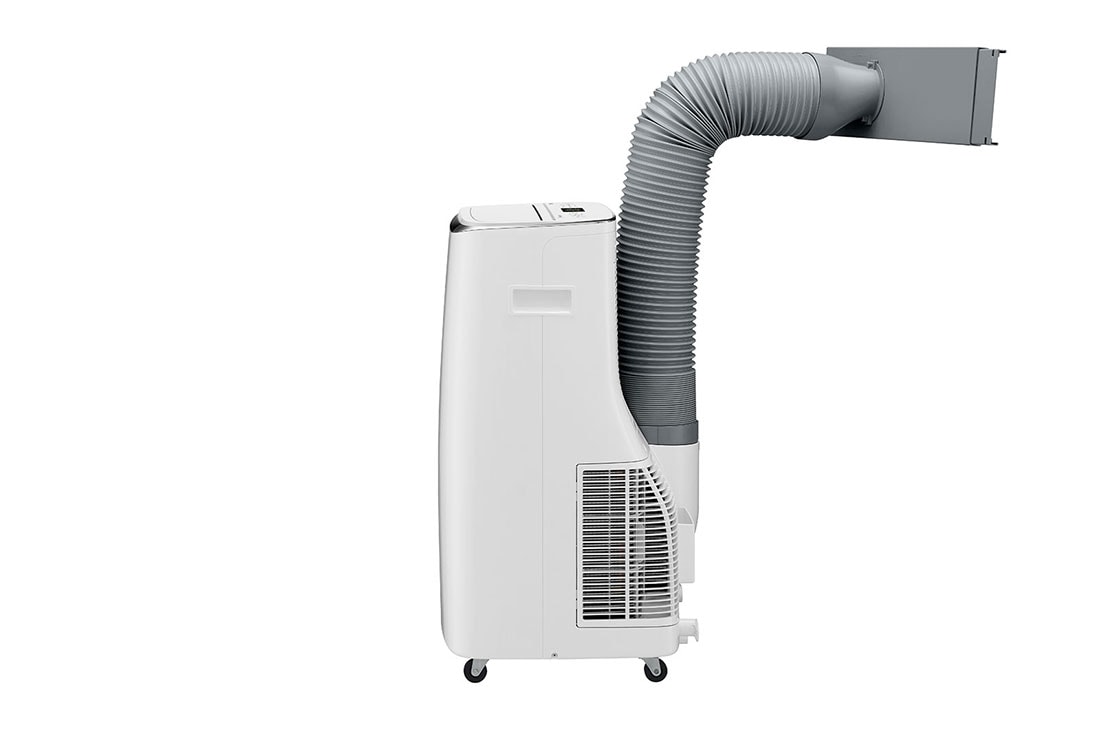
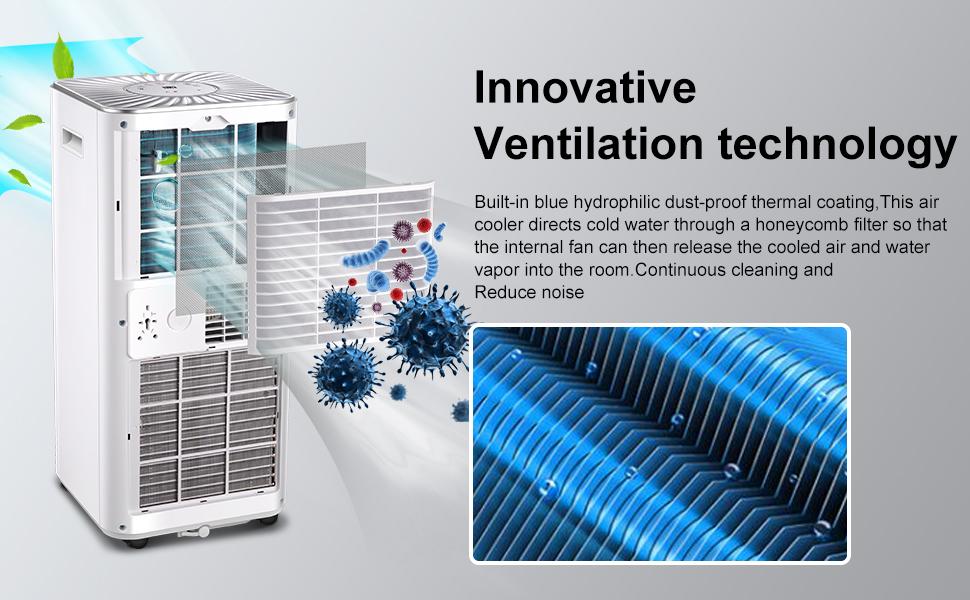
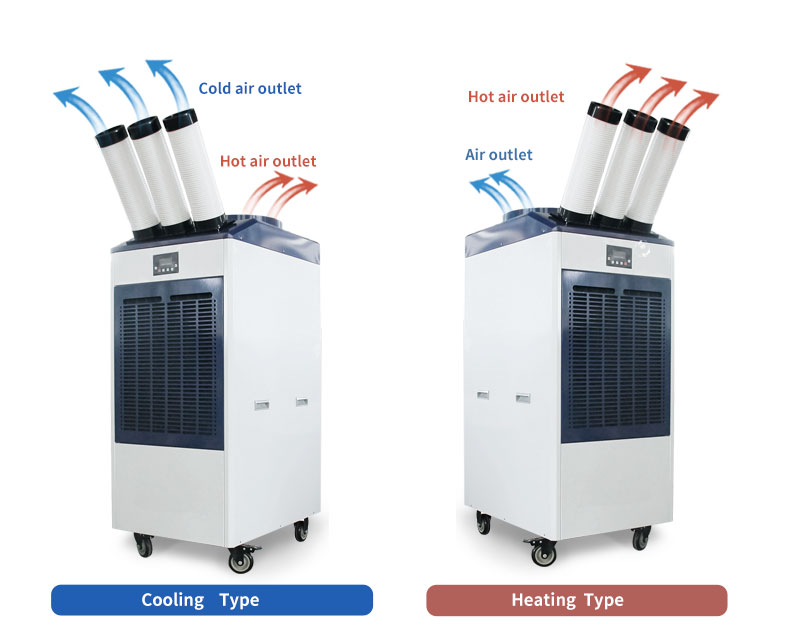
These units combine both heating and cooling functions into a single, mobile appliance. They typically consist of a compressor, condenser, evaporator, and exhaust system. In cooling mode, the unit extracts heat from the room, expels it outside through an exhaust hose, and circulates cool air. In heating mode, it operates similar to a heat pump, reversing the cycle to draw heat from the outside (or, in some cases, using an electric resistance heater).
How They Work: Cooling Mode
The compressor circulates refrigerant, which absorbs heat from the indoor air at the evaporator coil. This heated refrigerant then travels to the condenser coil, where the heat is released. A fan blows air across the condenser coil to facilitate heat transfer, and the hot air is vented outside through the exhaust hose. The cooled refrigerant returns to the evaporator to repeat the cycle.
How They Work: Heating Mode
In heat pump mode, a reversing valve redirects the refrigerant flow. The evaporator becomes the condenser, and vice versa. The unit extracts heat from the outdoor air (even in cold temperatures, there's still some heat energy) and releases it into the room. If the outdoor temperature is too low, some units may switch to electric resistance heating, which is less efficient but provides supplemental heat.
Common Problems and Troubleshooting
Here's a breakdown of common issues you might encounter with your portable heat and cool air conditioner, along with DIY troubleshooting steps:
1. Unit Not Turning On
- Possible Cause: No power.
- Troubleshooting:
- Check the power cord for damage.
- Ensure the unit is plugged into a functioning outlet. Test the outlet with another device.
- Check the circuit breaker or fuse box. Reset the breaker or replace the fuse if necessary.
- When to Call a Pro: If you've verified power and the unit still doesn't turn on, there could be an internal electrical issue requiring professional diagnosis and repair.
2. Unit Turns On But Doesn't Cool or Heat
- Possible Cause: Clogged air filter.
- Troubleshooting:
- Locate and remove the air filter.
- Clean the filter with a vacuum cleaner or wash it with mild soap and water. Ensure it's completely dry before reinstalling.
- Replace the filter if it's damaged or excessively dirty.
- Possible Cause: Blocked exhaust hose.
- Troubleshooting:
- Ensure the exhaust hose is properly connected to the unit and the window vent.
- Check for kinks, bends, or obstructions in the hose. Straighten the hose and remove any blockages.
- Make sure the window vent is properly sealed to prevent hot air from re-entering the room.
- Possible Cause: Low refrigerant.
- Troubleshooting: (Do Not Attempt DIY Repair). Refrigerant handling requires specialized equipment and certification. Attempting to add refrigerant yourself is illegal and dangerous.
- When to Call a Pro: If the unit runs but doesn't cool or heat effectively, and you've ruled out airflow issues, low refrigerant is a likely culprit. Contact an HVAC professional for refrigerant leak detection and repair.
3. Unit Leaking Water
- Possible Cause: Full water tank or clogged drain.
- Troubleshooting:
- Locate the water tank or drain plug.
- Empty the tank or clear the drain. Refer to your unit's manual for the proper procedure.
- Ensure the drain hose (if applicable) is properly connected and not blocked.
- Possible Cause: High humidity.
- Troubleshooting:
- In very humid conditions, condensation may exceed the unit's drainage capacity. Consider using a dehumidifier in conjunction with the portable air conditioner.
- When to Call a Pro: If the unit is leaking excessively despite proper drainage, there may be an internal issue with the condensate system. A professional can diagnose and repair the problem.
4. Unit is Noisy
- Possible Cause: Loose components.
- Troubleshooting:
- Visually inspect the unit for loose screws or panels. Tighten any loose fasteners.
- Possible Cause: Fan blade obstruction.
- Troubleshooting:
- Unplug the unit. Carefully inspect the fan blades for debris or obstructions. Remove any obstructions.
- When to Call a Pro: If the noise persists after checking for loose components and obstructions, there may be an internal mechanical issue with the compressor or fan motor. Contact a professional for repair.
5. Error Codes Displayed
- Possible Cause: Various sensor or component failures.
- Troubleshooting:
- Consult your unit's manual for the meaning of the specific error code.
- Try resetting the unit by unplugging it for a few minutes and then plugging it back in.
- When to Call a Pro: Error codes often indicate specific component failures that require specialized tools and knowledge to diagnose and repair. Contact a professional for assistance.
Essential Tools for DIY Troubleshooting
- Screwdrivers (Phillips and flathead)
- Adjustable wrench
- Vacuum cleaner with hose attachment
- Mild soap and water
- Clean cloths
- Multimeter (for advanced electrical testing - use with caution and knowledge)
- Safety glasses
Common Replacement Parts
These parts are often available online or at appliance repair stores:
- Air filters
- Exhaust hoses
- Window vent kits
- Drain plugs
- Condensate pumps (for some models)
Safety Precautions
Always disconnect the unit from the power source before performing any maintenance or repairs.
Never attempt to repair refrigerant lines or handle refrigerant yourself. This requires specialized equipment and certification.
Use caution when working with electrical components. If you are not comfortable with electrical testing, contact a qualified electrician or HVAC technician.
Wear safety glasses to protect your eyes from dust and debris.
Consult your unit's manual for specific safety instructions and warnings.
When to Call a Professional HVAC Technician
While some minor issues can be resolved with DIY troubleshooting, certain problems require the expertise of a qualified HVAC technician. Here are some situations where professional assistance is necessary:
- Refrigerant leaks
- Compressor problems
- Electrical issues (e.g., faulty wiring, burnt components)
- Unusual noises or vibrations
- Error codes that persist after troubleshooting
- If you are uncomfortable or unsure about performing any repair.
Estimated Repair Costs
Repair costs for portable heat and cool air conditioners can vary depending on the problem, the unit's brand and model, and the technician's labor rates. Here are some rough estimates:
- Air filter replacement: $10 - $30 (DIY or professional)
- Exhaust hose replacement: $20 - $50 (DIY or professional)
- Refrigerant leak repair and recharge: $200 - $500 (Professional only)
- Compressor replacement: $300 - $800 (Professional only)
- Electrical component repair: $100 - $400 (Professional only)
- Diagnostic fee: $75 - $150 (Professional only - typically waived if you proceed with the repair)
Important Note: These are just estimates. It's always best to get a quote from a qualified HVAC technician before authorizing any repairs.
Preventative Maintenance
Regular maintenance can help prevent problems and extend the life of your portable heat and cool air conditioner:
- Clean or replace the air filter every 1-3 months, or more frequently in dusty environments.
- Inspect the exhaust hose for damage and ensure it's properly connected.
- Clean the exterior of the unit with a damp cloth.
- Empty the water tank regularly.
- Store the unit in a clean, dry place when not in use.
By understanding how your portable heat and cool air conditioner works, troubleshooting common problems, and performing regular maintenance, you can keep it running efficiently and comfortably for years to come. Remember to prioritize safety and call a professional when necessary.