Portable Sheet Metal Brake For Sale

Frequently Asked Questions About Portable Sheet Metal Brakes
Thinking about purchasing a portable sheet metal brake? You're in the right place! This FAQ answers the most common questions from homeowners and facility managers like you, helping you make an informed decision.
1. What exactly is a portable sheet metal brake, and what is it used for?
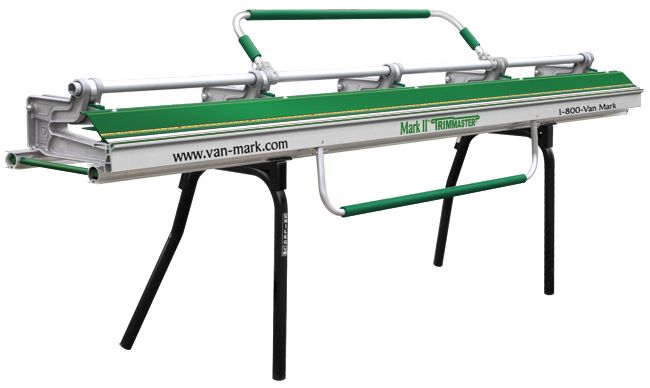
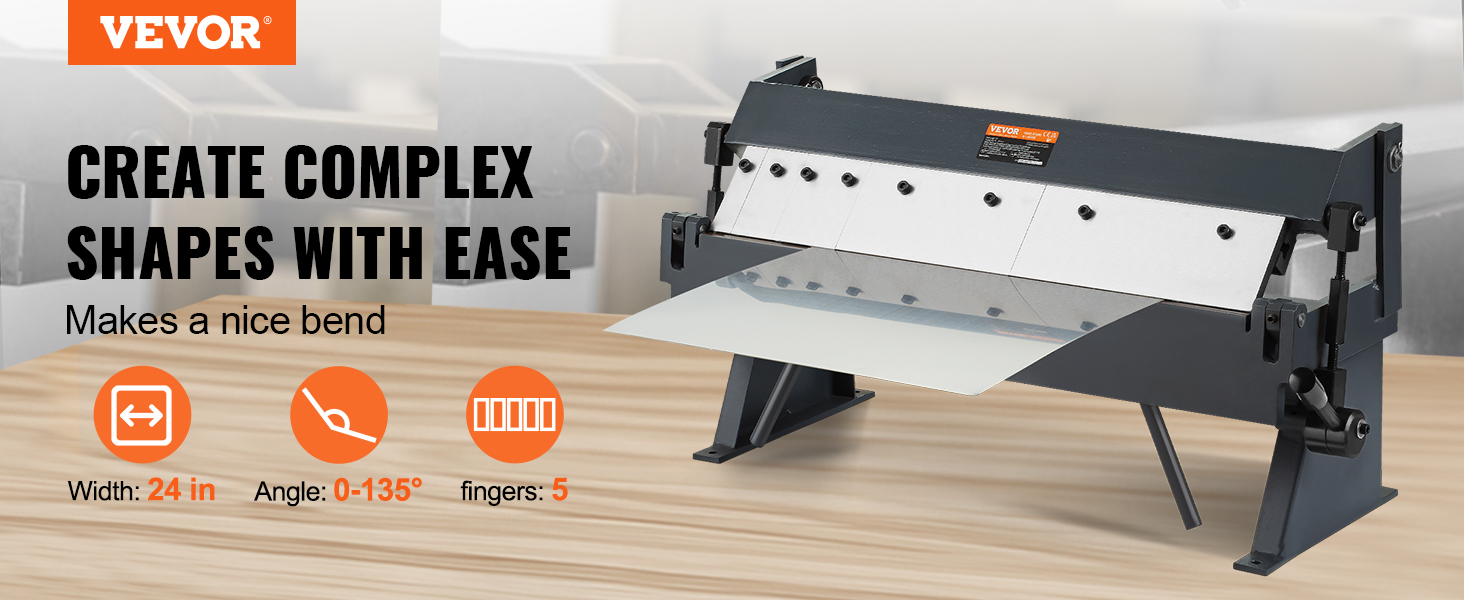
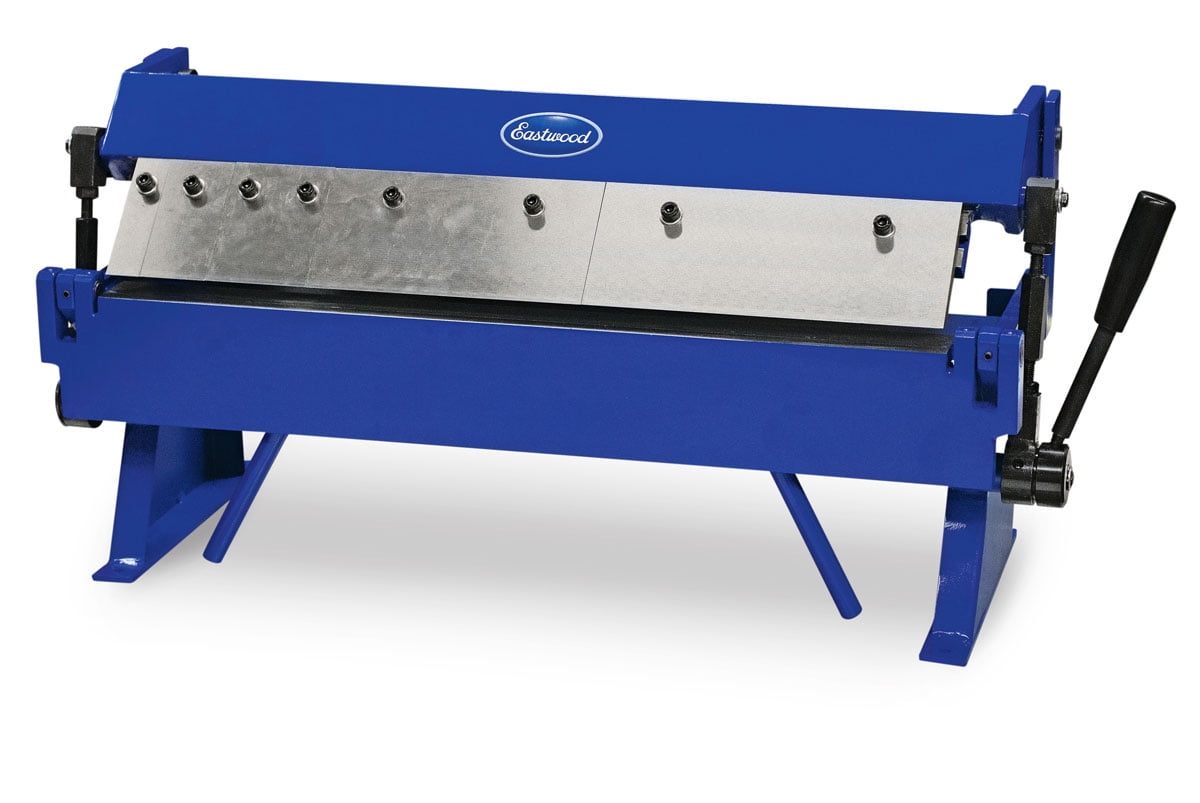
A portable sheet metal brake, also known as a metal bending brake or metal forming brake, is a tool used to bend sheet metal to specific angles. The "portable" aspect means it's designed to be moved easily, unlike larger, stationary shop brakes. This makes it ideal for on-site work, DIY projects, and smaller workshops where space is limited.
It's used for a wide variety of applications, including:
- HVAC Ductwork: Creating custom duct fittings and transitions.
- Roofing and Flashing: Bending metal for roof edges, flashing around chimneys, and other roofing components.
- Metal Siding: Forming metal panels for siding and trim.
- Automotive Repair: Creating custom metal parts for vehicles.
- Arts and Crafts: Bending metal for sculptures, jewelry, and other artistic creations.
- General Fabrication: Making brackets, enclosures, and other metal components.
In essence, if you need to bend sheet metal with precision and control, a portable sheet metal brake is a valuable tool.
2. What are the key advantages of a portable sheet metal brake compared to a stationary model?
The primary advantage, as the name suggests, is portability. Here's a breakdown of the key benefits:
- On-Site Work: You can bring the brake to the job site, eliminating the need to transport materials back and forth to a workshop. This saves time and reduces the risk of damage during transport.
- Space Saving: Portable brakes take up significantly less space than stationary models, making them suitable for smaller workshops or garages.
- Cost-Effective: Portable brakes are generally less expensive than stationary models, making them a good option for hobbyists or those with limited budgets.
- Versatility: While generally limited to lighter gauge metals compared to industrial brakes, a portable brake can still handle a wide range of projects.
However, keep in mind that portable brakes typically have a lower capacity (maximum metal thickness and bending length) compared to stationary models. They might also require more manual effort and may not be as suitable for high-volume production.
3. What specifications should I pay attention to when choosing a portable sheet metal brake?
Several specifications are crucial when selecting the right portable sheet metal brake for your needs. Here's what to consider:
- Bending Length: This is the maximum length of sheet metal you can bend in a single operation. Choose a bending length that accommodates the largest pieces you anticipate working with. Common lengths range from 12 inches to 48 inches.
- Bending Capacity (Gauge): This indicates the maximum thickness of sheet metal the brake can handle. Thicker metal requires more force to bend. The capacity is usually expressed in gauge numbers (e.g., 22 gauge, 18 gauge). Lower gauge numbers indicate thicker metal. Always stay within the specified gauge limits to avoid damaging the brake.
- Bending Angle: Most portable brakes can bend up to 90 degrees, but some can achieve sharper angles. Consider the types of bends you'll need to make.
- Material Compatibility: Check if the brake is suitable for the types of metal you plan to use. Some brakes are designed for specific materials like aluminum, steel, or copper.
- Construction and Durability: Look for a brake made from sturdy materials like steel with a robust design. Consider the weight of the brake, as this can indicate its overall strength and stability.
- Clamping Mechanism: Evaluate the clamping mechanism that holds the sheet metal in place. A strong and reliable clamping mechanism is essential for accurate bends. Look for features like adjustable pressure and non-marring surfaces to protect the metal.
- Ease of Use: Consider the overall design and ergonomics of the brake. Is it easy to set up, adjust, and operate? Look for features like adjustable stops and clear angle markings.
It's also wise to read customer reviews to get insights into the real-world performance and reliability of different models.
4. What types of sheet metal can a portable brake typically handle? And what are the limitations?
Portable sheet metal brakes can generally handle a variety of sheet metals, but the specific capacity depends on the brake's design and the material's strength.
Commonly Handled Materials:
- Steel: Mild steel is the most common material. Portable brakes typically handle gauges from 22 to 16 (higher gauges) depending on the specific tool.
- Aluminum: Aluminum is softer and easier to bend than steel, so portable brakes can often handle thicker gauges of aluminum compared to steel.
- Copper: Similar to aluminum, copper is relatively soft and bendable.
- Other Metals: Some brakes may be suitable for bending other materials like brass or stainless steel, but this should be explicitly stated by the manufacturer.
Limitations:
- Thickness: Portable brakes are generally not designed for bending very thick sheet metal (e.g., 1/4 inch steel). Attempting to bend metal beyond the brake's capacity can damage the tool or result in inaccurate bends.
- Hardness: High-strength or hardened metals may be difficult or impossible to bend with a portable brake. These materials require specialized equipment.
- Size: Bending very large or wide pieces of sheet metal can be challenging with a portable brake due to limited bending length and potential for material flex.
- Specific Alloys: Certain metal alloys may have unique properties that make them unsuitable for bending with a portable brake. Always consult the manufacturer's recommendations for specific materials.
Always check the manufacturer's specifications for the maximum bending capacity of the brake for the specific type of metal you plan to use.
5. How much should I expect to pay for a decent portable sheet metal brake? And what are some reputable brands?
The price of a portable sheet metal brake can vary depending on its bending length, capacity, features, and brand. Here's a general price range:
- Entry-Level Brakes (12-24 inch): $150 - $400. These are suitable for light-duty tasks and DIY projects.
- Mid-Range Brakes (30-48 inch): $400 - $1000. These offer a good balance of capacity and features for general-purpose use.
- High-End Brakes (over 48 inch or specialized features): $1000+. These are designed for more demanding applications and offer increased precision and durability.
Reputable Brands:
- Tapco: Known for high-quality bending brakes, especially for siding and roofing applications. They are generally at a higher price point, but offer great durability and precision.
- Van Mark: Similar to Tapco, Van Mark is known for quality siding and roofing brakes.
- Swag Offroad: Offer DIY brake kits, are a great choice for someone who wants to save money and have some welding ability.
- Klutch: Available through Northern Tool. They offer a range of options at a more affordable price point.
- Woodward Fab: Offers a variety of metalworking tools, including portable brakes, often found in the mid-range price category.
- Wiss: Although known for snips, Wiss offer some portable bending breaks that can be found in the entry-level category.
Always compare prices from different retailers and read customer reviews before making a purchase. Consider purchasing from a reputable supplier that offers good customer support and warranty coverage.
6. What safety precautions should I take when using a portable sheet metal brake?
Safety is paramount when operating any metalworking equipment. Here are some essential safety precautions to follow when using a portable sheet metal brake:
- Wear Safety Glasses: Always wear safety glasses to protect your eyes from flying metal chips or debris.
- Wear Gloves: Wear work gloves to protect your hands from sharp edges and potential cuts.
- Secure the Brake: Ensure the brake is securely mounted on a stable surface to prevent it from tipping over during operation.
- Clear the Work Area: Keep the work area free of clutter and obstructions to prevent tripping hazards.
- Use Proper Lifting Techniques: When lifting heavy pieces of sheet metal, use proper lifting techniques to avoid back injuries.
- Maintain Proper Posture: Avoid bending over or straining your back while operating the brake. Adjust the height of the brake or your work surface to maintain a comfortable posture.
- Keep Fingers Clear: Keep your fingers clear of the bending area and moving parts to avoid pinch points.
- Do Not Exceed Capacity: Never attempt to bend metal beyond the brake's specified capacity. This can damage the brake and create a safety hazard.
- Inspect the Brake: Before each use, inspect the brake for any signs of damage or wear. Replace any worn or damaged parts immediately.
- Follow Manufacturer's Instructions: Always follow the manufacturer's instructions for setup, operation, and maintenance.
It's also a good idea to familiarize yourself with basic sheet metalworking safety practices and attend a training course if you're new to using sheet metal brakes.
7. How do I maintain my portable sheet metal brake to ensure it lasts?
Proper maintenance is essential for extending the life of your portable sheet metal brake and ensuring optimal performance. Here are some key maintenance tips:
- Regular Cleaning: Clean the brake regularly to remove metal chips, dirt, and debris. Use a brush or vacuum cleaner to remove loose particles.
- Lubrication: Lubricate moving parts regularly with a light oil or grease. This will help to prevent wear and tear and ensure smooth operation. Pay particular attention to hinges, pivots, and clamping mechanisms.
- Inspect for Wear: Periodically inspect the brake for signs of wear, such as loose bolts, worn clamping pads, or damaged bending edges. Replace any worn or damaged parts immediately.
- Adjust Clamping Pressure: Adjust the clamping pressure as needed to ensure a firm grip on the sheet metal without damaging the material.
- Protect from Rust: If the brake is not in use, store it in a dry place to prevent rust. Apply a rust inhibitor to exposed metal surfaces.
- Proper Storage: When not in use, store the brake in a safe and secure location to prevent damage or theft.
- Follow Manufacturer's Instructions: Consult the manufacturer's instructions for specific maintenance recommendations.
By following these maintenance tips, you can keep your portable sheet metal brake in good working condition for years to come.