Post Tension Slab Failure
The HVAC industry touches more than just temperature control; it intersects with building design, structural integrity, and overall system efficiency. One area where these intersections become critically apparent is in understanding the potential impact of structural failures, specifically post-tension slab failure, on HVAC systems. While HVAC professionals aren't structural engineers, awareness of this issue is vital for safety, system longevity, and proper installation practices. This article will explore the connection between post-tension slab failures and HVAC systems, providing essential knowledge for students, technicians, and employers.
Understanding Post-Tension Slabs
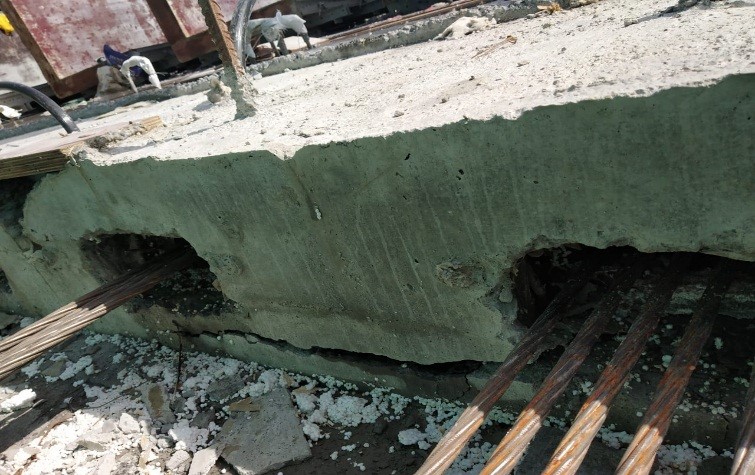
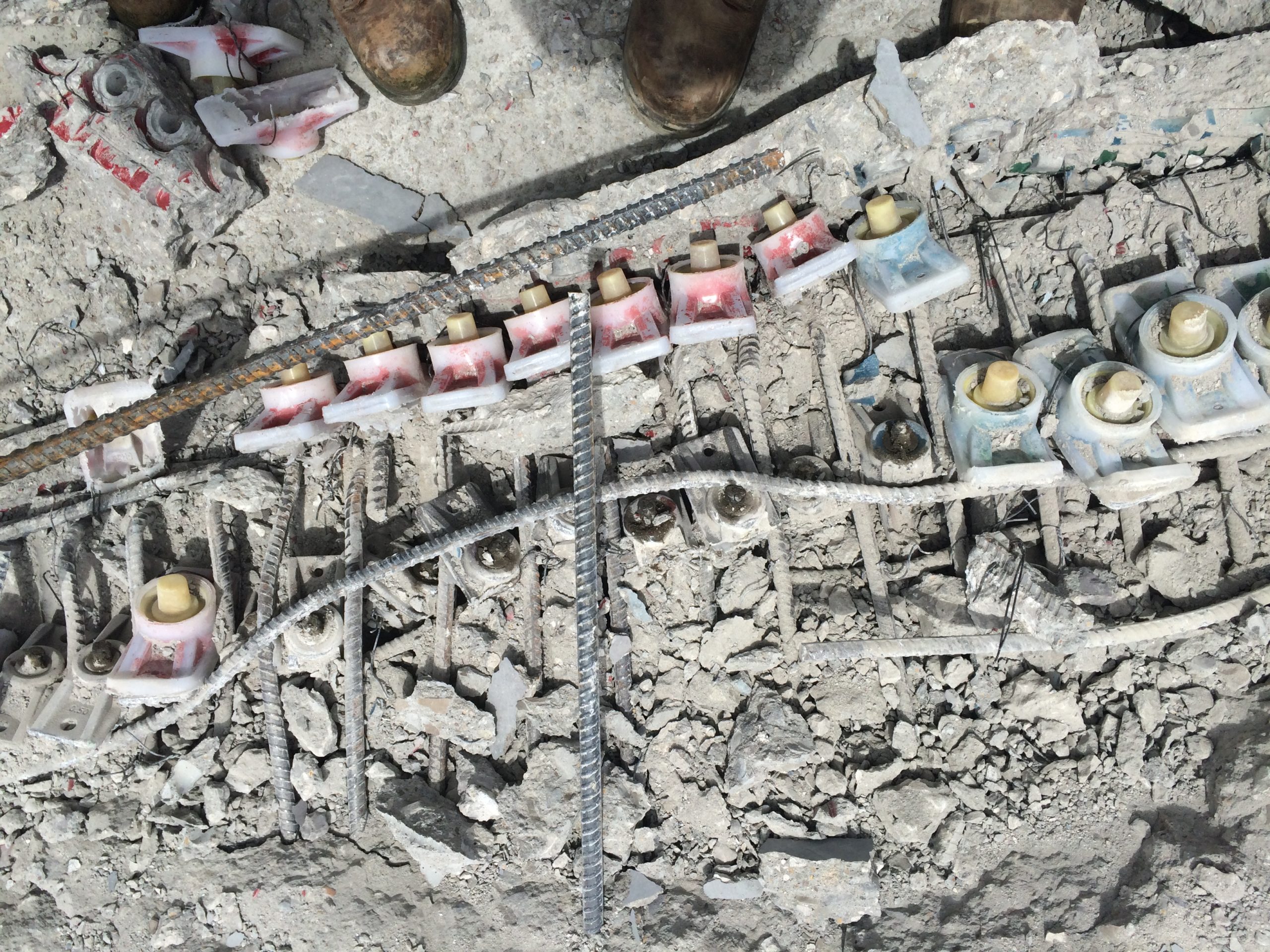
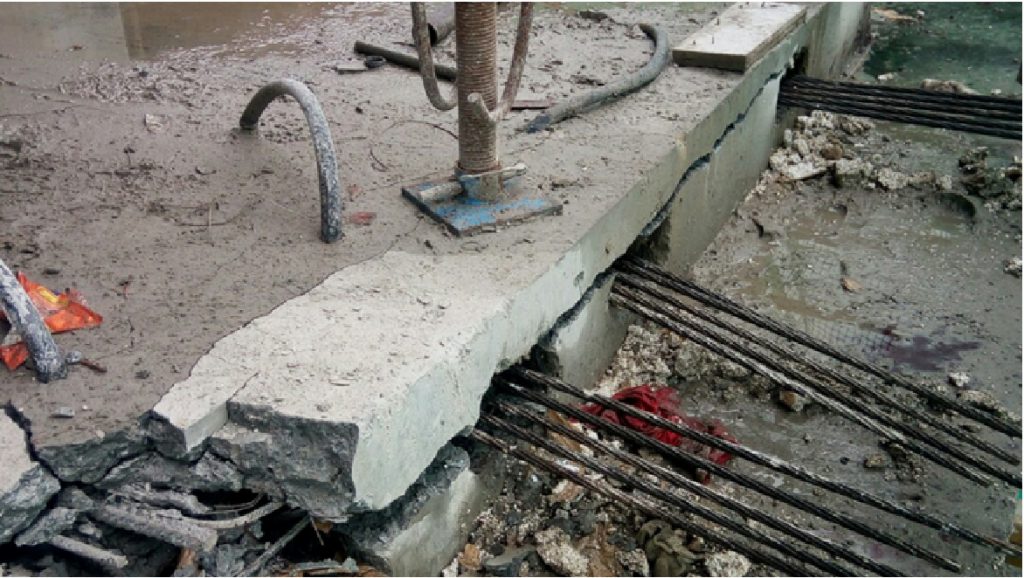
Post-tension slabs are a type of concrete slab commonly used in residential and commercial construction. They are reinforced with high-strength steel cables (tendons) that are tensioned after the concrete is poured. This tensioning process compresses the concrete, increasing its strength and allowing for longer spans with thinner slabs compared to traditional reinforced concrete. The tendons are typically coated with grease and encased in a plastic or metal sheath to prevent corrosion. The ends of the tendons are anchored into the concrete slab, maintaining the tension.
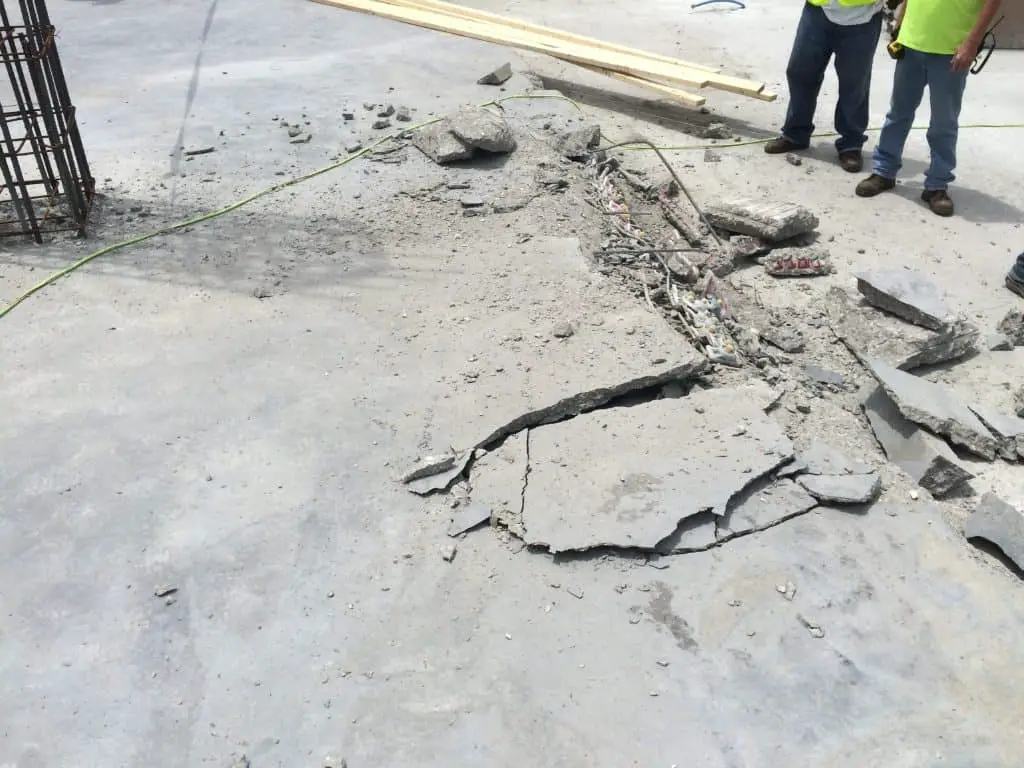
However, post-tension slabs are not without their vulnerabilities. Damage to the tendons, corrosion, improper installation, or overloading can lead to failure. These failures can range from minor cracking to catastrophic collapse.
The Impact of Slab Failure on HVAC Systems
HVAC systems, particularly ductwork, refrigerant lines, and condensate drains, are often integrated within or run through building structures, including post-tension slabs. When a slab fails, the consequences for HVAC systems can be significant:
- Damage to Ductwork: Ductwork embedded in or suspended from a failing slab is highly susceptible to damage. Cracks and shifting can crush or sever ducts, leading to air leaks, reduced system efficiency, and uneven temperature distribution.
- Refrigerant Line Ruptures: Refrigerant lines are often routed through slabs, especially in multi-story buildings. Slab movement can stress and rupture these lines, resulting in refrigerant leaks, which are both environmentally harmful and costly to repair. Furthermore, refrigerant leaks pose a safety hazard. Technicians holding an EPA 608 certification are essential for the safe handling and disposal of refrigerants in such situations.
- Condensate Drain Issues: Condensate drains rely on gravity to function correctly. Slab settlement or cracking can disrupt the slope of these drains, leading to blockages, water damage, and mold growth.
- Equipment Damage: If HVAC equipment, such as air handlers or chillers, is located on a failing slab, the equipment itself can be damaged due to shifting and stress. This can lead to costly repairs or replacements.
- Compromised System Efficiency: Even minor slab cracking can affect the building envelope, leading to increased air infiltration and reduced insulation effectiveness. This, in turn, places a greater load on the HVAC system, decreasing its efficiency and increasing energy consumption.
Recognizing Potential Problems
HVAC technicians should be aware of the signs of potential post-tension slab problems:
- Cracks in the Slab: While hairline cracks are common in concrete, significant cracks, especially those that are widening or accompanied by vertical displacement, are cause for concern.
- Popping or Snapping Sounds: These sounds can indicate that tendons are breaking or shifting.
- Sagging or Uneven Floors: This is a clear sign of structural distress.
- Corrosion Signs: Rust stains on the concrete surface near tendon anchors indicate corrosion.
- Water Leaks: Water leaks near slab penetrations or cracks can exacerbate corrosion and contribute to further damage.
Important Note: If an HVAC technician observes any of these signs, they should immediately notify their supervisor and recommend that a qualified structural engineer inspect the building.
HVAC Technician Responsibilities and Safety
When working on HVAC systems in buildings with post-tension slabs, technicians must exercise caution. Drilling into a post-tension slab can sever a tendon, potentially leading to serious injury or structural damage. Always consult building plans and use non-destructive methods (e.g., ground-penetrating radar) to locate tendons before drilling or cutting. Some states and municipalities have specific regulations regarding working around post-tension cables, so familiarize yourself with local codes.
Safety First: Always wear appropriate personal protective equipment (PPE), including safety glasses, gloves, and hearing protection, when working on HVAC systems. Be aware of the potential hazards associated with refrigerant leaks and electrical shocks. Adherence to OSHA guidelines is paramount.
Career Paths and Certifications
Understanding the complexities of building structures, including post-tension slabs, can open up several career paths for HVAC professionals. Here are a few examples:
- HVAC Design Engineer: These professionals design HVAC systems that are integrated into building structures. Knowledge of structural engineering principles is essential for ensuring that the systems are compatible with the building's design and construction. A bachelor's degree in mechanical engineering is typically required, along with relevant certifications. The median salary for mechanical engineers is around $95,000 per year, according to the Bureau of Labor Statistics (BLS).
- Building Performance Analyst: These professionals assess the energy efficiency and overall performance of buildings. They use diagnostic tools to identify problems, such as air leaks and insulation deficiencies, that can affect HVAC system performance. Certifications such as Building Performance Institute (BPI) certifications are highly valued.
- HVAC Service Technician: Experienced service technicians who understand building structures can troubleshoot and repair HVAC systems more effectively. They can also identify potential structural problems that could affect system performance. Certifications such as NATE (North American Technician Excellence) demonstrate a technician's competency and can lead to higher earning potential. The median salary for HVAC technicians is around $50,000 per year, according to the BLS.
- HVAC Project Manager: Project managers oversee the installation and maintenance of HVAC systems in commercial and industrial buildings. They need to have a strong understanding of building codes, safety regulations, and structural engineering principles. A bachelor's degree in engineering or construction management is often required.
Certifications: Several certifications can enhance an HVAC professional's knowledge and skills, including:
- NATE (North American Technician Excellence): This is a leading certification for HVAC technicians, demonstrating their competency in specific areas, such as installation, service, and maintenance.
- EPA 608 Certification: This certification is required for technicians who handle refrigerants. It covers the proper handling, recovery, and disposal of refrigerants to protect the environment.
- LEED (Leadership in Energy and Environmental Design) AP: This certification demonstrates a professional's knowledge of sustainable building practices, including energy-efficient HVAC systems.
- BPI (Building Performance Institute) Certifications: These certifications focus on building performance and energy efficiency. They are valuable for professionals who want to specialize in building diagnostics and energy audits.
Job Outlook and Salary Expectations
The job outlook for HVAC technicians is excellent, with the BLS projecting a growth rate of 6% from 2022 to 2032. This growth is driven by the increasing demand for energy-efficient buildings and the need to replace aging HVAC systems. Experienced technicians with certifications and specialized knowledge, such as understanding building structures, can command higher salaries. As mentioned previously, the median salary for HVAC technicians is around $50,000 per year, but this can vary depending on experience, location, and certifications.
Employers are increasingly seeking skilled technicians who have a broad understanding of building systems and can troubleshoot complex problems. Investing in training and certifications can significantly enhance a technician's career prospects.
Employer Considerations
For HVAC employers, understanding the risks associated with post-tension slabs is crucial. Here are some key considerations:
- Training: Provide technicians with training on how to identify potential structural problems and how to work safely around post-tension slabs.
- Equipment: Invest in non-destructive testing equipment, such as ground-penetrating radar, to locate tendons before drilling or cutting.
- Insurance: Ensure that your company has adequate liability insurance to cover potential damages caused by HVAC work.
- Collaboration: Foster collaboration with structural engineers and other building professionals to ensure that HVAC systems are installed and maintained safely.
- Hiring Practices: Prioritize hiring technicians with relevant certifications and experience. Consider offering bonuses or incentives for technicians who obtain additional training in building structures.
Conclusion
While HVAC professionals are not structural engineers, having a solid understanding of building structures, including post-tension slabs, is essential for safety, system longevity, and career advancement. By being aware of the potential risks and taking appropriate precautions, HVAC technicians can protect themselves, their customers, and the integrity of the buildings they work on. Continuous learning and professional development are key to staying ahead in this dynamic industry.
The HVAC industry is evolving, and professionals who embrace new technologies and expand their knowledge base will be well-positioned for success. Understanding the interplay between HVAC systems and building structures, like post-tension slabs, is a critical step in becoming a well-rounded and highly sought-after HVAC professional.