Powered Anode Rod For Water Heater

Extending the Life (and Savings) of Your Water Heater: A Deep Dive into Powered Anode Rods
Water heaters are often the unsung heroes (or silent energy vampires) of our homes and businesses. We rarely think about them until there's a cold shower or a hefty energy bill arrives. One critical component responsible for keeping your water heater running efficiently and preventing premature failure is the anode rod. While sacrificial anode rods are the standard, a powered anode rod offers a modern, energy-conscious alternative. Let's explore how these innovative devices can save you money, extend your water heater's lifespan, and contribute to a more sustainable future.
The Silent Killer: Understanding Water Heater Corrosion
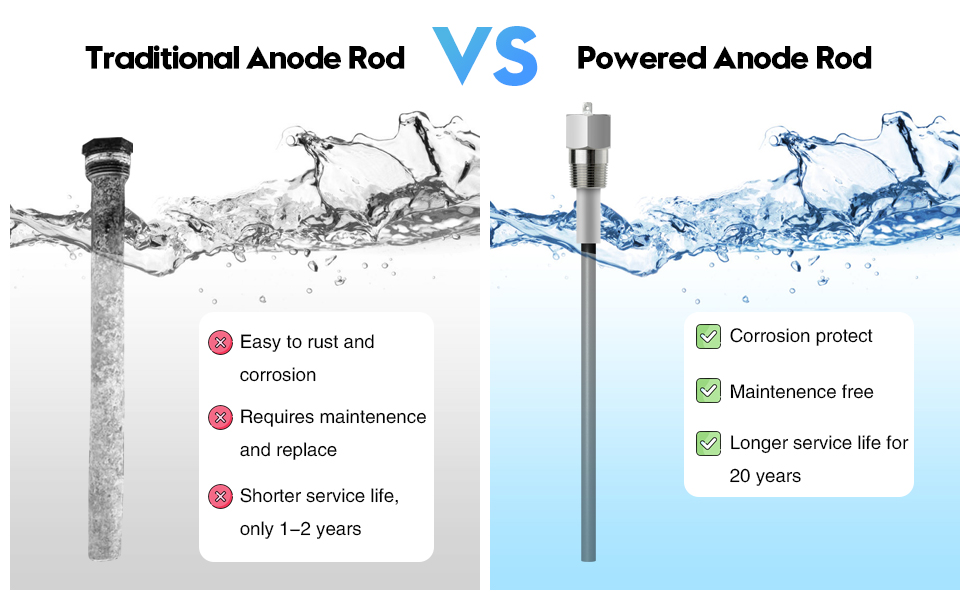
Water, especially hard water with high mineral content, is corrosive. Inside your water heater tank, a constant electrochemical reaction occurs as the water seeks to corrode the steel tank. To prevent this, manufacturers install a sacrificial anode rod, typically made of magnesium or aluminum. This rod is more electrochemically reactive than the steel tank, so the corrosive elements attack the rod first, sparing the tank. Over time, the sacrificial anode rod corrodes away, requiring replacement.
Ignoring the anode rod can lead to significant problems. A corroded tank can leak, causing water damage and requiring a complete water heater replacement – a costly and inconvenient process. Even before a leak occurs, corrosion reduces the heater's efficiency, forcing it to work harder and consume more energy to maintain the desired water temperature.
Powered Anode Rods: A Modern Solution
A powered anode rod, also known as an electronic anode rod, takes a different approach to corrosion protection. Instead of sacrificing itself, it uses a small electrical current to neutralize the corrosive elements in the water. This current effectively passivates the steel tank, preventing corrosion from occurring in the first place.
Here's a breakdown of how they work:
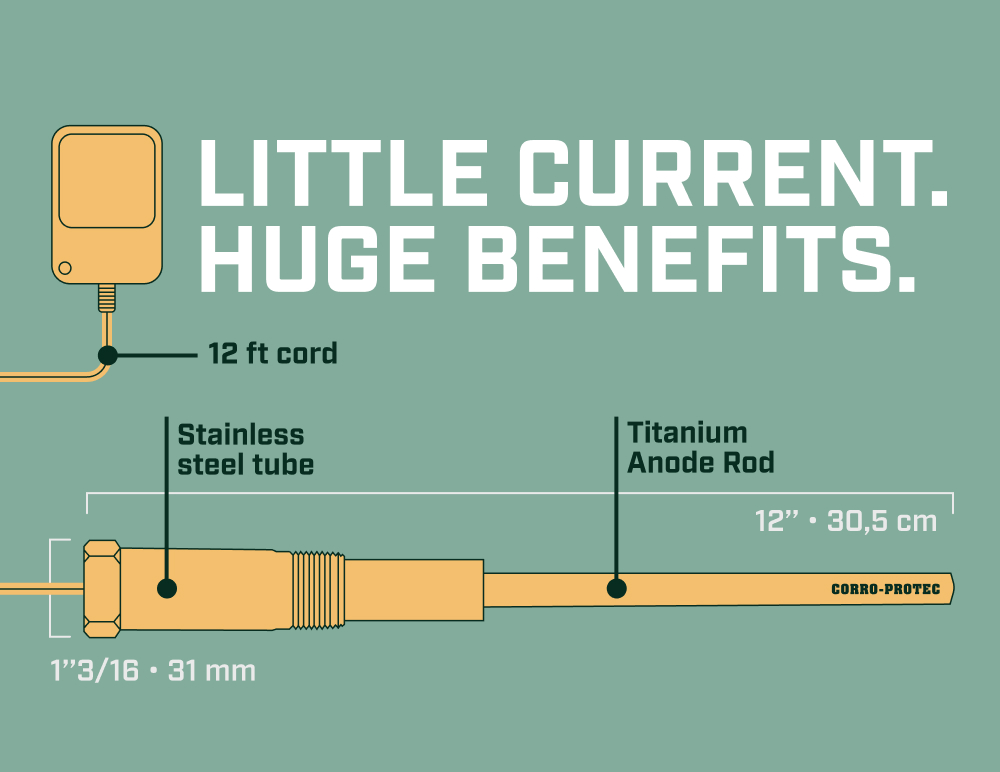
- A small, low-voltage power supply plugs into a standard electrical outlet.
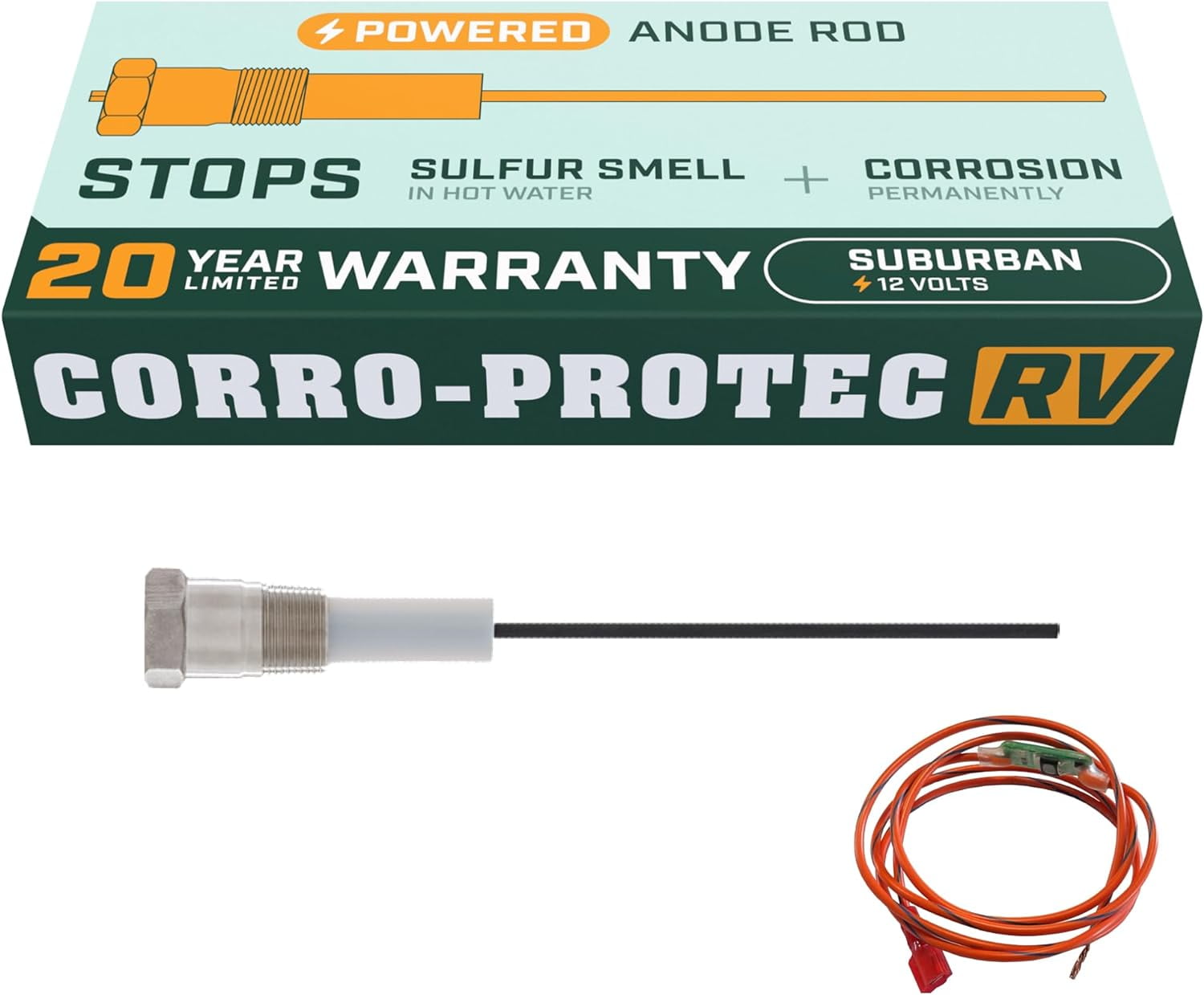
- The power supply sends a direct current to the anode rod, typically made of titanium.
- The current creates an electrical field that inhibits the electrochemical reaction that causes corrosion.
Benefits of Switching to a Powered Anode Rod
The advantages of using a powered anode rod are numerous, particularly for homeowners and businesses focused on energy efficiency and long-term cost savings:
- Extended Water Heater Lifespan: By actively preventing corrosion, a powered anode rod can significantly extend the life of your water heater, potentially adding years to its service. This translates to fewer replacements and substantial savings over time.
- Eliminates "Rotten Egg" Odor: Some water heaters, particularly those with magnesium anode rods and high sulfate levels in the water, can produce a "rotten egg" odor (hydrogen sulfide). Powered anode rods eliminate this issue by preventing the chemical reactions that cause the odor.
- Consistent Performance: Unlike sacrificial anode rods that degrade over time, powered anode rods provide consistent corrosion protection throughout their lifespan.
- Reduced Maintenance: You won't need to replace a powered anode rod every few years, saving you time and money on maintenance. They are designed to last for the life of the water heater.
- Suitable for All Water Conditions: Powered anode rods work effectively in all water types, including hard water and softened water, where sacrificial anodes may degrade more quickly.
- Energy Savings: While the energy consumption of the powered anode rod itself is minimal (typically less than a few watts), preventing corrosion ensures that your water heater operates at peak efficiency, reducing energy waste and lowering your utility bills.
ROI and Energy Savings: Crunching the Numbers
While the initial cost of a powered anode rod is higher than a sacrificial anode rod (typically ranging from $100 to $300 installed, compared to $30-$80 for a sacrificial rod), the long-term ROI can be significant.
Consider this example:
- Scenario 1: Replacing a sacrificial anode rod every 3 years at a cost of $50 (parts and labor). Over 12 years, this equates to $200. You also have to consider the potential for premature water heater failure.
- Scenario 2: Investing in a powered anode rod for $200. Assuming it lasts the life of the water heater (12+ years), you've already broken even on the cost of sacrificial rods and avoided the labor of repeated replacements.
- The kicker: Preventing corrosion ensures the water heater operates more efficiently. According to the U.S. Department of Energy, a poorly maintained water heater can lose significant efficiency over time. Even a small improvement in efficiency (e.g., 5%) can translate to substantial savings on your energy bill over the lifespan of the heater. For a household spending $500 annually on water heating, a 5% reduction equates to $25 per year, or $300 over 12 years.
Therefore, in this scenario, the powered anode rod saves you money on replacement costs AND improves efficiency for a total ROI of up to $500.
Smart Home Integration: Monitoring and Control
Some powered anode rods offer smart home integration capabilities. These models can connect to your home's Wi-Fi network and provide real-time monitoring of your water heater's performance. You can typically access this information through a mobile app, allowing you to:
- Monitor the anode rod's status and ensure it's functioning correctly.
- Receive alerts if there are any issues with your water heater.
- Track your water heating energy consumption.
- Integrate with other smart home devices, such as your smart thermostat, to optimize energy usage. For example, you could set your water heater to operate at a lower temperature during peak electricity demand hours to save money.
Installation: DIY or Professional?
Installing a powered anode rod is generally a straightforward process, similar to replacing a sacrificial anode rod. However, it does involve working with electricity, so if you are not comfortable with electrical work, it's best to hire a qualified plumber or HVAC technician.
Here's a general overview of the installation process:
- Turn off the power and water supply to the water heater.
- Drain the water heater tank partially.
- Remove the old anode rod (if applicable).
- Install the powered anode rod, ensuring it is properly grounded.
- Connect the power supply to the anode rod and plug it into an electrical outlet.
- Turn the water and power back on.
- Test the system to ensure it's working correctly.
Important Note: Always consult the manufacturer's instructions for specific installation procedures.
Rebates and Incentives
Depending on your location, you may be eligible for rebates or incentives for installing a powered anode rod. Check with your local utility company or energy efficiency program to see if any rebates are available.
Choosing the Right Powered Anode Rod
When selecting a powered anode rod, consider the following factors:
- Water Heater Compatibility: Ensure that the anode rod is compatible with your water heater's make and model.
- Warranty: Look for a product with a comprehensive warranty to protect your investment.
- Features: Consider whether you want a smart anode rod with Wi-Fi connectivity and monitoring capabilities.
- Reputation: Research different brands and read reviews to choose a reputable and reliable product.
- Titanium Grade: Make sure the anode rod is made of high-grade titanium for optimal corrosion resistance.
Powered Anode Rods vs. Water Softeners: A Complementary Approach
It's important to note that while powered anode rods effectively prevent corrosion, they don't address hard water issues like scale buildup. If you have hard water, you may still benefit from using a water softener in conjunction with a powered anode rod. The water softener reduces the mineral content in the water, minimizing scale buildup and further extending the life of your water heater.
The Bottom Line: A Smart Investment for Long-Term Savings
Investing in a powered anode rod is a smart decision for homeowners and businesses looking to save money, extend the life of their water heater, and contribute to a more sustainable future. While the initial cost may be higher than a sacrificial anode rod, the long-term benefits, including reduced maintenance, energy savings, and protection against costly water heater replacements, make it a worthwhile investment. By proactively preventing corrosion and potentially integrating with smart home systems, powered anode rods offer a modern and efficient solution for water heater protection.
Consider consulting with a qualified HVAC contractor to determine if a powered anode rod is right for your specific needs and to ensure proper installation. Take control of your water heating costs and ensure years of reliable service by making the switch to a powered anode rod.