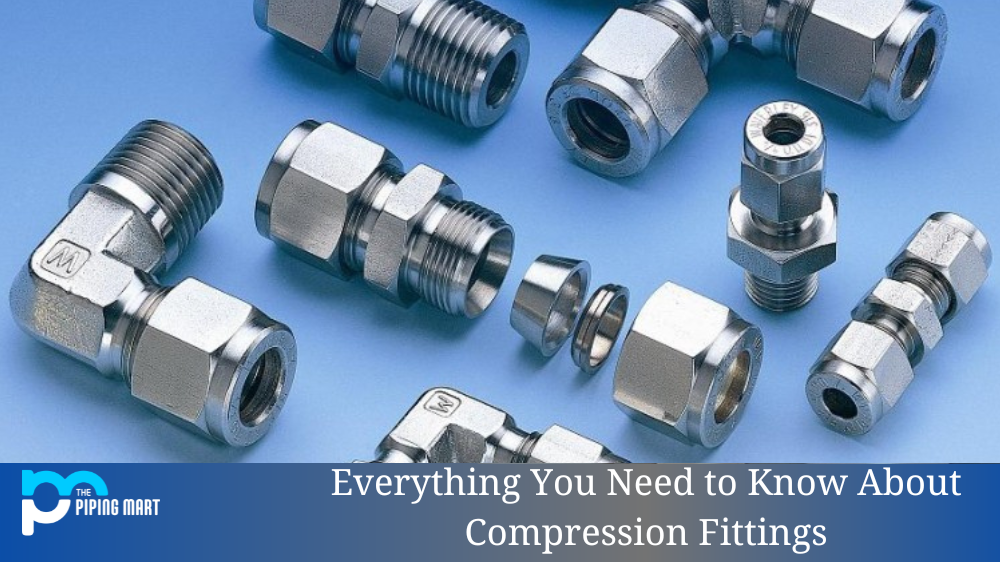
Press Fittings Are A Type Of Compression Fitting That Uses
Oh no! Your washing machine isn't working. Before you panic and call a repair technician, let's try some simple troubleshooting steps. Many common washing machine problems have easy DIY solutions. This guide will walk you through a logical process to identify and address potential issues safely.
Safety First!
Always unplug the washing machine from the electrical outlet before performing any troubleshooting or repairs. Water and electricity are a dangerous combination. If you suspect a gas leak (some dryers use gas), immediately evacuate the area and call your gas company or 911.
Step 1: Is It Plugged In? Power Supply Checks
This might seem obvious, but it's the most common cause of appliance malfunctions! Don't feel silly checking.
- Verify the power cord is securely plugged into the outlet. Sometimes, cords can be accidentally bumped or loosened.
- Test the outlet. Plug another appliance (like a lamp) into the same outlet to see if it works. If not, the problem is likely with the outlet or circuit.
- Check the circuit breaker or fuse. Locate your home's electrical panel and check the breaker or fuse for the washing machine circuit. A tripped breaker will be in the "off" or "middle" position. Reset it by flipping it fully to the "off" position and then back to the "on" position. For fuses, look for a broken filament. If a fuse is blown, replace it with one of the same amperage.
- If the problem persists after resetting the breaker or replacing the fuse, do not continue troubleshooting electrical issues yourself. Call a qualified electrician. Electrical problems can be dangerous and require professional expertise.
Step 2: User Error? Settings and Basic Operation
Sometimes, the issue isn't a mechanical problem, but a simple setting error.
- Check the water supply valves. Make sure both the hot and cold water supply valves connected to the washing machine are fully open. If they are partially closed, the machine may not fill properly or at all.
- Review the control panel settings. Ensure the correct wash cycle, water level, and temperature settings are selected. Some cycles require specific settings to function correctly. Refer to your washing machine's user manual.
- Check the lid or door switch. Most washing machines have a safety switch that prevents them from operating if the lid or door is open. Make sure the lid or door is fully closed and latched. Try pressing down firmly on the lid or door to ensure the switch is engaged.
- Is the child lock enabled? Some machines have a child lock feature that can disable the control panel. Check your user manual to see if this feature is enabled and how to disable it.
Step 3: Water Drain Issues
A common washing machine problem is the inability to drain water. This can lead to overflowing or a machine that stops mid-cycle.
- Check the drain hose.
- Inspect the drain hose for kinks or clogs. Make sure the hose isn't bent or crushed, restricting water flow.
- Detach the drain hose from the drainpipe (where it empties) and check for clogs. Use pliers to loosen the clamp, then carefully pull the hose off. Be prepared for some water to spill out. Flush the hose with water to dislodge any debris.
- Ensure the drain hose isn't pushed too far into the drainpipe. This can create a siphoning effect, preventing proper drainage. The drain hose should only be inserted a few inches into the drainpipe.
- Check the drain pump filter.
- Locate the drain pump filter. This is usually located at the front of the washing machine, near the bottom, behind a small access panel. Consult your user manual for the exact location.
- Prepare for water spillage. Place a shallow pan or towels beneath the access panel to catch any water that may drain out when you remove the filter.
- Carefully remove the filter. Most filters can be unscrewed or pulled out. Be cautious, as there may be sharp objects or debris trapped in the filter.
- Clean the filter thoroughly. Remove any lint, hair, coins, or other debris that may be clogging the filter. Rinse the filter with water and replace it securely.
- If the machine still won't drain after checking the hose and filter, the drain pump itself may be faulty. Replacing the drain pump often requires specialized tools and knowledge and should be left to a professional appliance repair technician.
Step 4: Water Fill Issues
If your washing machine isn't filling with water, the problem could be with the water inlet valves or the pressure switch.
- Verify water supply valves are fully open. (As mentioned in Step 2)
- Check the water inlet hoses.
- Inspect the hoses for kinks or blockages. Make sure the hoses are not bent or crushed, restricting water flow.
- Detach the hoses from the washing machine and check the inlet screens. These screens are located at the point where the hoses connect to the machine. They can become clogged with sediment or debris, restricting water flow. Clean the screens with a brush or by soaking them in vinegar.
- The water inlet valve itself may be faulty. The water inlet valve controls the flow of water into the washing machine. If it's not working properly, the machine may not fill with water, or it may fill slowly. Replacing the water inlet valve typically involves electrical connections and should be done by a qualified appliance repair technician.
- The pressure switch may be faulty. The pressure switch senses the water level in the washing machine and tells the water inlet valve to shut off when the correct level is reached. If the pressure switch is faulty, the machine may overfill or not fill at all. Testing and replacing the pressure switch can be complex and should be handled by a professional.
Step 5: Machine Won't Start or Agitate
If the washing machine is getting power, filling with water, but won't start or agitate (wash clothes), the problem could be with the motor, belt (for belt-driven machines), or agitator.
- Listen for unusual noises. A grinding or squealing noise could indicate a problem with the motor or belt.
- Check the belt (if applicable).
- Unplug the washing machine!
- Locate the belt. This usually requires removing an access panel on the back of the machine. Consult your user manual.
- Inspect the belt for wear and tear. Look for cracks, fraying, or looseness. A worn belt can slip or break, preventing the machine from agitating.
- Replacing a worn belt is a relatively simple DIY repair, but requires the correct replacement belt and knowledge of how to properly install it. Consult your user manual or online resources for specific instructions for your machine model.
- Check the agitator.
- Inspect the agitator for damage or looseness. The agitator is the part in the center of the wash tub that rotates to clean the clothes. If it's broken or loose, it won't agitate properly.
- Replacing the agitator can be a straightforward DIY repair, but requires the correct replacement part.
- The motor itself may be faulty. Testing and repairing the motor requires specialized tools and knowledge and should be left to a professional appliance repair technician.
- The motor coupler may be broken. Replacing the motor coupler often requires specialized tools and knowledge and should be left to a professional appliance repair technician.
Step 6: Loud Noises or Vibration
Excessive noise or vibration during the wash cycle can be caused by unbalanced loads, worn suspension components, or objects trapped in the drum.
- Check for unbalanced loads. An unevenly distributed load can cause the machine to vibrate excessively. Stop the machine, redistribute the clothes evenly around the wash tub, and restart the cycle.
- Check the leveling legs. Make sure the washing machine is level. Use a level to check the machine's level from side to side and front to back. Adjust the leveling legs at the bottom of the machine until it is level.
- Inspect the suspension components. The suspension components (springs or dampers) help to absorb vibrations during the wash cycle. If these components are worn or damaged, the machine may vibrate excessively. Replacing suspension components can be a complex repair and may require professional assistance.
- Check for objects trapped in the drum. Small objects like coins, buttons, or socks can get trapped between the inner and outer drums, causing noise and vibration. Removing these objects can be difficult and may require disassembling parts of the machine. If you're not comfortable doing this, call a professional.
When to Call a Professional
While many washing machine problems can be resolved with simple DIY troubleshooting, certain repairs require professional expertise. Always call a qualified appliance repair technician if:
- You are uncomfortable working with electricity or gas.
- The problem involves complex internal components such as the motor, pump, timer, or control board.
- You are unable to diagnose the problem after following these troubleshooting steps.
- You suspect a gas leak.
- The washing machine is still under warranty. Attempting repairs yourself may void the warranty.
By following these troubleshooting steps, you can often identify and resolve common washing machine problems yourself, saving time and money. Remember to always prioritize safety and call a professional when needed.