Pressure Regulator For Hot Water Heater
In the world of HVAC, understanding the intricacies of each component is crucial for efficiency, safety, and longevity of systems. One such component, often overlooked but vital, is the pressure regulator for hot water heaters. This article dives deep into the function, importance, maintenance, and troubleshooting of pressure regulators in hot water systems, offering insights valuable for HVAC students, experienced technicians, and employers seeking skilled professionals.
Why Pressure Regulators Matter in Hot Water Systems
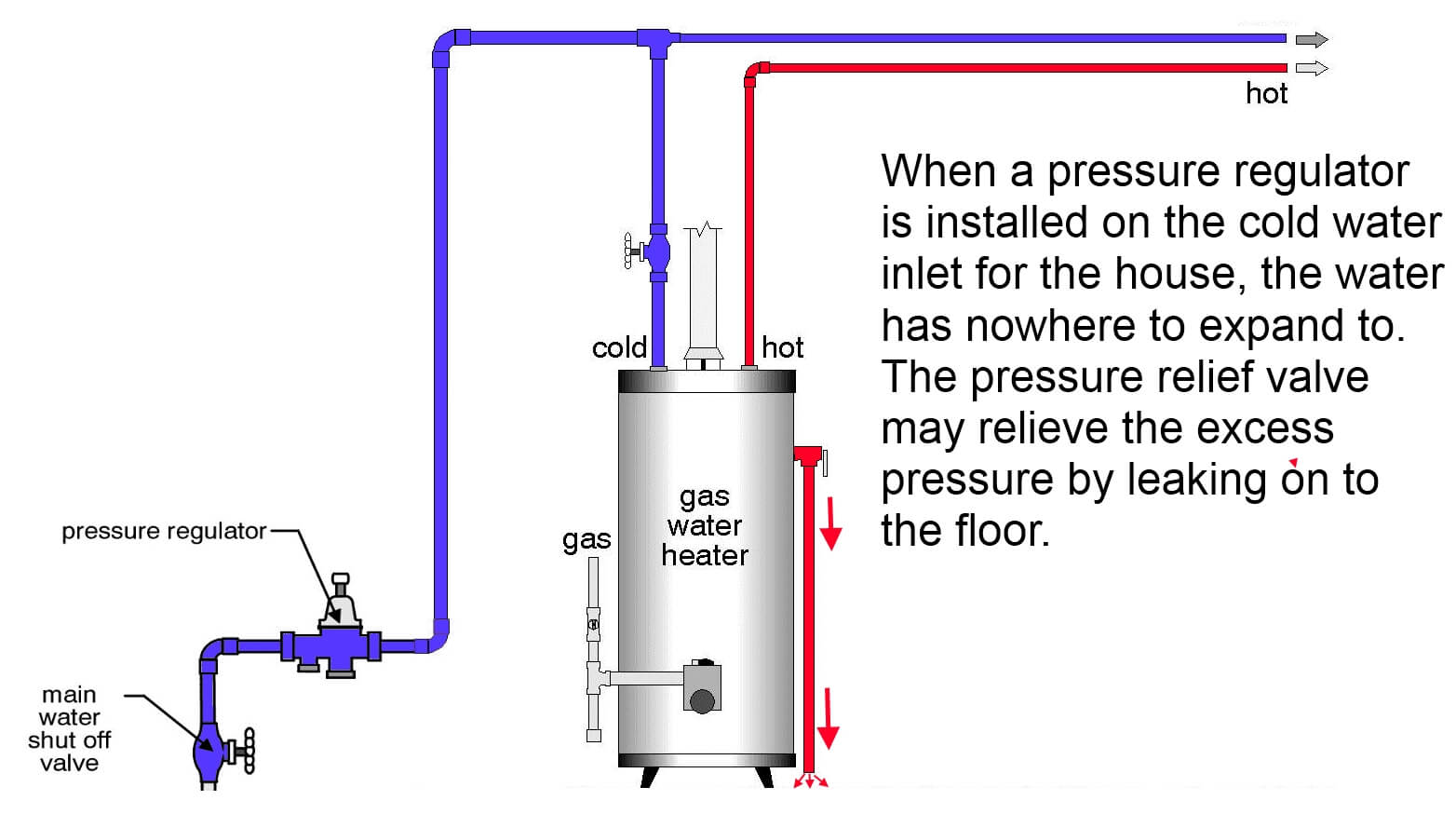
The primary function of a pressure regulator in a hot water system is to maintain a consistent and safe water pressure level. Municipal water supplies can fluctuate significantly, sometimes exceeding the safe operating pressure of a hot water heater. Excessive pressure can lead to several problems, including:
- Damage to the Water Heater: High pressure can stress the tank, leading to leaks or even catastrophic failure.
- Fixture Damage: Excessive pressure can damage faucets, showerheads, and other plumbing fixtures throughout the building.
- Reduced Efficiency: Fluctuating pressure can affect the heater's ability to maintain a consistent temperature, reducing efficiency.
- Safety Concerns: In extreme cases, over-pressurization can create a safety hazard, potentially causing explosions.
A pressure regulator, also sometimes called a pressure reducing valve (PRV), is installed on the incoming water line to the hot water heater. It reduces the incoming pressure to a pre-set level, typically between 50 and 60 PSI. This consistent pressure ensures safe and efficient operation of the hot water system.
Understanding How Pressure Regulators Work
A pressure regulator uses a diaphragm, a spring, and a valve to control water pressure. Here's a simplified explanation:
- Incoming water pressure acts on the diaphragm.
- The diaphragm pushes against a spring.
- The spring's tension determines the outlet pressure.
- The valve adjusts to maintain the pre-set pressure, regardless of fluctuations in the incoming pressure.
Most pressure regulators are adjustable, allowing technicians to fine-tune the outlet pressure to the specific needs of the system. However, improper adjustment can negate the regulator's benefits and even cause damage. Therefore, proper training and understanding are essential.
Career Paths and Certifications
A solid understanding of pressure regulators is crucial for various HVAC career paths, including:
- HVAC Technician: Responsible for installing, maintaining, and repairing hot water systems, including pressure regulators.
- Plumbing Technician: Often works with hot water systems and needs to understand pressure regulation.
- HVAC System Designer: Needs to specify the appropriate pressure regulator for a given system.
- HVAC Sales Engineer: Needs to understand the benefits of pressure regulators to effectively sell hot water systems.
Several certifications can enhance your career prospects in HVAC. Some of the most relevant include:
- NATE (North American Technician Excellence): Offers certifications for various HVAC specialties, including installation, service, and efficiency. A NATE certification demonstrates competence and professionalism. The median salary for an HVAC technician with NATE certification can range from $55,000 to $75,000 annually, depending on experience and location.
- EPA Section 608 Certification: Required for technicians who handle refrigerants. While not directly related to pressure regulators, it's a fundamental certification for many HVAC roles.
- Manufacturer-Specific Training: Many manufacturers offer training programs on their specific equipment, including hot water heaters and pressure regulators. These programs can provide valuable hands-on experience and specialized knowledge.
The job outlook for HVAC technicians is projected to grow by 6% from 2022 to 2032, about as fast as the average for all occupations, according to the Bureau of Labor Statistics. Approximately 38,200 openings for HVAC mechanics and installers are projected each year, on average, over the decade. This growth is driven by increasing demand for energy-efficient heating and cooling systems, as well as the need to replace aging infrastructure.
To illustrate a potential career path, consider Sarah, who started as an HVAC apprentice after completing a vocational program. She earned her EPA 608 certification and then specialized in hot water systems. Through on-the-job training and manufacturer-specific courses, she became proficient in installing and troubleshooting pressure regulators. After five years, Sarah obtained her NATE certification and now works as a lead technician, earning a comfortable salary and enjoying a rewarding career.
Installation and Maintenance Best Practices
Proper installation and maintenance are crucial for ensuring the long-term reliability of a pressure regulator. Here are some best practices:
- Installation:
- Install the regulator in a readily accessible location.
- Ensure the regulator is installed in the correct orientation (usually indicated by an arrow on the body).
- Install a strainer upstream of the regulator to prevent debris from entering and damaging the valve.
- Use Teflon tape or pipe dope on threaded connections.
- After installation, adjust the regulator to the desired outlet pressure using a pressure gauge.
- Maintenance:
- Inspect the regulator regularly for leaks or signs of corrosion.
- Check the outlet pressure periodically to ensure it's within the desired range.
- Flush the strainer regularly to remove any accumulated debris.
- If the regulator is not functioning properly, it may need to be repaired or replaced.
Troubleshooting Common Issues
Pressure regulators can experience various problems, including:
- Low Outlet Pressure: This could be caused by a clogged strainer, a malfunctioning valve, or an incorrectly adjusted spring.
- High Outlet Pressure: This could be caused by a faulty valve, a broken spring, or debris lodged in the valve seat.
- Fluctuating Outlet Pressure: This could be caused by a worn diaphragm, a malfunctioning valve, or excessive pressure fluctuations in the incoming water supply.
- Leaks: Leaks can occur at the connections or through the body of the regulator.
When troubleshooting a pressure regulator, it's essential to follow a systematic approach:
- Inspect the Regulator: Look for leaks, corrosion, or other signs of damage.
- Check the Strainer: Ensure the strainer is clean and free of debris.
- Verify Incoming Pressure: Use a pressure gauge to check the incoming water pressure.
- Adjust the Regulator: Try adjusting the regulator to see if the outlet pressure changes.
- Test the Regulator: If the problem persists, the regulator may need to be tested or replaced.
Consider this scenario: A homeowner complains of low water pressure throughout their house. An HVAC technician, recognizing the symptoms, first checks the pressure regulator on the hot water heater. Upon inspection, they find a heavily clogged strainer. After cleaning the strainer, the water pressure returns to normal, saving the homeowner the cost of a new regulator.
Industry Trends and Future Outlook
The HVAC industry is constantly evolving, with new technologies and regulations emerging regularly. Some of the current trends related to hot water systems and pressure regulators include:
- Smart Home Integration: Integrating hot water systems with smart home platforms allows for remote monitoring and control, improving efficiency and convenience.
- High-Efficiency Water Heaters: Demand for energy-efficient water heaters is increasing, driven by rising energy costs and environmental concerns.
- Tankless Water Heaters: Tankless water heaters are becoming increasingly popular due to their energy efficiency and space-saving design.
- Water Conservation: Water conservation is a growing concern, leading to the development of more water-efficient plumbing fixtures and appliances.
These trends create new opportunities for HVAC professionals who are knowledgeable about the latest technologies and best practices. Staying up-to-date through continuing education and industry certifications is crucial for career advancement.
Employers are increasingly seeking HVAC technicians with a strong understanding of pressure regulation and other critical system components. Investing in training and certifications can significantly improve your job prospects and earning potential. For employers, providing ongoing training to their employees ensures they have the skills and knowledge to provide top-quality service and maintain customer satisfaction.
In conclusion, the pressure regulator for a hot water heater is a vital component that ensures the safe, efficient, and reliable operation of the system. A thorough understanding of its function, installation, maintenance, and troubleshooting is essential for HVAC professionals. By investing in training, certifications, and staying abreast of industry trends, both technicians and employers can thrive in this dynamic and growing field. The median annual wage for HVAC mechanics and installers was $59,620 in May 2023. The best-paid 10 percent earned more than $82,420.