Pressure Relief Valve For Water Line
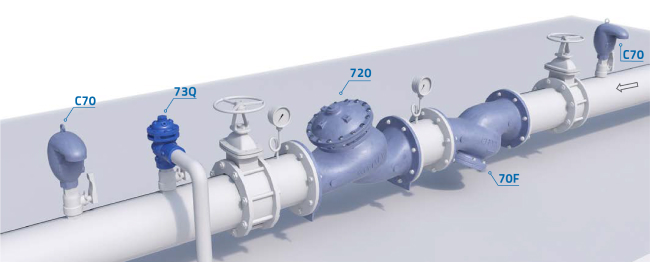
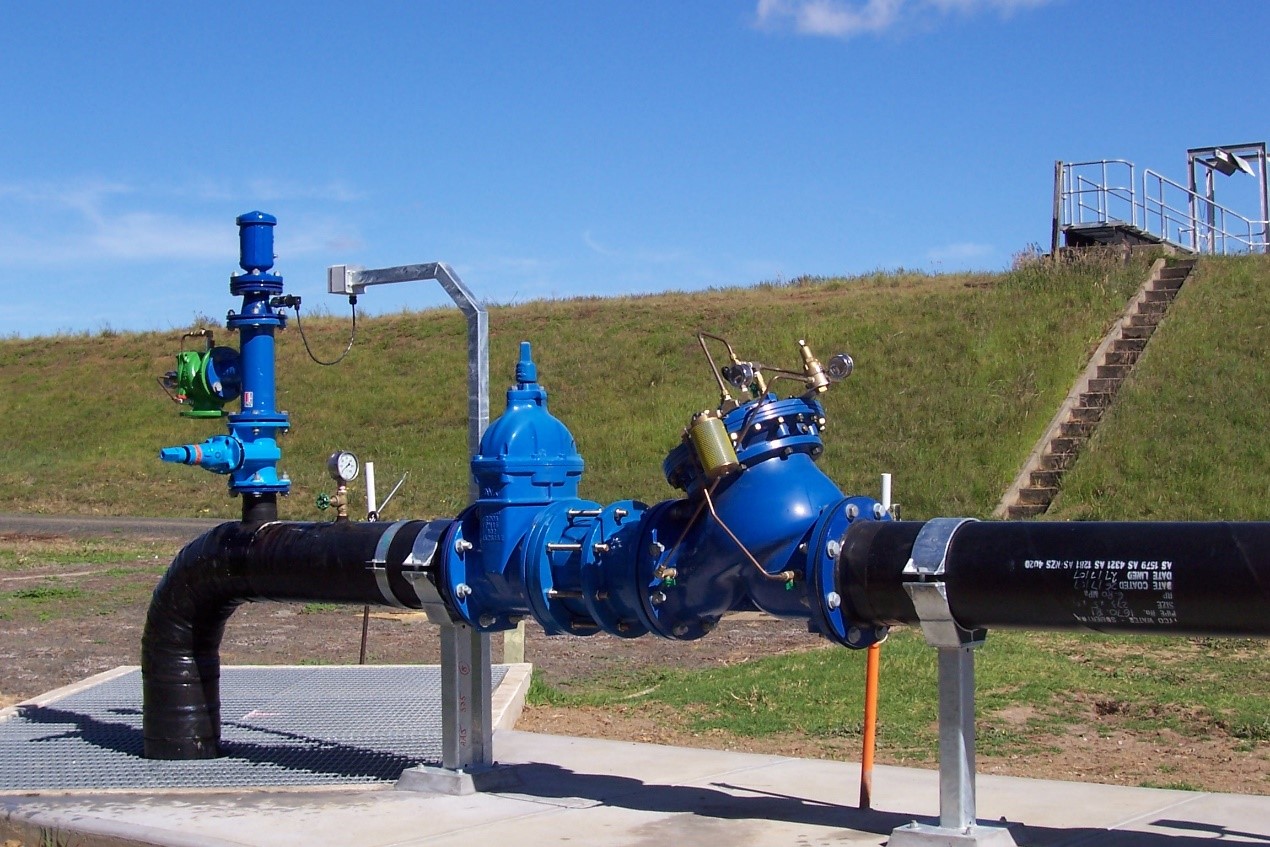
A pressure relief valve (PRV), often overlooked but critically important, is a safety device designed to protect your plumbing system and appliances from dangerous overpressure. Think of it as a silent guardian, preventing potentially catastrophic failures and expensive repairs. This guide will delve into the function, types, selection, and maintenance of pressure relief valves specifically for water lines, providing you with the knowledge to make informed decisions regarding your home's plumbing safety.
Understanding Pressure Relief Valves for Water Lines
The primary function of a PRV is to release excess pressure within a closed water system. This excess pressure can be caused by thermal expansion (water heating up), water hammer (sudden stoppage of water flow), or malfunctions in the main water supply. Without a PRV, this pressure could build to a point where it ruptures pipes, damages appliances like water heaters and dishwashers, or even causes explosions.
How a Pressure Relief Valve Works
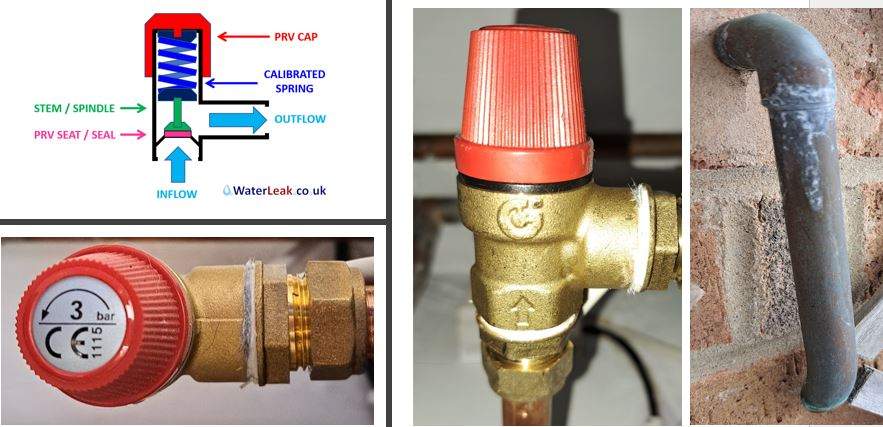
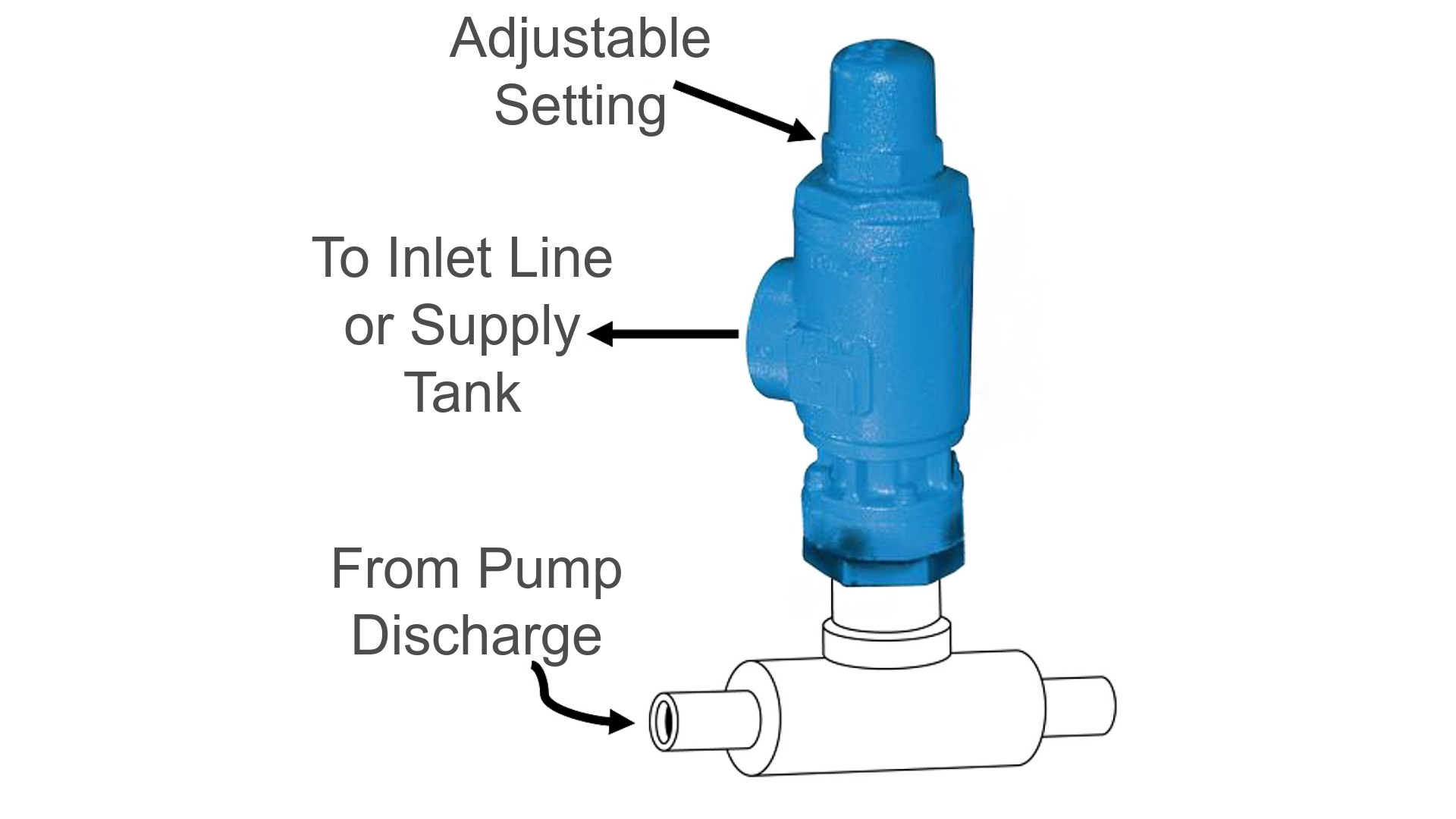
A typical PRV contains a spring-loaded valve that is set to open at a specific pressure threshold. When the pressure in the water line exceeds this setting, the spring compresses, allowing the valve to open and release water until the pressure drops back to a safe level. Once the pressure is reduced, the spring reseats the valve, stopping the flow of water. This process is automatic and requires no external power.
Types of Pressure Relief Valves
Several types of PRVs are available for water line applications, each with its own characteristics and suitability for different situations. Here's a breakdown of the most common types:
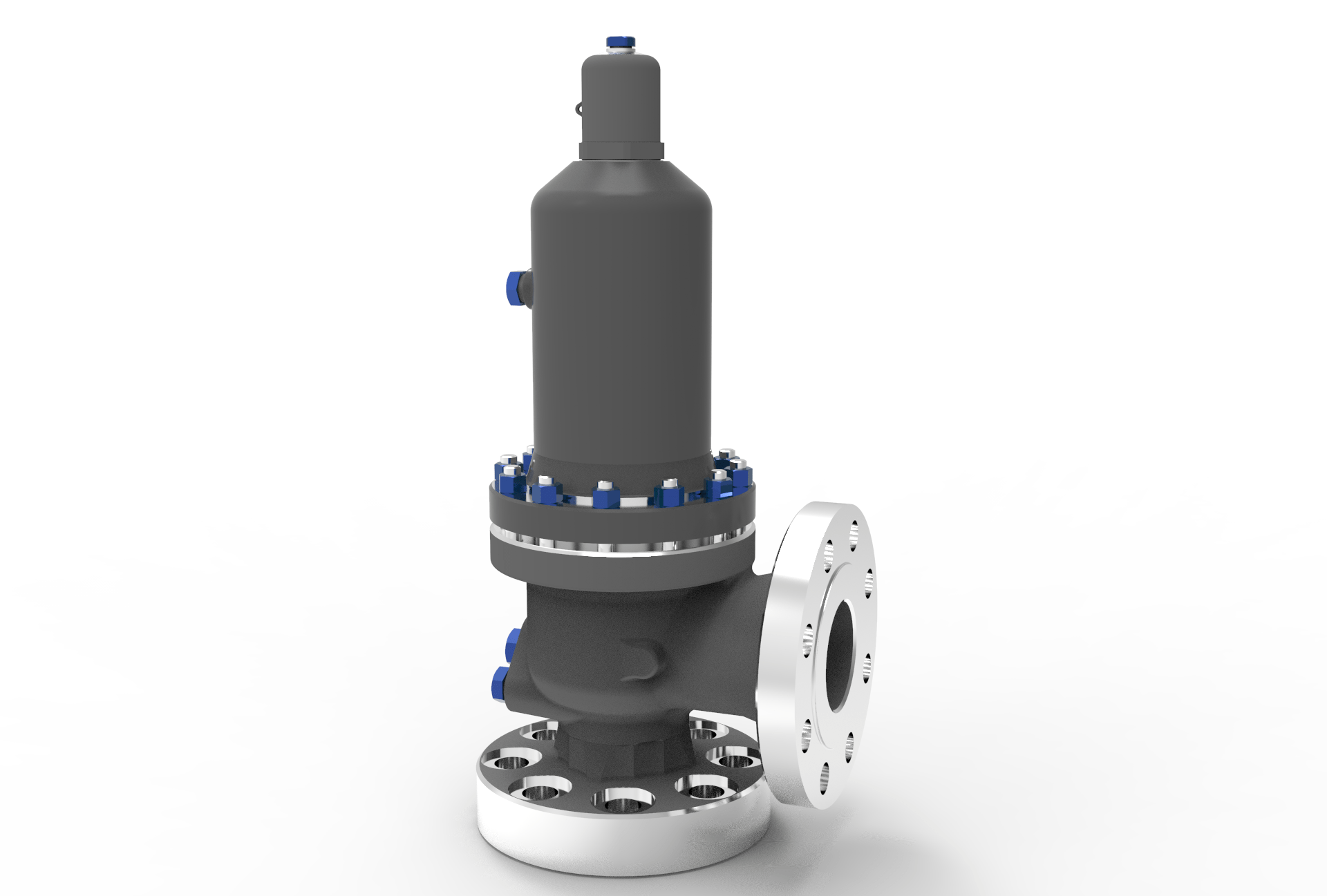
- Spring-Loaded PRVs: These are the most common type and are suitable for a wide range of applications. They use a spring to control the opening and closing of the valve. Their simplicity and reliability make them a popular choice for residential and commercial plumbing systems.
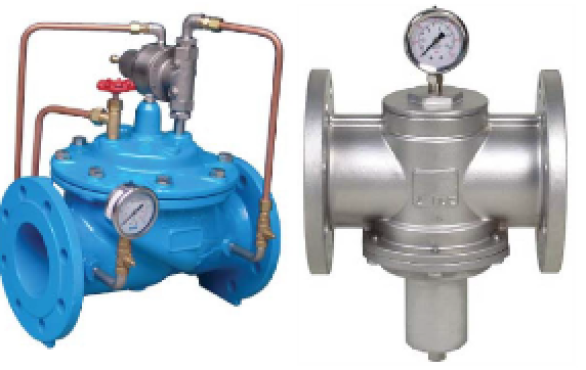
- Diaphragm-Operated PRVs: These valves use a diaphragm to sense pressure changes and control the valve opening. They are generally more sensitive to pressure fluctuations and can provide more precise pressure regulation than spring-loaded valves. They are often used in applications where precise pressure control is critical, such as in water heaters and industrial processes.
- Temperature and Pressure Relief Valves (TPR Valves): These valves combine pressure relief with temperature sensing. They are commonly used in water heaters to protect against both overpressure and overheating. If either the pressure or temperature exceeds a preset limit, the valve will open to relieve the excess. TPR valves are a crucial safety component for water heaters.
Choosing the Right Pressure Relief Valve
Selecting the correct PRV for your water line is crucial for ensuring proper protection. Here are some factors to consider:
- Pressure Setting: The pressure setting of the PRV should be slightly higher than the normal operating pressure of your water system but below the maximum pressure rating of your plumbing components. Consult your local plumbing code or a qualified plumber to determine the appropriate pressure setting for your application. Typically, residential systems are protected to 80 PSI.
- Valve Size: The size of the PRV should be adequate to handle the potential flow rate of excess pressure. A valve that is too small may not be able to relieve pressure quickly enough, while a valve that is too large may cause unnecessary pressure fluctuations.
- Material: PRVs are typically made of brass, bronze, or stainless steel. Brass and bronze are suitable for most residential applications, while stainless steel is preferred for corrosive environments or high-temperature applications.
- Connection Type: PRVs are available with various connection types, such as threaded, soldered, or flanged. Choose a connection type that is compatible with your existing plumbing system.
- Certification: Look for PRVs that are certified by reputable organizations such as the American Society of Mechanical Engineers (ASME) or the Canadian Standards Association (CSA). Certification ensures that the valve meets established safety and performance standards.
Installation and Maintenance
Proper installation and regular maintenance are essential for ensuring the reliable operation of your PRV.
Installation
It is always best to have a licensed plumber install a PRV. However, if you are experienced with plumbing work, you can install it yourself. Here are some general guidelines:
- Turn off the water supply: Before beginning any plumbing work, turn off the main water supply to your house.
- Locate the PRV: Typically, the PRV is installed on the cold water inlet pipe of the water heater or near the main water supply line.
- Install the PRV: Follow the manufacturer's instructions for installing the PRV. Ensure that the valve is installed in the correct orientation and that all connections are properly tightened.
- Test the PRV: After installation, test the PRV by manually opening it to ensure that it relieves pressure.
Maintenance
Regular maintenance can help to extend the life of your PRV and prevent potential problems. Here are some maintenance tips:
- Test the PRV regularly: At least once a year, manually test the PRV by lifting the lever or handle to release water. This will help to ensure that the valve is functioning properly and that it is not clogged with debris.
- Inspect the PRV for leaks: Check the PRV for leaks around the valve body or connections. If you notice any leaks, repair or replace the valve as needed.
- Clean the PRV: Periodically clean the PRV to remove any sediment or debris that may have accumulated inside the valve. Follow the manufacturer's instructions for cleaning the PRV.
- Replace the PRV: PRVs have a limited lifespan and should be replaced every five to ten years, or sooner if they show signs of wear or damage.
Potential Problems and Solutions
Even with proper installation and maintenance, PRVs can sometimes experience problems. Here are some common issues and their solutions:
- Valve Leaking: A leaking PRV can be caused by a worn-out valve seat, debris lodged in the valve, or excessive pressure fluctuations. Try flushing the valve to remove any debris. If the leaking persists, the valve may need to be replaced.
- Valve Not Releasing Pressure: If the PRV is not releasing pressure when it should, it may be stuck or clogged. Try manually opening the valve to dislodge any debris. If the valve still does not release pressure, it may need to be replaced.
- Noisy Valve: A noisy PRV can be caused by vibrations or turbulence in the water flow. Try adjusting the water pressure or installing a water hammer arrestor to reduce the noise.
Cost Considerations
The cost of a pressure relief valve varies depending on the type, size, material, and brand. Spring-loaded PRVs typically range from $20 to $50, while diaphragm-operated PRVs can cost $50 to $100 or more. TPR valves, designed for water heaters, usually fall in the $30-$60 range. Installation costs will depend on the complexity of the job and the hourly rate of the plumber. Factor in the cost of materials such as piping, fittings, and thread sealant. Investing in a high-quality PRV from a reputable brand is a worthwhile investment to protect your plumbing system and avoid costly repairs down the line.
Top Brands and Models
Several reputable manufacturers produce high-quality pressure relief valves. Here are a few of the top brands and models:
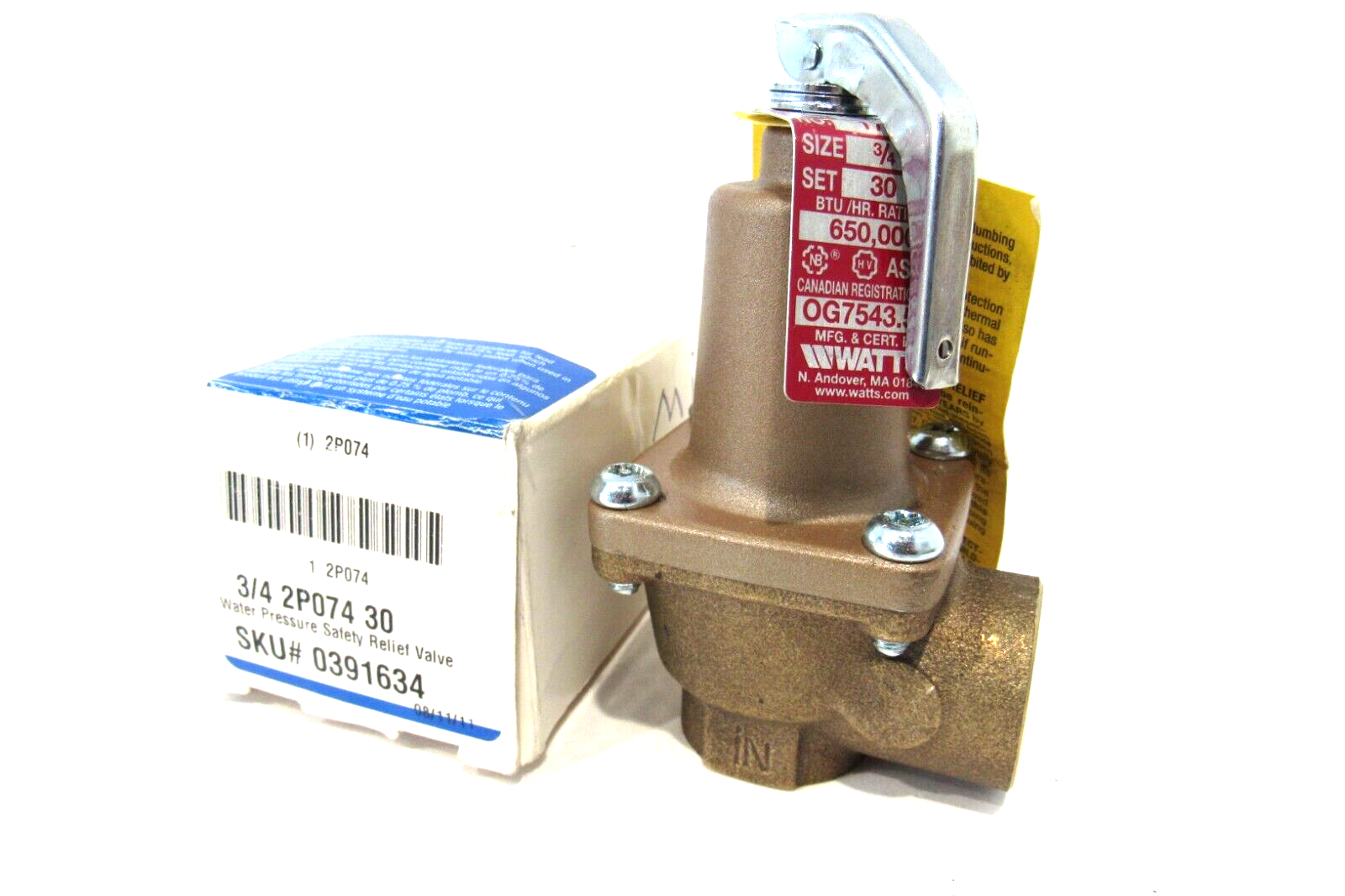
- Watts: Watts is a leading manufacturer of plumbing and heating products, including PRVs. Their products are known for their reliability and durability. Popular models include the Watts 3/4" LF25AUB-Z3 Pressure Relief Valve and the Watts 1/2" 777 TPR Valve.
- Cash Acme: Cash Acme is another well-known manufacturer of plumbing valves and fittings. Their PRVs are designed for both residential and commercial applications. Consider the Cash Acme HG110 Pressure Regulating Valve.
- Honeywell: While primarily known for thermostats and HVAC controls, Honeywell also offers a range of plumbing products, including PRVs. Their products are known for their advanced features and ease of use.
- Apollo Valves: Apollo Valves is a manufacturer specializing in various valve types, including pressure relief valves known for their robust construction and reliable performance.
Warranty Information
Most PRVs come with a limited warranty that covers defects in materials and workmanship. The length of the warranty can vary from one year to five years, depending on the manufacturer and model. Be sure to read the warranty carefully to understand the coverage and any limitations. Proper installation and maintenance are typically required to maintain the warranty.
Conclusion
A pressure relief valve is an indispensable safety device for any water line system. By understanding its function, types, selection criteria, and maintenance requirements, you can ensure the safety and longevity of your plumbing system and appliances. Investing in a high-quality PRV and performing regular maintenance is a small price to pay for the peace of mind that comes with knowing your home is protected from the dangers of overpressure.