Pressure Relief Valve Leaking On Water Heater

A leaking pressure relief valve (PRV) on a water heater is a common problem that can indicate a range of issues, from minor inconveniences to potentially dangerous conditions. Understanding why a PRV leaks, how to diagnose the cause, and what steps to take to fix it is crucial for homeowners, HVAC technicians, and facility managers alike. This article provides a comprehensive guide to troubleshooting and resolving PRV leaks, covering everything from basic explanations to advanced troubleshooting techniques.
Understanding the Pressure Relief Valve
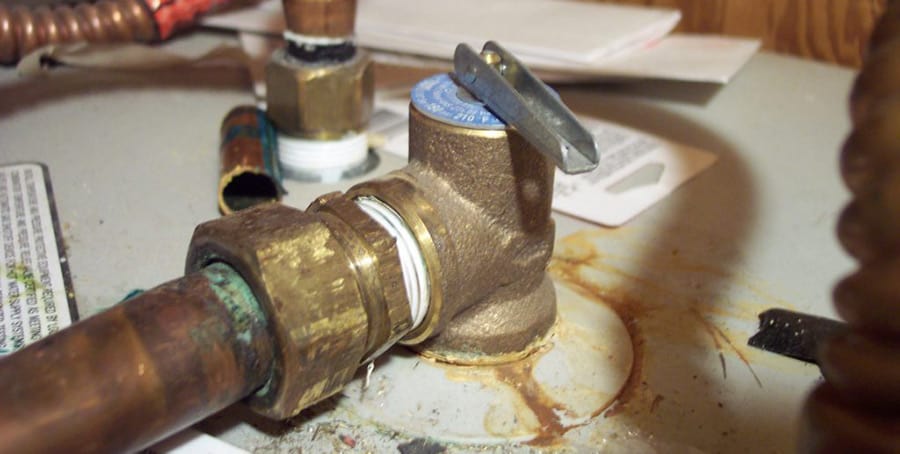
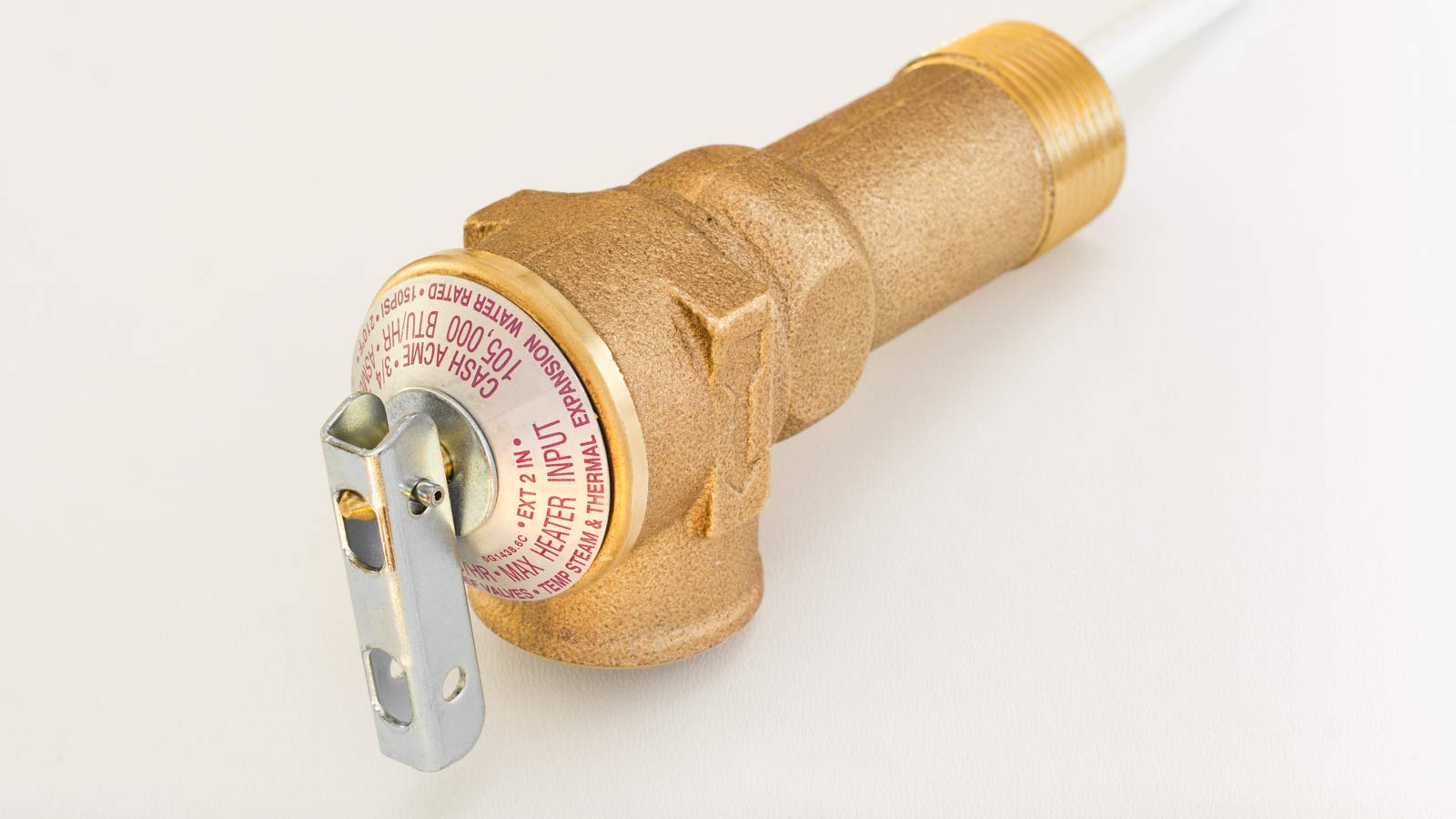
The pressure relief valve, sometimes referred to as a temperature and pressure relief valve (T&P valve), is a safety device designed to protect your water heater from overpressure and overheating. It’s typically located near the top of the water heater tank and is connected to a discharge pipe that extends down to within 6 inches of the floor. When the pressure or temperature inside the tank exceeds safe limits, the PRV automatically opens, releasing water to reduce the pressure or temperature and prevent a potential explosion. Think of it as a critical emergency escape hatch for your water heater.
Understanding the difference between a temperature relief valve and a pressure relief valve can be important. Although combined into one unit, the T&P valve, each component has a distinct purpose. The temperature relief opens when the water temperature exceeds 210°F (99°C), while the pressure relief opens when the pressure exceeds the set limit, usually 150 psi.
Common Causes of a Leaking PRV
Several factors can contribute to a leaking PRV. Identifying the specific cause is the first step in resolving the issue. Here are some of the most common culprits:
High Water Pressure
Excessive water pressure in your home's plumbing system is a frequent cause of PRV leaks. If the incoming water pressure is too high, it can exceed the valve's pressure rating, causing it to open and release water. Ideal water pressure for most homes is between 40 and 60 psi. Anything significantly above this range can stress your plumbing system and trigger the PRV.
Excessive Temperature
If the water temperature inside the tank is too high, the PRV will activate to prevent dangerous overheating. This can happen if the thermostat on the water heater is set too high or if the thermostat malfunctions. Some older thermostats can become inaccurate over time, leading to inconsistent temperature regulation.
Sediment Buildup
Over time, sediment can accumulate in the bottom of the water heater tank. This sediment can insulate the heating element, causing it to overheat and increasing the pressure inside the tank. Sediment can also interfere with the proper functioning of the PRV itself, preventing it from sealing correctly after it opens. This is especially prevalent in areas with hard water.
Faulty PRV
Like any mechanical device, PRVs can fail over time. The internal components can corrode, become damaged, or simply wear out, leading to leaks. A PRV that is old or has been frequently activated is more likely to fail.
Thermal Expansion
As water heats up, it expands. In a closed plumbing system, this expansion can cause the pressure to increase. If there is no expansion tank installed, the pressure can rise high enough to trigger the PRV. This is particularly common after a large volume of water has been heated.
Diagnosing the Leak
Before attempting any repairs, it's essential to accurately diagnose the cause of the leak. Here's a step-by-step approach:
- Visual Inspection: Carefully examine the PRV and the surrounding area for any signs of damage or corrosion. Look for water stains or mineral deposits, which can indicate a long-term leak.
- Pressure Test: Use a water pressure gauge to measure the water pressure in your home's plumbing system. Attach the gauge to an outdoor faucet or a laundry machine connection. If the pressure is consistently above 80 psi, you likely have a high-pressure issue.
"High water pressure not only affects your water heater but can also damage other appliances like washing machines and dishwashers."
- Temperature Check: Check the temperature setting on your water heater thermostat. Ensure it is set to the recommended temperature (typically around 120°F). Use a thermometer to verify the actual water temperature at a faucet.
- PRV Test: Manually test the PRV by lifting the lever. Water should flow freely out of the discharge pipe. Release the lever, and the valve should snap shut, completely stopping the flow of water. If the valve continues to drip or leak after testing, it may be faulty. Caution: The water released will be hot. Be careful to avoid scalding.
- Expansion Tank Check: If you have an expansion tank, check its pressure. A properly functioning expansion tank will have an air charge that matches your water pressure. You can check the air charge with a tire pressure gauge. A tank that is waterlogged (completely filled with water) or has lost its air charge will not be able to accommodate thermal expansion.
- Sediment Check: Drain a few gallons of water from the bottom of the water heater tank. If the water is cloudy or contains sediment, sediment buildup may be contributing to the problem.
Troubleshooting and Solutions
Once you've identified the cause of the leak, you can take appropriate steps to resolve it.
Reducing High Water Pressure
If high water pressure is the issue, the solution is to install a pressure-reducing valve (PRV) on the main water supply line. This valve will regulate the water pressure entering your home, protecting your plumbing system and appliances. A qualified plumber should install the PRV and set it to the appropriate pressure (40-60 psi). The cost of a pressure-reducing valve and installation typically ranges from $200 to $500, depending on the complexity of the installation.
Adjusting Water Heater Temperature
If the water heater temperature is set too high, simply adjust the thermostat to the recommended setting (120°F). If the thermostat is malfunctioning, it may need to be replaced. Thermostats are relatively inexpensive, costing around $20-$50, and are relatively easy to replace for a DIY-savvy homeowner. However, if you're not comfortable working with electricity, it's best to call a qualified technician.
Flushing the Water Heater
To remove sediment buildup, flush the water heater tank. This involves draining the tank and removing any accumulated sediment. Consult your water heater's manual for specific instructions. Generally, you'll need to turn off the power or gas to the water heater, connect a hose to the drain valve at the bottom of the tank, and open the valve to drain the water. Repeat the process until the water runs clear. Flushing your water heater annually can help prevent sediment buildup and extend the life of your water heater.
Replacing the PRV
If the PRV is faulty, it needs to be replaced. Turn off the water supply to the water heater and drain the tank partially before removing the old valve. Wrap Teflon tape around the threads of the new valve and screw it into place. Tighten securely, but be careful not to overtighten. A new PRV typically costs between $20 and $50. Remember to test the new valve after installation to ensure it is functioning correctly. A leaking or damaged PRV needs immediate replacement to avoid risks.
Installing or Repairing an Expansion Tank
If your home doesn't have an expansion tank, consider installing one. An expansion tank provides a space for the water to expand as it heats up, preventing pressure buildup. If you already have an expansion tank, check its pressure and ensure it is properly charged. If the tank is waterlogged or has lost its air charge, it may need to be recharged or replaced. The cost of installing an expansion tank typically ranges from $150 to $400, including labor.
Preventative Maintenance
Regular preventative maintenance can help prevent PRV leaks and extend the life of your water heater.
- Annual Flushing: Flush the water heater tank annually to remove sediment buildup.
- Pressure Testing: Periodically check your home's water pressure.
- PRV Inspection: Inspect the PRV regularly for signs of corrosion or damage.
- Expansion Tank Check: Check the expansion tank's pressure annually.
When to Call a Professional
While some PRV issues can be resolved with DIY solutions, it's important to know when to call a professional HVAC technician or plumber. If you are not comfortable working with plumbing or electrical components, or if you are unable to diagnose the cause of the leak, it's best to seek professional help. Additionally, if you suspect a serious issue, such as a faulty thermostat or a damaged water heater tank, contact a qualified technician immediately.
Ignoring a leaking PRV can lead to water damage, energy waste, and potentially dangerous situations. By understanding the causes of PRV leaks, how to diagnose them, and what steps to take to fix them, you can ensure the safe and efficient operation of your water heater.
Cost Comparison: DIY vs. Professional Repair
Deciding whether to tackle a PRV leak yourself or hire a professional often comes down to cost and comfort level. Here's a basic cost comparison:
- DIY Repair:
- Pros: Lower cost (parts only), convenience of doing it yourself.
- Cons: Requires knowledge and tools, potential for mistakes, may not address underlying issues.
- Estimated Cost: $20-$100 (depending on parts needed)
- Professional Repair:
- Pros: Expert diagnosis, proper repair, warranty on work, peace of mind.
- Cons: Higher cost, scheduling required.
- Estimated Cost: $150-$500 (depending on the complexity of the repair)