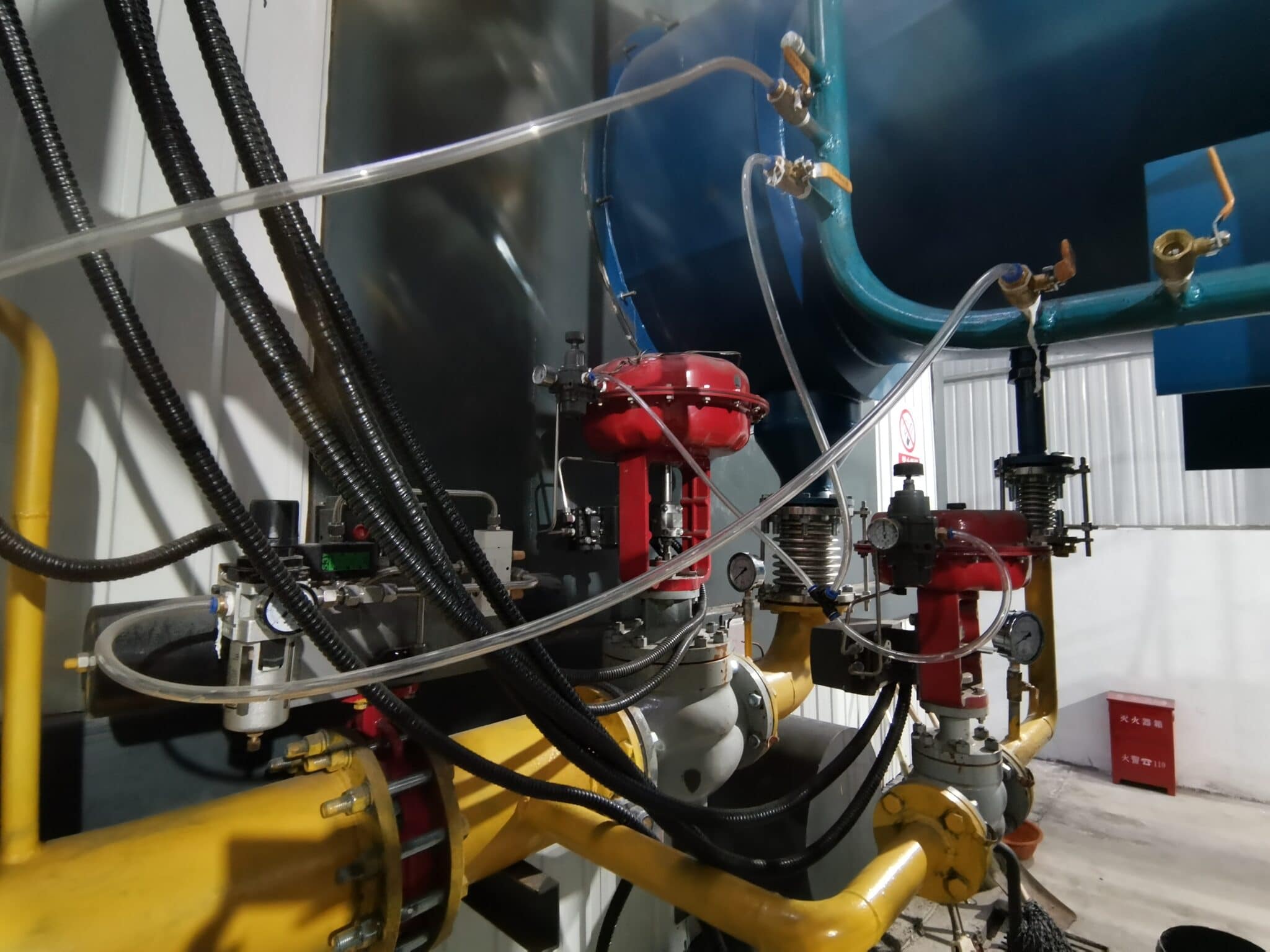
Pressure Relief Valve On A Boiler
Frequently Asked Questions: Boiler Pressure Relief Valves
A boiler pressure relief valve is a crucial safety device. It protects your boiler and the surrounding system from over-pressurization, which can lead to dangerous and costly situations. This FAQ addresses common questions about these valves, offering clear and concise answers for homeowners and facility managers.
1. What is a boiler pressure relief valve and what does it do?
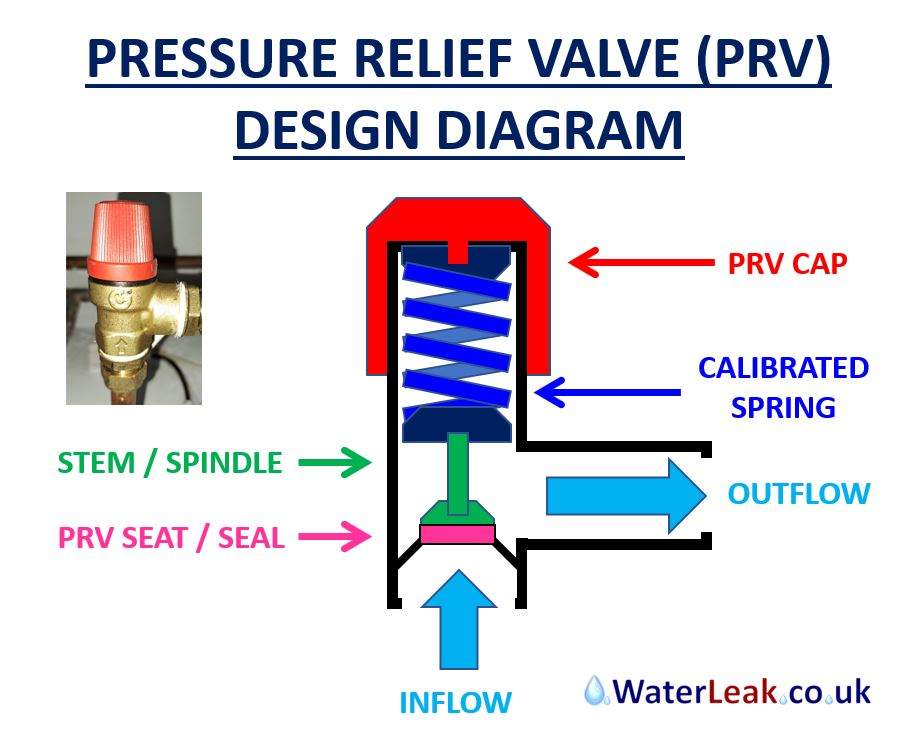
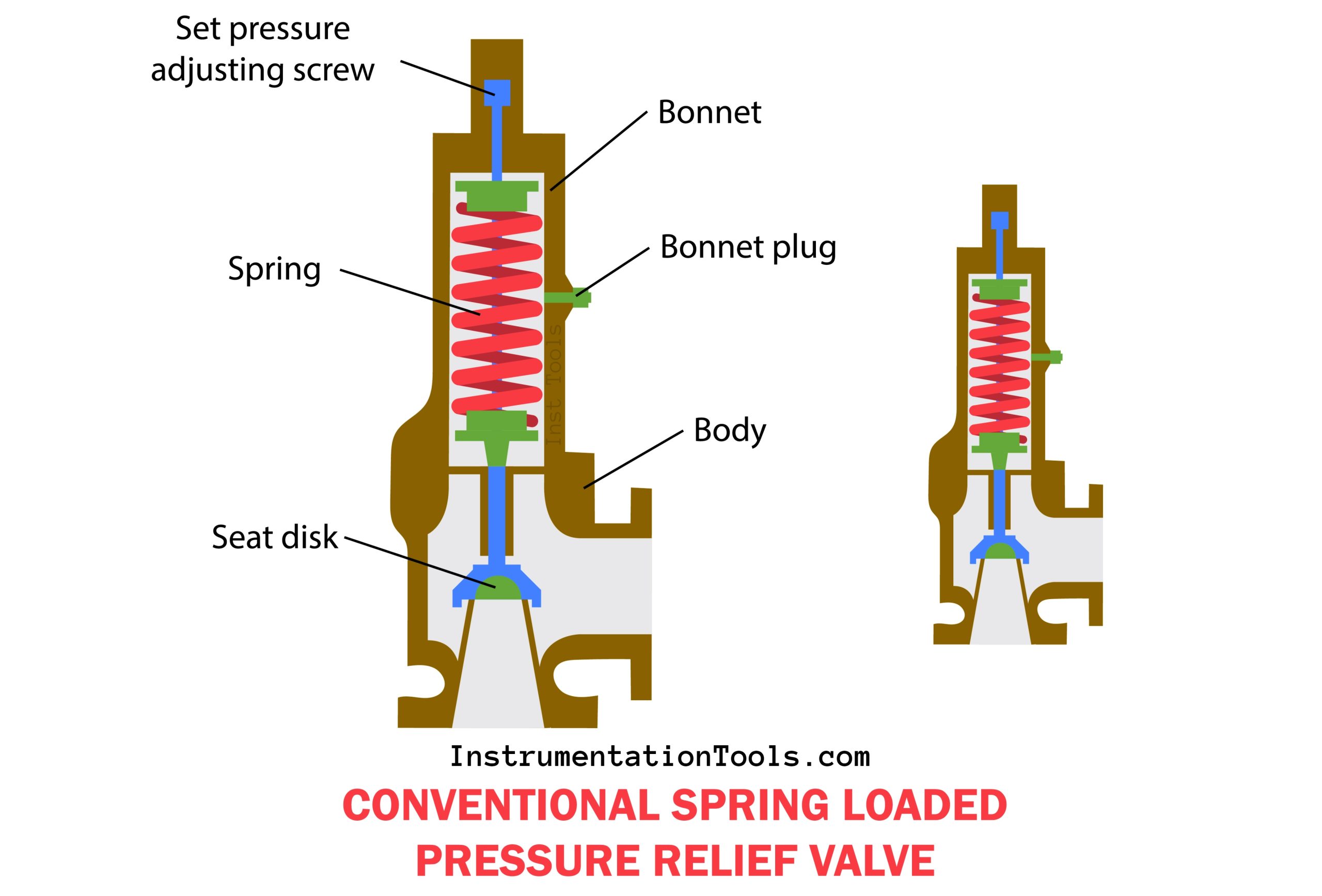
A boiler pressure relief valve (PRV) is a spring-loaded safety valve designed to automatically release excess pressure from your boiler. Think of it like a safety valve on a pressure cooker. When the pressure inside the boiler exceeds a pre-set limit, the valve opens and releases steam or hot water, reducing the pressure to a safe level. This prevents the boiler from potentially exploding due to over-pressurization.
Here's a simple breakdown of its function:
- Monitors Pressure: Continuously monitors the pressure inside the boiler.
- Detects Overpressure: Identifies when the pressure exceeds the set point.
- Releases Pressure: Opens and discharges steam/water to reduce pressure.
- Reseals: Closes again once the pressure drops back to a safe level.
2. Where is the pressure relief valve located on my boiler?
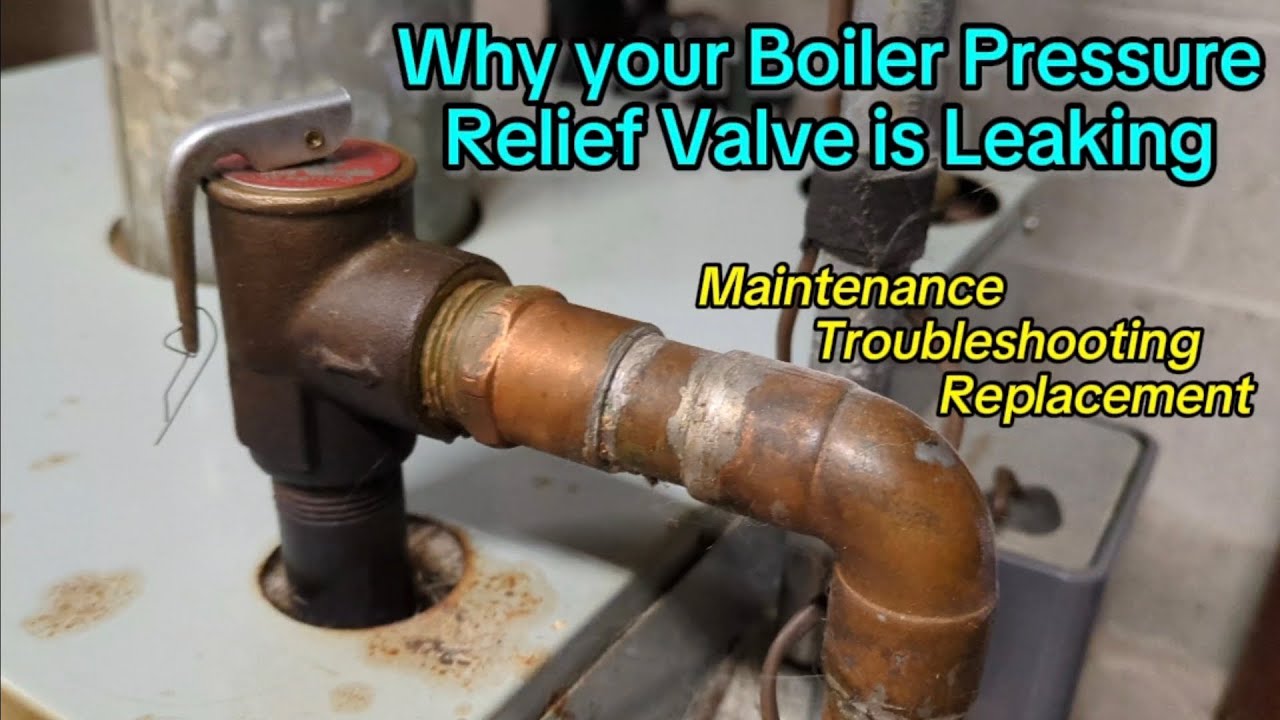
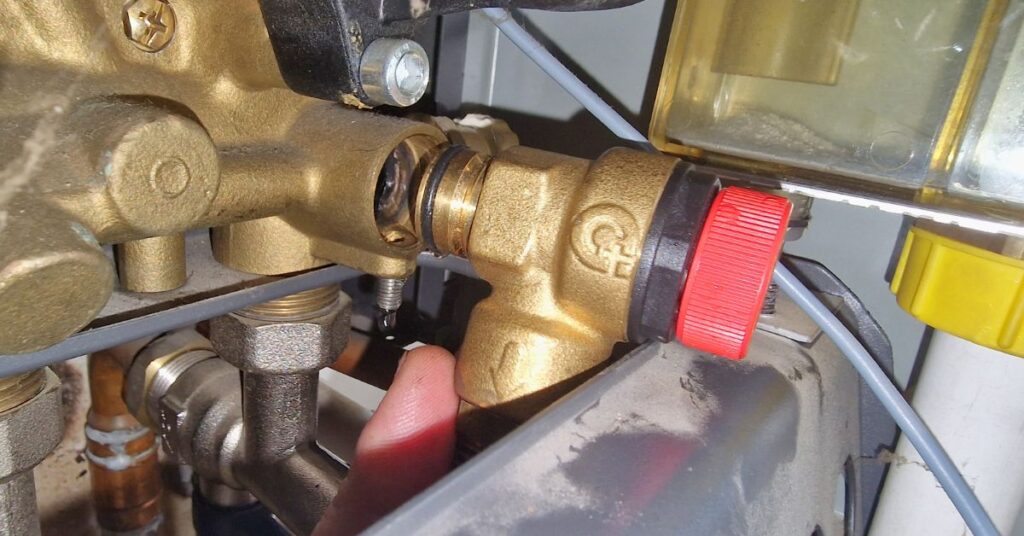
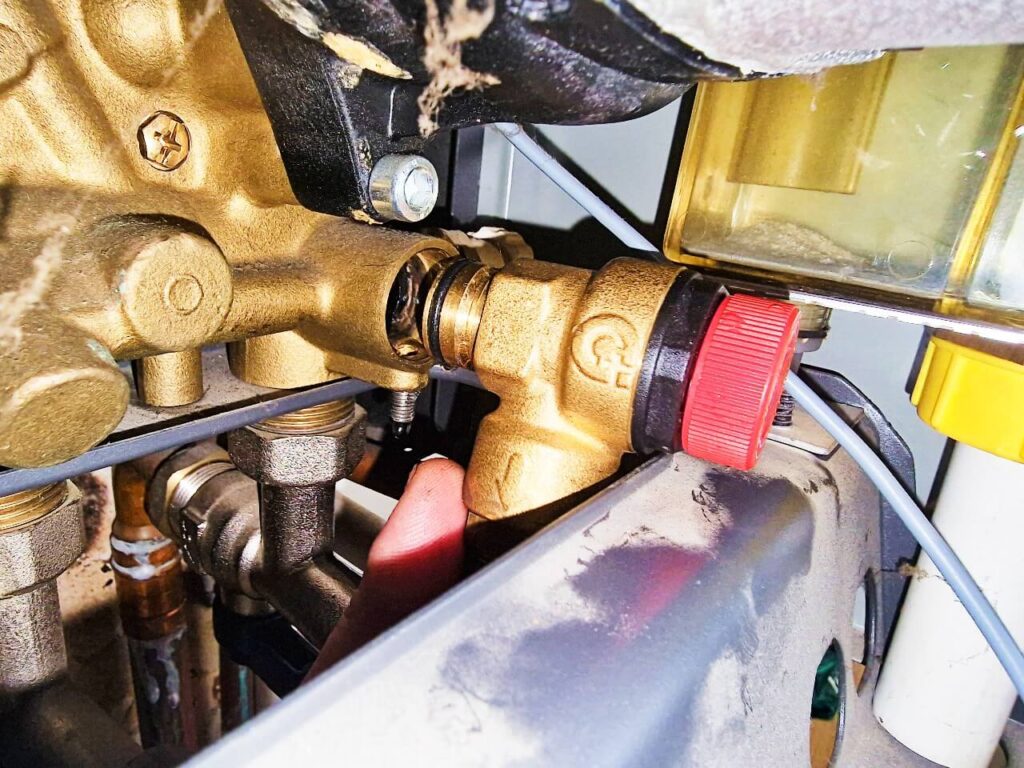
The pressure relief valve is typically located on the top or side of the boiler, usually near the top to vent steam effectively. It's often a bronze or brass-colored fitting with a lever or handle on top. There's usually a discharge pipe connected to the valve that directs the released steam or water safely away from the boiler and personnel.
Important: Never block or obstruct the discharge pipe. It needs to be clear so the pressure can be released safely.
If you're unsure of the exact location, consult your boiler's installation manual or contact a qualified HVAC technician.
3. What causes a pressure relief valve to open or leak?
A pressure relief valve opening or leaking can be caused by several factors. Understanding these can help you troubleshoot the issue and prevent future occurrences:
- Excessive Boiler Pressure: This is the most common reason. It could be due to a malfunctioning pressure reducing valve, a faulty control system, or an overfilled boiler.
- High Water Temperature: If the water temperature in the boiler rises excessively, it can create steam and increase pressure beyond the valve's set point.
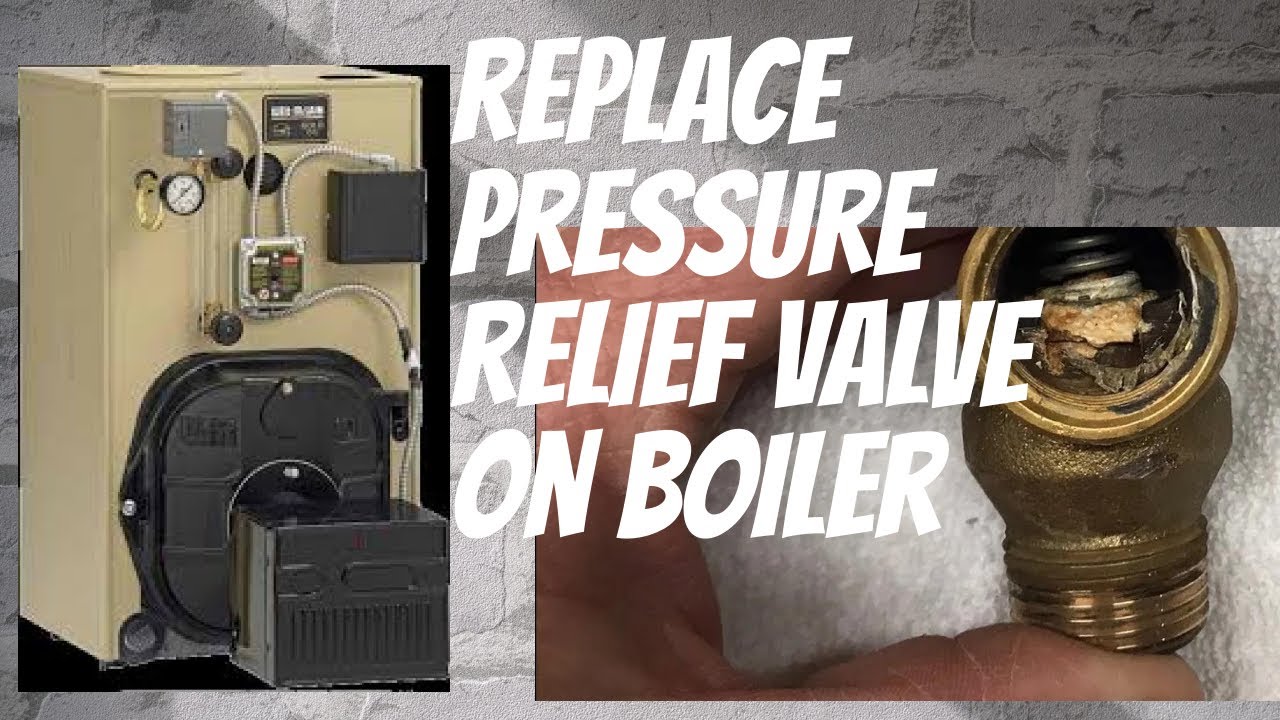
- Valve Corrosion or Damage: Over time, the valve's internal components can corrode or become damaged, preventing it from sealing properly. Hard water can accelerate this process.
- Sediment Buildup: Sediment or debris can accumulate in the valve seat, preventing it from sealing completely.
- Incorrect Pressure Setting: The pressure relief valve may be set to a pressure that is too low for your system.
- Thermal Expansion: In closed loop systems, thermal expansion of the water can cause the pressure to rise. An expansion tank is supposed to handle this, but if it fails, the relief valve might open.
If your pressure relief valve is consistently opening or leaking, it's a sign of a serious problem that needs immediate attention.
4. Is it normal for a pressure relief valve to drip occasionally?
While a small drip after a pressure relief valve has opened and reseated itself may be normal, consistent dripping or leaking is not. A slight drip can occur if a small amount of water is trapped in the valve after it releases pressure. However, if the dripping persists, it indicates a problem with the valve's sealing mechanism or ongoing over-pressurization in the boiler system.
Consider it a warning sign: Any continuous leak, no matter how small, should be investigated by a qualified HVAC professional.
5. How do I test my boiler pressure relief valve?
Testing your pressure relief valve is an important safety measure. However, proceed with caution as hot water and steam can cause burns.
Here's a simple test procedure:
- Locate the Lever: Find the lever or handle on top of the pressure relief valve.
- Lift the Lever Carefully: Gently lift the lever manually. This should force the valve to open and release a burst of steam or water.
- Observe the Discharge: Ensure the discharged steam or water is directed safely away from you and others.
- Release the Lever: Release the lever and observe the valve. It should snap closed and stop releasing steam or water.
- Check for Leaks: After testing, carefully inspect the valve for any leaks.
Important Considerations:
- Wear Protective Gear: Wear safety glasses and gloves to protect yourself from hot water and steam.
- Do Not Force: If the lever is stuck or difficult to move, do not force it. Call a qualified technician.
- Check Pressure Gauge: While testing, observe the boiler's pressure gauge to ensure it doesn't exceed the valve's pressure rating.
- Frequency: It's recommended to test your pressure relief valve at least once a year.
If the valve fails to open, leaks excessively after testing, or the lever is stuck, it needs to be replaced by a qualified technician.
6. What is the pressure rating of my boiler's pressure relief valve, and why is it important?
The pressure rating, usually expressed in PSI (pounds per square inch), indicates the maximum pressure the valve is designed to withstand before opening and releasing pressure. This rating is crucial because it's specifically chosen to protect your boiler from exceeding its maximum allowable working pressure (MAWP).
Where to find the pressure rating:
- Valve Body: The pressure rating is usually stamped or printed directly on the valve body itself. Look for a number followed by "PSI".
- Boiler Manual: Your boiler's installation and operating manual should also specify the correct pressure relief valve rating for your specific boiler model.
Why it's important:
- Boiler Protection: Using a valve with the correct pressure rating ensures that the boiler is protected from over-pressurization.
- Safety: A valve with the wrong rating can be dangerous. A valve with too *low* a pressure rating may open prematurely, causing nuisance trips and potential water damage. A valve with too *high* a pressure rating might not open at all, potentially leading to a boiler explosion.
- Code Compliance: Most jurisdictions have building codes that specify the required pressure relief valve rating for boilers.
Never replace a pressure relief valve with one that has a different pressure rating than specified in your boiler's manual or required by local codes. Contact a qualified HVAC professional if you are unsure about the correct pressure rating for your boiler.
7. Can I replace the pressure relief valve myself?
While some handy homeowners might be tempted to replace the pressure relief valve themselves, it's generally not recommended unless you have extensive plumbing and boiler experience.
Here's why:
- Safety Concerns: Boilers operate with high pressure and temperature, so improper handling can lead to serious burns or explosions.
- Proper Installation: Correct installation is crucial for the valve to function properly. Incorrect installation can render the valve useless or even dangerous.
- System Depressurization: You need to safely depressurize and drain the boiler system before removing the old valve. This requires specific knowledge and tools.
- Correct Replacement Valve: Choosing the correct replacement valve with the appropriate pressure rating and thread size is essential. Using the wrong valve can be dangerous.
- Code Compliance: Local codes may require a licensed professional to perform boiler repairs.
It's always best to hire a qualified and licensed HVAC technician to replace your boiler pressure relief valve. They have the expertise, tools, and training to do the job safely and correctly, ensuring the continued safe operation of your boiler system.
By understanding the purpose, function, and potential issues related to your boiler pressure relief valve, you can contribute to the safe and efficient operation of your heating system. Remember to consult with a qualified HVAC professional for any concerns or required maintenance.