Pressure Relief Valves For Water Heaters

One of the most common frustrations homeowners face is a water heater that's constantly dripping or leaking water from a valve. This isn't just annoying; it can indicate a serious problem with your water heater and, if left unchecked, can lead to water damage and costly repairs. Often, the culprit is the pressure relief valve, also known as the T&P (Temperature and Pressure) relief valve.
But don't panic! Before calling a plumber, there are several things you can check yourself. This guide will walk you through the troubleshooting process, helping you identify the problem and, in some cases, fix it yourself. We'll also highlight when it's time to call in the pros.
Understanding the Pressure Relief Valve
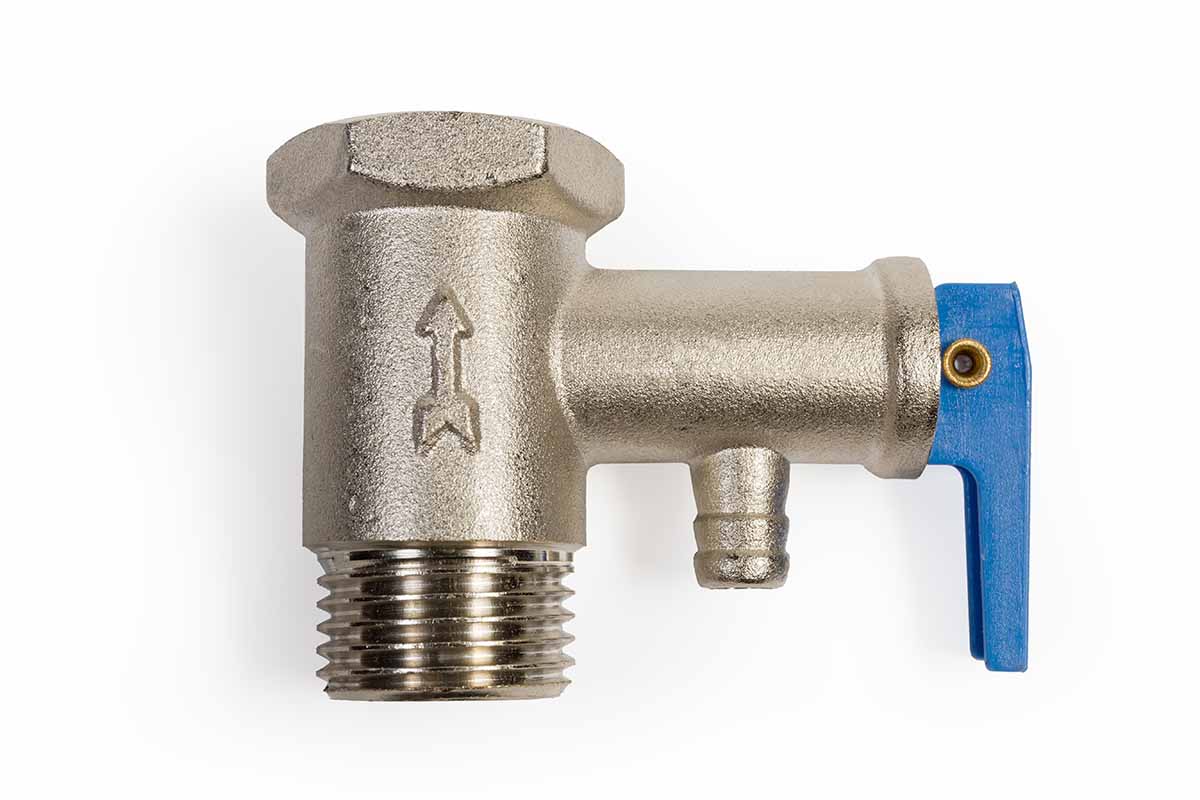
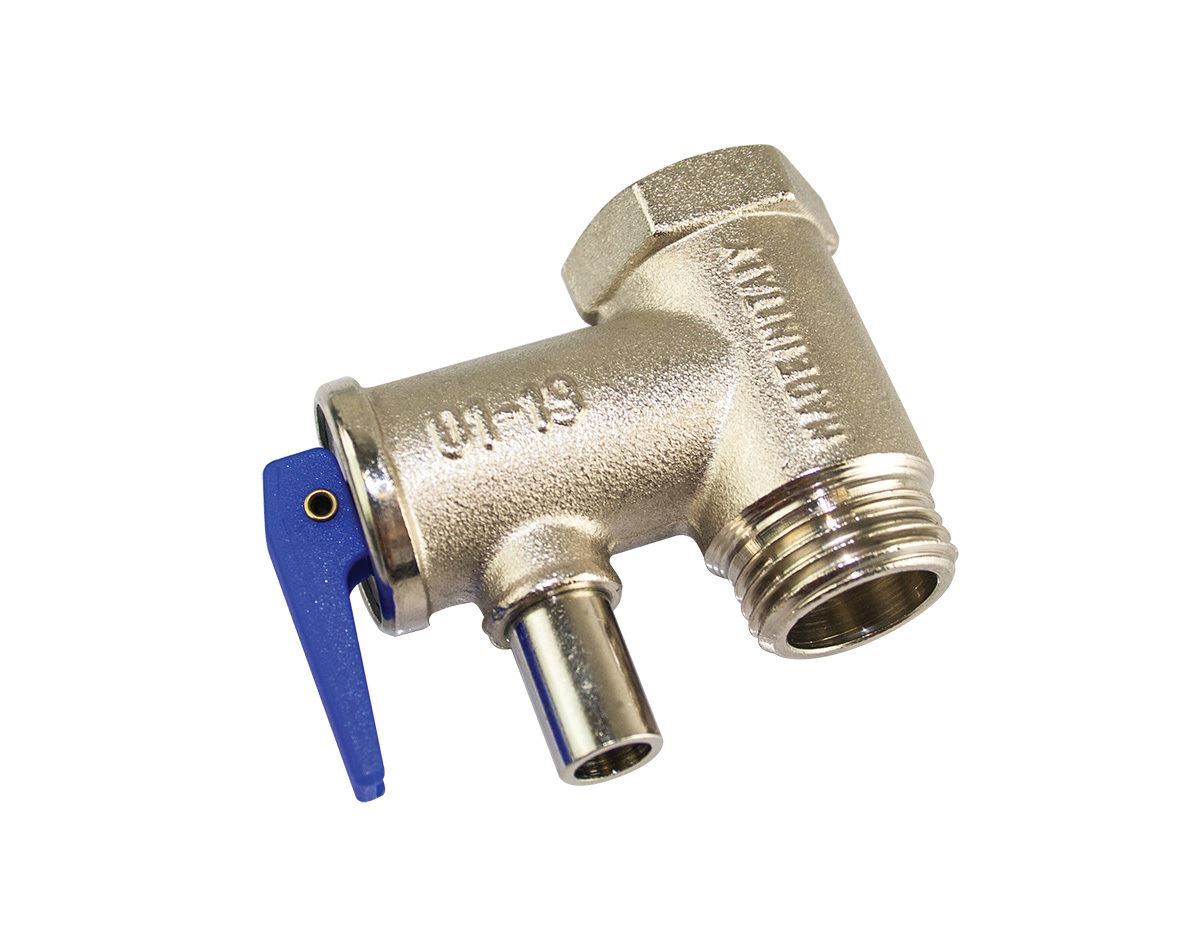
The pressure relief valve is a crucial safety device on your water heater. Its job is to automatically release water if the pressure or temperature inside the tank gets too high. Think of it as a safety valve that prevents the tank from exploding. It's usually located on the top or side of the water heater and has a discharge pipe that extends down to the floor or a drain.
Diagnosing the Problem: A Step-by-Step Approach
Before you start, always turn off the power to your water heater. For electric water heaters, this means flipping the circuit breaker. For gas water heaters, turn the gas control valve to the "Pilot" or "Off" position. Safety first!
Step 1: Initial Observation (No Tools Required)
Start by carefully observing the situation:
* Frequency of Leaking: Is the valve dripping constantly, occasionally, or only when the water heater is actively heating? * Source of the Leak: Is the water coming directly from the valve itself, the discharge pipe, or somewhere else on the water heater? * Water Temperature: Does the water dripping from the valve feel excessively hot? * Water Pressure: Is the water pressure in your home noticeably higher than usual? Check other faucets and showerheads.Write down your observations. This information will be helpful as you move through the troubleshooting steps.
Step 2: Check the Temperature and Pressure Settings (No Tools Required)
Locate the temperature and pressure relief valve. You'll see a lever or handle on the valve. There should also be markings indicating the pressure and temperature settings at which the valve is designed to release water (e.g., 150 psi and 210°F).
* Check the Temperature Setting: Is the temperature setting on your water heater thermostat set too high? If so, lower it to a more reasonable setting (around 120°F is recommended). An excessively high temperature can cause the valve to release water. * Compare to Valve Setting: Ensure the pressure setting of the valve is suitable for your home's water pressure. This usually is not the cause, but confirm there is nothing obviously wrong.Step 3: Test the Valve Manually (No Tools Required, But Caution Advised)
Caution: Hot water will be released when you perform this test. Be prepared to handle the water and avoid getting burned. Wear gloves for protection.
This step helps determine if the valve is functioning correctly. Briefly lift the lever on the pressure relief valve and hold it open for a few seconds. This should release a burst of water into the discharge pipe.
* If water flows freely and then stops when you release the lever: The valve is likely working properly. The dripping may be caused by high pressure or temperature spikes in the water heater. * If water doesn't flow at all: The valve may be clogged or faulty and needs to be replaced. * If the valve continues to leak after you release the lever: The valve is likely faulty and needs to be replaced.Important: After testing the valve, make sure the lever snaps back into its original, closed position. If it doesn't, manually push it back until it seals properly. A valve that doesn't seal completely will continue to leak.
Step 4: Check for Excessive Water Pressure (Requires a Pressure Gauge)
High water pressure from your municipal water supply can also cause the pressure relief valve to leak. You'll need a water pressure gauge, which can be purchased at most hardware stores.
* Attach the Pressure Gauge: Screw the gauge onto an outside faucet or a washing machine hose connection. * Read the Pressure: Turn on the water and read the pressure on the gauge.Ideal water pressure is between 40 and 60 psi. If your water pressure is consistently above 80 psi, you'll need to install a pressure reducing valve (PRV) on your main water line. This is a job best left to a qualified plumber.
Step 5: Inspect the Expansion Tank (Requires Visual Inspection and Tap Test)
Many homes have an expansion tank installed on the cold water line leading to the water heater. This tank absorbs excess pressure caused by the thermal expansion of water as it heats up. A faulty expansion tank can cause pressure buildup and force the pressure relief valve to leak.
* Locate the Expansion Tank: It's usually a small, white tank located near the water heater. * Visual Inspection: Look for signs of rust, corrosion, or water leaks around the tank. * Tap Test: Gently tap the tank. It should sound hollow on the top and solid on the bottom. If it sounds solid all the way down, it's likely waterlogged and needs to be replaced. * Schrader Valve Test: At the top of the tank, there's a valve similar to a tire valve stem (a Schrader valve). Press the pin in the center of the valve. If water comes out, the bladder inside the tank has failed, and the tank needs to be replaced.Replacing an expansion tank can be a DIY project for experienced homeowners, but it involves shutting off the water supply and potentially soldering pipes. If you're not comfortable with these tasks, call a plumber.
Step 6: Sediment Buildup (Requires Flushing the Water Heater)
Sediment buildup inside the water heater tank can reduce its efficiency and cause temperature fluctuations, leading to the pressure relief valve leaking. Flushing the water heater can remove this sediment.
Caution: Hot water will be released during flushing. Take precautions to avoid burns.
- Turn off the power to the water heater (breaker or gas valve).
- Turn off the cold water supply to the water heater.
- Attach a garden hose to the drain valve located at the bottom of the water heater.
- Run the hose to a safe drainage area (e.g., a floor drain or outside).
- Open the drain valve and let the tank drain completely. This may take some time.
- Once the tank is empty, briefly open the cold water supply valve to flush out any remaining sediment. Then, close the drain valve.
- Close the drain valve securely.
- Slowly turn the cold water supply back on, allowing the tank to fill.
- Once the tank is full, turn the power back on to the water heater.
Flushing the water heater should be done annually to maintain its efficiency and prevent sediment buildup.
DIY Actions You Can Take
Based on your troubleshooting, here are some DIY actions you might be able to take: * Lower the water heater thermostat: If the water temperature is too high, reducing it can prevent the pressure relief valve from activating unnecessarily. * Replace the pressure relief valve: If you're comfortable working with plumbing and have the necessary tools (pipe wrench, Teflon tape), you can replace the valve yourself. Make sure to purchase a replacement valve with the same pressure and temperature settings as the original. Remember to shut off the water supply and power to the water heater before starting. * Replace the expansion tank: As mentioned earlier, this can be a DIY project for experienced homeowners. * Flush the water heater: This is a relatively simple task that can improve the water heater's performance and prevent future problems.When to Call a Professional
While some issues can be resolved with DIY solutions, certain situations require the expertise of a qualified plumber or HVAC technician: * High Water Pressure: Installing a pressure reducing valve requires specialized knowledge and tools. * Gas Leaks: If you suspect a gas leak, immediately evacuate your home and call your gas company or 911. * Complex Plumbing Repairs: If you're not comfortable with soldering pipes or working with gas lines, it's best to leave the repairs to a professional. * Persistent Leaking: If you've tried the troubleshooting steps and the pressure relief valve is still leaking, there may be a more serious problem with your water heater that requires professional diagnosis and repair. * Water Heater Age: If your water heater is over 10 years old, it may be nearing the end of its lifespan. A professional can assess its condition and recommend whether to repair or replace it. * Strange Noises: Gurgling, popping, or banging noises coming from the water heater can indicate serious issues like excessive sediment buildup or a failing heating element.Safety First!
* Always turn off the power and water supply to the water heater before performing any maintenance or repairs. * Be careful when working with hot water to avoid burns. * If you're not comfortable with any of the steps outlined in this guide, call a qualified professional. * Follow all safety precautions recommended by the manufacturers of your water heater and any tools you use.By following these steps, you can confidently troubleshoot a leaking pressure relief valve and potentially save yourself the cost of a service call. Remember, your safety is paramount. When in doubt, call a professional!