Pressure Switch For Water Pressure Tank

Understanding Pressure Switches for Your Water Pressure Tank: A Comprehensive Guide
Maintaining consistent water pressure throughout your home is crucial for comfortable living and the efficient operation of appliances like dishwashers, washing machines, and even your HVAC system. The unsung hero in this system is the pressure switch, a small but vital component that controls the water pump and ensures reliable water delivery. This guide provides a deep dive into pressure switches, helping you understand their function, types, troubleshooting, and replacement options.
What is a Water Pressure Tank Pressure Switch?
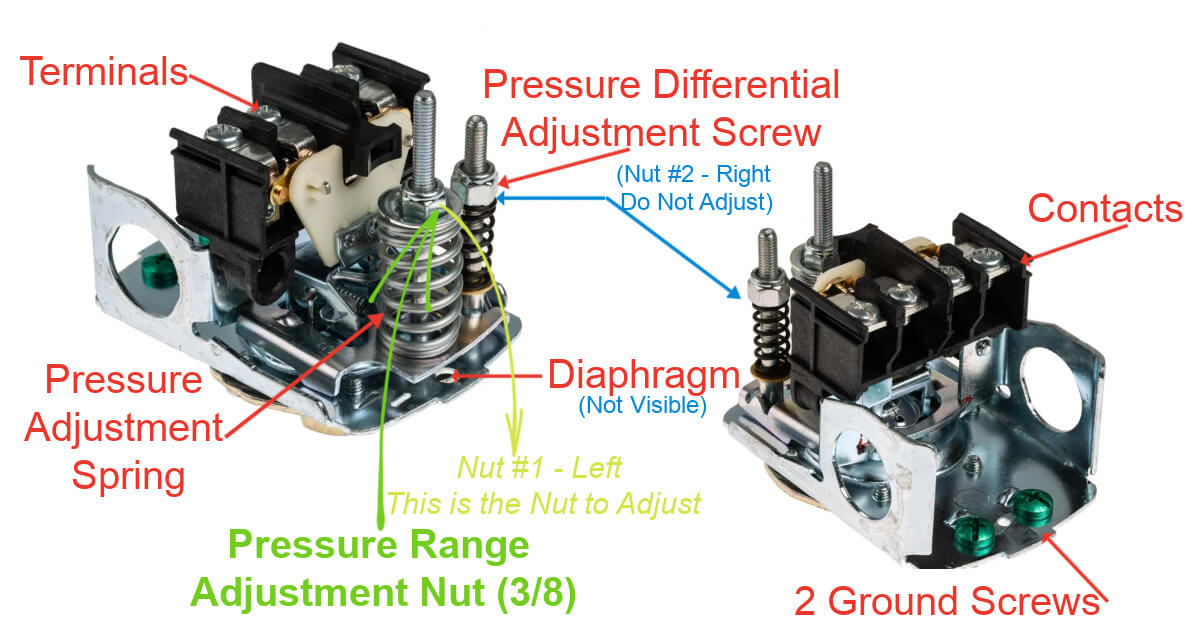
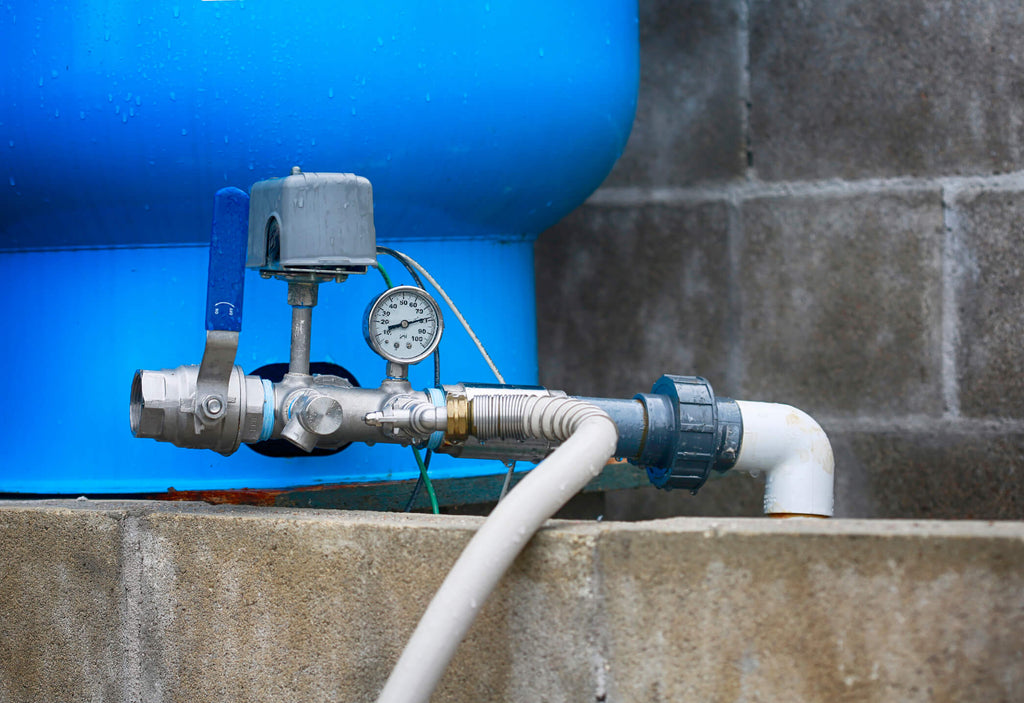
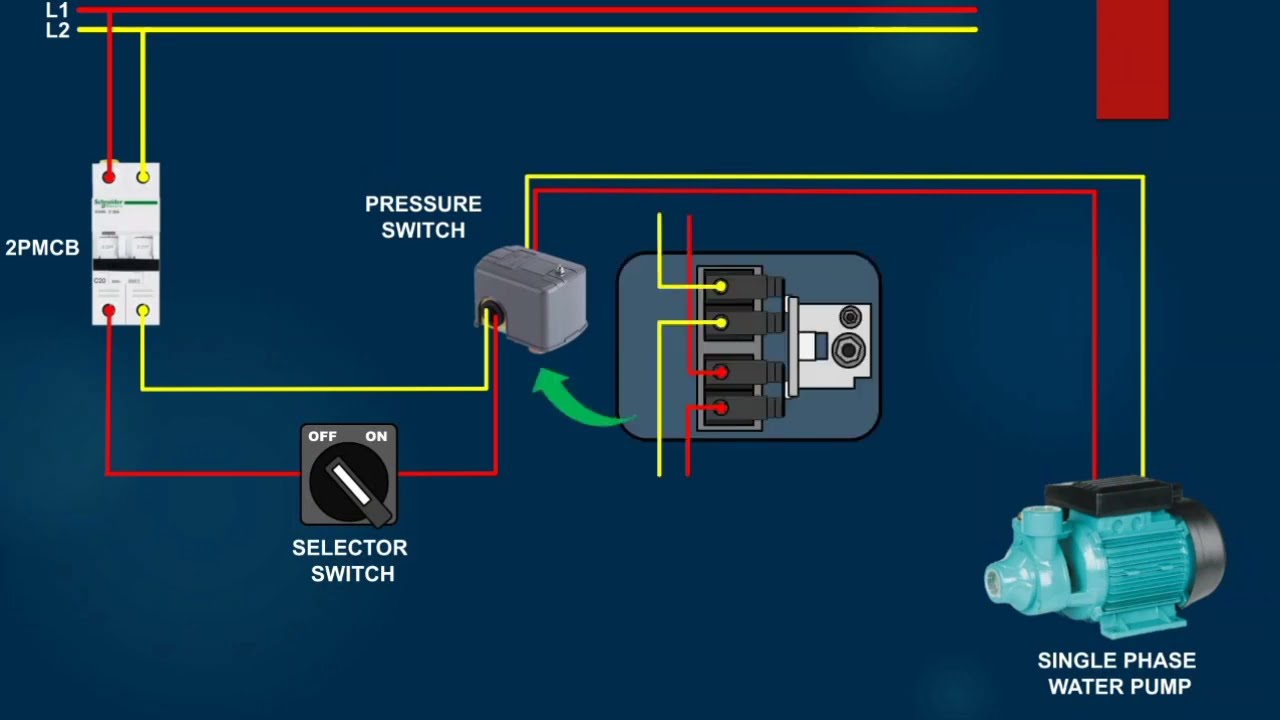
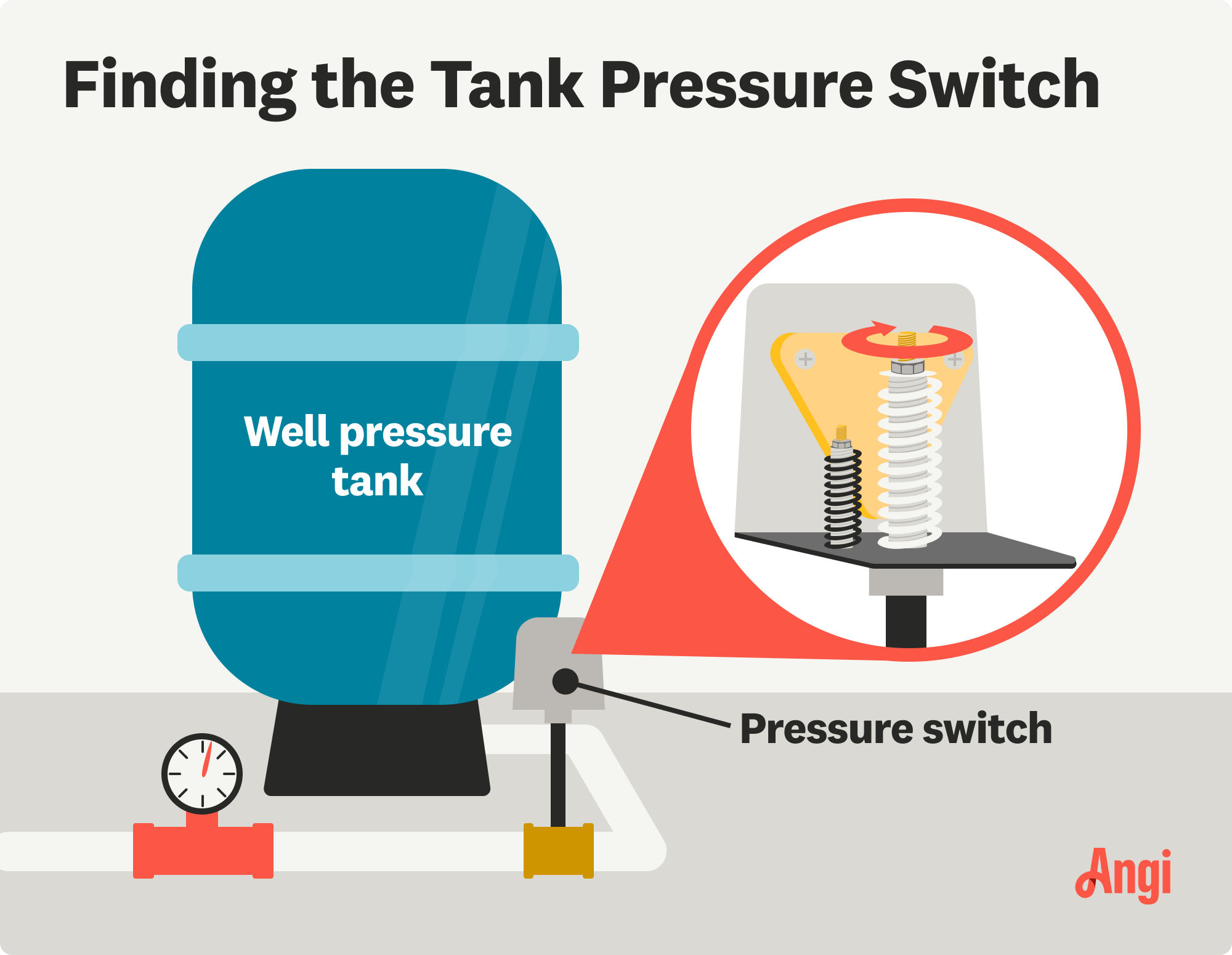
A pressure switch for a water pressure tank is an electromechanical device that senses the water pressure in the tank and turns the well pump on or off accordingly. It's typically mounted on the pressure tank or the pipe leading to it. The switch is calibrated to operate within a specific pressure range (e.g., 30-50 PSI or 40-60 PSI). When the water pressure drops below the lower limit, the switch closes, sending power to the well pump, which then refills the tank. Once the pressure reaches the upper limit, the switch opens, cutting power to the pump and stopping the filling process.
Why is a Properly Functioning Pressure Switch Important?
A faulty pressure switch can lead to a range of problems, including:
- Inconsistent water pressure: Fluctuations in pressure can be annoying and can even damage appliances.
- Pump short-cycling: Rapid on-off cycling of the pump, which can lead to premature pump failure.
- Pump failure: Running the pump dry or overheating it due to constant operation can damage the pump motor.
- Lack of water: If the switch fails to activate the pump, you may experience a complete loss of water.
Types of Pressure Switches
While the basic function is the same, pressure switches come in different configurations and with varying features:
- Standard Pressure Switches: These are the most common type, designed for typical residential water systems. They are generally available in pre-set pressure ranges.
- Adjustable Pressure Switches: These switches allow you to fine-tune the pressure range to match your specific needs. This is useful if you have unusual plumbing configurations or appliances with specific pressure requirements.
- Low-Pressure Cutoff Switches: These switches provide an extra layer of protection by shutting off the pump if the water pressure drops below a critical level. This can prevent the pump from running dry and sustaining damage.
- Electronic Pressure Switches: These newer models offer digital displays, more precise pressure control, and often include advanced features like data logging and remote monitoring. They tend to be more expensive but offer greater accuracy and control.
Features to Consider When Choosing a Pressure Switch
When selecting a pressure switch, consider these factors:
- Pressure Range: Choose a switch with a pressure range that matches your existing system and meets your household's water pressure needs. Common ranges are 30-50 PSI and 40-60 PSI.
- Adjustability: If you need to fine-tune the pressure settings, opt for an adjustable switch.
- Electrical Rating: Ensure the switch's electrical rating (voltage and amperage) is compatible with your well pump's specifications.
- Construction Material: Look for a switch made from durable materials like brass or stainless steel to resist corrosion and ensure long-lasting performance.
- Certifications: Check for certifications like UL or NSF, which indicate that the switch has been tested and meets safety standards.
Popular Brands and Models
Several reputable manufacturers offer high-quality pressure switches. Here are a few popular brands and models:
- Square D: Square D is a well-known and trusted brand in electrical components. Their FSG-2 and FYG-2 pressure switches are popular choices for residential water systems. Known for their reliability and durability.
- Goulds Water Technology: Goulds is a leading manufacturer of water pumps and accessories, including pressure switches. Their switches are known for their robust construction and accurate pressure control.
- Water Worker: Water Worker offers a range of pressure switches designed for various applications, including residential and commercial water systems. They are often more budget-friendly options.
Example Models:
- Square D FSG-2: A standard, non-adjustable pressure switch commonly used in residential well systems. Offers reliable performance at a reasonable price.
- Square D FYG-2: An adjustable version of the FSG-2, allowing for customization of the pressure range.
- Goulds PSC054S: A durable and reliable pressure switch designed for demanding applications. Features a heavy-duty construction.
Pricing and Availability
Pressure switches generally range in price from $20 to $100, depending on the brand, features, and type. Standard, non-adjustable switches are typically the most affordable, while electronic switches and those with specialized features tend to be more expensive. You can find pressure switches at most hardware stores, plumbing supply stores, and online retailers like Amazon and Home Depot.
Troubleshooting a Faulty Pressure Switch
If you're experiencing water pressure problems, the pressure switch is a likely suspect. Here are some common symptoms and troubleshooting steps:
- Symptom: Pump short-cycling.
- Possible Cause: Faulty pressure switch, waterlogged pressure tank, leaks in the plumbing system.
- Troubleshooting: Check the pressure switch for corrosion or damage. Test the pressure tank's air charge. Inspect the plumbing for leaks.
- Symptom: No water pressure.
- Possible Cause: Faulty pressure switch, blown fuse or tripped circuit breaker, pump failure.
- Troubleshooting: Check the pressure switch for proper operation. Check the circuit breaker or fuse for the pump. Verify that the pump is receiving power.
- Symptom: Low water pressure.
- Possible Cause: Incorrect pressure switch settings, clogged well screen, pump wear.
- Troubleshooting: Verify that the pressure switch is set correctly. Inspect the well screen for debris. Assess the pump's performance.
Important Safety Note: Always disconnect power to the pump before working on the pressure switch or any other electrical components of the water system.
Replacing a Pressure Switch: Step-by-Step Guide
Replacing a pressure switch is a relatively straightforward task that most homeowners can handle. However, if you're uncomfortable working with electricity or plumbing, it's best to call a qualified plumber or electrician.
- Turn off the power: Disconnect the circuit breaker that supplies power to the well pump.
- Drain the water: Turn off the water supply to the house and drain the water pressure tank to relieve pressure.
- Disconnect the wiring: Carefully disconnect the wires from the old pressure switch, noting their positions.
- Remove the old switch: Unscrew the old pressure switch from the tank or piping.
- Install the new switch: Apply Teflon tape to the threads of the new pressure switch and screw it into place.
- Reconnect the wiring: Reconnect the wires to the new pressure switch, matching their original positions.
- Restore power and test: Turn the water supply back on and restore power to the pump. Monitor the system to ensure the pump cycles on and off correctly.
Warranties and Maintenance
Most pressure switches come with a one-year warranty against defects in materials and workmanship. Regular maintenance is minimal but includes inspecting the switch for corrosion, debris, and loose connections. Periodically check the pressure settings and adjust as needed. If you notice any signs of malfunction, replace the switch promptly to prevent further damage to your water system.
HVAC System Impact
While seemingly unrelated to HVAC directly, consistent water pressure ensures the efficient operation of certain HVAC components. For instance, geothermal heating and cooling systems rely on a steady water supply. Inconsistent pressure can negatively impact the system's Coefficient of Performance (COP) and overall efficiency. A well-maintained water system, including a properly functioning pressure switch, contributes to the longevity and optimal performance of your entire home comfort system.
Conclusion
The pressure switch is a critical component of your well water system. Understanding its function, types, and troubleshooting steps can help you maintain consistent water pressure and prevent costly repairs. By choosing a high-quality pressure switch and performing regular maintenance, you can ensure a reliable water supply for your home and protect your investment in your HVAC system.